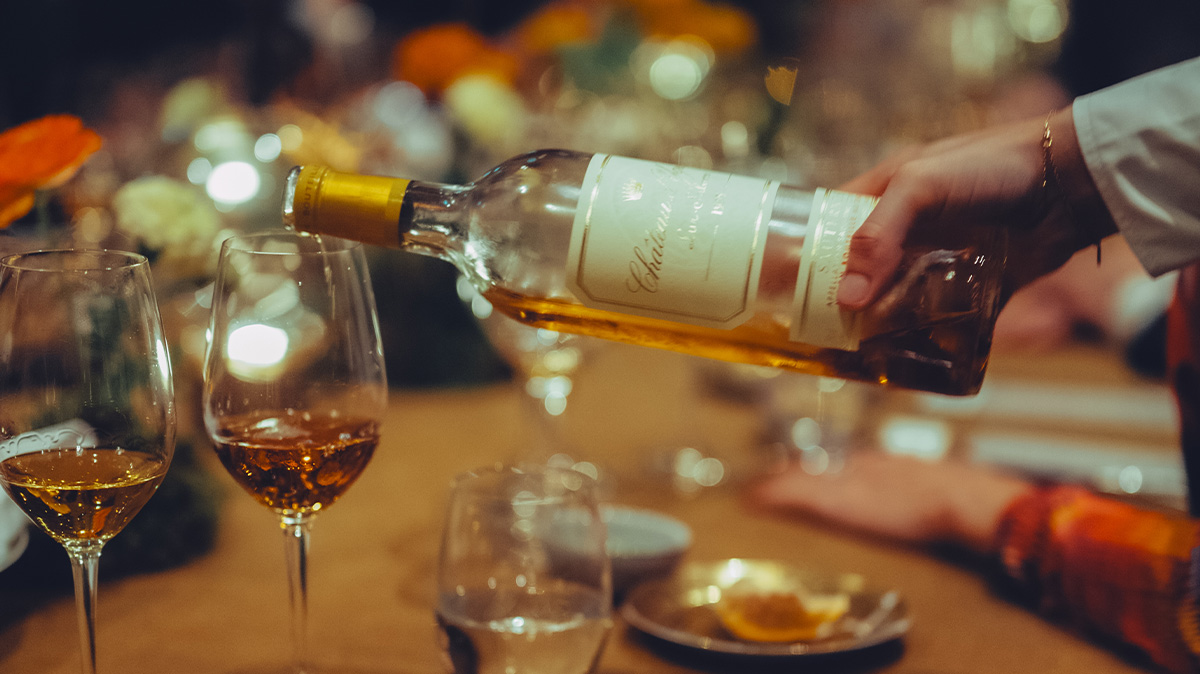
Open up your mind and palate to new possibilities. Open up your mind and palate to new possibilities.
Автор: karymsakov_qq4zn395
-
The ‘90s Shoe Revival Is Here – But Not As You Remember It
The styles we swore we’d never wear again are back on rotation.
-

Scenic Saunas Around the World With A View
From floating in British Columbia’s waters to overlooking the Dolomites, these are the best saunas around the world with unforgettable views.

-
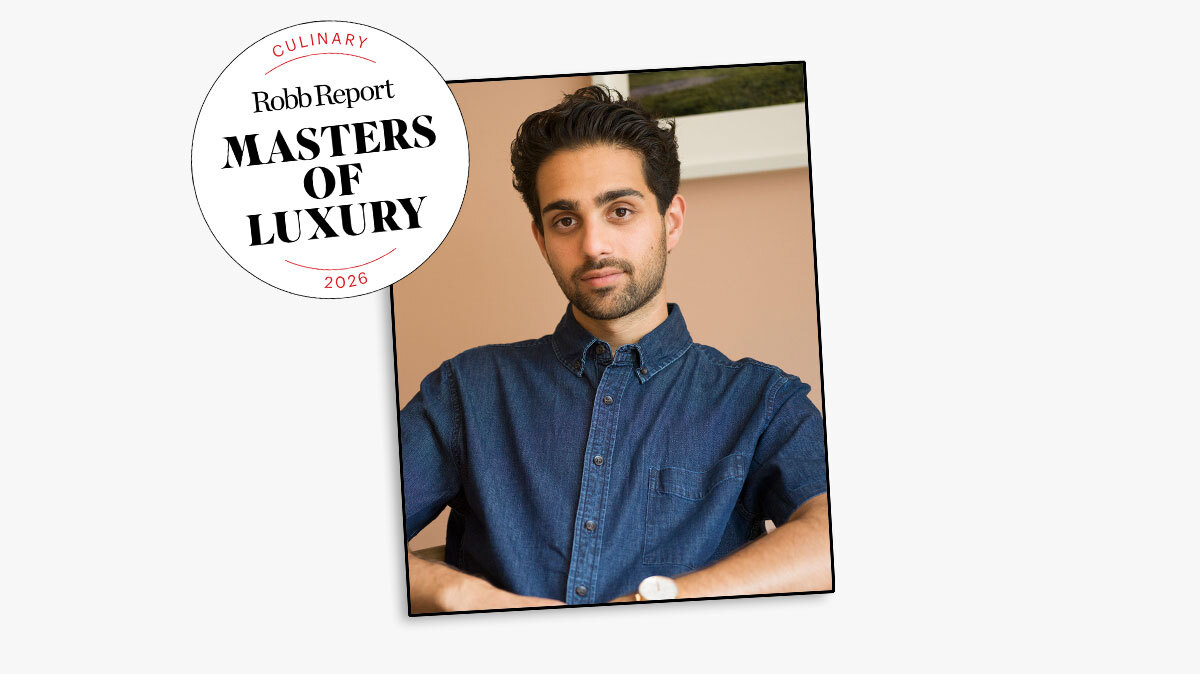
Truffle Connoisseur Ian Purkayastha on Finding and Cooking the Greatest Ingredients in the World
The Regalis Foods founder offers his expertise on some classic delicacies. The Regalis Foods founder offers his expertise on some classic delicacies.
-

This $16.5 Million Oceanfront Estate Is the Most Expensive Home for Sale in Maine
Known as Staples Point, the seven-bedroom Cape Elizabeth retreat comprises three acres above a sandy beach. Known as Staples Point, the seven-bedroom Cape Elizabeth retreat comprises three acres above a sandy beach.
-

The Luxury Guide to Festival Dressing in 2026
This season, individuality, independent designers, and vintage finds take center stage.

Festival season is officially here, and although Glastonbury’s fallow year left a gap in the calendar, there are plenty of other events on the horizon.
Anyone who’s been to a festival will know the level of outfit preparation it takes beforehand – often in response to extreme and unpredictable weather that can swing from torrential rain to heat waves and dust storms.
Then there’s the walking: depending on the festival, 30,000 steps a day isn’t unheard of, so practicality tends to come first, especially when it comes to footwear. Lightweight, comfortable shoes are the obvious starting point, with blister Band-Aids on hand as a precaution.
For bags, fanny packs and crossbody styles are popular choices. They’re secure, easy to wear all day, and most come in wipeable fabrics that hold up well after a dusty weekend. A waterproof layer also comes in handy if conditions turn – or a clear disposable poncho, if you’re committed to showing off your festival fit.
After the practical considerations comes the more subjective part: what to actually wear.
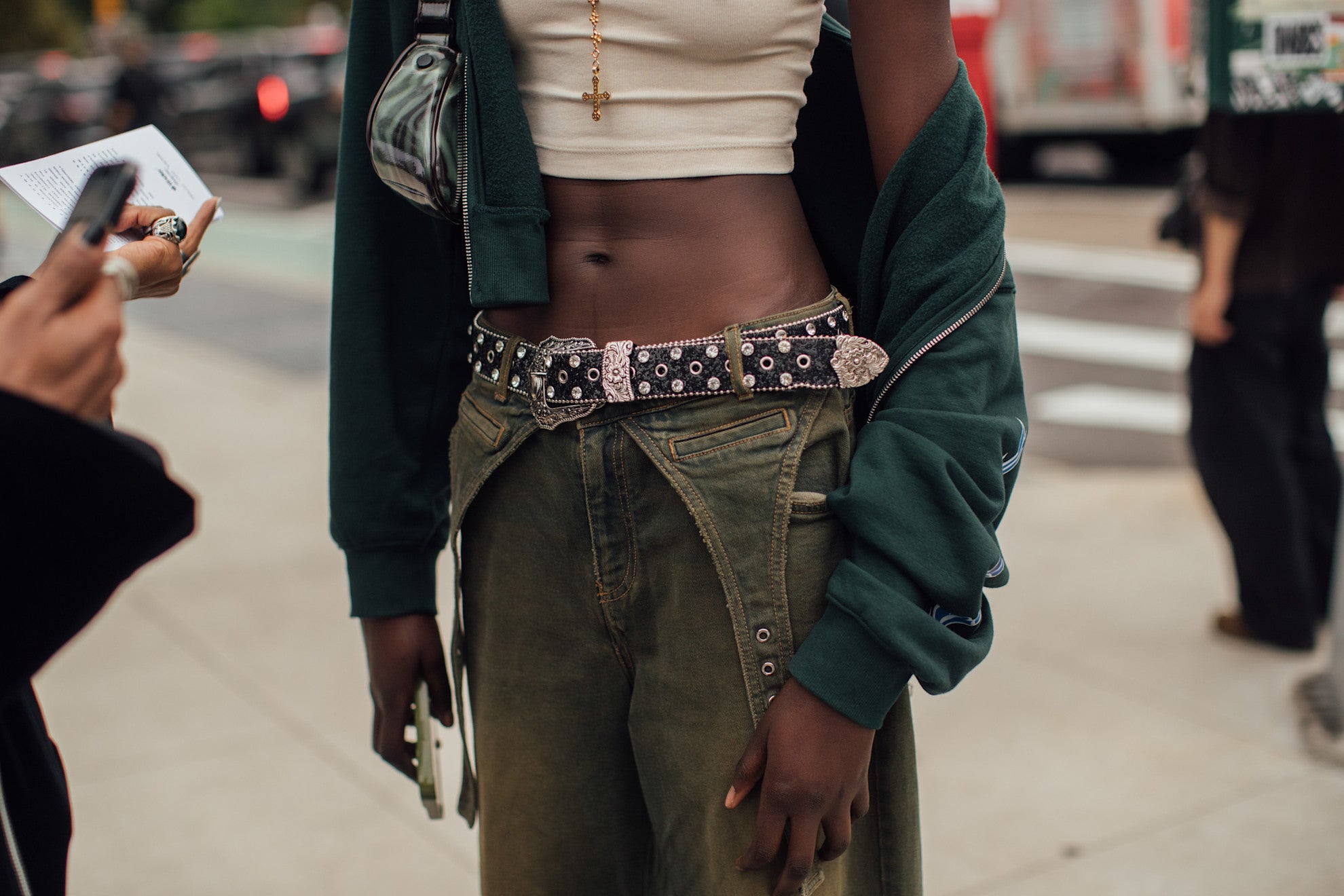
©Spotlight Festival dressing has always sat somewhere between practicality and self-expression, blending boho, disco, Western, athletic, and grunge influences. But there’s been a shift in recent years toward pieces that feel less like ‘festival outfits’ and more like things that belong in everyday rotation.
Lale Boz, It Girl and founder of Normal New York and the Not-A-Normal Show – a retail and experiential platform known for its curated designer and vintage marketplaces — sees this shift clearly through the designers and collectors she works with.
“I think festival style is becoming much more elevated and personal,” she says. “Rather than dressing in a costume for the occasion, people are choosing pieces they would genuinely wear beyond the festival itself.”
Buck the trend
She advises looking inwards and away from the influence of wider trends. “The festival looks I remember most are never the most trend-driven. They’re the ones that feel personal, effortless, and reflective of the person wearing them.”
“What excites me most right now is seeing people mix independent designers with vintage finds and heirloom accessories,” she says. This often comes through in how different references are layered together – vintage pieces, independent designers, and heirloom items that don’t necessarily belong to the same category but work together anyway. “The best festival outfits feel collected over time rather than purchased for a single occasion.”
Her own approach reflects that. Rather than building a complete outfit concept, she starts with one piece and lets everything else fall into place around it. “For me, that might be a vintage slip dress, a beautifully tailored jacket, or an incredible pair of vintage boots. Festivals involve long days, so comfort matters just as much as style.”
Choose comfort, as well as style
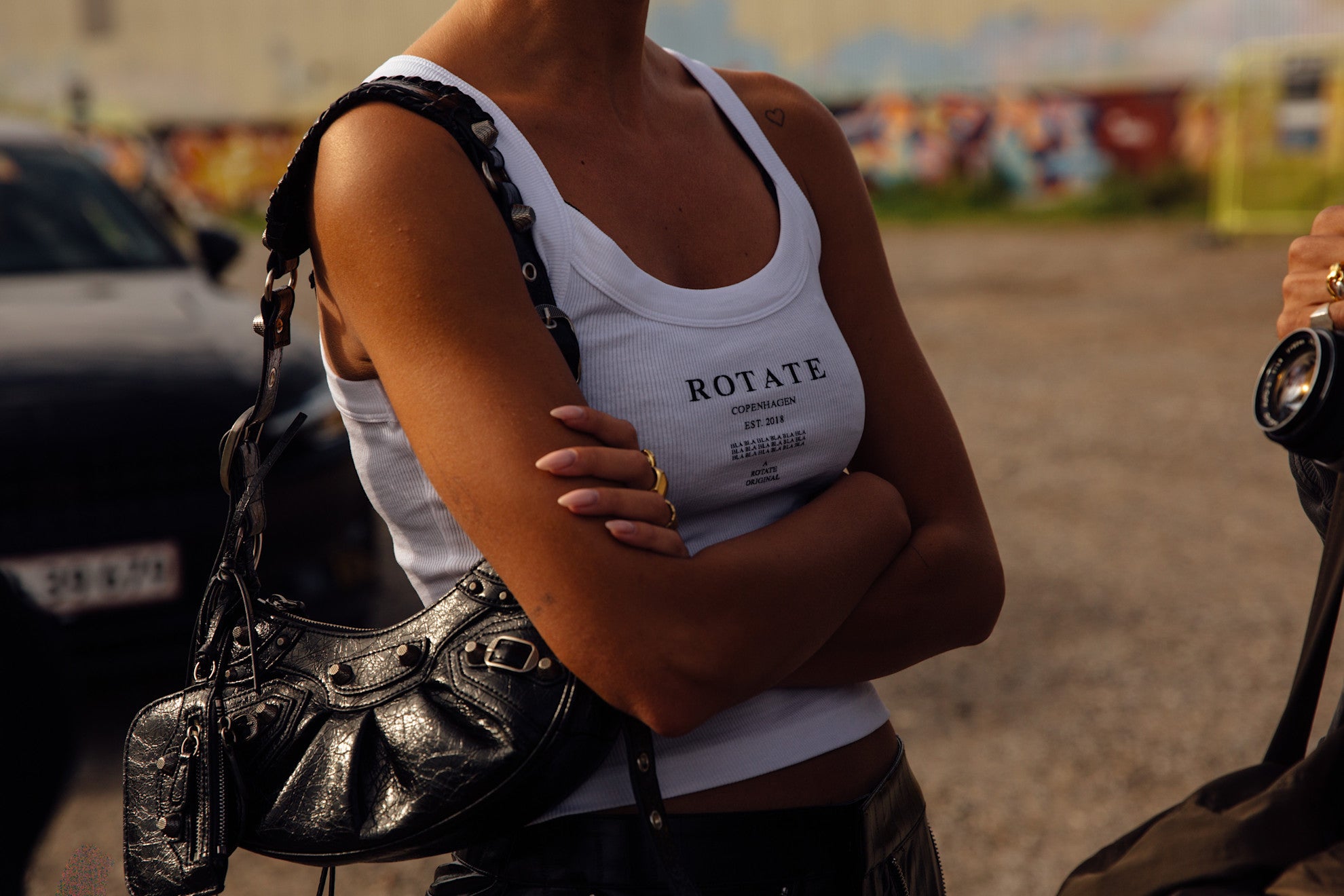
©Spotlight From there, the priority is ease – pieces that work across the entire day without needing to be reconsidered. “I gravitate toward pieces that feel effortless, photograph beautifully, and transition easily from day into evening,” she says. “A great pair of sunglasses, layered jewelry, and well-worn leather boots are probably the items I would reach for.”
For those looking for a statement piece to build around, Boz recommends seeking out designers with a strong point of view. “Designers like Paris Montes and Call Me Masha create expressive and memorable pieces from deadstock designer fabrics.”
Look to vintage dealers
And for vintage pieces, she points to curated collections from dealers like The Jennie Walker Archive, Lulu’s Vintage Lovelies, and Valhalla Vintage, which offer “the kind of individuality that makes a festival look stand out.”
As for the looks set to dominate the festival circuit this summer, Boz predicts a continued play on contrast. “I’m seeing many soft romantic elements – lace, sheer layers, antique-inspired details – mixed with tougher pieces like leather boots or oversized jackets. There’s also a return to beautiful accessories: statement jewelry, vintage belts, scarves, and bags that make an outfit feel unique without trying too hard.”
Overall, she cites individuality as the defining trend of the season. “People are styling pieces in ways that feel authentic to them rather than following a specific festival formula.”
-

Out with Tartan: Meet Scotland’s Brave New World of Interiors
The new school of Scottish design presents an authentic, elemental take on the country’s landscape and heritage — with not a tartan or thistle in sight.

-
The Secret to the Perfect Pimm’s
Pimm’s can be glorious or disappointingly sweet. Here’s how to get it right.
Most of us, I imagine, think of Pimm’s as a quintessentially English drink. And to a great extent it is. The recipe was created in 1912 for a chain of London oyster bars founded by the Englishman, James Pimm, at a time when it was customary to pair oysters with a ‘cup’ or ‘punch’ made of gin, fruit, spices, bitter herbs, and liqueurs, mixed with lemonade.
But Pimm’s No.1 is also a big deal in that American cradle of the cocktail New Orleans: the city’s Napoleon House bar, in the French Quarter, has been knocking out its fruit-scattered gin cups for almost a hundred years.
See also: The Best Martinis in the World, According to the Experts
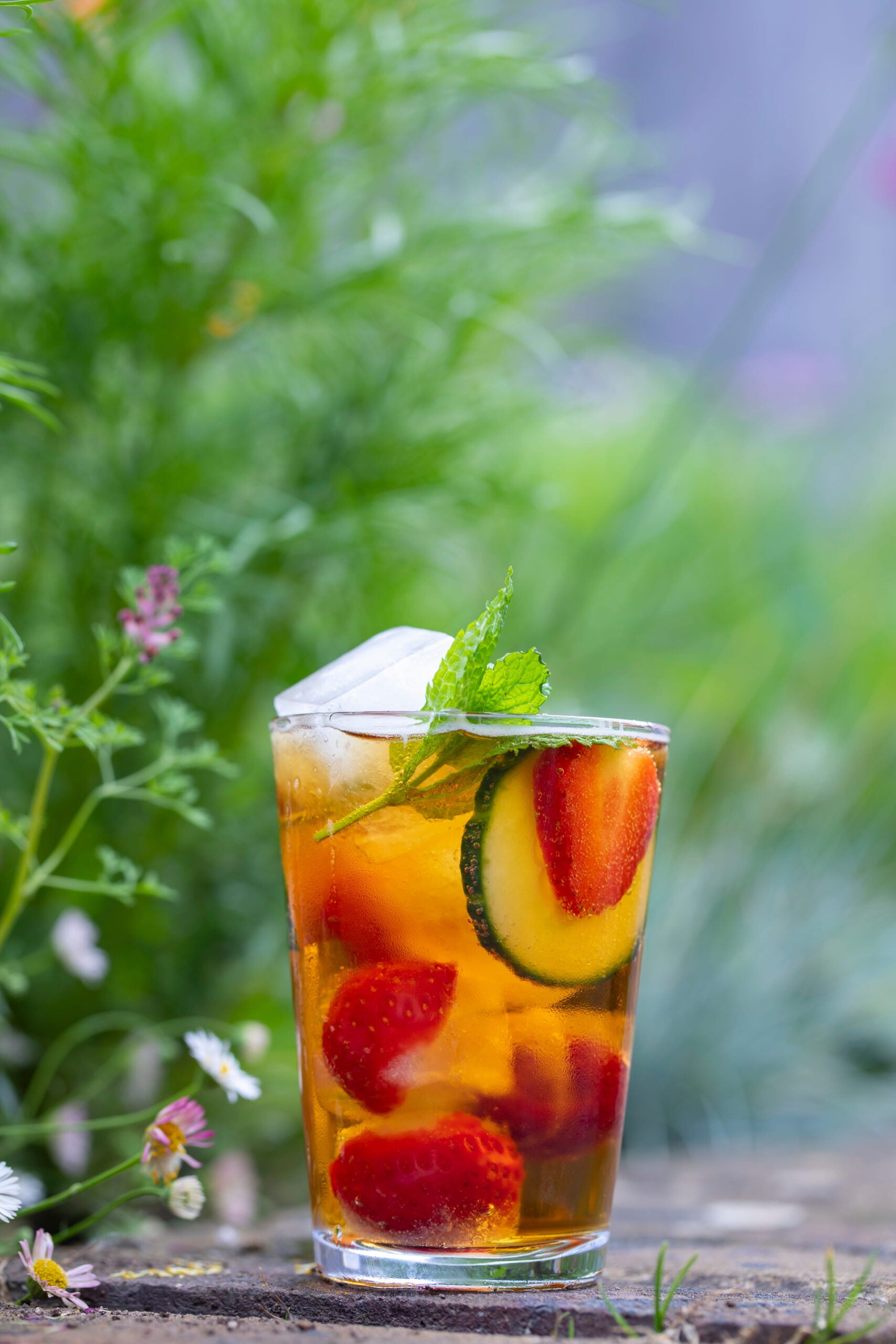
So, what’s the secret to a good one? I have some views on this. Because, a well-made Pimm’s can be absolutely divine, but a bad one can be very sickly. Temperature is critical – Pimm’s must always be really, really well-chilled. I think it also benefits from half an hour or so steeping with the fruit, in the fridge. Add lots of orange and lemon wheels to cut the sweetness; strawberries and even raspberries if you want. Plus, a generous handful of freshly-picked mint sprigs – give them a sharp smack before adding, to release the aromatic oils.
The traditional capstone for Pimm’s – and gin cups of all kinds – is a sprig of cucumber-scented borage flowers. These purple-blue blooms enhance the cooling effect and add a lovely pop of color.
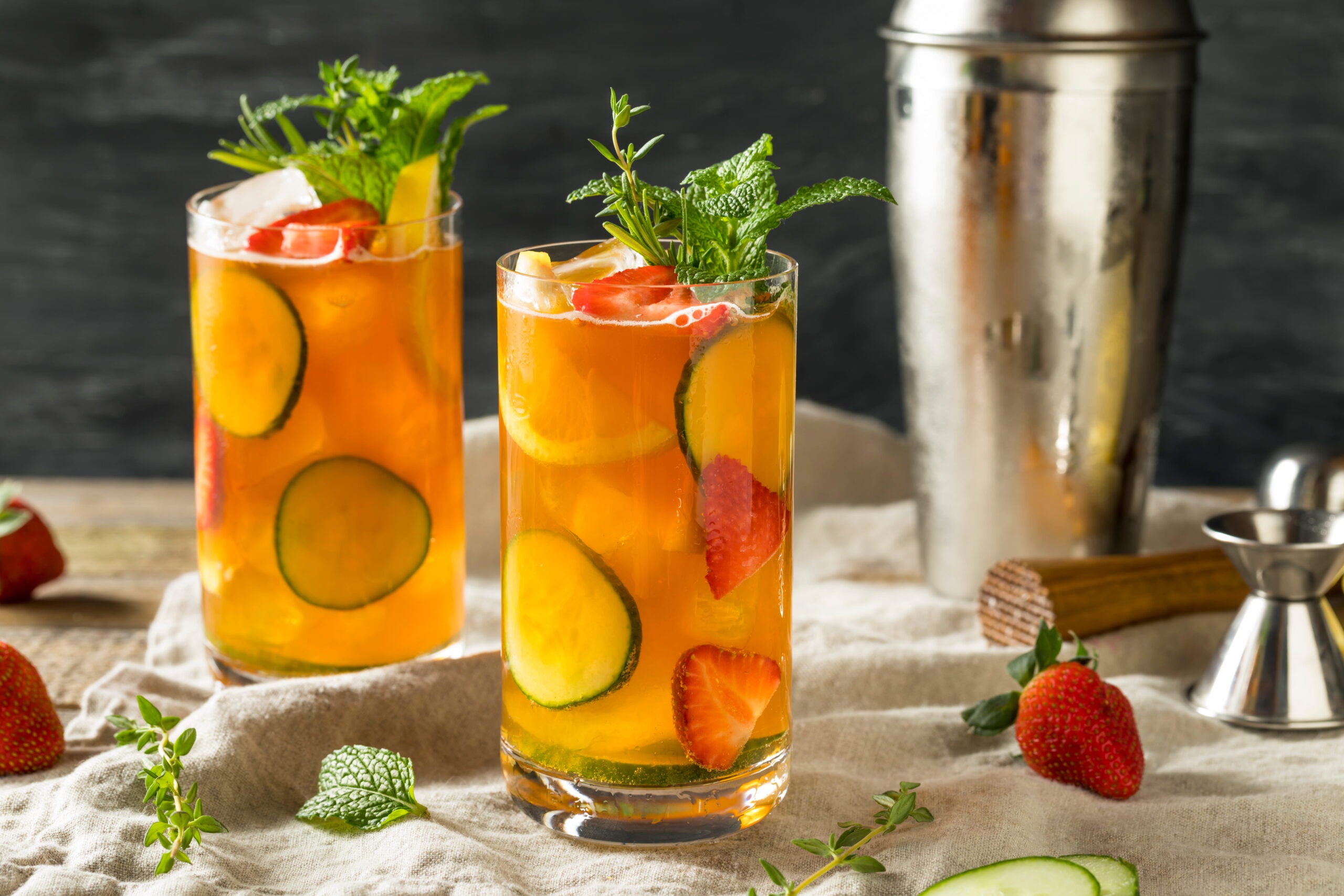
©Shutterstock Charles Dickens was a big fan of borage: “[it] makes a world of difference” he said to a gathering of fans in Boston, in 1868, for whom he mixed one of his reputedly excellent cups. Borage is pretty easy to grow in a pot, but failing that, cucumber slices will also work in its stead.
Cheap and cheerful fizzy lemonade (or 7-Up) is the classic mixer, but if you prefer it a bit less sweet, substitute with a pared-back tonic like Fever Tree Light or even just sparkling water. And mix roughly 1-part Pimm’s to 3 parts mixer.
Pimm’s used to be bottled at 31.5 percent abv but the strongest version you’ll find today is a rather lily-livered 25 percent abv, which can mean even the best-made cup can wind up tasting a little underpowered. For this reason, it’s worth considering making your own gin cup from scratch – simply mix equal parts gin, red vermouth and triple sec (or other orange liqueur), and dilute to taste.
See alao: A Drinks Expert’s Take on Match-Day Pairings for the World Cup
©Shutterstock Hayman’s London Dry Gin, which is made in London by England’s oldest family-owned distillery, has a starburst of citrussy botanicals that would be great here. Or play up to the English country garden theme with Hendrick’s Gin which pairs juniper with subtle notes of cucumber and rose.
For the red vermouth, I’d go with Martini’s more full-throttle Riserva Speciale Rubino or the barbera-based rosso by Chazalettes. And for the orange liqueur Cointreau or Pierre Ferrand’s weightier Dry Curaçao. The new High Fidelity Triple Sec , co-created by Ashley Palmer Watts, chef and co-owner of London sensation The Devonshire, is also very good. It has a little pinch of Cornish salt in the recipe that makes it extremely moreish.
And if it wasn’t clear already, you should always mix Pimm’s by the jug. Because it should always be enjoyed in company – and one glass is never enough.
Alice’s DIY Pimm’s recipe
Ingredients
-300ml gin
-300ml red vermouth
-300ml triple sec or other orange liqueur
-900ml well-chilled, fizzy lemonade, tonic or soda water
-Garnish: orange and lemon slices, sliced strawberries, mint sprigs, and borage flowers
Method
Combine the first three ingredients in a jug with all the garnishes except the borage and chill in the fridge for half an hour. Just before serving add ice, more mint sprigs, and borage flowers.
-

The Best Designer Beach Clubs to Visit This Summer
These pop-ups are the places to see – and be seen – this season.

-

Road Test: The Mercedes-Benz VLE Is an Impressive Luxury Van That Leaves Room for Improvement
We found the model to be at a unique crossroads of limousine and utility vehicle, but wonder how the U.S. market will respond. We found the model to be at a unique crossroads of limousine and utility vehicle, but wonder how the U.S. market will respond.