
Автор: karymsakov_qq4zn395

  • Why Is Hollywood Reportedly Hooked on Peptide Injections?

    Why Is Hollywood Reportedly Hooked on Peptide Injections?

    Three experts share what you need to know about injectable peptides, the longevity trend gripping Hollywood. 

    From red carpet-ready skin to age-defying physiques, the industry has long influenced how we think about aging. Lately, though, a new word has been working its way into that conversation: peptides. You might have spotted them on skincare labels, or read that Jennifer Aniston uses a peptide-powered moisturizer as part of her routine.

    In that context, they feel easy to understand. Peptides are now a familiar addition to serums and creams, promising healthier, more resilient skin – the kind of upgrade that slips neatly into an existing routine.

    But step outside the world of topical skincare, and things become less straightforward.

    Jennifer Aniston
    Jennifer Aniston reportedly uses peptides in her skincare ©Shuttsrstock

    In some wellness circles, including those frequented by high-profile figures in Hollywood, peptides have taken on a different identity entirely. Injectable compounds linked to longevity, recovery, and performance are gaining traction. It’s a trend that has grown rapidly online, fueled by biohackers and a rising interest in preventative aging.

    In A-list circles, the appeal also lies in efficiency: treatments that can be administered quickly, with minimal downtime – suitable for actors balancing punishing schedules or preparing for physically demanding roles. There’s also a cultural pull at play. In an industry where appearance is closely tied to opportunity, the idea of optimizing the body at a cellular level holds obvious allure.

    The rising interest in peptide injections is striking, but it’s not without questions. Many of these injectables aren’t licensed in the UK or FDA-regulated in the US, and the research – especially when it comes to long-term use – is still evolving. Which makes understanding what peptides actually are, and where the real benefits lie, more important than ever.

    What are injectable peptides, exactly?

    At their simplest, peptides are short chains of amino acids – the building blocks of protein – that act as signaling molecules within the body. “They essentially tell your cells to perform specific functions, whether that is repairing tissue, supporting collagen production, or regulating hormones,” explains Dr Ducu, aesthetic doctor and founder of Dr Ducu Clinics.

    Some peptides occur naturally; insulin, for instance, plays a crucial role in blood sugar regulation. The current fascination lies in synthetic versions designed to mimic or enhance these biological processes. In clinical settings, certain peptides are being explored for their potential to support skin quality, muscle recovery, sleep, and overall vitality.

    peptide injection
    ©Unsplash

    However, the confusion – and risk – arises when consumers assume that because peptides exist in the body, injecting them in synthetic form is inherently safe. “The fact that your body produces something doesn’t mean an unregulated, synthetic version will behave the same way once it’s injected,” says Ann Garry, CEO and co-founder of Health Coaches Academy.

    Compounds such as BPC-157, TB-500 and GHK-Cu are frequently promoted online for injury recovery, inflammation, and anti-ageing benefits. Yet many are sold as ‘research chemicals’, meaning they are not subject to the rigorous safety and manufacturing standards required of approved medicines.

    Who is peptide therapy best for?

    In a medical context, peptide therapy can have a place, but it is far from a one-size-fits-all solution. According to Dr Ducu, these treatments are best suited to individuals seeking targeted support as part of a broader, medically supervised longevity strategy.

    “When used correctly, peptide injections can be a useful tool within longevity medicine, but they are not a shortcut,” he explains. “The real results always come from combining targeted treatments with strong foundations such as nutrition, movement, sleep, and stress management.”

    Dr Ben Taylor-Davies echoes this caution, noting that many so-called “longevity peptides” remain largely untested in humans. “We don’t yet have any data to support their long-term use,” he says. “Biohackers using them are essentially treating themselves as lab rats.”

    The risks associated with peptide injections depend largely on their source, formulation, and method of use – but for those purchasing products online, the concerns are significant. “This isn’t biohacking. It’s a biological gamble,” says Garry.

    Ultimately, while peptide therapy holds intrigue – and, in some cases, clinical promise – experts agree that the foundations of longevity remain far less glamorous. “No injection can replicate what eight hours of quality sleep does,” Garry notes.

    However appealing a quick fix injectable may sound, sustainable habits – eating well, lifting weights, and keeping blood sugar steady – remain the most reliable route to long-term health.
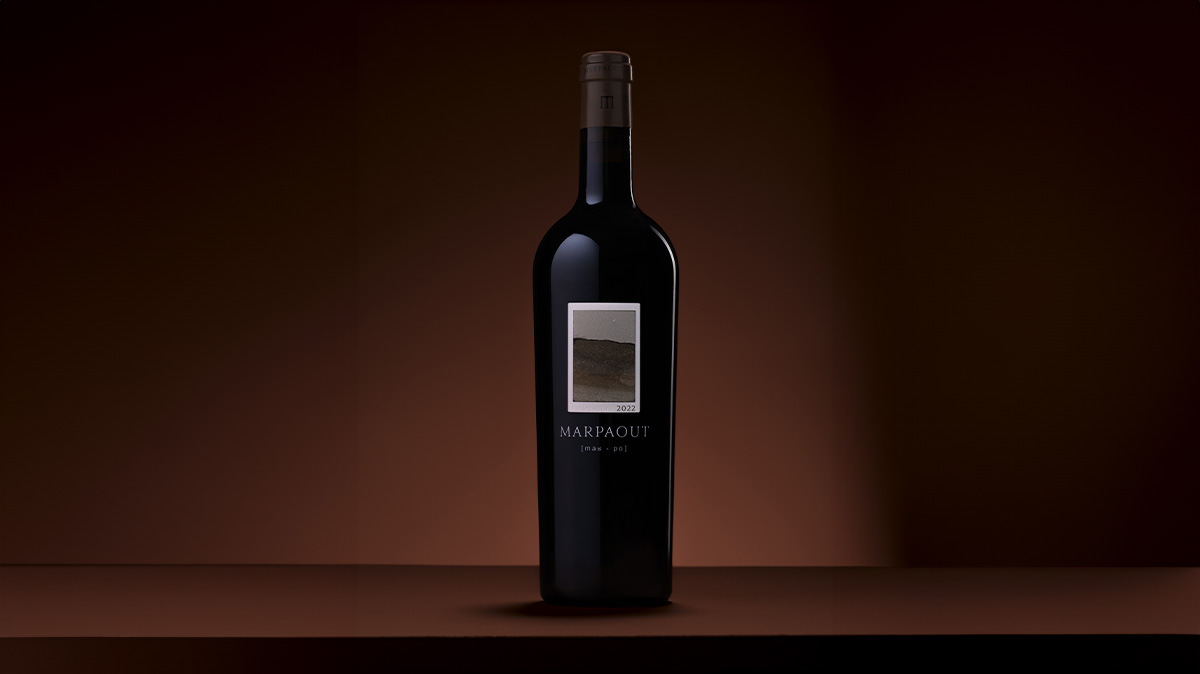

  • This Left Bank Bordeaux Rivals the World’s Best Merlots

    This Left Bank Bordeaux Rivals the World’s Best Merlots

    Marpaout has made a stunning debut. Marpaout has made a stunning debut.

  • How Caribbean Cuisine Is Lighting Up N.Y.C.’s Fine-Dining Scene

    How Caribbean Cuisine Is Lighting Up N.Y.C.’s Fine-Dining Scene

    Just don’t call it a trend.  Just don’t call it a trend. 

  • Designer Suzanne Sharp on Her Favorite Celine Sweater, Rolex Datejust, and Her First Russian Massage

    Designer Suzanne Sharp on Her Favorite Celine Sweater, Rolex Datejust, and Her First Russian Massage

    The cofounder of the Rug Company spills on her latest streaming binge, and more. The cofounder of the Rug Company spills on her latest streaming binge, and more.

  • Test Drive: Ferrari’s 849 Testarossa Shows the New ‘Redhead’ Is More Than Just an ’80s Throwback

    Test Drive: Ferrari’s 849 Testarossa Shows the New ‘Redhead’ Is More Than Just an ’80s Throwback

    We tested the SF90 Stradale’s successor in the rain and found it to be confidence incarnate. We tested the SF90 Stradale’s successor in the rain and found it to be confidence incarnate.

  • Can – and Should – You Use Cryptocurrency to Travel?

    Can – and Should – You Use Cryptocurrency to Travel?

    Volatility makes using crypto on the road tricky – we break down the options. 

    flying use cryptocurrency

    Early adopters said cryptocurrency would be the new normal. While the promised computer-led utopia hasn’t quite materialized (…yet), many investors remain focused on keeping their holdings practical, sensible, and above all, profitable.

    One industry where the currency is particularly hard to make use of is travel. Its volatility creates risk for both business and individual, namely due to the typical gap between booking and actually departing, meaning change in the market could quickly see the price of a hotel suite sharply rise or fall. The acceptance of crypto as a payment method from leading hotels and airlines is another sticking point.

    Of the numerous reputable travel experts we contacted, many declined to comment. Red Savannah CEO and founder George Morgan-Grenville sums up the mood: “In the last 10 years, not a single client has requested to pay using crypto. And if they did, the answer would be negative,” he says. 

    “Despite a few pundits talking it up as the latest payment fad, it doesn’t really work for travel companies,” he continues. “The normal lag between time of booking and time of departure with various staged payments in between, is too susceptible to the volatility inherent within crypto. While it could work to a company’s advantage, it could also eradicate the entire margin and more. So, unless gambling is part of the finance strategy, crypto is not a viable payment channel.”

    For those keen on exploring the world via crypto, however, Kevin A Thomas, founder of Omiga and former VP at Eightpoint, offers practical guidance: “Don’t rely on your wallet alone,” he says. “Even if you’re intrigued by the idea, the fact remains that most places don’t accept crypto directly.”

    To get around acceptance concerns, travelers can use crypto conversion cards. These cards can be pre-loaded with your chosen cryptocurrency and used to purchase goods or services, operating in the same way as a debit or credit card. Similarly, some types of card can be connected to your crypto source and will automatically convert to fiat (local currency) at the point of service – the vendor will have no indication that crypto was used during the purchase. Use of these cards has “served as a lifeline in countries where traditional banking options are lacking,” says Thomas. 

    See also: An Editor’s Guide to the Best Villas to Rent This Summer

    crypto holiday
    ©Shutterstock

    As these cards are typically converted at the point of sale, rather than requiring conversion prior to your vacation, users can still benefit from a market swing in their favor. If using a pre-pay service, it is recommended to only load small amounts of currency at a time to avoid delays and compliance complications.

    While this has become one of the more widely adopted ways to travel using crypto, Thomas still advises caution. “Unlike a credit card, crypto has no safety net,” he says. “If you make a mistake that you can’t reverse, you lose the transaction, so you need to be more deliberate about how you store and load funds that you keep in this account.”

    You’ll find that a handful of hotels around the world do accept bitcoin as legal payment, without the need for pre-arrival conversions, although this is few and far between. A former big-name adopter was the Chedi Andermatt in Switzerland, which began accepting on-site payments for Bitcoin and Ethereum in 2021, but no longer does.

    Alternatively, organizations such as Travela, a third-party booking platform that handles flights and accommodation, accepts crypto for all transactions. As with all third-party sites though, travelers should be mindful of booking terms, cancellation policies, and customer support limitations.

    It’s also worth noting that not all cryptocurrencies are said to be as volatile as Bitcoin. So-called stablecoins, such as Tether (USDT) and USD Coin (USDC), are designed to hold a steady value by being attached to traditional currencies like the US dollar – one token is typically worth around $1. 

    This makes them a more practical option for travel payments, especially where there is a gap between booking and the actual vacation. Some platforms, including Travala, already support stablecoin payments and convert them into local currency, offering a simpler and more predictable way to spend crypto on the road.

  • Spectacular Botanical Gardens to Visit in Spring

    Spectacular Botanical Gardens to Visit in Spring

    These breathtaking spaces come alive in spring – and they’re worth travelling for. 

    The Butchart Gardens, Canada
  • The Growing Appeal of Multigenerational Living

    The Growing Appeal of Multigenerational Living

    Families are commissioning residences designed to evolve across generations. 

    Six Senses estate les bordes

    Across the prime residential market, ultra-high-net-worth families are increasingly commissioning homes designed for future decades of shared family life. Rather than traditional second homes, these residences are places where grandparents, children, and grandchildren can gather under one roof.

    It’s a shift that is slowly reshaping the design brief for high-end property. Larger plots, customizable architecture, and lifestyle-led amenities are becoming central to new developments, allowing owners to tailor homes around the needs of an extended family.

    This approach also reflects a broader generational shift in wealth planning. According to the 2026 Sotheby’s Luxury Outlook, an estimated $84 trillion is expected to pass between generations in the coming decades, prompting many families to think more deliberately about long-term assets and legacy.

    See also: Property Experts Weigh In on the Evolution of Billionaires’ Rows

    Rocco Forte private estate
    ©Rocco Forte Hotels / Julian Abrams

    Cameron Avery, real estate sales director at Rocco Forte Hotels, explains: “We are seeing buyers using the generous plot sizes to create homes that cater to multigenerational families.

    “Compared with many resort developments, these notably larger plots provide the space required to design homes that comfortably accommodate evolving family structures all under one roof.” So, what does luxury real estate built for generations actually look like?

    At Verdura Resort, private villas are being conceived with precisely this kind of adaptability in mind. Set across 568 acres of Mediterranean coastline on Sicily’s southwest coast, the estate offers expansive plots.

    See also: The Most Desirable Property Markets in the World

    Rocco Forte Hotels estate
    ©Rocco Forte Hotels / Julian Abrams

    “The off-plan villas offer buyers the opportunity to personalize finishes and adapt layouts to suit their individual needs, a level of flexibility that is increasingly valued in the luxury residential market,” says Avery.

    Interiors are being adapted accordingly, with layouts incorporating children’s playrooms, shared living areas, and guest suites, while outdoor spaces often include padel courts, football pitches, and large entertaining terraces.

    Each villa sits within the wider Verdura Resort estate, which includes championship golf courses, a private beach, and the 4,000-sq-metre Irene Forte Spa. Off-plan villas begin at €5,210,000 (approx. $6m), offering owners the chance to create what is effectively a private residence within a fully-realized Mediterranean resort.

    See also: Where to Buy Luxury Real Estate in 2026

    Six Senses estate les bordes
    ©Six Senses

    In France’s Loire Valley, the concept of multigenerational living is being taken even further. Set deep within the ancient woodland of Les Bordes Estate, a private residence within the Six Senses estate offers close to 2,000 sq metres of living space on a secluded three-hectare plot.

    Priced at €40m (approx. $46m), the residence centers around eight en-suite bedrooms, alongside a series of spaces designed for both family life and entertaining – including a cinema, wine cellar, games room, and golf simulator.

    Six Senses estate les bordes
    ©Six Senses

    Wellness is a defining feature of the estate. The property includes a private longevity suite with cryotherapy, high-oxygen training, and a spa, alongside indoor and outdoor pools and a swimmable lake set within landscaped grounds.

    The scale of the residence allows it to function as a private retreat. Multiple kitchens, guest suites, and staff quarters make it possible to host extended stays, while large reception spaces have been designed for family gatherings and celebrations.

    For many families, this kind of residence is designed to anchor family life over time. As Avery notes, “personalization sits at the core and is shaped around a long-term vision of supporting multigenerational living as families grow and evolve,” he says.

  • Inside a Historic N.Y.C. Townhouse Where Painter Mark Rothko Once Lived

    Inside a Historic N.Y.C. Townhouse Where Painter Mark Rothko Once Lived

    The circa 1853 building, which has also welcomed other creative luminaries, was recently converted into a boutique two-unit condominium with a triplex penthouse now up for sale at $6.2 million. The circa 1853 building, which has also welcomed other creative luminaries, was recently converted into a boutique two-unit condominium with a triplex penthouse now up for sale at $6.2 million.

  • Lamborghini Will Expand Its Lineup of Supercars in 2026

    Lamborghini Will Expand Its Lineup of Supercars in 2026

    The Italian marque is looking to build on the sales success of recent years. The Italian marque is looking to build on the sales success of recent years.