
After being given a preview of the new model last month, we are allowed to share a bit of our own impressions as well. After being given a preview of the new model last month, we are allowed to share a bit of our own impressions as well.
Автор: karymsakov_qq4zn395
-

Louis Vuitton Is Holding a Classic Car Rally in Italy This September
The Louis Vuitton Classic Run is back after a 14-year hiatus. The Louis Vuitton Classic Run is back after a 14-year hiatus.
-

This New York Club is Coming to London For Five Days Only
People’s is taking over the basement at Simpson’s in the Strand.

London is having a New York summer. After an apparently very popular pop-up, Dante has permanently moved in at Claridge’s. West Village favorite Buvette just opened in Neal’s Yard. Cult NYC chicken joint Coqodaq is being hosted at Lucky Cat for two weeks.
Somewhat ironically, the latest international export has links closer to home: Margot Heuer-King, daughter of London restaurateur legend Jeremy King, is bringing her Greenwich Village club People’s (co-founded with filmmaker Emmet McDermott) to the city for five-days only. And where else would it be hosted but in the basement of the father’s newest project, Simpson’s in the Strand?
Running only from July 7 through 11 (strategically timed for Wimbledon finals), People’s is taking up residence in Simpson’s sultry basement cocktail lounge, Nellie’s. A Belvedere martini trolley will be weaving its way through tables, and Moët & Chandon will be flowing freely.

©Helen Cathcart The injection of People’s late-night and self-proclaimed ‘less polite’ nature is welcome in London, where the after-hours scene is continuously marred by licensing disputes, noise complaints, and, in some cases, decreased footfall. What else does London lack? «Downtown elegance,» Heuer-King says. «New York stubbornly pushes back on the overly organised and orchestrated. There’s an insistent spontaneity and unexpectedness. We wouldn’t say London doesn’t have that, but it’s certainly a spirit that thrives in NY, and one we’re excited to be bringing to London. London is also a city that has long been home to the membership model. What does it mean when access is granted by something less rigid?»
While New York was People’s first home, a London residency marks something of a homecoming for Heuer-King, who grew up among her father’s restaurants in the city, including Le Caprice, The Ivy and The Wolseley. “[It is] both entirely natural and entirely bizarre,» she said on returning to London to host a pop-up under her father’s latest project. «People’s had to happen in New York. It’s where I met Emmet, it’s where I first felt the pull to create something in this space. And yet London will always be home in so many ways, and of course my father’s restaurants are a huge part of that. There’s a clarity to the story that I love, but it’s an emotional full-circle that I love even more.”
“So much of our DNA took shape in the hallowed halls of Duke’s and Chiltern Firehouse that coming back now feels almost inevitable, like prodigal children returning, if only for a week,» added McDermott. «To do so inside Jeremy’s dreamscape at Simpson’s in the Strand makes the whole thing feel all the more fated.”
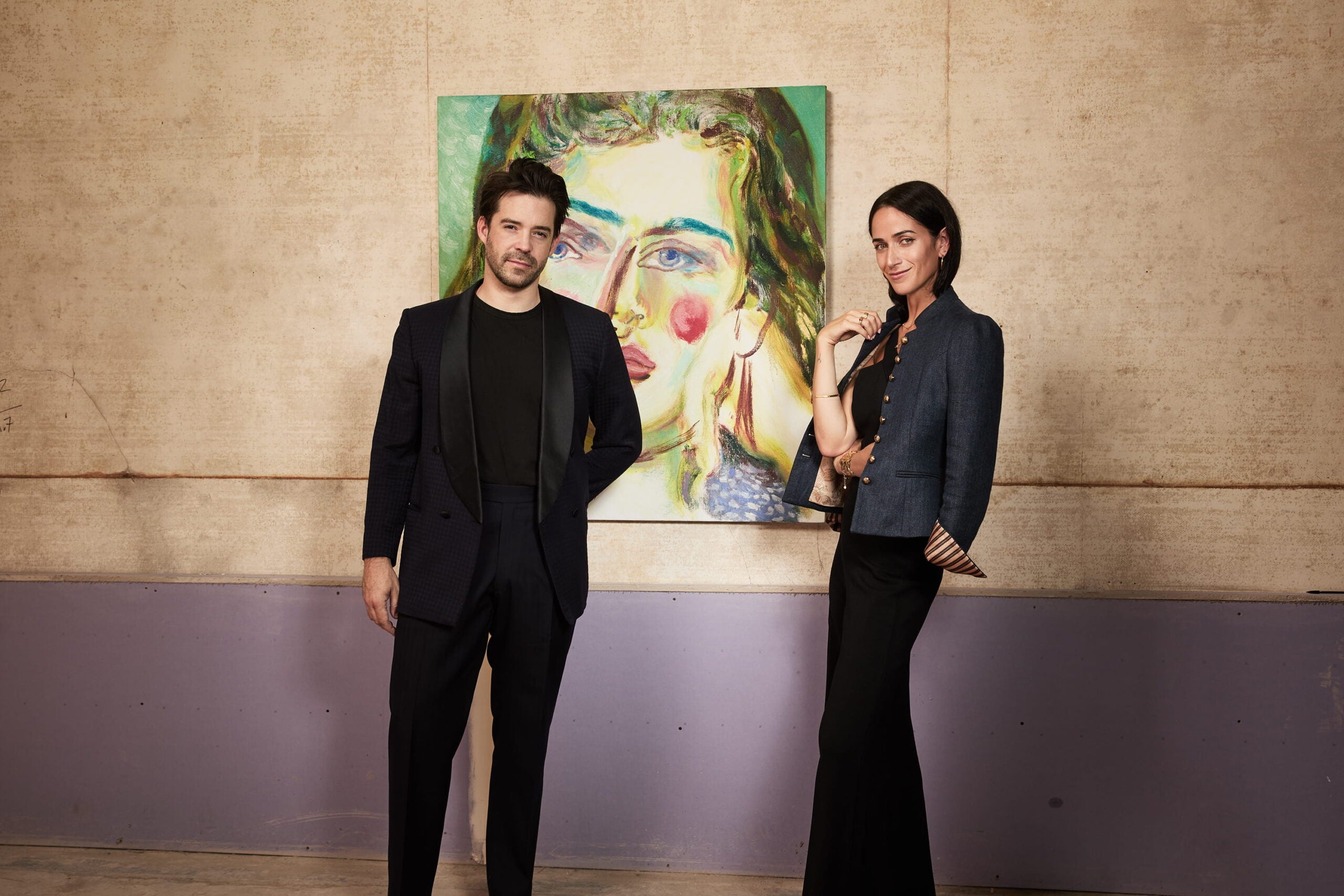
©Patrick Klinc Heuer-King and McDermott launched People’s in late 2024, and it quickly and quietly became one of the city’s hottest late-night hangouts. Although very much a member’s club on the face of it, the duo are keen to position it otherwise, referring to it instead as an ‘evening club and art salon.’ It’s true that People’s doesn’t ask membership fees, but access is highly limited and via invite from existing members only. Just like at its home location, People’s London is only admitting select invited guests, with ‘select applications considered.’ Essentially, this is very much a who-you-know type of joint.
“With People’s we have always aimed to give our guests a sense of belonging that money can’t buy, and to bring that back to the place and people that raised me is special: it’s a community I cherish,” McDermott added. “We are honored, delighted, and enormously excited to bring a little of our world back to the city that first breathed life into it.”
The founding duo have previously hinted at expansion plans beyond the New York original – could a permanent London People’s be on the cards? “Time will tell,» says Heuer-King. «We feel the appetite for it, but our hands are deliciously full in NY for the immediate future.”
-

The Secrets to Better Home Grilling, From Open-Fire Chefs
The expert tips to take you from smoky guesswork to restaurant-level control.

At its best, open-fire cooking is remarkably simple. A piece of fish, a good cut of meat, or a handful of vegetables can be transformed by little more than hot coals. In practice, though, it’s often much more difficult than it seems, and at-home attempts can lead to results you’d rather not share with friends.
So what separates restaurant-quality grilling from the average backyard barbecue? We asked some of the world’s leading open-fire chefs to share the techniques, ingredients, and small habits that make all the difference.
See more: Chef-Approved BBQ Equipment for Better Home Grilling
Expert chefs’ top tips for BBQing at home
If there’s one piece of advice every chef agrees on, it is to approach grilling with a relaxed attitude. «My biggest tip is to slow down,» says Australian chef Dave Pynt, the chef-owner of the Burnt Ends Hospitality Group, which oversees Burnt Ends and Meatsmith in Singapore.
«Light the fire, pour yourself a glass of wine or crack a beer, have a chat with your mates, and let the wood burn down into a nice bed of hot coals. That’s where the magic happens.»
Yiannis Mavrommatis, head chef at London open-fire restaurant Pyro, agrees, “Let your fire settle and build a good bed of hot coals before you start cooking,” he says.
Ollie Templeton, co-founder and chef patron at Carousel and Cometa, also stresses patience. «A common mistake is cooking too early, before the coals have fully ashed over to white, which leads to uneven heat and inconsistent results.»
“You’ll get far more control, better flavor, and a much more even cook,” adds Mavrommatis.
Once your fire is ready, the next step is learning how to control it. «One of the most important things when cooking over fire is learning how to manage heat,» says Kostas Papathanasiou, culinary director at Michelin-starred London restaurant Lita. Chef Pynt sums it up simply: «You’re managing the fire, not fighting it.»
The chefs advise creating separate heat zones, which gives more flexibility and helps avoid overcooking. For Papathanasiou, he recommends a «hot zone for searing, a medium zone for controlled cooking, and a cooler area where ingredients can rest or finish more gently.”
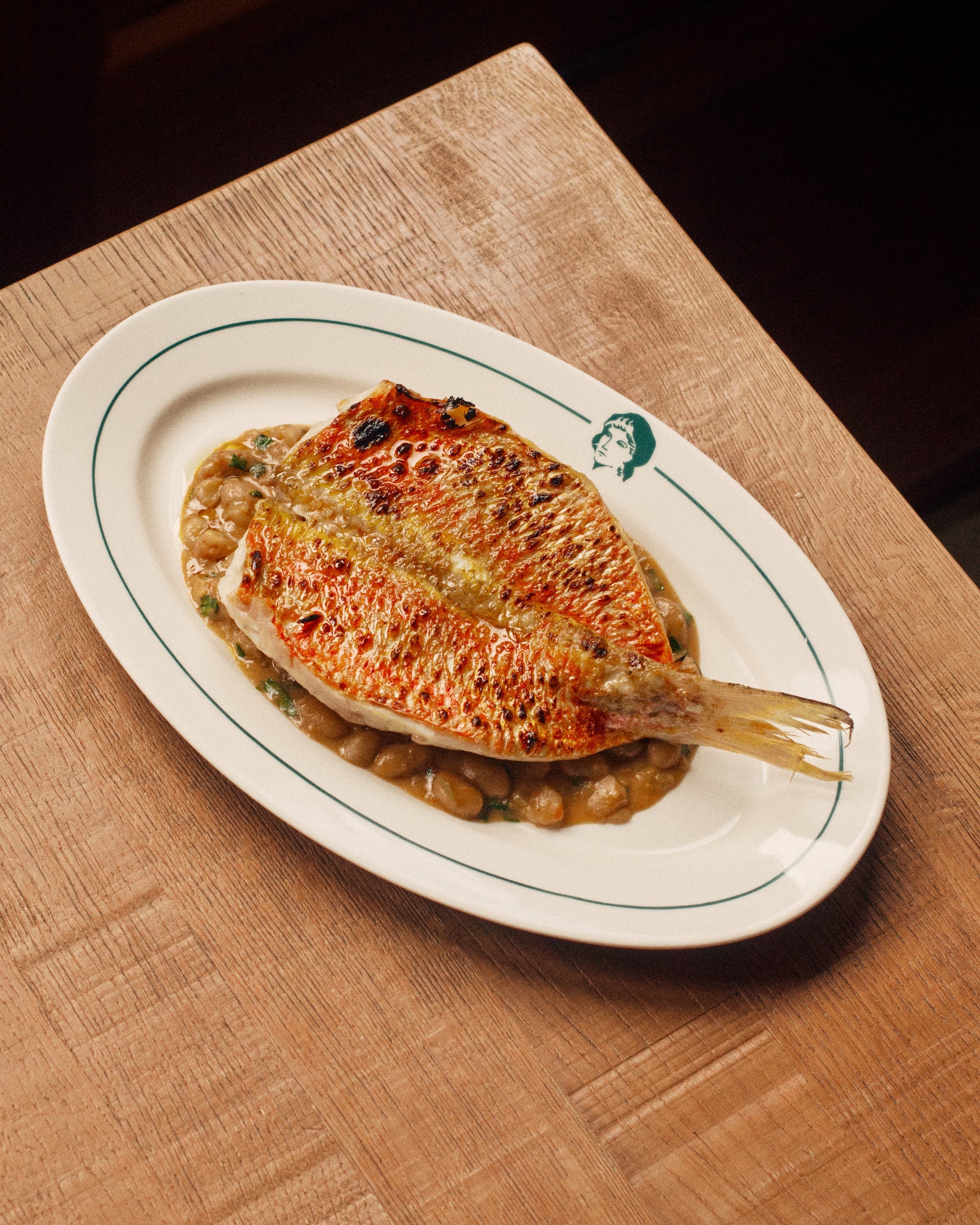
©Lita “Fire is constantly evolving and intense, so having flexibility is key,» he adds.
Ramiro Lafuente Martinez, executive chef at fellow London restaurant The Connaught Grill, recommends a similar approach, using one hot side of the barbecue for searing and a cooler side for slower cooking. «This gives you much more control, especially when cooking chicken, sausages, and thicker cuts.»
Papathanasiou also keeps «a small reserve of fresh embers nearby that can be moved around as needed,» adding: «Cooking over fire is not about controlling the flame; it’s about understanding it and working with it.»
Chef Eleanor Henson, culinary director at London’s Spring and Heckfield Place’s Hearth, also stresses the importance of the embers. “It is the embers that offer the gentlest, most even heat, allowing vegetables to sweeten, fish to remain delicate and meat to cook without haste,” she says.
The chefs also agree that great grilling starts long before food reaches the barbecue. «Start with great ingredients, season them well, and let the fire do its thing,”says Pynt.
A few simple habits can also make a noticeable difference to the finished result. «If I’m cooking meat, I always take it out of the fridge well in advance, maybe two hours or so, so it can come to room temperature before cooking. This helps it cook more evenly and develop a better crust,» says Petros Dimas, chef of Michelin-starred Makris in Athens.
Martinez, meanwhile, recommends patting meat and vegetables dry before they go on the grill, so they caramelize rather than steam.
The fuel you cook over is just as important as the food itself. While some chefs have favourite woods or charcoals, they all agree that quality matters. «I prefer charcoal made from olive wood, which burns beautifully and gives a clean, steady heat,» says Dimas.
“One trick I often use is adding aromatic herbs or spices directly onto the embers, and that makes an aromatic smoke,” adds Dimas. “Ingredients such as rosemary, thyme, or bay leaves create fragrant smoke that perfumes the meat without overpowering its natural flavor.”
But overall, patience seems to be key. “Cooking over a wood fire has a bit of magic about it, and if you respect the fire and take your time, it’ll reward you every time,” adds Pynt.
The best ingredients to grill at home
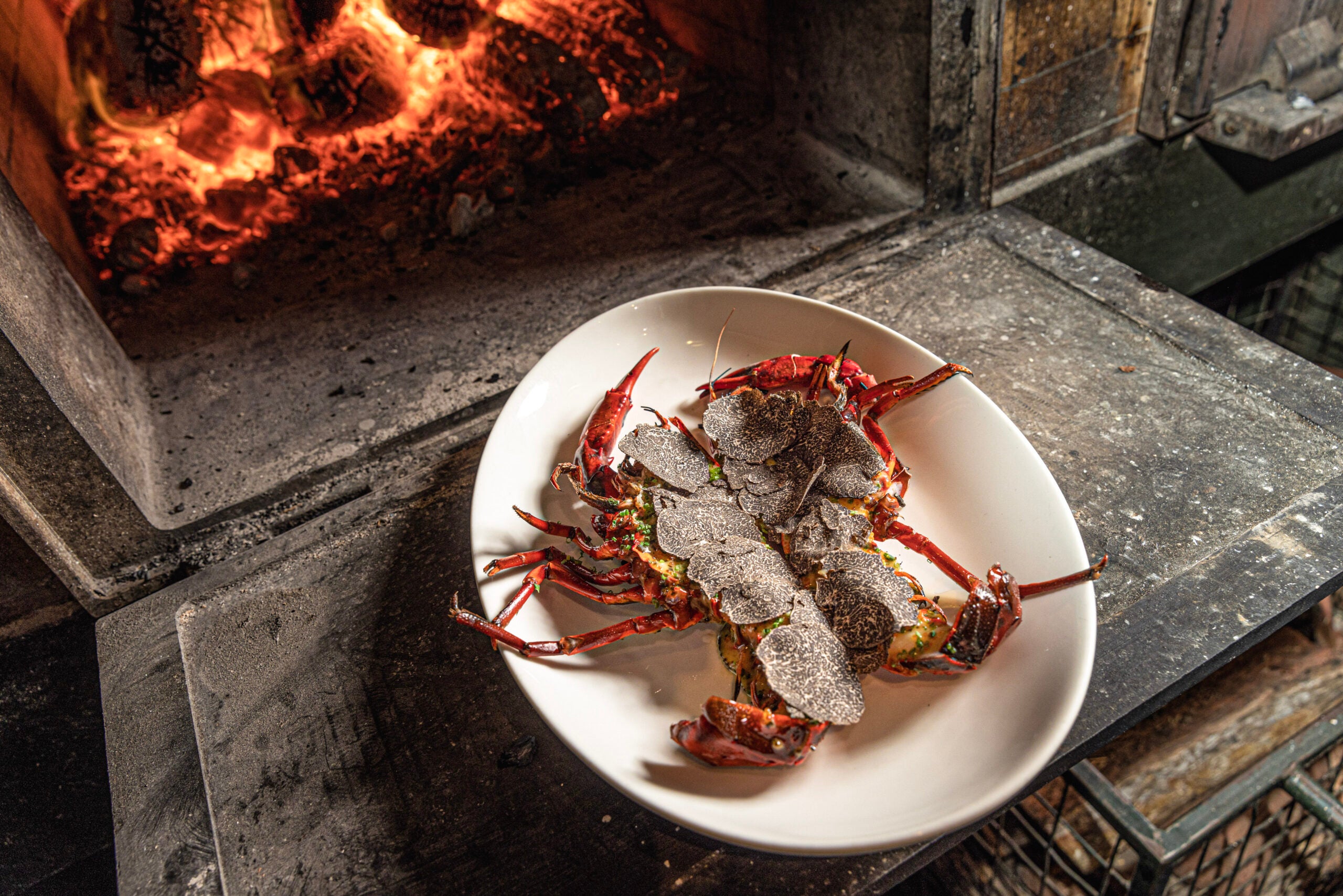
©Simon Pynt For many chefs, seafood is the ultimate ingredient to cook over fire. «Whole fish and seafood are always my first choice,» says Kostas Papathanasiou. «Fire brings out the natural sweetness and character of seafood in a way that feels both simple and sophisticated.»
When entertaining, several chefs recommend putting a whole fish in the center of the table. It’s an impressive dish that’s surprisingly simple to cook and naturally encourages sharing.
«A whole turbot cooked on the bone is probably my favourite thing to cook when entertaining,» says Mavrommatis. «It’s an incredible fish that really benefits from cooking over fire, picking up a subtle smokiness while staying beautifully moist.»
Dave Pynt also reaches for whole fish when friends come over. His go-to is a three-to four-kilo line-caught turbot, grilled directly over the coals. «I love that it’s a dish that’s meant to be shared. Everyone gathers around the table, picking through the bones with a big glass of wine, talking, laughing, and figuring out what you’re all doing next.»
The chefs are equally aligned on how to finish a whole fish: don’t overcomplicate it. Mavrommatis serves turbot with nothing more than olive oil, lemon, and fresh herbs, while Pynt dresses his with a simple pil pil made from the fish’s own juices, hot oil, and lemon, finished with za’atar and a pickled carrot and celery salad.
For more everyday grilling, Templeton recommends aged sea bream or mackerel cooked directly over the coals. He also suggests keeping guajillo and morita chillies on hand to make infused oils that can be spooned over the finished fish.
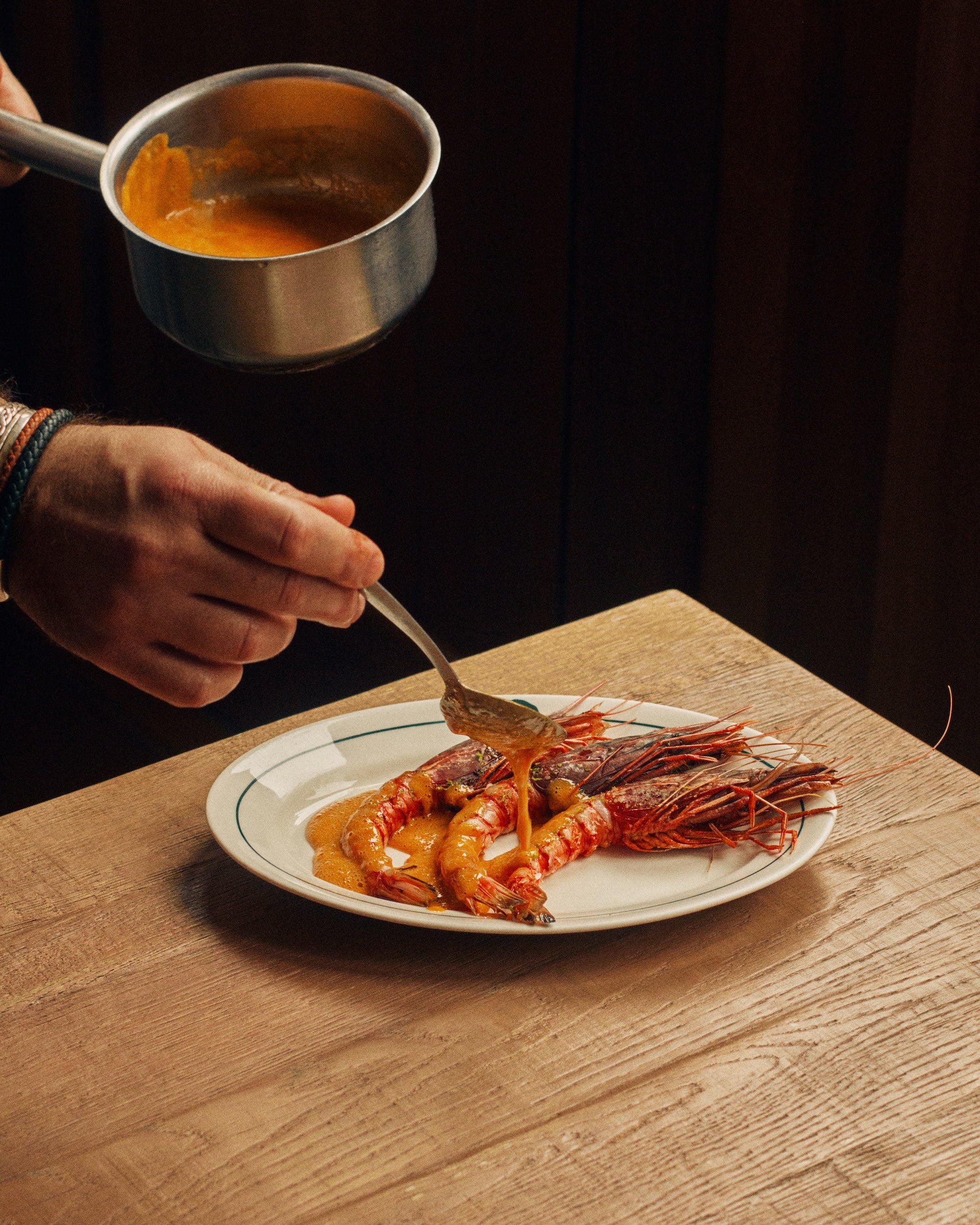
©Lita Martinez prefers oily fish for the barbecue. «Sardines and mackerel work really well on the grill,» he says, finishing them with a salsa verde made from parsley, garlic, and sherry vinegar.
When it comes to meat, the chefs agree that quality matters most. “I always return to exceptional-quality meat and simple seasoning,» says Dimas. «When the product is truly outstanding, it needs very little intervention.»
For entertaining, he reaches for premium beef cuts such as picanha or cuts from the chuck and round, seasoned simply with olive oil, salt, and freshly cracked black pepper. «For me, the flavor should come from the quality of the meat, the fire, and the cooking technique rather than from complicated marinades or excessive seasoning.»
For more forgiving options, Martinez recommends chicken thighs, which stay juicier than chicken breast and are harder to overcook. He also rates Iberico pork secreto and pluma, whose higher fat content keeps the meat tender and full of flavour over the coals.
Vegetables also deserve space on the grill. In fact, this is where Henson begins. “There’s something generous about placing a large platter of beautifully charred vegetables in the center of the table before anything else arrives,” she says. As for the vegetables of choice, Templeton recommends grilling snap peas or courgettes before finishing them with lemon, olive oil, and a spicy tomato salsa, while Henson too leans on good olive oil, lemon, and fresh herbs for seasoning whole leeks, chicory, squash wedges, or young onions, which “become wonderfully sweet over embers.”
And for dessert? Henson advises making it simple: “halved peaches or late-season figs caramelised over the fire, served with thick crème fraîche.”
-
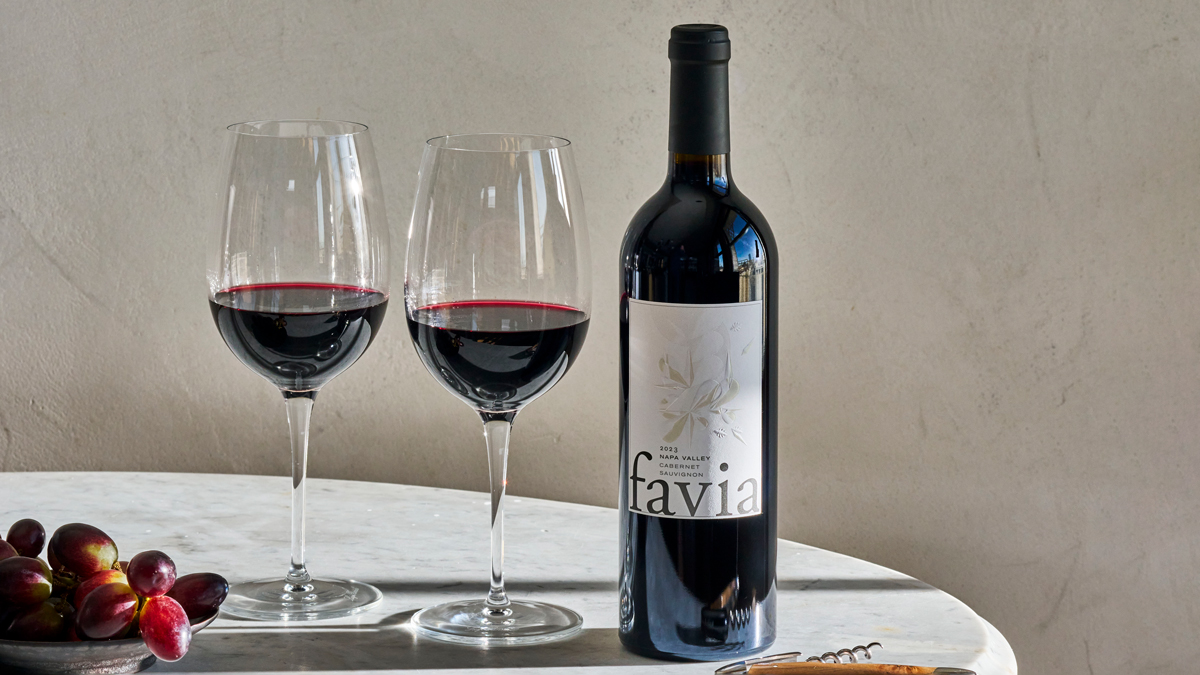
A Napa Valley Power Couple Is Back Making Amazing Cabernet Sauvignons
Favia discontinued its Valley cuvée in 2013 to focus on single-vineyard wines, but it just made a stunning return. Favia discontinued its Valley cuvée in 2013 to focus on single-vineyard wines, but it just made a stunning return.
-

Do Sleep Clinics Really Work?
If there’s one area of wellness that is continuously discussed, researched, optimized, and debated… it’s sleep.

If you’re one of many (myself included) who scrutinize the sleep data from your wearable every morning and panic if your sleep score falls below a certain number, adamant that now your day will be catastrophically ruined, you’re not alone.
The National Heart, Lung and Blood Institute states that between 50-70 million Americans have sleep disorders, and one in three do not get the recommended amount of sleep to protect their health. In the UK, a study by the Mental Health Foundation showed that the average UK adult only gets three nights a week of good quality sleep, and four in ten say that poor sleep negatively impacts their mental health.
So, it’s hardly surprising that the global sleep tourism market has taken note and acted accordingly. A study by Fortune Business Insights states that the market is estimated at $96bn and projected to increase to over $265bn by 2034. According to the Global Wellness Institute, 91 percent of frequent travelers are willing to pay up to 10 percent more for sleep-enhancing amenities while on the road.
Beyond hotels that offer sleep enhancers — The Cadogan in London has an on-site sleep concierge that works with a hypnotherapist; the Park Hyatt New York has a sleep suite with a smart bed that uses AI to adjust and reduce pressure points as you move; Andronis Concept in Greece can adapt meals to enhance sleep — there are more intensive sleep clinics.

Andronis Concept in Santorini, Greece But do they really work? Dr Chelsie Rohrscheib, neuroscientist and head sleep researcher at Wesper, thinks it’s possible.
“When patients are evaluated at an accredited sleep clinic and receive an accurate diagnosis, sleep clinics can be highly effective. Sleep medicine is a specialized field because there are more than 80 recognized sleep disorders, many of which can have similar symptoms,” she says. “The first step is identifying the underlying cause of a patient’s sleep complaint. Once a diagnosis is made, many sleep disorders respond well to treatments such as medications, medical devices, behavioral interventions like cognitive behavioral therapy for insomnia (CBT-I), or lifestyle modifications.”
She notes that the most common sleep disorders (sleep apnea, insomnia, restless legs syndrome, circadian rhythm disorders, narcolepsy, and hypersomnia) do respond well to treatment, but the hardest ones to treat are those without a single underlying cause or definitive cure.
Chronic insomnia, especially, is challenging as it’s influenced by many factors that can’t necessarily be treated in a sleep clinic alone: “Circadian rhythm disorders can be difficult when work schedules or lifestyle prevent patients from maintaining consistent sleep timing. Complex cases involving multiple sleep disorders or chronic medical conditions also require ongoing management rather than a one-time treatment.”

Chenot Palace Weggis in Switzerland ©Alex Teuscher Some of the world’s more medical-focused spas and retreats have dedicated sleep programs for deprived guests. Lanserhof, sitting on a high spine plateau in a Tyrolean village in Austria, is one of Europe’s leading medical spas. Its sleep programs begin with an in-suite assessment using polysomnography — an overnight sleep study that monitors brain waves, eye movements, heart rate, oxygen levels, and body movements. An individual ‘sleep cure’ is created based on the results — specifically on the regeneration of the gastrointestinal tract because it ensures balanced melatonin and serotonin levels, meaning they are responsible for a good night’s sleep.
I visited Chenot Palace in Weggis, not for its sleep offerings (the sleep cycles program is extensive) but for a detox. Even then, I noticed that I was sleeping at least ten hours a night; an unheard of stint for me and my usual max of six hours of broken shut-eye. The change in my stress levels, diet, and overall wellbeing was surely a contributing factor.
To answer the question: Sleep clinics can work, but with a few caveats. Some might offer a reset that your body needs, but the underlying problem needs addressing — to understand why you’re not sleeping. It might not be fixed in a single visit, but in a longer term plan that combines better habits, medical assistance, and sustainable lifestyle changes.
-

This Westchester County Home Blends Modern Engineering With Sleek Design
The Lower Hudson Valley home employs advanced steel reinforcements to enhance durability. The Lower Hudson Valley home employs advanced steel reinforcements to enhance durability.
-

The Most Stylish Gifts to Celebrate America at 250
From commemorative collectibles to refined Americana, these are the luxury buys bringing a celebratory touch to America’s 250th birthday.

-

Baltic’s New 80-Foot Sailing Yacht Is a Lean, Green, Racing Machine
The first 80 Café Racer will definitely grab people’s attention on the seas. The first 80 Café Racer will definitely grab people’s attention on the seas.
-

The Future of Fashion Illustration in the Era of AI
Two illustrators reflect on the art as machine-made imagery becomes part of the design process.

Fashion illustration has never simply been about recording clothing. Before photography, it was the main way fashion designers communicated ideas and how the public encountered new styles of dress, through early printed journals in 17th-century France and England.
But photography did not erase illustration. In many ways, it freed it. Once it was no longer bound to accuracy, in the 20th century, illustration moved toward stylization, abstraction, and interpretation, giving rise to some of the artform’s most recognizable names such as René Gruau, Erté, and Antonio López.
Fashion illustration occupies this unusual position in the industry as somewhere between design tool and cultural expression. “Fashion illustrators don’t design clothes; they help sell the dream,” is how Elyse Blackshaw puts it. As the London-based illustrator explains, in practice, that “dream” is rarely about garment detail but capturing a designer’s vision, whether through movement, mood or atmosphere.
And yet, it is precisely this interpretive, human quality that is now being tested by the rise of AI-generated imagery.

©Unsplash A growing number of platforms – including LOOK AI, a browser-based system that converts sketches into rendered garments, fabric simulations, and flat-lay imagery – position themselves as accelerators of the design process. They promise speed, iteration, and accessibility. But while LOOKAI maintains “final technical drawings and construction still require human oversight”, as Blackshaw warns, perception often moves faster than disclaimers.
For many illustrators like Blackshaw, that gap between assistance and replacement is less reassuring than it appears. Jacqueline Bissett, who has worked in fashion illustration for nearly four decades, is direct in her response to AI-generated imagery. “I hate it – it’s so flat and lifeless,” she says.
Blackshaw frames the unease differently, but no less sharply. “My biggest concern is opportunity, especially for emerging creatives,” she says. If brands begin to default to AI for speed and cost, the entry points that traditionally sustain young illustrators begin to narrow. The impact is not only fewer commissions but a thinning of the wider industry: fewer routes into publishing, editorial work, and brand collaboration, and ultimately a narrowing of visual culture itself. “AI is trained on existing imagery, which means it often reinforces the same aesthetics,” she adds. What emerges, she suggests, is repetition rather than invention.
Still, neither illustrator positions the technology as purely antagonistic. Blackshaw acknowledges that AI can serve a functional role, particularly in early ideation or administrative efficiency. But she contends that benefit within wider concerns, such as environmental cost and ethical ambiguity.
What AI cannot replicate, both argue, is the embodied nature of the work itself.

©Unsplash “Fashion illustration offers something that AI simply can’t replicate: a real human, emotional, spontaneous response,” Blackshaw says. It is not only the image that matters, but the conditions under which it is made – the immediacy of a live runway sketch, the unpredictability of movement, the atmosphere of a room, the presence of an audience. For Bissett, that dimension is inseparable from performance. “Working spontaneously in person – AI could never do that,” she says.
“Every mark made holds history and memory,” Blackshaw says. It is this accumulation of training, observation, repetition, and lived experience that gives real-life illustration its emotional density. Increasingly, it is also what clients respond to. Even within a digitally saturated industry, Blackshaw notes that hand-drawn work is often chosen over more polished or enhanced versions precisely because of its irregularity. Imperfection, in this context, reads as authenticity.
So where does fashion illustration go from here?
Neither illustrator predicts decline. Historically, moments of technological disruption have not erased illustration but recalibrated it. Photography did not end it; computers did not either. “It just pushed me to be better,” Bissett says of earlier shifts in the industry. Blackshaw is similarly optimistic, albeit cautiously so. If AI becomes visually ubiquitous, she suggests, human-made illustration may become more valued, not less – precisely because it resists automation.