Passport? Check. Membership? Required.
Discover how family connection comes naturally at Six Senses resorts.
Wellness speaks to how we live, rest, move, and find meaning. That’s why connection is key. Gathering with the people we love, the shared moments in nature, and the space to simply be. When you’re bringing the whole family, however, it also has to run on a flexible schedule: the youngest wants the pool before breakfast while the teens sleep in. That’s why, across the globe, extraordinary beachfront and overwater villas and suites at Six Senses offer lively pool decks, secluded corners, and a Guest Experience Maker to weave it all together. Little ones, wise ones, and plus-ones each find their place and rhythm for it all to flow together.
Discover three resorts made for family stories and wellbeing in Fiji, the Maldives, and Vietnam.
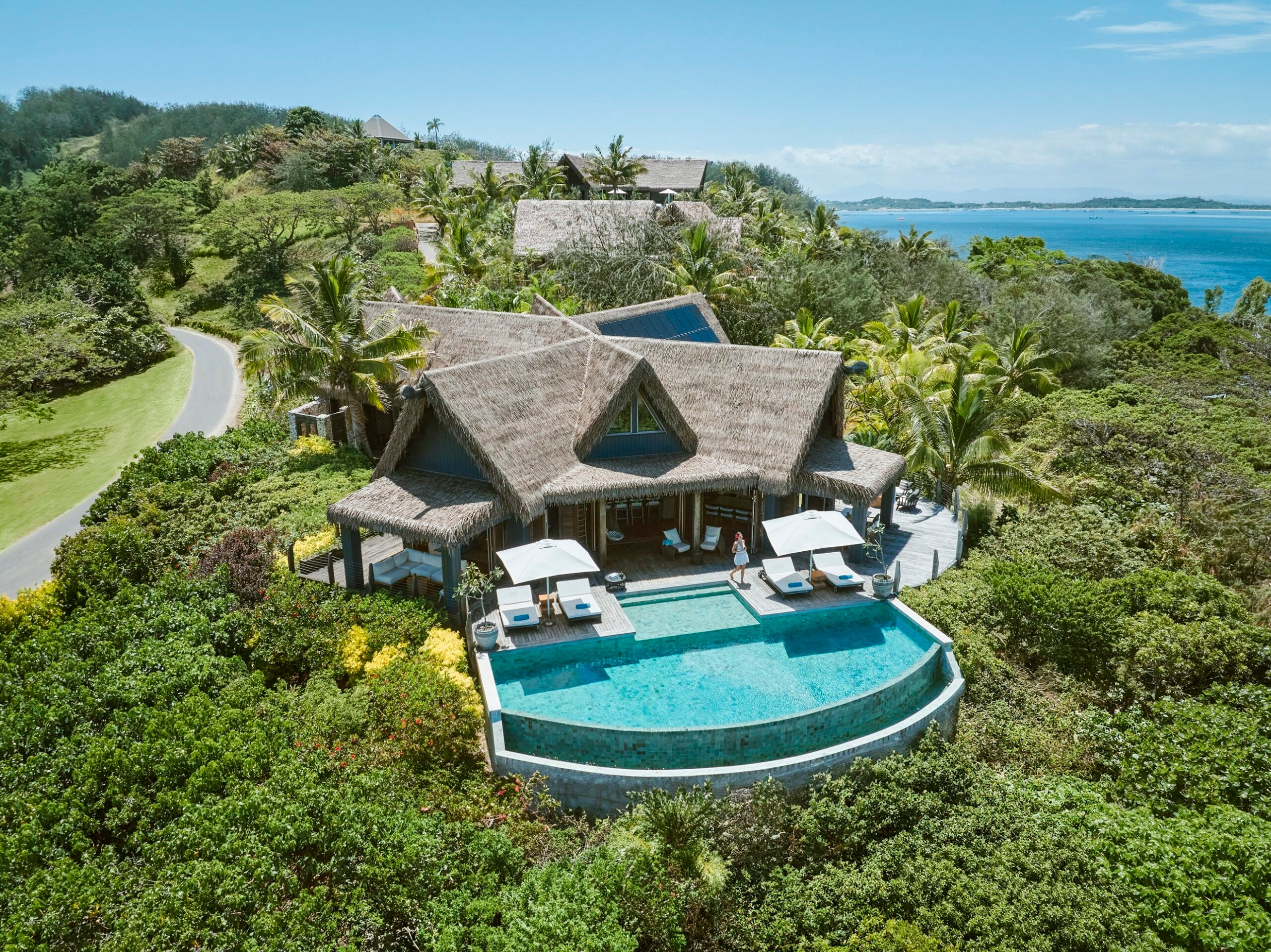
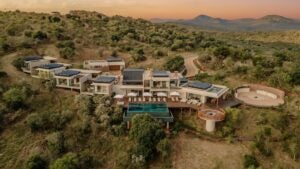
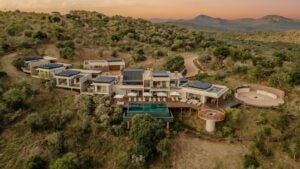
Life doesn’t get more tropical than at Six Senses Fiji on the lush volcanic island of Malolo, where a white-sand beach shelves into a reef-fringed bay. New for guests this season are three new Beachfront Residences that sit side by side along a private stretch of shoreline. Designed for larger gatherings, they bring everyone together for a fun family vacation while leaving plenty of space to spread out.
Each offers five or six bedrooms, direct access to a private beach with marina, lawn-framed pool, shaded cabana, and vibrant artwork and artifacts placed throughout a breezy indoor-outdoor design. The water is the natural draw: Surf With Six Senses rides the world-class Cloudbreak reef, while Coral Gardeners run conservation programs on the third-largest barrier reef in the world. Complimentary resort nannies are on hand to keep little ones included in the fun.
Fijian soul shines through everything. This warmth is felt by guests, who can join warriors and performers for traditional local dances around the kava bowl or create aromatic spa blends from medicinal plants for the signature bobo massage.
See also: Wellness Comes With Soul at Six Senses
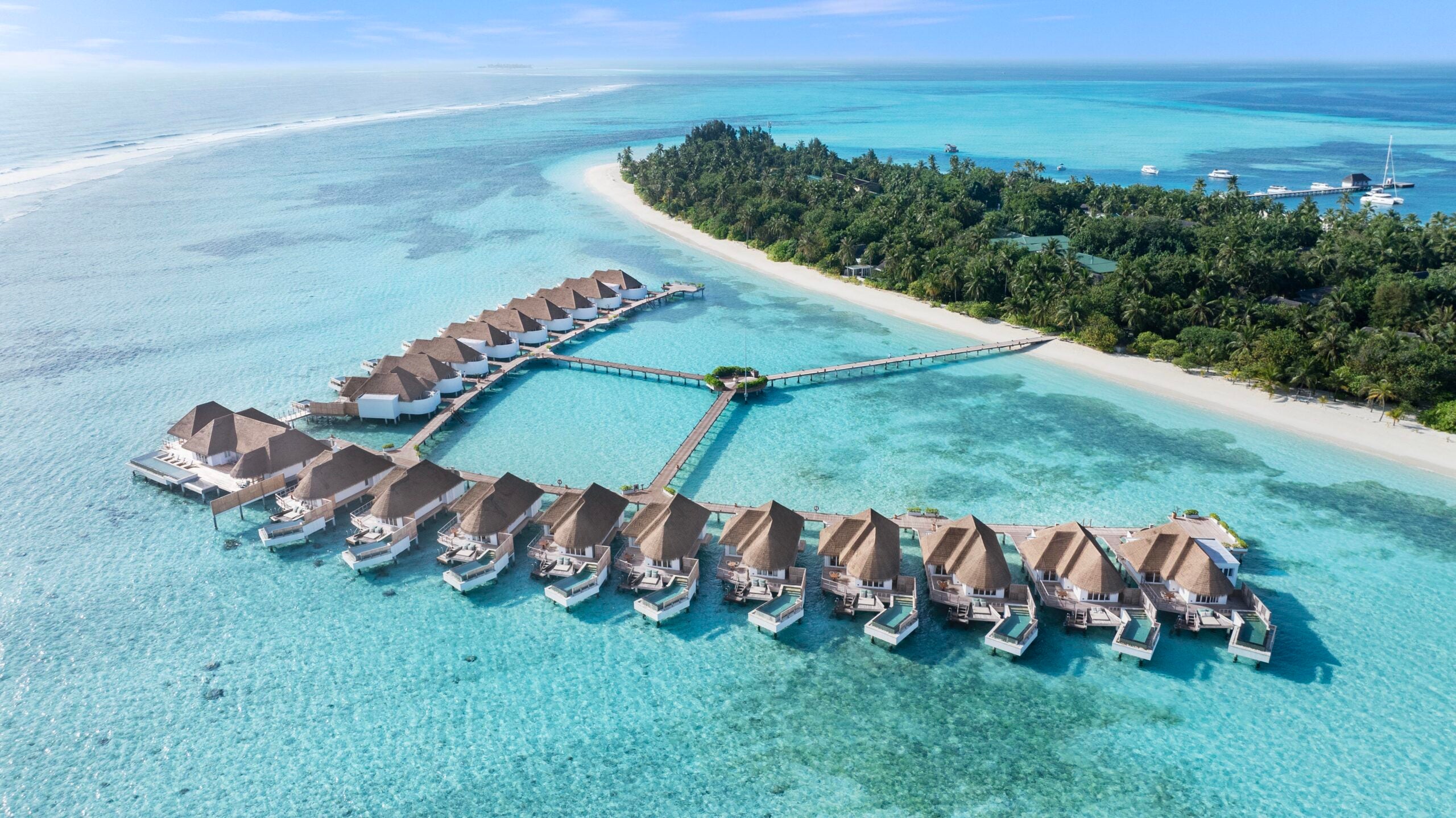
Days find their own rhythm at Six Senses Kanuhura, which stretches across three private islands in the Maldives. The largest Beach Retreats open directly onto pool terraces, with the clear ocean picking up just beyond. Breakfast is leisurely on the main island, with the option of a castaway lunch at Drift, the private-island restaurant on Jehunuhuraa, where the lagoon reaches the edge of the table.
Children are at the heart of the adventure through Grow With Six Senses wellness experiences, whether taking to the air during flying yoga or taking their first underwater breaths during trial scuba sessions in the Sip & Sand pool. Manta-ray snorkeling runs year-round, while turtle hatchlings take over the beaches from August to November. As evening falls, Mindful Stargazing brings telescopes trained on the constellations, with singing bowls and the ocean keeping time below, while all-time classics play under the stars at Cinema Paradiso.
See also: Six Senses Brings Calm to the City in London, Kyoto, and Rome
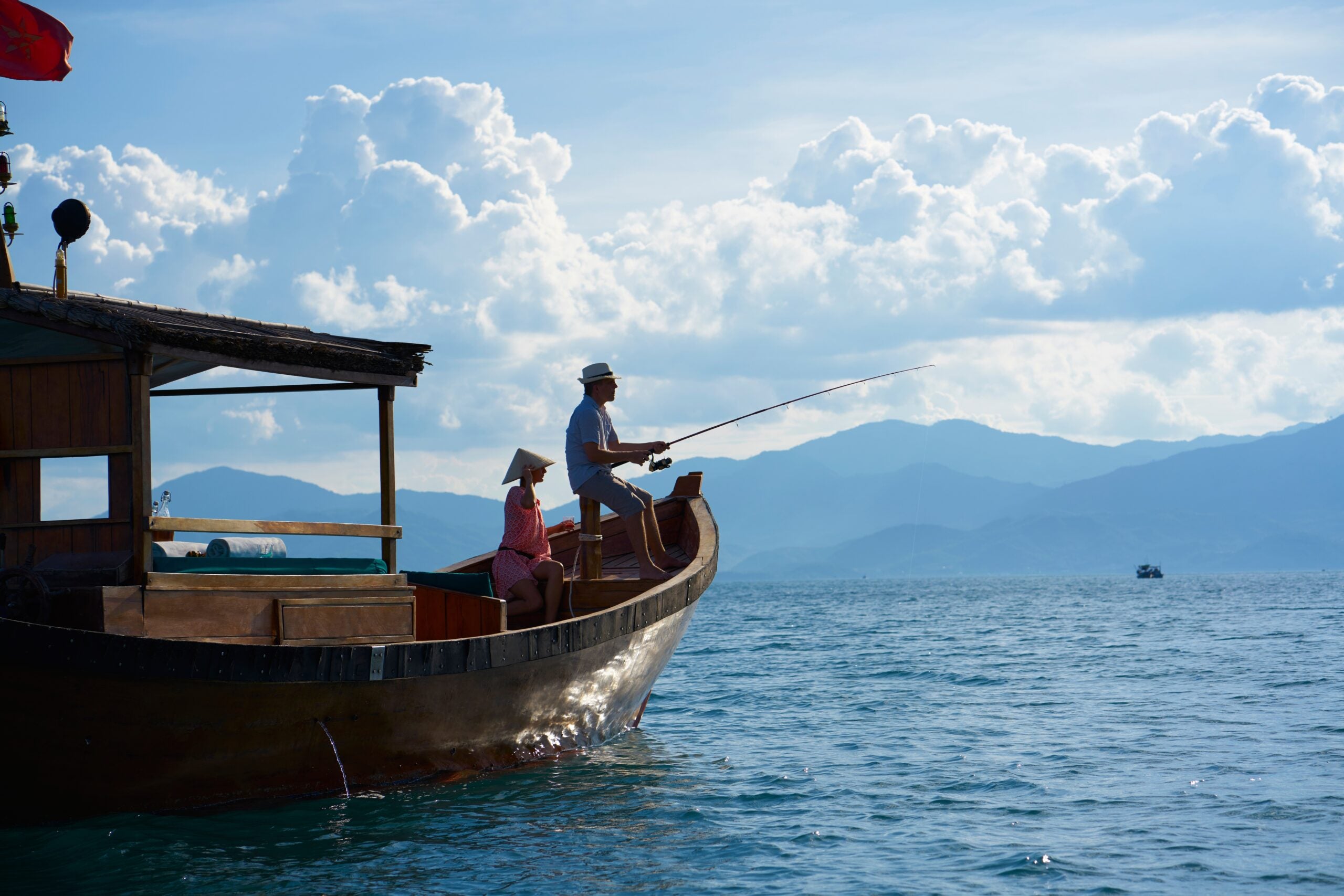
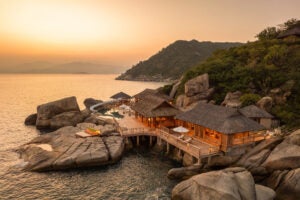
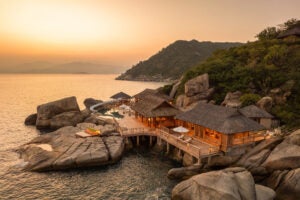
The adventure begins before arrival at Six Senses Ninh Van Bay, reached by a 20-minute boat ride across the East Vietnam Sea, where dramatic rock formations and forested mountains signal a sense of separation from the everyday. Of course, sliding into the Water Reserve or Rock Retreat via a waterslide plunge is arguably the best way to arrive in style.
Experiences are designed to flex between generations, creating space for connection without structure feeling imposed. Hands-on discovery in the Earth Lab, where upcycling and conservation become creative workshops, flows into time on the water or along the coast. Younger guests are welcomed at Grow With Six Senses, where arts, crafts, ecology, and sport turn curiosity into adventure at Vooc Village.
At Six Senses, it is less about what is planned and more about what is shared, drawing families back, generation after generation. Book your experience here.
Restorative rituals bring new rhythms to the world’s greatest cities.
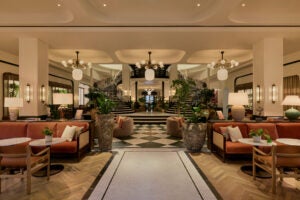
Alluring resort locations have long been the essence of the Six Senses global offering, but away from sandy shores and mountain peaks there is a new type of urban adventure emerging. Located in prime neighborhoods, Six Senses is redefining the city stay as a restorative escape amid the hustle and bustle of cosmopolitan life.
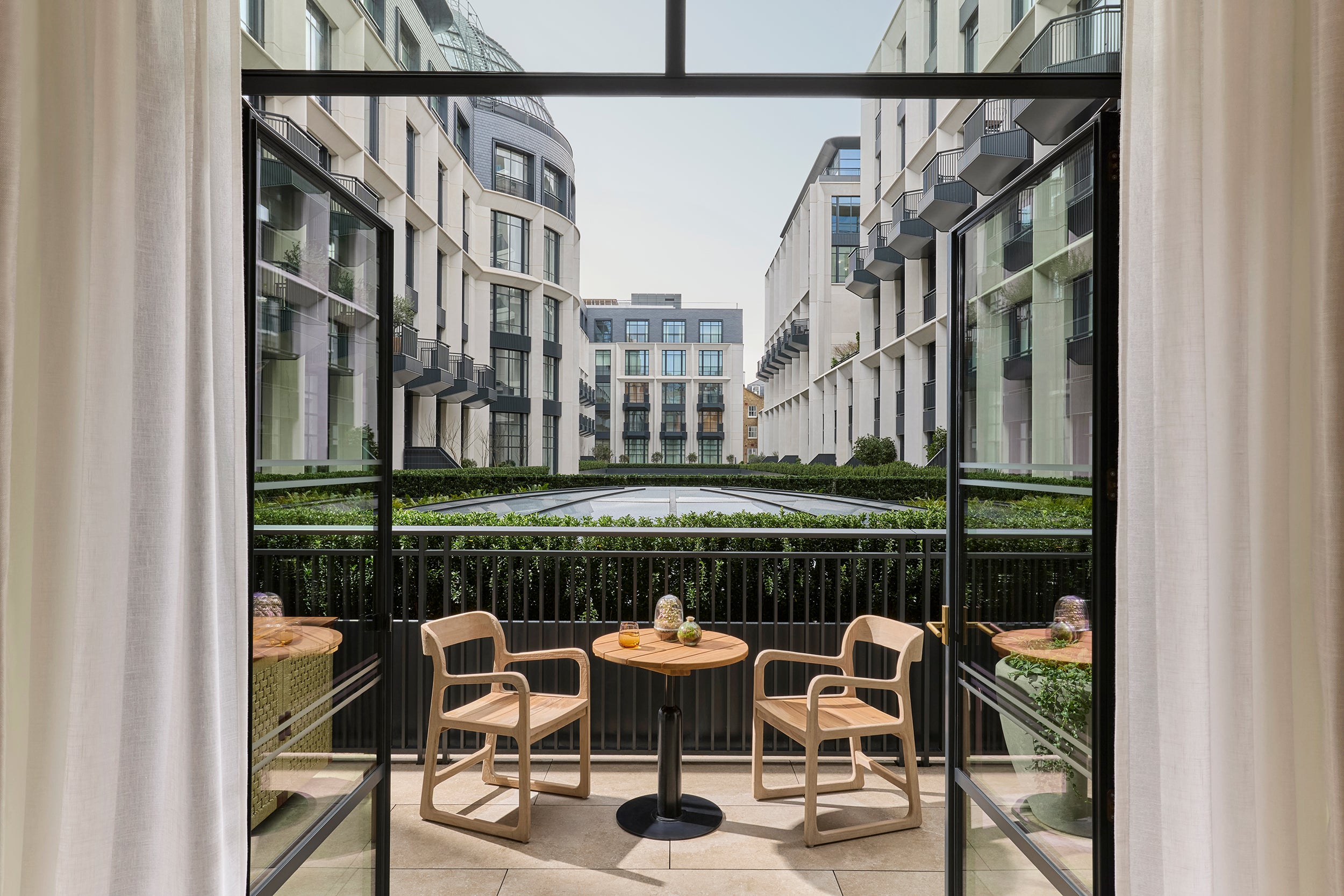
One of the brand’s newest hotels is Six Senses London, which opened in March 2026, having reimagined a historic West London landmark with purpose and care. Inside former shopping emporium, Whiteleys, the rooms and suites blend the building’s Art Deco heritage with modern sleep science. The result is a tactile retreat just steps from Hyde Park’s calm and Notting Hill’s color. The restaurant offers bold, modern British cooking and boasts its own fermentation lab.
Demonstrating its seriousness about wellness, Six Senses London hires its own alchemists and herbalists and dedicates an entire floor to the spa, which brings together high-tech treatments and timeless rituals, from cryotherapy to flotation in the magnesium pool. Experiences include gin distilling masterclasses and glass blowing sessions at the UK’s premier studio as well as bear hunts taking little ones through the streets of Paddington to rescue the eponymous bear in time for tea.
See also: Discover How Family Connection Comes Naturally at Six Senses Resorts
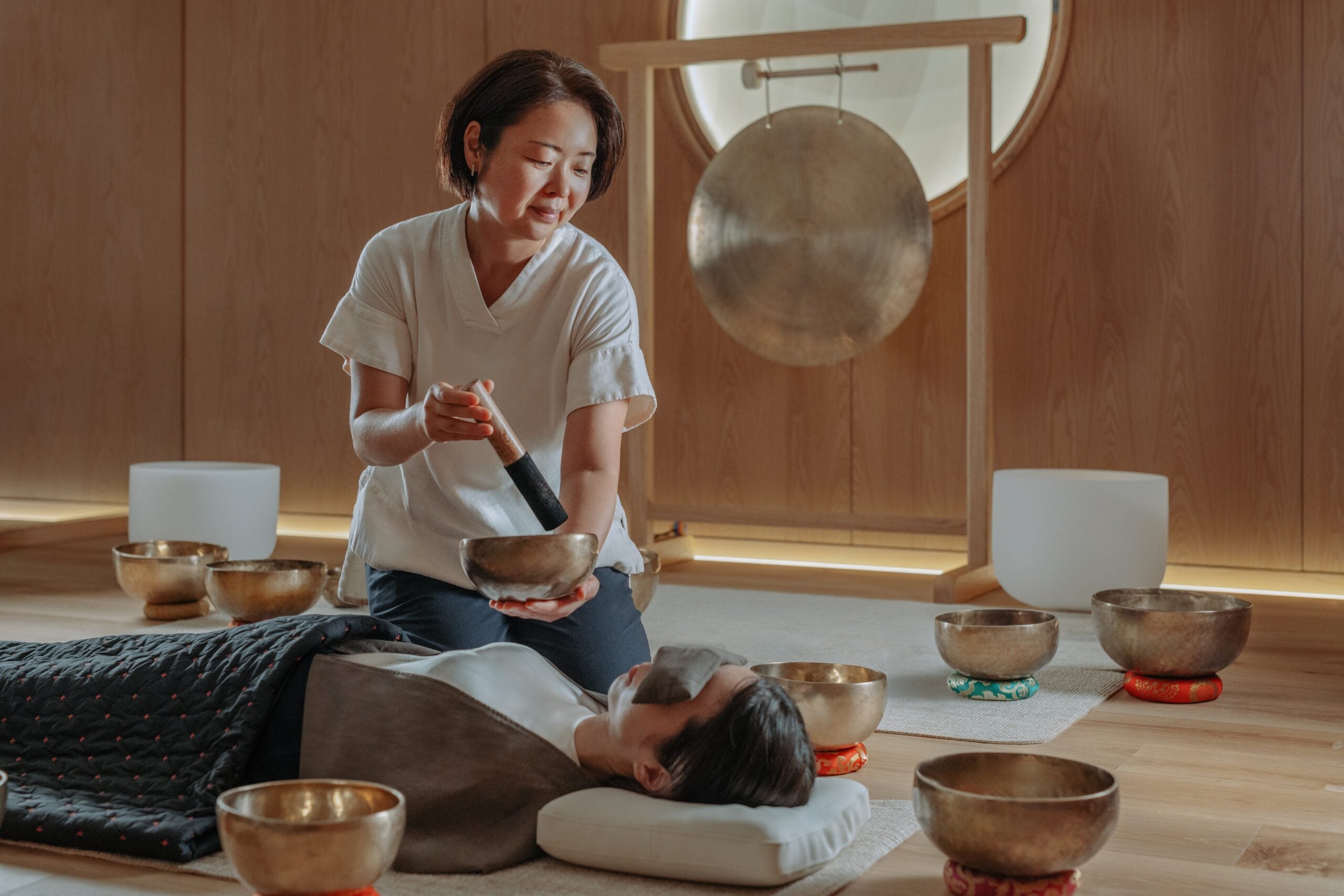
At Six Senses Kyoto, the focus shifts to Japanese Zen culture and micro seasonality. Meditative Ah-Un massages and muscle-soothing soaks in onsen-inspired baths ease guests into the historic heart of Japan. Sekki restaurant is a lively journey through Japan’s 24 solar terms with freshly harvested produce embodying the Eat With Six Senses philosophy.
Guests can also master the art of karate in the cooling shade of Maruyama Park’s cherry trees, learn the secrets of the perfect dashi broth, and explore the region’s distinctive spirit profiles via a whisky-tasting workshop.
See also: Wellness Comes With Soul at Six Senses
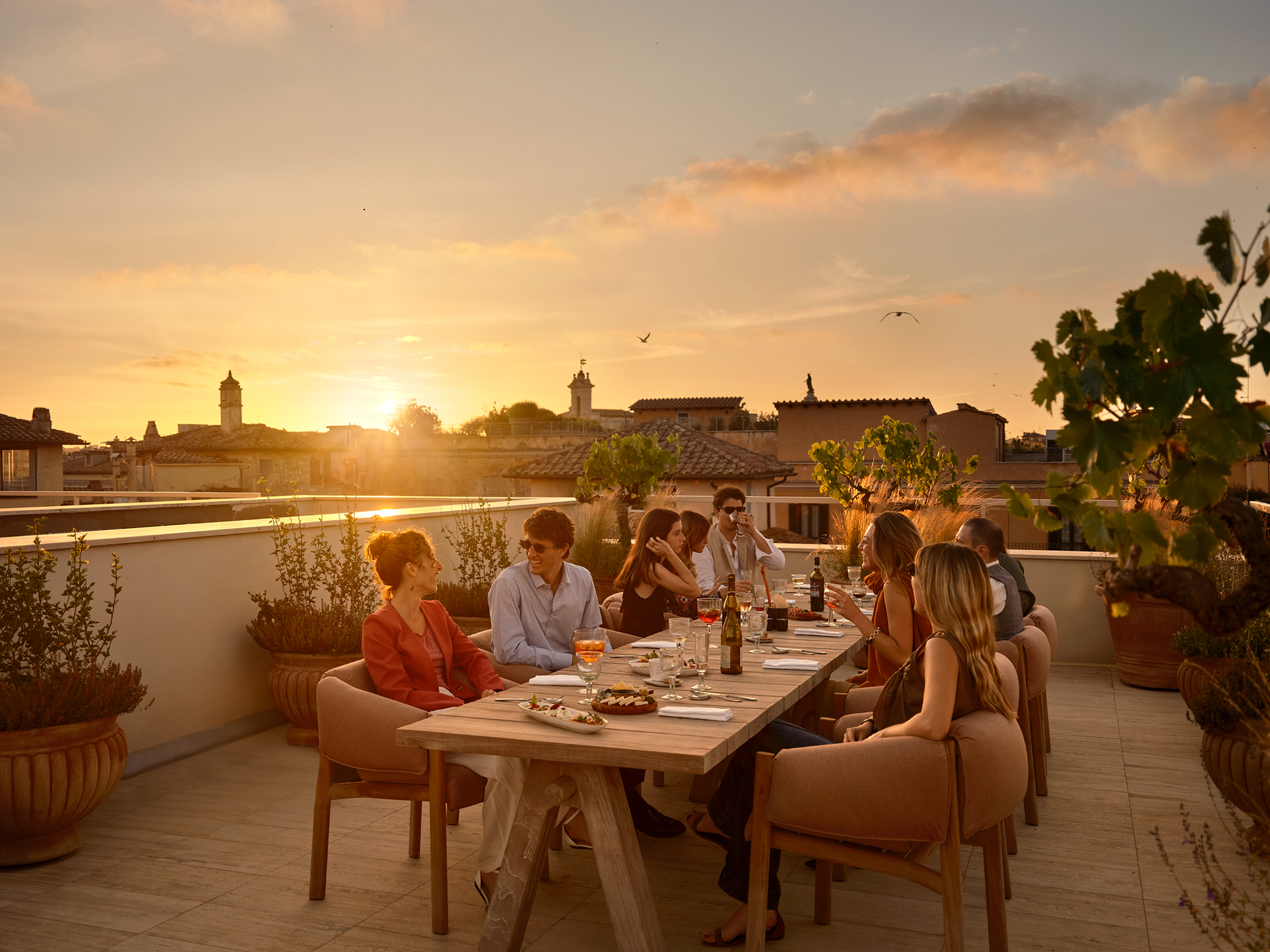
The Romans were bathers, and at Six Senses Rome, the spa carries the tradition on with a new take on the ancient art of contrast therapy. Guests are invited to journey through a circuit of caldarium, tepidarium, and frigidarium pools before venturing into science-backed biohacking and recovery therapies.
Beyond the spa, Rome’s artistic heritage is celebrated through mosaic-making and art therapy workshops, which settle the mind through color and meditation. Up on the aromatic NOTOS roof terrace and herb garden, sharing platters arrive as the sun sets and the stars take over. For an intimate peek at the city’s wonders away from the crowds, Private Vatican visits at dawn and dusk, along with walking tours in Caravaggio’s footsteps, reveal another hidden layer to the Eternal City.
With Six Senses, the world’s greatest cities move to your pace. The calm follows you home. Book your experience here.

They’re younger, richer, and building fortunes in AI rather than family dynasties. Here’s what’s driving the changing face of private aviation.

Maybe you’ve noticed it while waiting in the FBOs. The passengers boarding beside you look a little fresher-faced than they used to. Perhaps your children, or even your grandchildren, have stopped asking to borrow the jet card because they’ve acquired one of their own. No, it isn’t your imagination or the increasing fear of your own mortality. The world’s private jet passengers really are getting younger.
Speaking to the Financial Times, Flexjet chief executive Andrew Collins revealed that the company’s average customer age has fallen by a decade. And across the industry, as Knight Frank’s 2026 Wealth Report reported earlier this year, a record 47 percent of first-time private jet flyers are now under the age of 45. In a market once dominated by senior business leaders and inherited fortunes, a new generation is joining the high-flyers club.
AI, technology companies, and digital assets are creating fortunes at a pace few industries have witnessed before. Collins referenced AI in particular as a growing source of clients, alongside entrepreneurs who have benefited from booming technology markets and cryptocurrency. He also pointed to “watershed” liquidity events, such as the SpaceX IPO, that were encouraging newly wealthy founders to splurge more on experiences like private aviation.

The numbers support FlexJet’s narrative, as according to UBS’s Global Wealth Report 2026, released earlier this week, nearly one million new millionaires were created in 2025. The US is responsible for almost half of that growth, with an average of more than 1,200 new millionaires welcomed into the higher tax bracket every day. The world’s billionaire population also expanded by more than 13 percent to over 3,300 individuals, with the largest concentrations in the US, mainland China, and India. While wealth becomes ever more concentrated at the very top, it is also becoming younger, more entrepreneurial, and increasingly global.
See also: The Superyacht Hotspots of 2026 Have Been Revealed

Where these new private jet passengers are traveling also reveals more in the story. Sure, traditional routes between New York, London, and Miami continue to grow, but the fastest-growing connections, between Jeddah and Riyadh, Abu Dhabi and London, and Nantucket and New York, hint at changing lifestyles rather than business demands. In fact, VistaJet reported flights between Abu Dhabi and London surged by 238 percent in 2025, reflecting the Middle East’s growing importance as both a financial powerhouse and a home base.
Of course, these patterns don’t exist in a vacuum and instead mirror a much wider shift in the redistribution of global wealth. The UBS 2026 report found that Europe and the Middle East recorded the strongest regional wealth growth in 2025, with wealth rising by almost 18 percent in the regions.
Private aviation has always relocated to where wealth is created, and as it becomes younger and more global, the profile of the passengers stepping aboard is changing with it, too.

Deliveries of the model’s fifth generation will begin in October. Deliveries of the model’s fifth generation will begin in October.
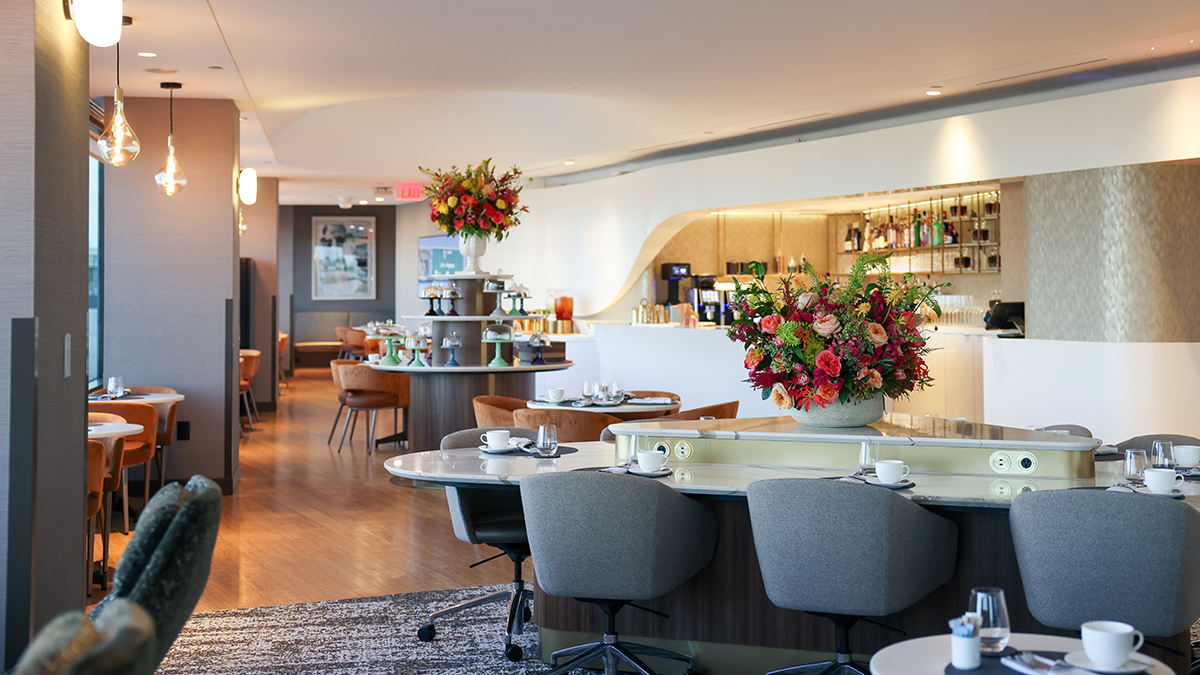
It is positioned as a quieter, more cozy alternative to the existing lounge in Terminal 3. It is positioned as a quieter, more cozy alternative to the existing lounge in Terminal 3.
The team behind Sale e Pepe has opened a new outpost at The Langham.
London has long had a love affair with Sale e Pepe. First opened in Knightsbridge in 1974, the much-loved Italian restaurant has hosted an array of famous guests including actor George Clooney. Now, the brand has taken a stylish detour to the coast with the arrival of Sale e Pepe Mare at The Langham on Portland Place, less than a five-minute walk from Oxford Circus.
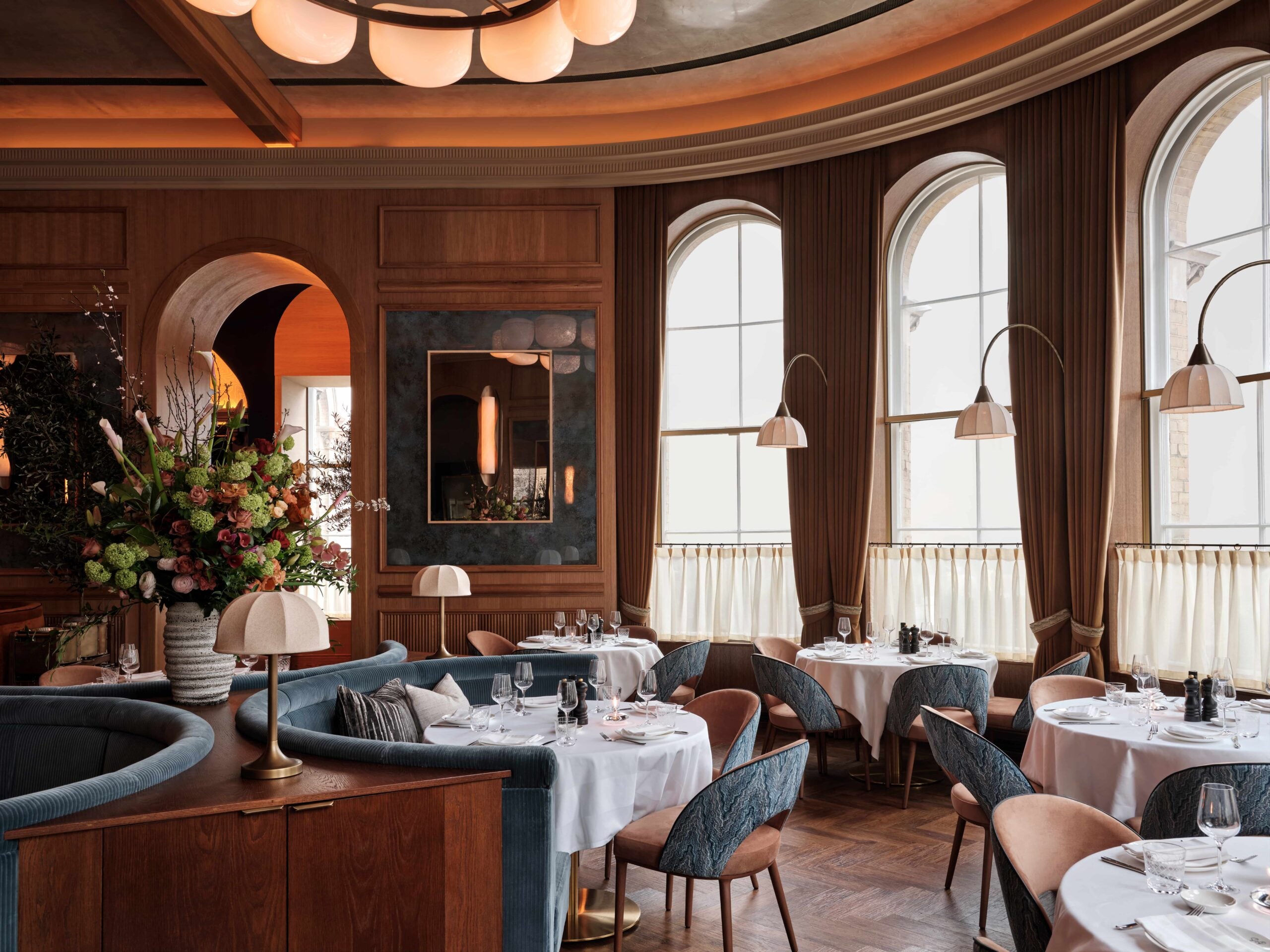
It occupies the space once home to the Roux at the Landau and, more recently, the short-lived Mimosa – a restaurant whose brief tenure barely left a footprint in the storied hotel. As expected, the interiors are a dramatic departure from their predecessors. Warm wood panelling and burnt orange and soft blue tones evoke the escapist glamour of la dolce vita without being too try-hard. Meanwhile, timber, marble, and brushed brass work hard to make the space feel inviting and modern. The dining room has striking bow-windows, shielded by café-style curtains that offer just enough privacy from the city outside.
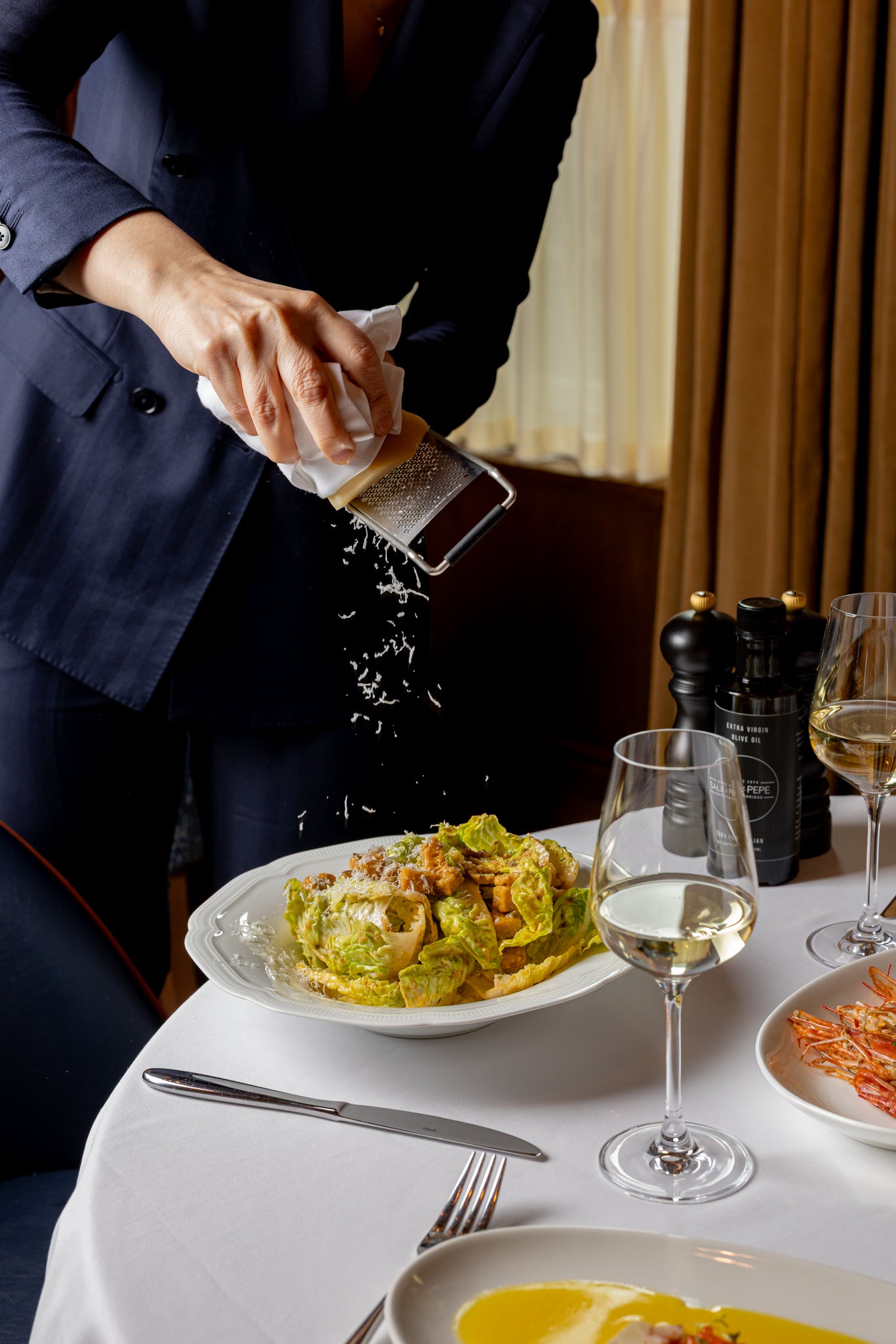
On arrival, I was swiftly shown to a table by said windows (arguably the best seats in the house, so they’re well worth requesting when you book). To my left, a table of animated American businessmen; to my right, a stylishly dressed mother enjoying dinner with her teenage son. It was a snapshot of the restaurant’s broad appeal; a place equally suited to business dinners as family occasions.
The menu charts a journey along Italy’s coastline, from Amalfi to Puglia, and is described as ‘an ode to life by the sea.’ Seafood takes center stage, with the main affair being the frutti di mare, a collection of calamari, langoustines, prawns, scallops, mussels, and oysters. I had to pry my eyes away from this after my waiter encouraged me to look beyond the obvious, pointing me towards what he called the menu’s «hidden gems:» the capesante al forno – Josper-baked scallops with chilli, lemon, parsley, and garlic butter – alongside gamberi scottati, warm red prawns dressed simply with Amalfi lemon and olive oil, and perfectly cooked Dover sole. Good thing I trusted his advice.
Of course, no great Italian dining experience is complete without a little tableside drama. Caesar salad, bucatini cacio e pepe, and risotto are some of the dishes prepared in front of you for theatrical effect. Meanwhile, after dinner, a dessert trolley laden with house-made tiramisu makes its rounds.
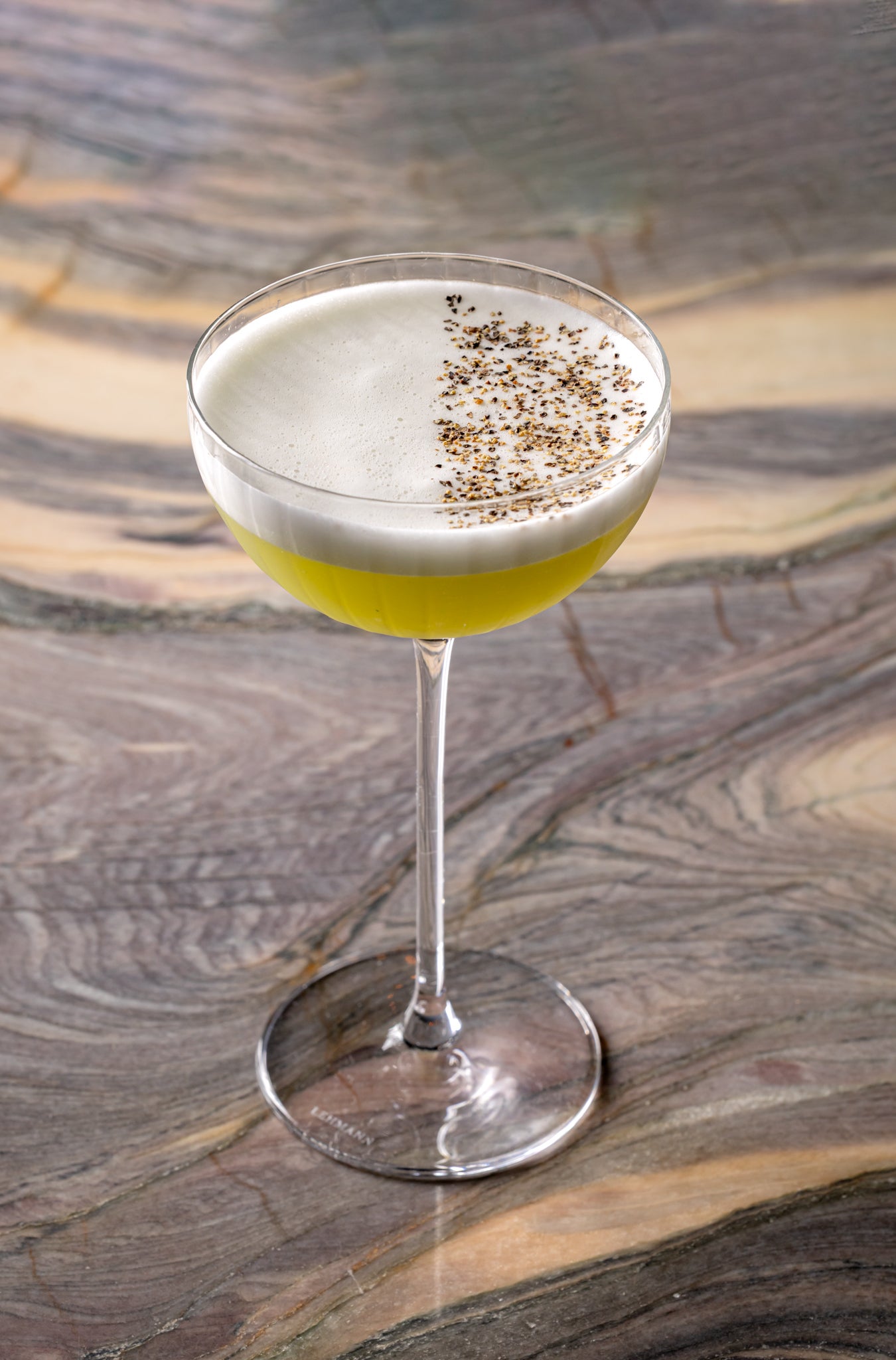
But the drinks are where things get really interesting. Alongside a thoughtful selection of Italian wines sits a cocktail menu with a playful, slightly vintage sensibility (think: a line-up of negronis, martinis, and Italian-inspired house classics). I had the cucumber martini – a refreshing mix of Grey Goose vodka, cucumber, lime, apple cordial, and black pepper – which was every bit as crisp as it sounds. If cocktails aren’t your thing though, the restaurant also has one of London’s largest collections of amaro, making a post-dinner digestif feel very much obligatory. Or, you can always head to the hotel’s Artesian bar for a night cap.
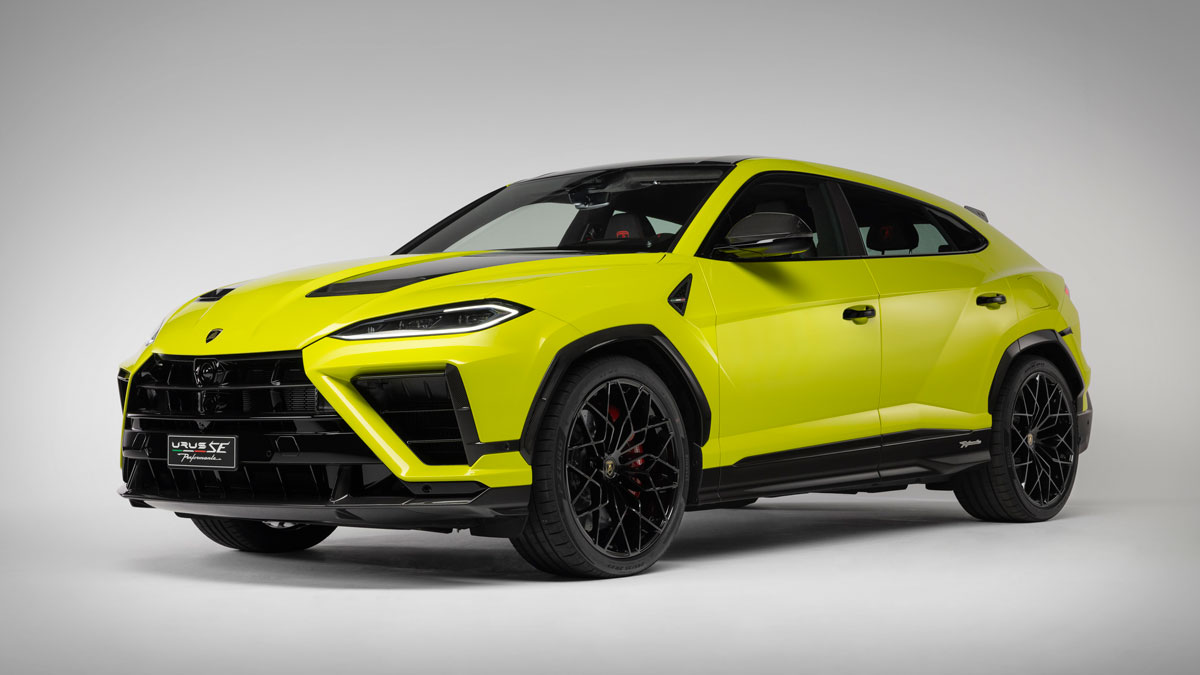
Lamborghini’s design director recently gave us a virtual tour of the 800 hp Urus SE Performante, which comes with a Rally mode. Lamborghini’s design director recently gave us a virtual tour of the 800 hp Urus SE Performante, which comes with a Rally mode.
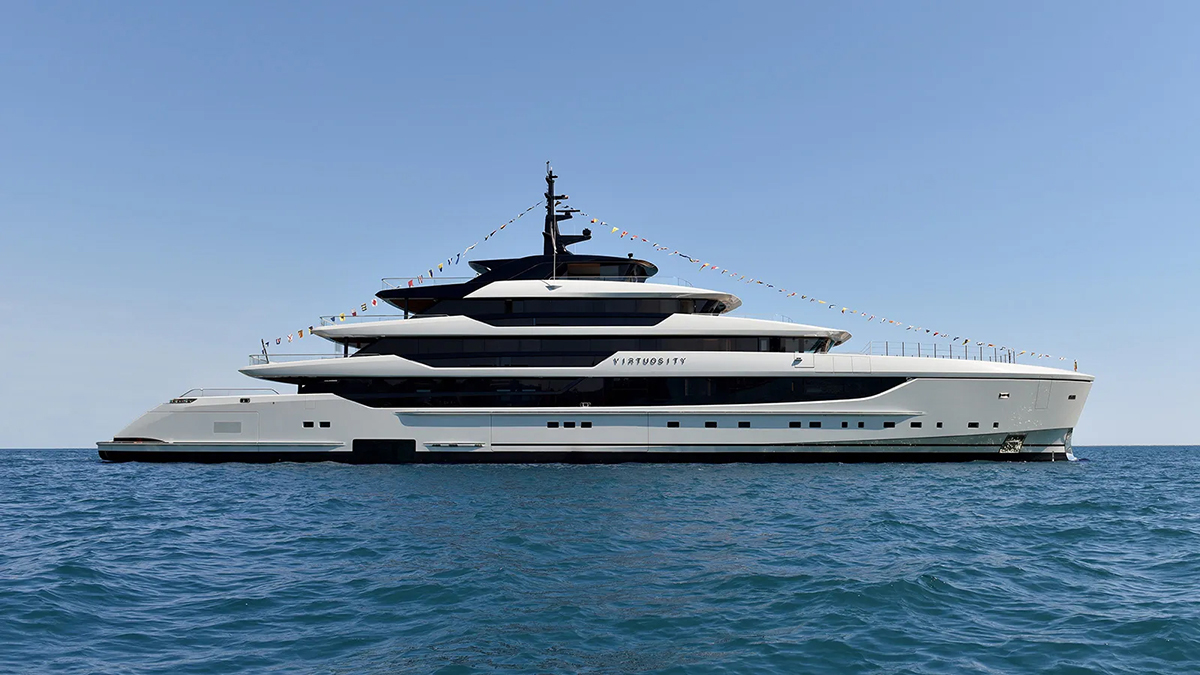
«Virtuosity» is the largest Sanlorenzo on the water. «Virtuosity» is the largest Sanlorenzo on the water.
Dr Majid Fotuhi believes better brain health starts with the small choices you make every day.
According to neurologist and neuroscientist Dr Majid Fotuhi, the small decisions we make from the moment we wake up to the time we go to bed can have a profound impact on memory, focus, and long-term cognitive health. An adjunct professor at the Mind/Brain Institute at Johns Hopkins University, Dr Fotuhi has spent more than three decades researching brain health and believes it’s never too late to build a healthier brain.
In his most recent book, The Invincible Brain, Fotuhi argues that targeted lifestyle changes can help prevent – and in some cases even reverse – early cognitive decline, improving memory and mental sharpness in as little as 12 weeks. Rather than chasing quick fixes, his philosophy is simple: «the unit of life is one day.» Instead of trying to change the future all at once, he focuses on the five pillars of brain health – exercise, sleep, nutrition, stress management, and brain training – and getting them right every day.
To understand the small but important habits that can make a difference, we asked Dr Fotuhi to walk us through a typical 24 hours in his life, explaining the science behind each part of his routine and the practices he believes can help keep your brain performing at its best.
See more: The Hidden Brain Hack Sitting Inside Your Workout Playlist
Before I even reach for my phone, I stay in bed for up to 15 minutes, thinking about my plans and envisioning it being a wonderful day.
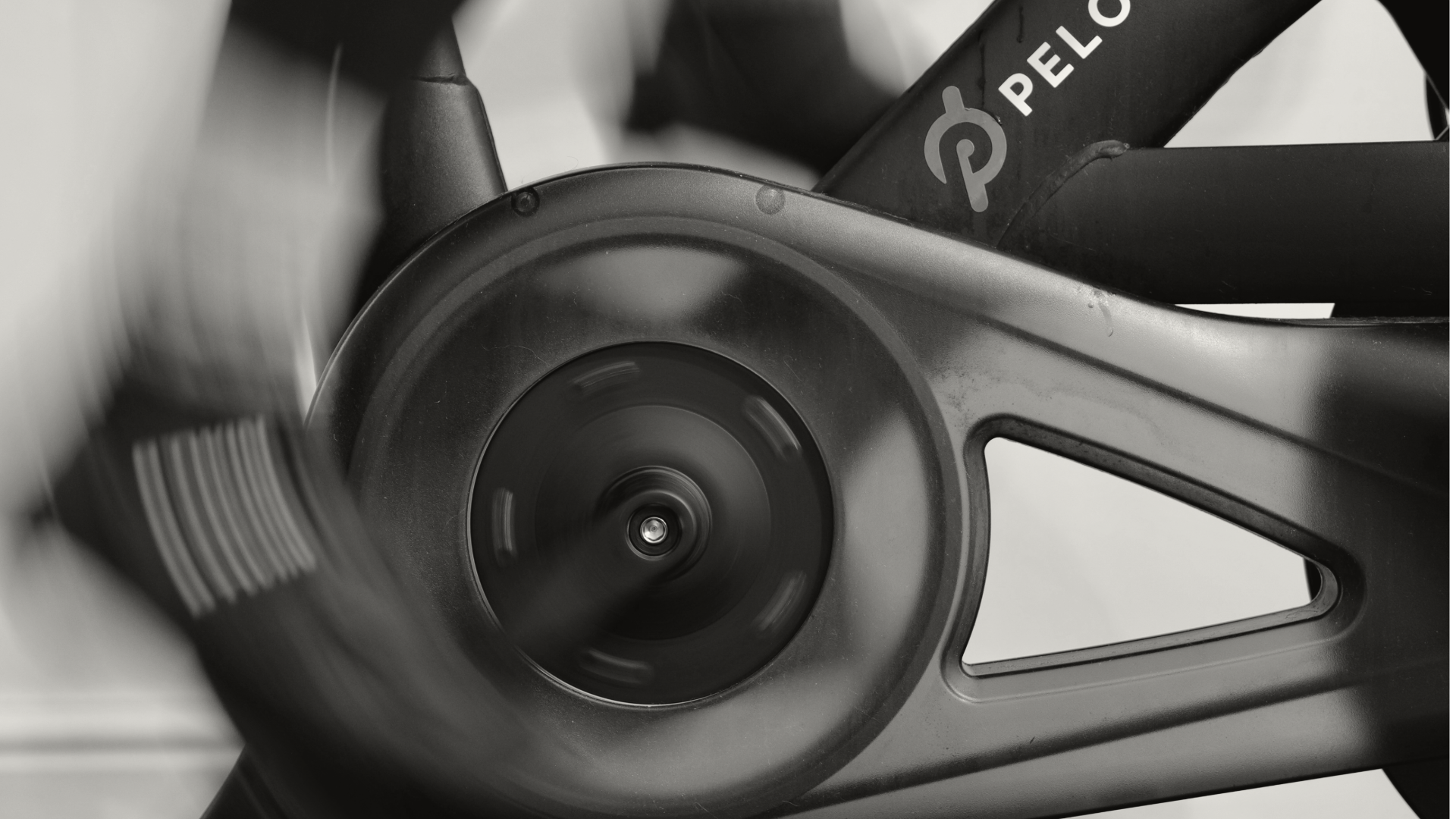
Exercise is the single most important determinant of brain health and vitality; it’s non-negotiable. I exercise three days a week in the mornings: one hour on a stationary bike, followed by 45 minutes of body weight training – push-ups, sit-ups, chin-ups, core work.
One additional day a week, usually Fridays, I go for a long bike ride of 60 to 100 miles. And I walk whenever I can.
At the molecular level, when you exercise, you increase the number of mitochondria, the energy producing organelles inside cells. The more you stimulate your muscles, the more you release molecules called myokines. They increase BDNF, a brain-derived neurotrophic factor that’s important for the generation and maturation of new neurons in the hippocampus, the part of the brain most important for learning and memory. Only exercise grows new neurons in the hippocampus.
I have a small breakfast high in fiber – oatmeal and a banana, with raisins and milk – which is important for gut and brain health. I sit at my desk while I eat and write my to-do list for the day. I use a small index card, so I can’t write too much.
My work days are varied. I teach at John Hopkins and George Washington University, and also conduct my own research. I travel around the world, giving lectures, and doing TV, radio, and podcast interviews.
I love my job because I empower people to be proactive about brain health, and see longevity as achievable – I spend my days telling people you can live to 90 and remain sharp and independent.
See more: In Praise of Boredom
I have a small cup of Greek yogurt with blueberries and mix in 1000mg of omega-3 fatty acids, which are among the best nutrients for the brain. Neurons – the main brain cells – have membranes that are 48 percent made up of omega-3 fatty acids.
I published a study showing that people with higher levels of omega-3 fatty acids in their blood are less likely to develop Alzheimer’s disease. Other studies show that those with higher omega-3 levels have larger brain areas associated with memory.
Throughout the day, I avoid stress, which is harmful for the brain, by doing breathing exercises. I breathe in for a count of six, hold for three, and out for six.
The science behind slow breathing and meditation is compelling. In one experiment, one group did these exercises for 20 minutes, four or five times a week, while another listened to music. Over time, the breathing group showed fewer footprints of Alzheimer’s, amyloid plaques, in their brains.
Slow breathing lowers cortisol, the stress hormone, and slows the brain’s rhythm to help it relax. Throughout the day, I also appreciate how wonderful life is. I left Iran 40 years ago, and I feel lucky every day.
See more: The True Meaning of Longevity
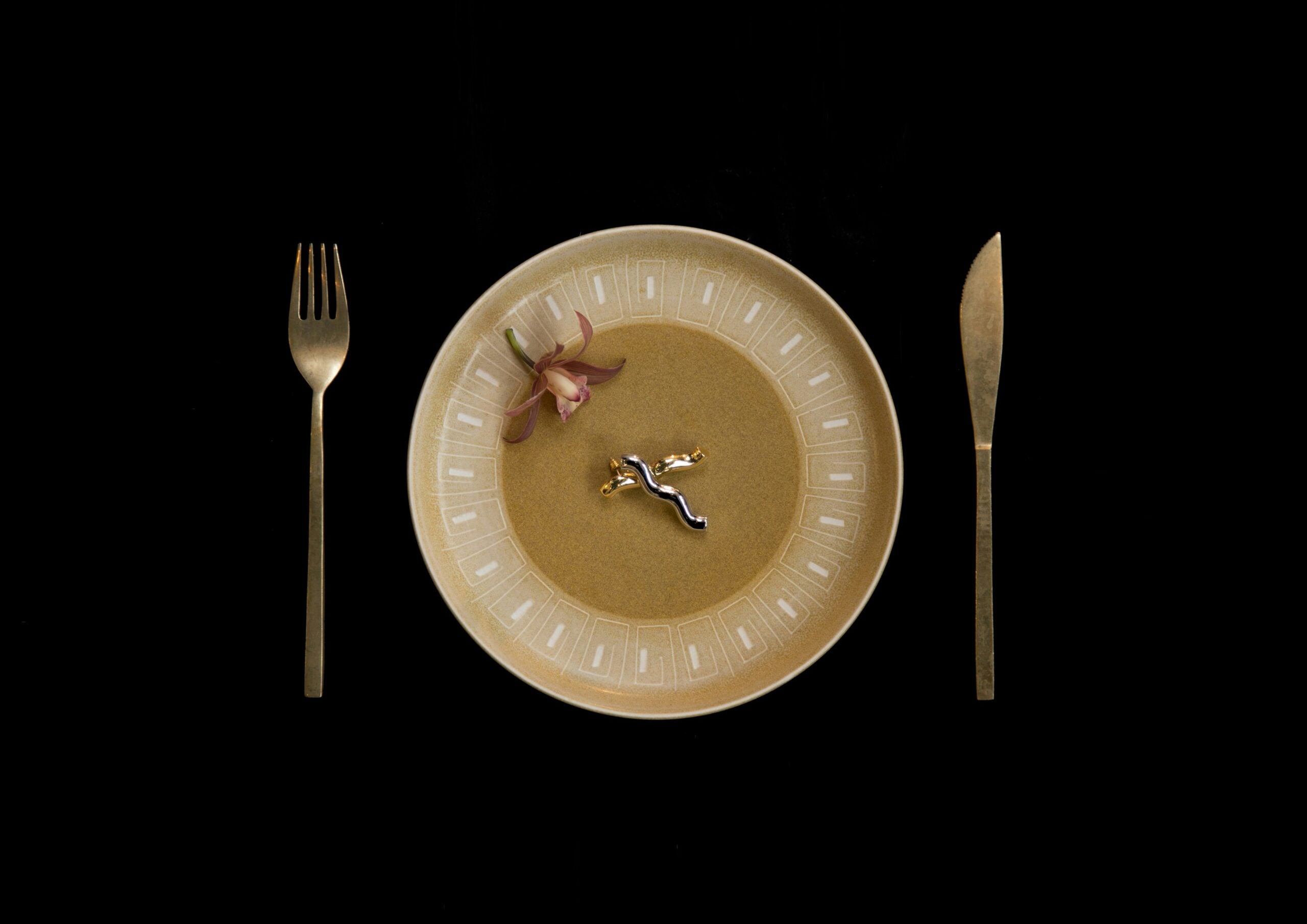
I eat dinner early, no later than 6:30pm. My wife prepares it each night: quinoa and chicken, grilled vegetables with salmon, and steak once a week. I follow a Mediterranean diet of mostly fruits, vegetables, legumes, and leafy greens.
To me, food is like medicine. If you eat the right foods, your brain will be healthy. But eat poorly and inflammation levels in the brain will rise, which is not good for you in the long term.
There’s also a linear relationship between fat and the size of the hippocampus: higher levels of visceral fat are associated with increased footprints of Alzheimer’s disease in the brain. So, I never eat junk – although, I do have a scoop of ice cream once in a while.
See more: The 10-Hour ‘Non-Diet’ That Improves Sleep, Energy, and Metabolism
If I have deadlines, I work in the evening. Other nights, I spend time with my wife. We take dance classes, watch movies, play cards, and go for walks when the weather’s nice. Our social calendar is hectic, with something usually happening on Friday and Saturday evenings.
I drink one or two glasses of wine at gatherings, usually twice a week. If you drink a little, there’s no significant harm to brain health, as long as you follow the five pillars [I mentioned earlier.
Before bed (around 10/11pm), I read and do slow breathing exercises. I sleep seven to eight hours as sleeping fewer than six is associated with an increased risk of stroke and cognitive decline. Sleeping too much isn’t good either – more than ten or eleven hours means something is wrong.
I can’t remember the last time I had trouble falling asleep. If you wake up in the middle of the night, don’t toss and turn. Sit up. Or better yet, get out of bed. Read or write down what’s keeping you awake. Unload the thoughts onto paper or your phone, then read until you fall asleep.