From the soaring dunes of the world’s oldest desert to the desolate beauty
of the Skeleton Coast, Namibia is a country of majestic landscapes and vast
expanses of untouched wilderness, says John O’Ceallaigh.


From the soaring dunes of the world’s oldest desert to the desolate beauty
of the Skeleton Coast, Namibia is a country of majestic landscapes and vast
expanses of untouched wilderness, says John O’Ceallaigh.
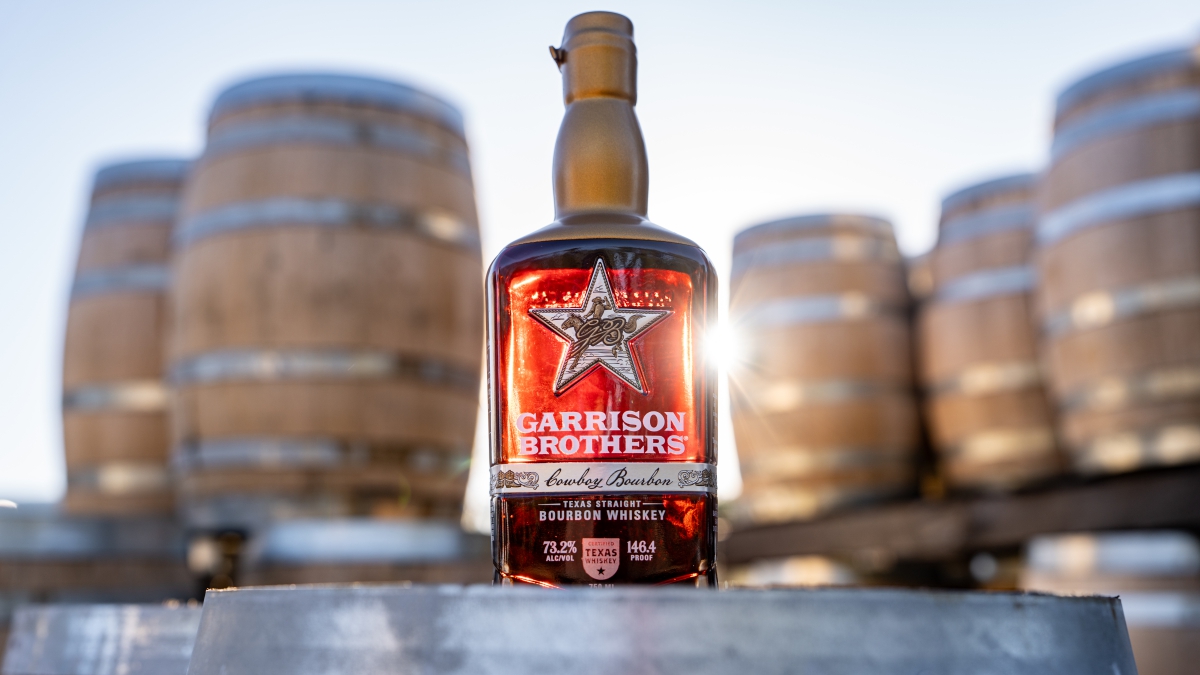
Garrison Brothers’ new Cowboy Bourbon is more than 146 proof. Garrison Brothers’ new Cowboy Bourbon is more than 146 proof.

The eight tech tycoons at the top collectively added more than half a trillion dollars to their fortunes. The eight tech tycoons at the top collectively added more than half a trillion dollars to their fortunes.

The megawatt star’s Cowboy Carter tour helped propel her net worth to the 10-digit mark. The megawatt star’s Cowboy Carter tour helped propel her net worth to the 10-digit mark.
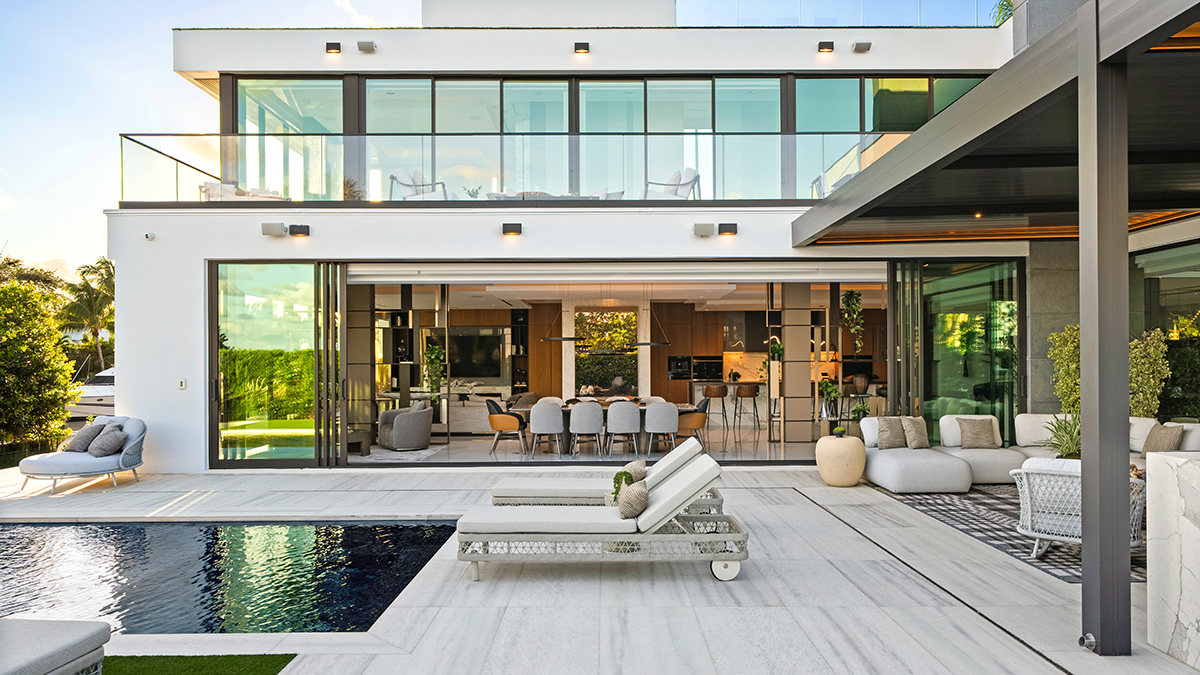
Known as Casa Moderne, the home sits in the same neighborhood where singers Enrique Iglesias and Joe Jonas have lived. Known as Casa Moderne, the home sits in the same neighborhood where singers Enrique Iglesias and Joe Jonas have lived.

NetJets is the biggest player in the private jet market, with private jet card programs to suit every traveler.

With over 750 owned and operated aircraft dotted across the globe, US-based NetJets has established itself as one of the leading private jet companies in the world.
And, with fractional aircraft ownership, private jet leases and private jet card programs all on offer, there’s an option to suit every traveler. But, for new customers, the big question is: how much does NetJets cost?
As with all private jet travel, the price of NetJets is determined by how often you travel and the aircraft size you need. Once you’ve figured this out, you’ll be able to choose between three programs: NetJets Share, NetJets Lease or NetJets Card. Understanding how each of these programs works is key to determining which option delivers the best value for your travel preferences. Below, we break down how NetJets operates, what each membership includes, and how pricing compares across its fleet.
NetJets is a private aviation company best known for pioneering fractional aircraft ownership. Rather than owning an entire jet outright, clients purchase a share of an aircraft or access to a set number of flying hours, allowing for private travel without the operational responsibilities of ownership.
The company operates on a global scale, offering guaranteed aircraft availability, professional crew, maintenance, fuel and operational support as part of its programs.

NetJets customers pre-purchase flying hours through one of the company’s programs. Flights are booked as required, with hours deducted as travel takes place. If a specific aircraft is unavailable, NetJets guarantees a similar or better model from its fleet at no additional cost.
This structure allows for flexibility, consistency and ease, particularly for frequent travelers who value guaranteed access and predictable service standards.
See also: How Much Does VistaJet Cost?
Details on pricing remain sparse for all apart from prospective customers, but the NetJets Card, which is the best option for anyone flying less than 25 hours per year, starts at €178,900 (approx. $208,050) for a card with 290 days access.
However, you can expect this price to increase drastically as you head into the heavy and long-range categories with something like a Challenger 650 likely to cost upwards of $16,000 per hour.
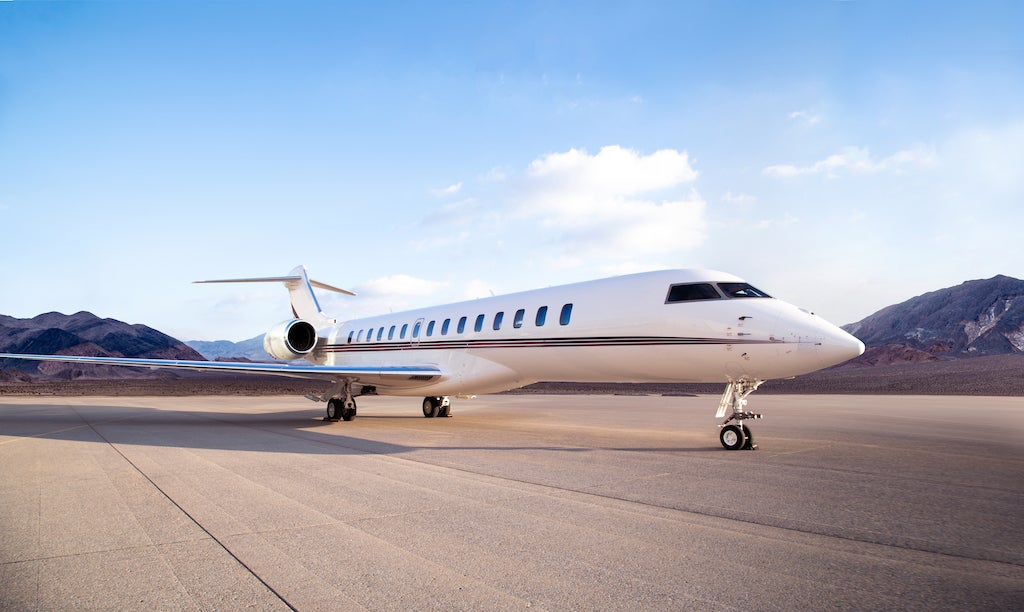
NetJets Card: The most flexible entry point
As the most affordable of NetJets’ private jet programs, the card starts with a 25-hour subscription, with hours being deducted as you fly, and then topped up as and when required. The jet card offers a commitment-free option with full access to NetJets’ premium services, making it the best choice for travelers who require minimal private jet transportation throughout the year and primarily take short-haul trips. There are no fees for ferrying or repositioning, either.
NetJets Share: Fractional ownership explained
However, if you require more than 25 hours in the air per year and regularly make long-haul journeys, a fractional ownership program is likely to be the best value option. Allowing you to purchase a share of a private jet with your share equating to available hours, the cost of NetJets’ fractional ownership option, billed as NetJets Share, will vary depending on the chosen aircraft model and the number of hours required per year, with the added financial security of just paying for what you need.
NetJets’ private jet fractional ownership offering is fully inclusive, with crew, maintenance, and fuel all included in the share cost. This not only makes the program financially worthwhile but also minimizes any extra effort or stress on your part – the NetJets team does all the hard work for you. Owners are also guaranteed access to an aircraft; if the specific jet they own shares of is in use, a similar model or better will be provided from NetJets’ fleet, with no additional charge for an upgrade.
Although the cost of the program will vary, owners can rest assured that it is a worthy financial investment. So much so in fact, that NetJets promises to buy back your share after three years if you decide to opt out of the ownership program, guaranteeing protection of your investment.
In order to ensure competitive value for their owners, NetJets is also committed to mitigating certain fees and charges across their fractional ownership service. One way in which NetJets differs from other private jet companies is that it doesn’t charge aircraft positioning fees (the cost to move the plane from its current position to the customer’s desired take-off location).
See also: NetJets Announces $5bn Jet Order with Embraer
NetJets Lease program
NetJets also has a Lease program, which includes many of the same benefits of its Share and is also marketed toward those flying 50-plus hours a year, but with a different payment structure for travelers who want to avoid an initial down payment, with leases of 36 to 60 months and guaranteed rates.
Unlike other private jet fractional ownership services, NetJets is also able to offer its owners short-haul flights at no extra cost thanks to the size of its fleet, as well as the efficiency of its operational infrastructure.
Ultimately, the cost of NetJets will depend on which program you choose, with the minimum price being around $6,500 per flying hour. If you need up to 25 hours of private jet transport per year, the membership card will be the most cost-effective choice; if your time in the air will exceed 25 hours, NetJets Share or Lease programs will be more financially viable.
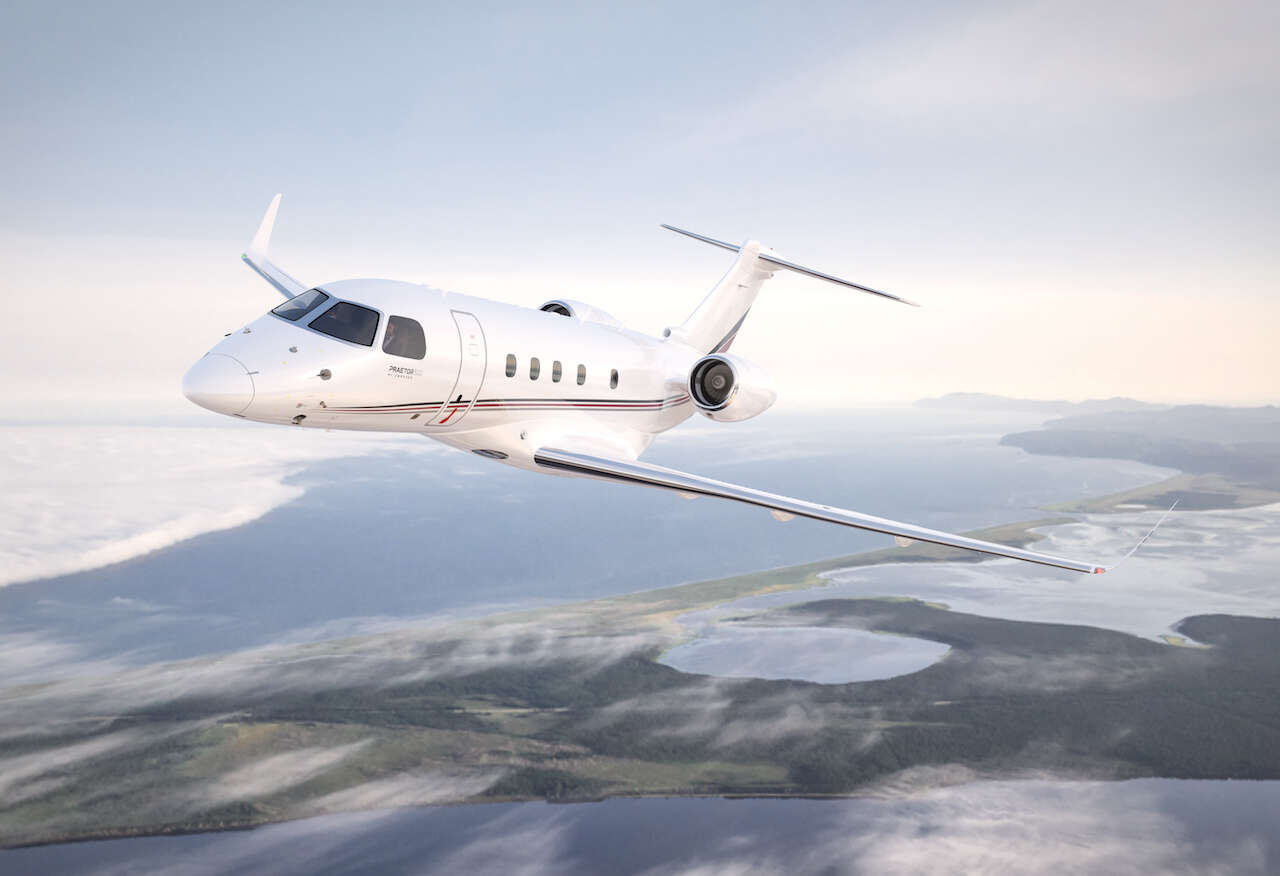
NetJets operates a fleet of more than 750 aircraft worldwide, making it the largest private jet fleet globally. The scale of its fleet allows the company to offer consistent availability, reduced operational costs and short-haul flights without additional charges.
NetJets was the fleet launch customer of the highly-anticipated Bombardier Global 8000, and will eventually build a 24-strong fleet of the industry-leading jet.
See also: NetJets Adds Bombardier Global 8000 to Growing Fleet
The NetJets fleet spans light, midsize, super-midsize and long-range aircraft, allowing customers to choose the most suitable jet for each journey. This flexibility supports everything from regional hops to intercontinental travel.
One of the key differentiators between NetJets and other private jet operators is its size and infrastructure. NetJets does not charge aircraft positioning fees and is able to guarantee access to an aircraft even during peak travel periods.
Ultimately, the cost of NetJets depends on which program you choose. For travelers flying up to 25 hours per year, the NetJets Card is typically the most cost-effective option. For those exceeding that threshold, NetJets Share or Lease programs often deliver greater long-term value.

With the latest release from revered Cuban brand Trinidad breaking the ‘$1,000 a stick’
threshold, Havana cigars are entering a new era.

Egregiously postponed Cuban cigar releases — one prays for mere months, though the delay typically spans a year or two — have become customary for Havanaphiles, those who puff and collect Havana cigars exclusively.
Delays are now so common that it’s fair to wonder if it’s all mastermind marketing, designed to drive consumer fervor. Or is it, as many Dominican and Nicaraguan cigarmakers claim, due to a lack of skilled torcedores (cigar rollers) and a dearth of the dark, rich, oily tobaccos grown in western Cuba’s Pinar del Río province? Perhaps both. No one knows for sure, and the Cubans remain taciturn.

Yet this perpetual tardiness is why I’m writing today about a cigar announced in 2021, first displayed publicly in 2024 — at the annual Festival del Habano — but only recently released. A triple-banded Trinidad Fundadores 55th Anniversary puro (said to have been aged fully rolled for a decade) housed in an ST Dupont humidor, this is an unprecedented offering, and its price is a record $1,150 per cigar.
Although cigars have traded hands privately and at auction for more than $1,000 a stick, no new release has ever done so before. It was, truthfully, only a matter of time, given the race to the four-figure threshold run by Habanos SA (the Cuban concern) and Swiss luxury tobacco company Davidoff.
Trinidad is a marca (brand) that became publicly available only at the end of the 20th century; it had long been offered as a diplomatic gift for foreign dignitaries visiting Cuba. It was created in 1969; teasingly auctioned to a select few carriagetrade collectors at the now-mythical Dinner of the Century, a 1994 charitable benefit held at Laurent, a Parisian temple of haute cuisine; and commercially launched three-and-a-half years later.

Prior to this latest version of the venerable Trinidad Fundadores, the only conventional cigars that approached $1,000 were the Davidoff Oro Blanco Special Reserve 111 Years and the Cohiba Behike 56. In the end, though, there can be only one first past the four-figure post — enter la Trinidad 55.
Is any cigar truly worth a thousand dollars? I’ve personally paid that sum for a stick before — not happily, but while overcome with a bad case of auction fever. To answer the question, let’s turn to the world of tequila for a second. There’s a saying in Mexico: “Un tequila de más de $100 es solo para gringos.” Roughly, “Only gringos buy a bottle of tequila that costs over $100.”
It’s the greater-fool theory in action: something is worth whatever someone is willing to pay. With Trinidad, you’re not just purchasing a cigar but also bragging rights. The perceptible difference between a $50 cigar and a $100 cigar is slim; the difference between a $100 and $1,000 cigar is more negligible still. Unlike a single-malt whisky, aged for decades, or a wristwatch with complications, your $1,000 cigar is still just well-aged, hand-rolled tobacco leaves, albeit in a fancy box.
Over the past decade, Habanos has been able to position Havanas in the same luxury-goods stratum as Hermès Birkin bags, Patek Philippe watches and Louis XIII cognacs. This is no small feat, and the bold Trinidad 55th Anniversary ‘haute humidors’ — each of the 1,000 numbered limited-edition ST Duponts comes filled with 55 of the well-aged cigars — are an audacious example.
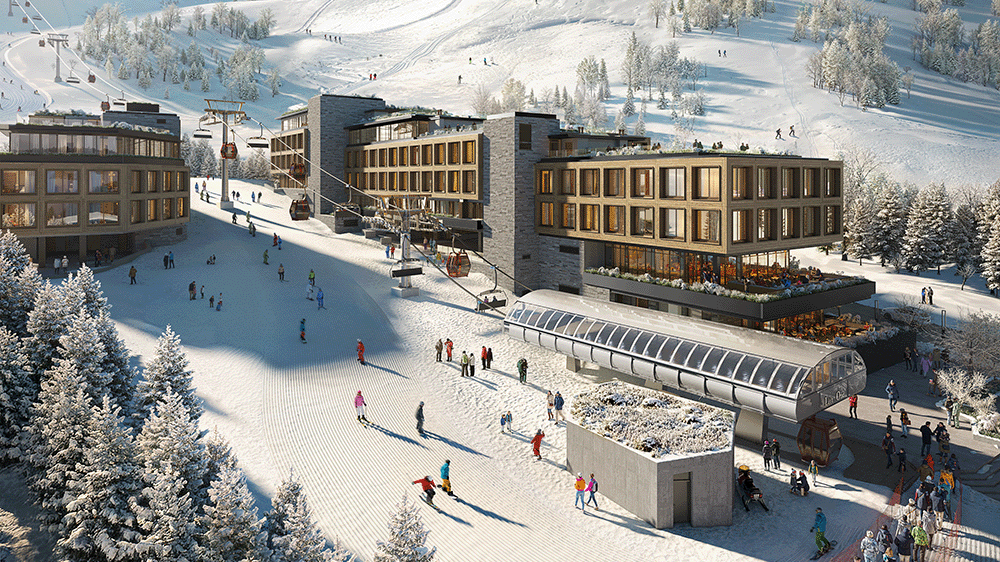
Chalet Alpina ushers in a new era at the base of Lift One. Chalet Alpina ushers in a new era at the base of Lift One.
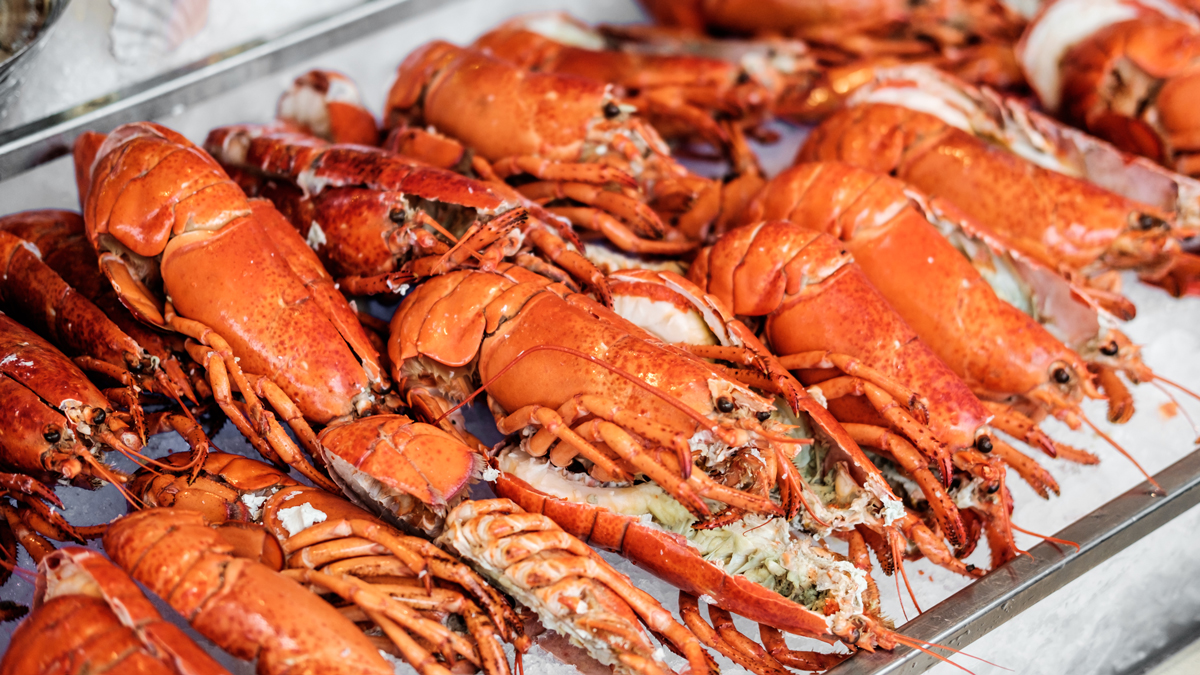
Pour out a little clarified butter for our missing crustaceans. Pour out a little clarified butter for our missing crustaceans.
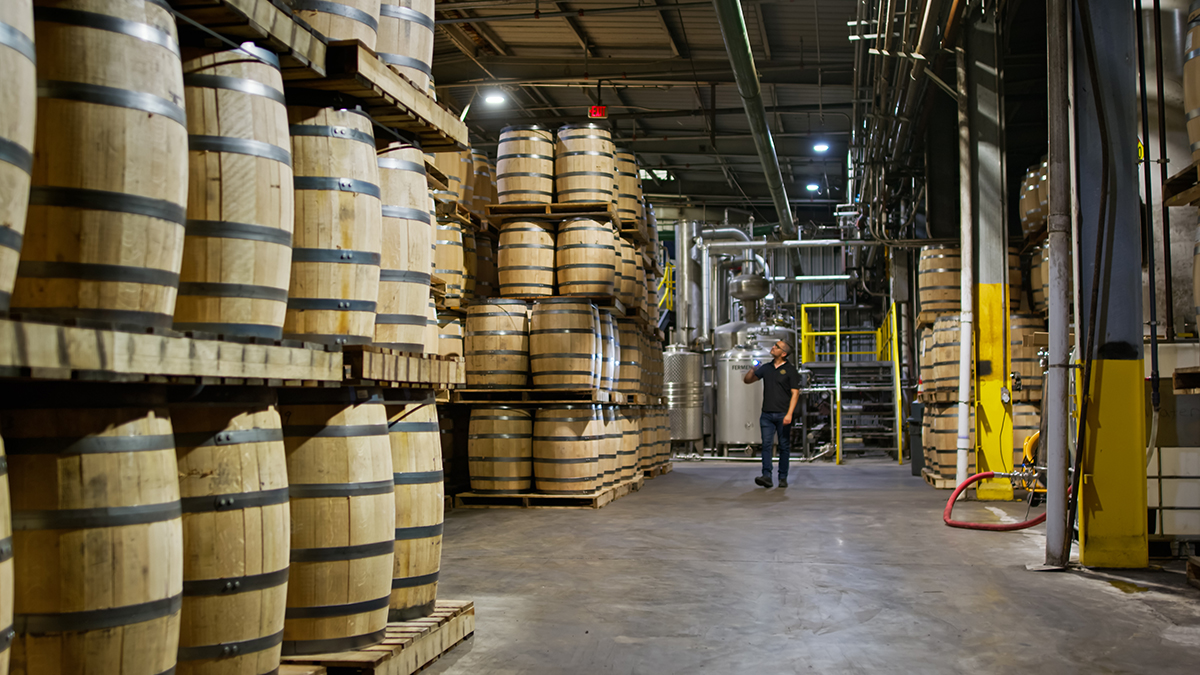
The exact reasons might be in dispute, but the spirits industry is in a tough spot. The exact reasons might be in dispute, but the spirits industry is in a tough spot.