Рубрика: General

  • An Expert’s Guide To Dressing For The Races

    An Expert’s Guide To Dressing For The Races

    We tapped those in-the-know for their tips on trends, etiquette, and how to dress for the unpredictable British weather. 
    Few fashion moments have been as enduring in the world of cinema as Eliza Doolittle’s appearance at Ascot in My Fair Lady. Dressed to perfection yet anxious about putting a foot wrong, that feeling may be all too familiar for many racegoers similarly making their debut at the racetrack this season.

    The excitement of the occasion paired with the pressure of getting the dress code right are to be expected if it’s your first (or even second) time attending. To help ease the tension, we’ve asked the experts for their advice. From how dress code varies between racetracks, to the trends you can expect to see in 2026 and beyond, and whether you need to wear a hat after all.

    The experts’ guide to dressing for the races 

    What should I wear to the races? 

    The first thing to consider when dressing for the races is the venue itself. Every race meeting has its own requirements, whether that’s a strict formal dress code or a more relaxed approach, so it’s worth checking the guidelines before planning your outfit (if you’re using a stylist, they should be clued up on this already). Rather than viewing the dress codes as a list of restrictions, use them as a starting point.

    «Read the dress code carefully and view it as a framework rather than a restriction,» says George Glasgow, co-owner and CEO of George Cleverly. «Start with classic, well-fitting pieces and avoid leaving decisions until the last minute. If you’re unsure, it’s always better to be slightly overdressed than underdressed. Most importantly, choose something that feels authentic to your personal style.»

    As for what racegoers are actually wearing in 2026, the consensus among experts is a move away from overtly attention-grabbing dressing and towards a more refined sense of elegance. 

    “I’m really enjoying seeing racegoers move away from the idea that race day dressing has to be purely occasionwear,” says Jade Holland Cooper, fashion designer at her eponymous brand Holland Cooper. “There’s a renewed appreciation for timeless, versatile pieces that can be styled for the races but also worn long after the event itself.”

    For men, Glasgow points to seeing this play out in softer tailoring, lighter-weight fabrics, and a broader color palette beyond traditional navy and grey. «Think sage, tobacco, cream, and muted pastels,» he says. 
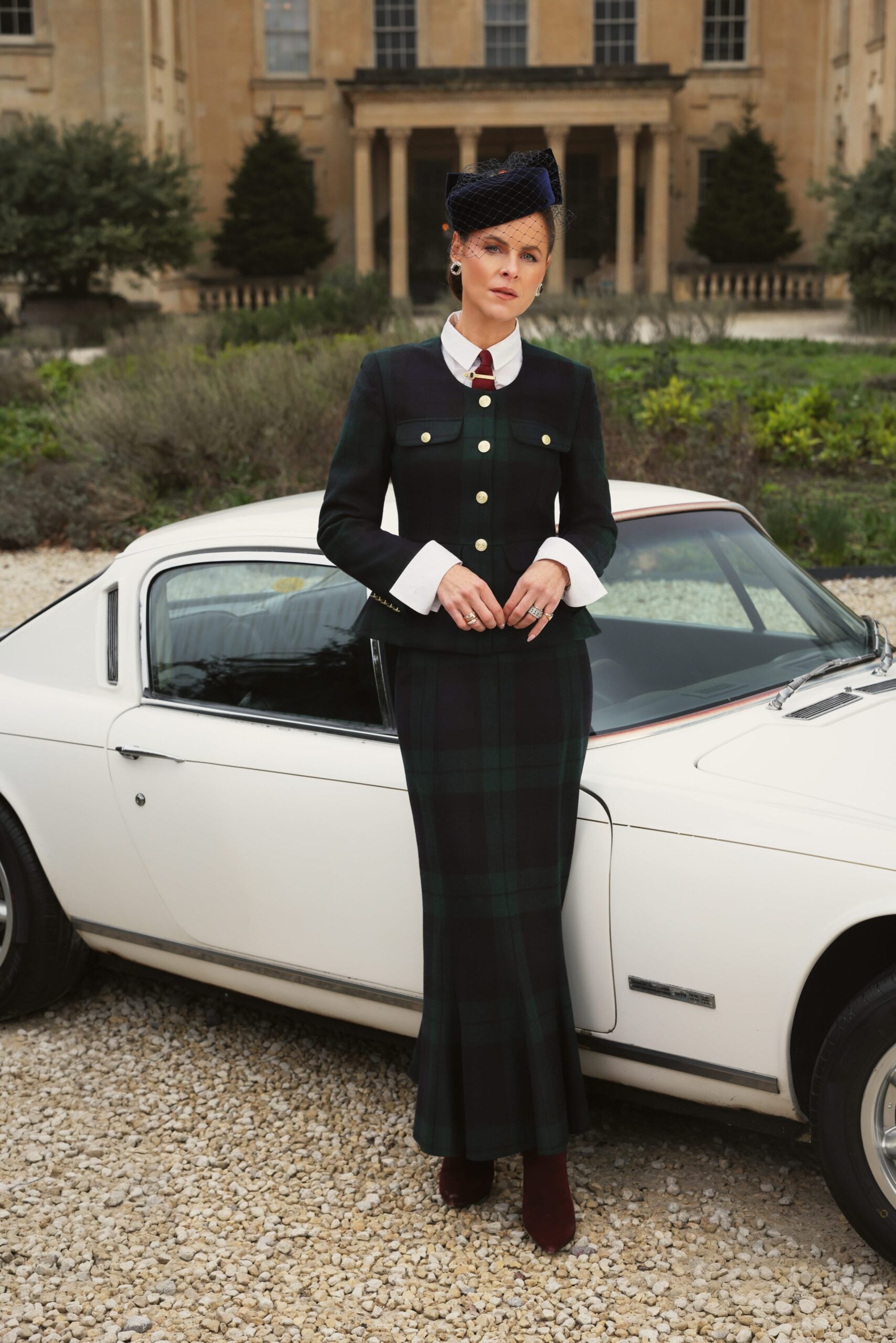
    ©Holland Cooper

    Women’s fashion, meanwhile, is embracing a more modern femininity, with «sculptural silhouettes, monochromatic dressing, and beautifully crafted headwear that feels contemporary rather than costume-like.»

    That’s echoed by Holland Cooper: “We’re seeing many women embrace the classics again. Tailoring in particular has become increasingly popular across the racing calendar, from Aintree through to Ascot, and that’s because it offers the perfect balance of sophistication and practicality.” 

    See also: The Equestrian Expert’s Guide to Dressing for a Horse-Riding Trip

    Do different racecourses have different dress codes?

    Absolutely. While race-day style is often associated with polished tailoring, elegant dresses, and statement headpieces, the level of formality can vary significantly depending on the racecourse, enclosure, and event.

    «The setting and heritage of each racecourse inevitably shape how people dress,» explains Glasgow. «Royal Ascot remains the pinnacle. It combines heritage, craftsmanship, and some of the most rigorously observed dress codes in the world, creating an atmosphere where people genuinely make an effort.»

    Elsewhere, racecourses often adopt a more relaxed approach, with smart summer dresses, tailoring separates, and occasionwear proving perfectly acceptable. That doesn’t mean standards disappear entirely. Even at race meetings with fewer rules, racegoers tend to embrace the sense of occasion. The key is understanding the character of the event you’re attending.

    What should I wear to Royal Ascot?

    No race meeting takes its dress code more seriously than Royal Ascot. «What makes Ascot special is that elegance takes precedence over fashion for fashion’s sake,» says Glasgow. «The result is a level of polish that few events can rival.»

    But that said, as Holland Cooper reiterates, that level of formality shouldn’t encourage intimidation, rather creativity: “The dress code encourages people to embrace dressing up in its truest sense, and it’s one of the rare moments where fashion sits so prominently alongside the sport.” 

    For guests attending the Royal Enclosure, the most formal area of the racecourse, traditional morning dress is required for men. This typically consists of a black, grey, or navy morning coat worn with matching trousers, a waistcoat, tie, and black dress shoes, with a top hat completing the look. «Expect elegant millinery and luxurious fabrics such as silk, linen, and lightweight wool,» Glasgow adds. 

    Women are expected to wear dresses or skirts of modest length with straps of at least one inch, while hats or substantial headpieces remain mandatory.

    Elsewhere, including the Queen Anne and Village Enclosures, the rules are slightly more relaxed, but the expectation remains smart and sophisticated. Tailoring, occasion dresses, and refined accessories are all popular choices, while sportswear, denim, and overly casual clothing are not permitted in any enclosure.

    See also: How To Channel Cowboy Chic in Contemporary Interiors

    What should I wear to Glorious Goodwood?

    «Events such as Glorious Goodwood tend to feel slightly more relaxed and romantic, with softer silhouettes, floaty fabrics, and a touch of vintage influence,» says Glasgow. 

    The most formal area of the racecourse is the Richmond Enclosure, where men aged 16 and over are required to wear a suit jacket, tie, long-sleeved collared shirt, and full-length trousers. Sportswear and fancy dress are not permitted. 

    Unlike Royal Ascot, however, Goodwood’s dress code places greater emphasis on style rather than strict rules. The racecourse itself describes its aesthetic as one of «easy elegance», with linen suits, softly structured dresses, smart separates, and relaxed tailoring all encouraged.

    For women, this means to expect flowy midi dresses, floral prints, lightweight fabrics, and refined co-ords that feel at home against the Sussex countryside. Hats and fascinators are welcome but far from obligatory.

    What should I wear to Cheltenham?

    «The Cheltenham Festival has always been a personal favorite. It truly is the pinnacle of the racing calendar for me,» says Holland Cooper. “The atmosphere is incredibly special, and there’s a wonderful sense of occasion – it really does feel like the catwalk of the countryside.»

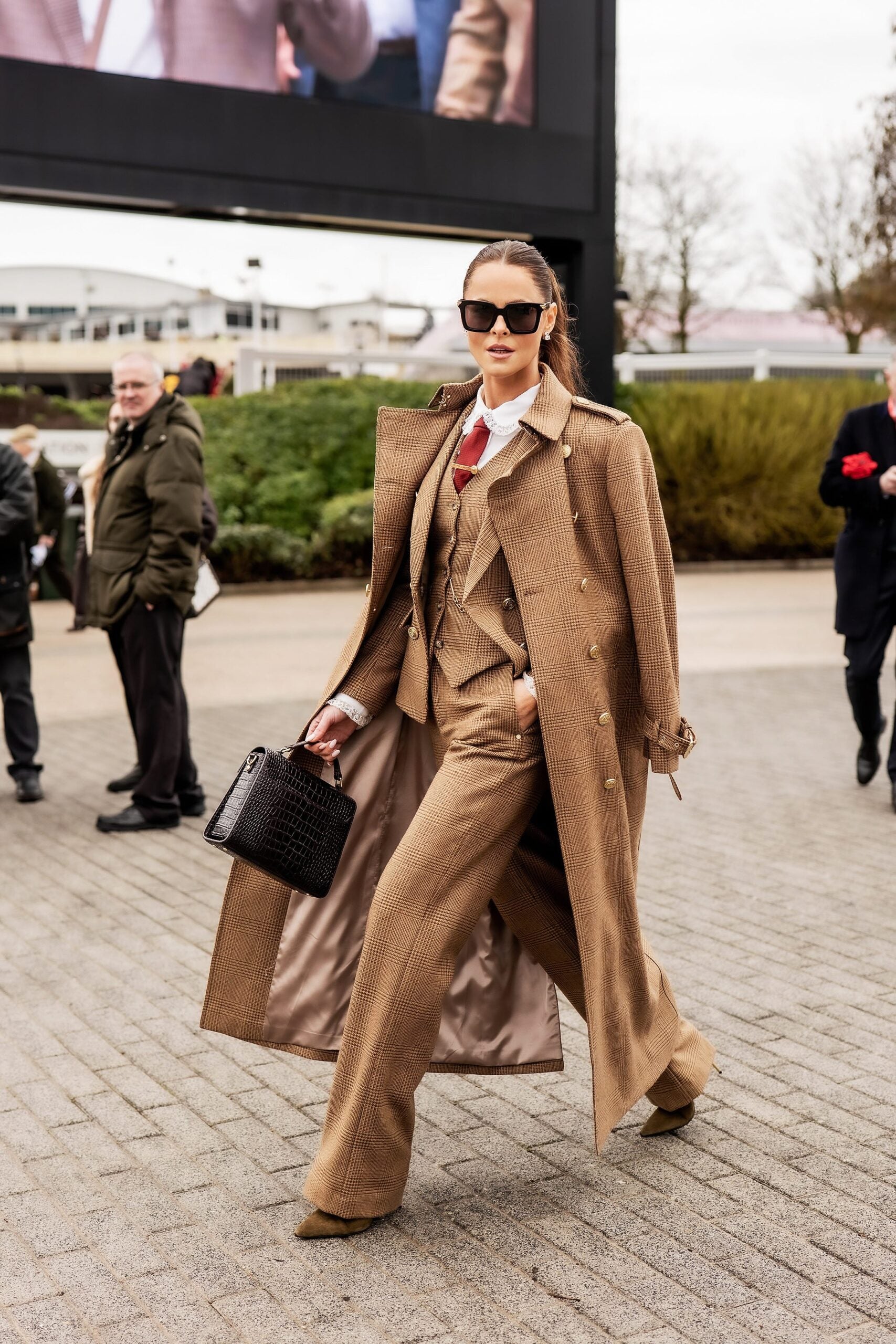
    Unlike other race meetings, Cheltenham does not impose a strict formal dress code, but smart attire is strongly encouraged. As the festival takes place in March in the Cotswolds, dressing for the weather is often just as important as dressing for the occasion. Tailored coats, wool blazers, cashmere knits, and elegant outerwear are all popular choices, while sturdy footwear is a sensible consideration for a day spent outdoors. 
    ©Holland Cooper

    Tweed remains a Cheltenham staple, whether worn as a full suit, a tailored blazer, or incorporated through accessories. For women, midi skirts, structured dresses, tailored separates, and knee-high boots are favorites, often styled with statement hats or headpieces for key days such as Style Wednesday.

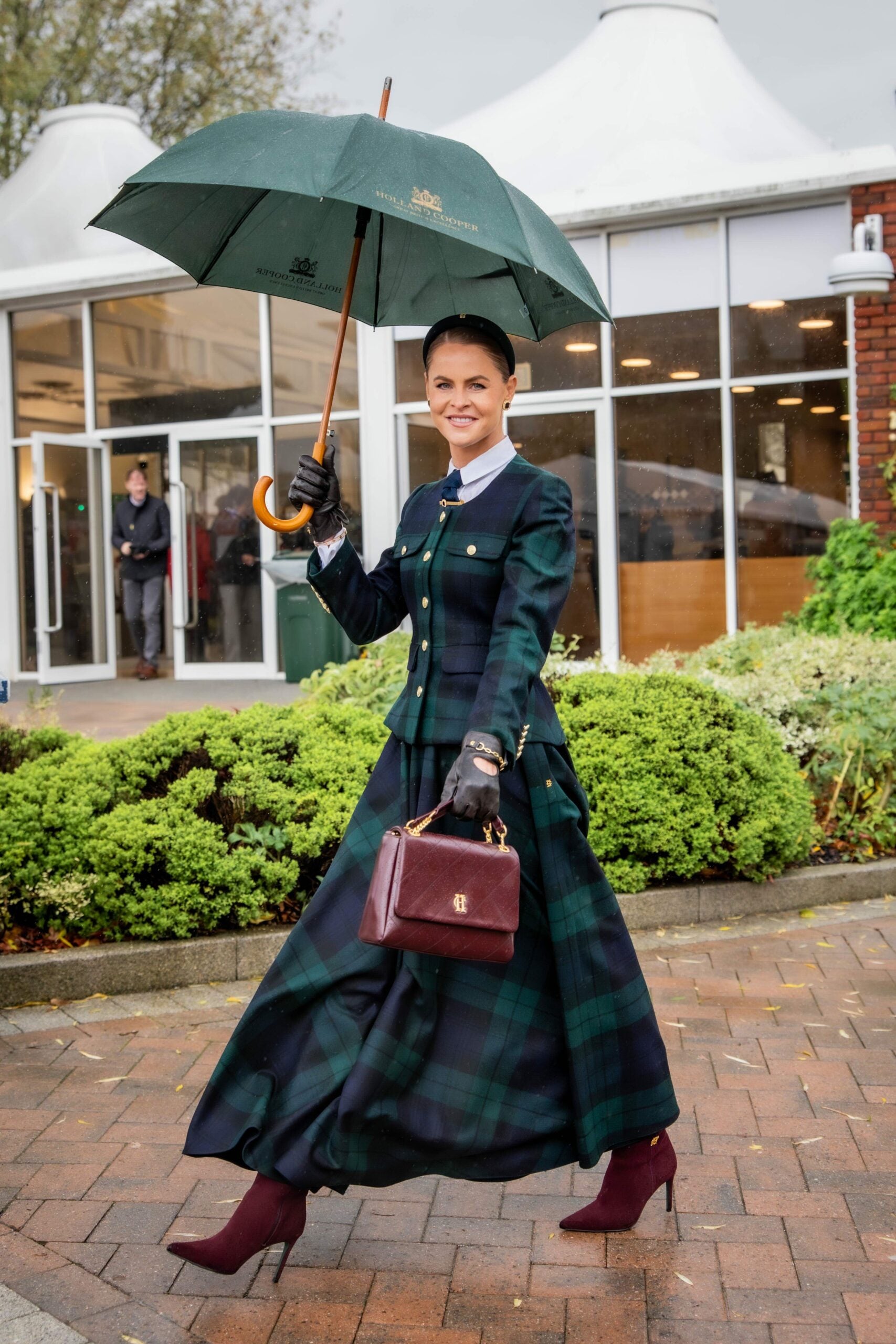
    Take, for example, Holland Cooper’s personal Cheltenham looks: «One of my favorites was a perfectly tailored 360 Maxi Skirt and Tailored Peplum Jacket paired with a statement hat. I wore this on Ladies’ Day at The Cheltenham Festival; it felt timeless, confident, and true to my personal style.»

    What shoes should I wear to the races?

    Between walking across grass, standing for long periods, and navigating everything from grandstands to hospitality areas, comfort is essential when it comes to raceday footwear.

    «Race days are long, so now I always make sure whatever I wear can take me from the first race to the last without compromise,» says Holland Cooper. «For summer racing events such as Ascot, I will always reach for our Regency Court Shoes. The block heel will serve you well and means it’s easy to navigate around the racecourse, and they are super comfortable.»
    ©Holland Cooper

    What if the weather turns?

    “British weather always demands preparation,” warns Glasgow. “The secret is planning for the forecast without allowing practicality to overshadow elegance.

    “For warmer days, I recommend breathable natural fabrics such as linen blends, lightweight wool, and cotton, which help maintain structure while keeping you comfortable,” he adds. Meanwhile, in wet conditions, “a tailored trench coat, elegant umbrella, and weather-appropriate footwear can preserve the integrity of an outfit without compromising style.”

    See also: Equestrian Escapes That Let You Travel With Your Four-Legged Friend

    What should I avoid wearing to the races?

    “The biggest mistake is treating race day like a themed event rather than a sophisticated social occasion. People often focus on being noticed rather than being well-dressed,” concludes Glasgow. “The most successful race-day looks feel effortless, appropriate to the setting, and respectful of the dress code. Fit, quality, and confidence will always have more impact than chasing trends.”


  • Miraval Resorts and Spas Defines Luxury as a Lack of Distractions

    Miraval Resorts and Spas Defines Luxury as a Lack of Distractions

    The Berkshires destination draws on the setting to enhance mindfulness. The Berkshires destination draws on the setting to enhance mindfulness.

  • The World’s Newest Michelin 3-Star Restaurant Had to Pull Itself Out of Bankruptcy

    The World’s Newest Michelin 3-Star Restaurant Had to Pull Itself Out of Bankruptcy

    Kadeau in Denmark nearly didn’t survive the pandemic, but now six years later it has reached the culinary mountaintop. Kadeau in Denmark nearly didn’t survive the pandemic, but now six years later it has reached the culinary mountaintop.

  • Buffalo Trace Owner Sazerac Just Dropped Its First Tennessee Whiskey

    Buffalo Trace Owner Sazerac Just Dropped Its First Tennessee Whiskey

    A.J. Bond is the company’s first foray into this category. A.J. Bond is the company’s first foray into this category.

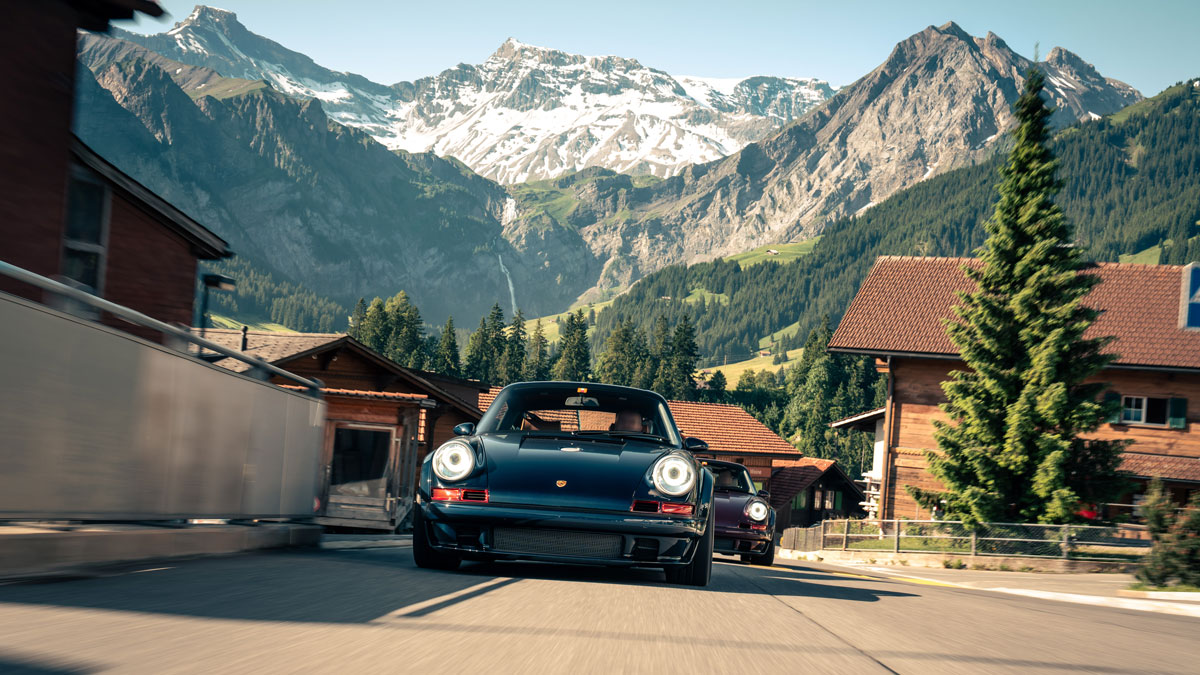
  • Owners of Singer’s Reimagined Porsche 911s Took to the Swiss Alps, and We Got a Taste

    Owners of Singer’s Reimagined Porsche 911s Took to the Swiss Alps, and We Got a Taste

    The gathering included two days of bucket-list drives with the boutique Brecon hotel as base camp, and France is next. The gathering included two days of bucket-list drives with the boutique Brecon hotel as base camp, and France is next.

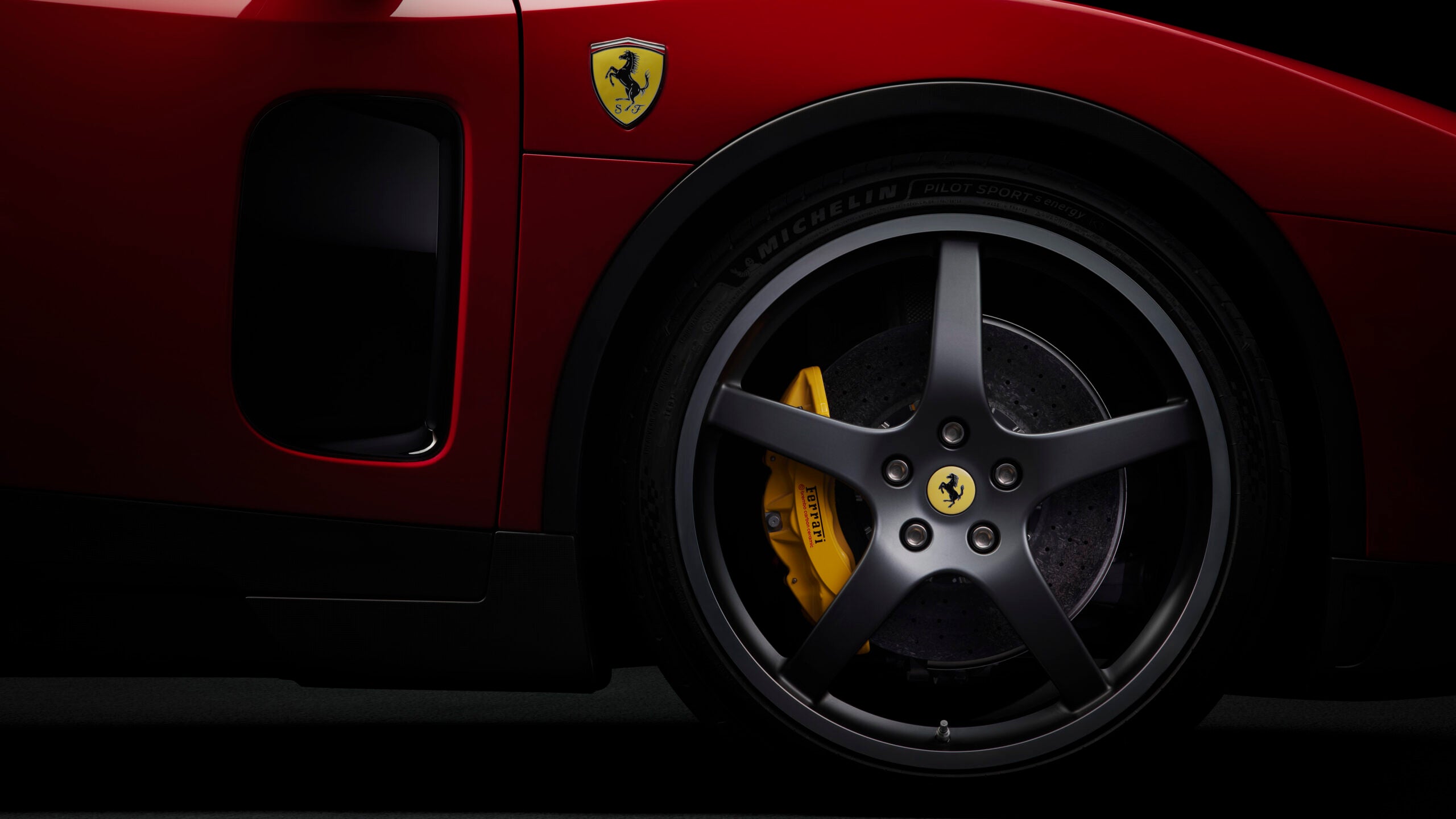
  • What Does the Ferrari Luce Backlash Mean for the Future of Electric Supercars?

    What Does the Ferrari Luce Backlash Mean for the Future of Electric Supercars?

    Ferrari’s controversial Luce has reignited the debate over whether EV can ever match the emotion, identity, and desirability of their combustion-powered predecessors. 

    ferrari luce

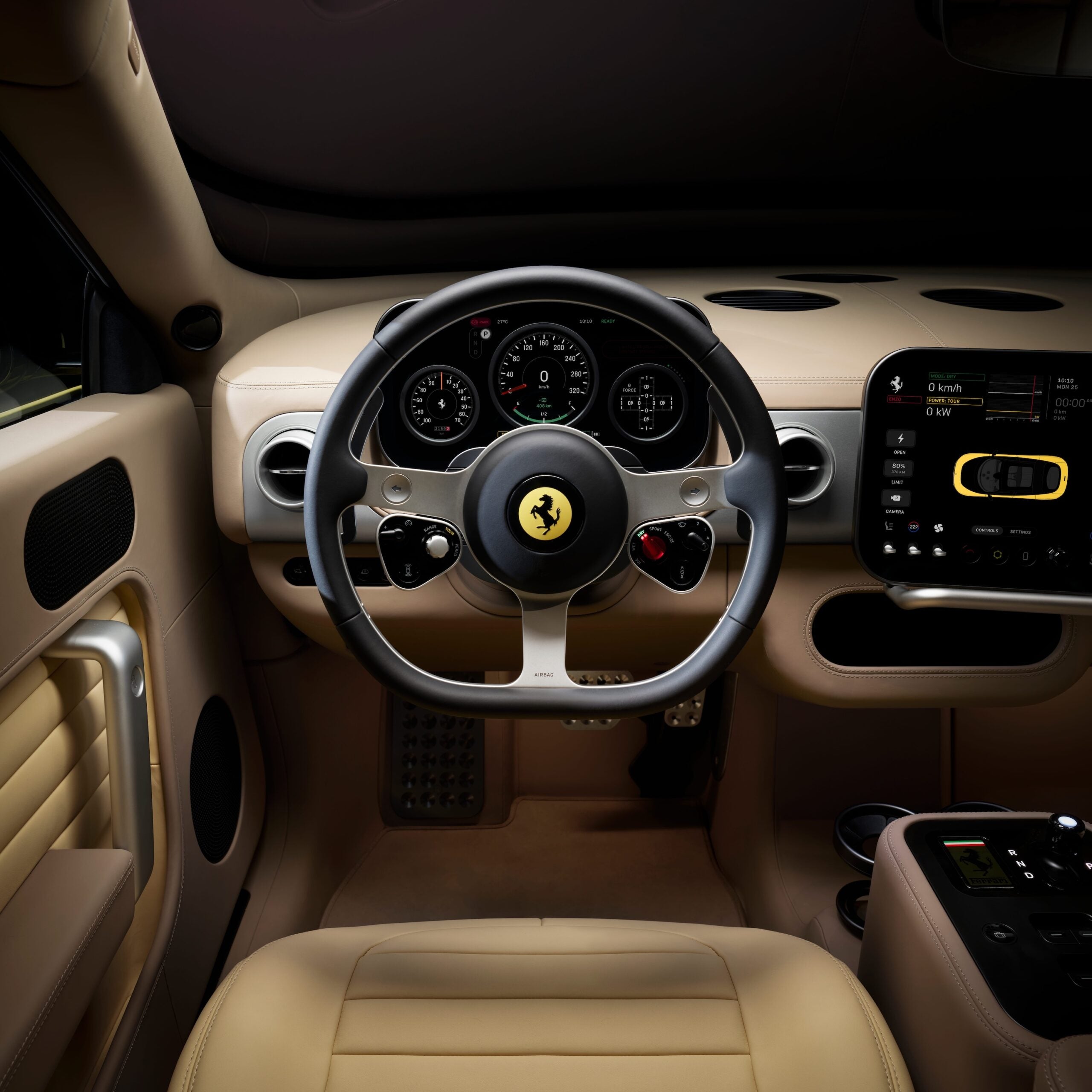
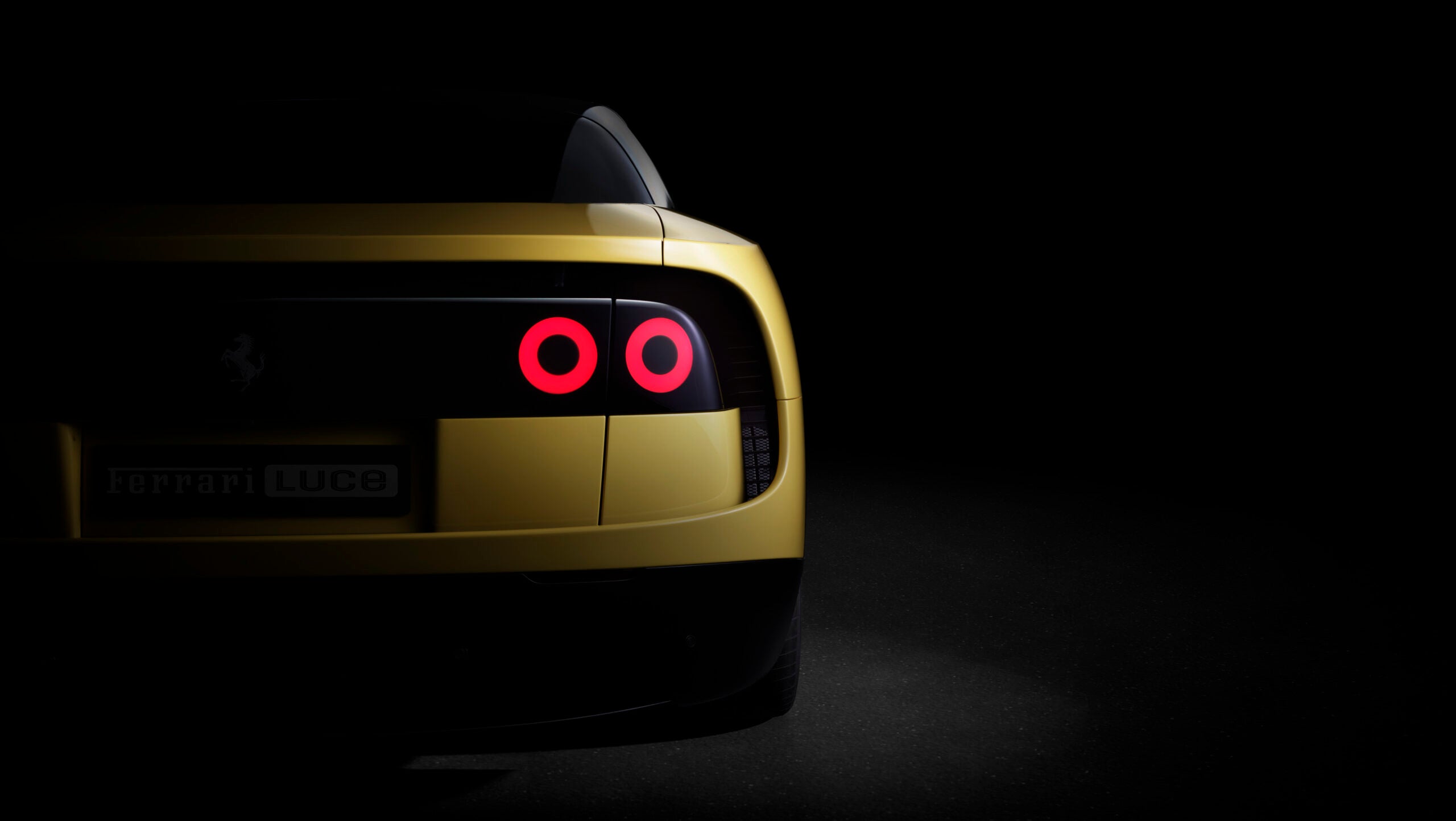
    The criticism has centered on three things: design, emotion, and brand heritage. Many enthusiasts feel the Luce‘s minimalist, Jony Ive-influenced aesthetic departs too radically from what a Ferrari is supposed to look and feel like. Critics have also questioned whether an electric model can deliver the sensory drama that has historically defined the marque.

    Yet focusing solely on the design risks missing the bigger story. The backlash surrounding the Luce speaks to the challenge facing every luxury performance brand attempting to go electric.

    In the days following the Luce’s launch, Lamborghini CEO Stephan Winkelmann defended the company’s decision to postpone its own EV ambitions and focus instead on plug-in hybrids, calling it «the right way to go». As Ferrari pushed ahead with a fully electric future, Lamborghini was effectively arguing that its customers are not yet ready for one.

    See also: The Most Stylish Lap in F1 History? Gucci Joins Alpine as Title Partner

    ferrari luce
    ©Ferrari

    Car journalist Lawrence Ulrich believes much of the criticism has become fixated on the wrong issue. «I think [the Luce has] an interesting and appealing design. It’s just not a Ferrari. Ferrari’s have to be sexy, even if they’re SUVs or sedans. This car is a lot of things, but it’s not sexy. And it certainly doesn’t look Italian.»

    As Ulrich points out, enthusiast reactions are often driven as much by nostalgia as innovation. «We have to remember, automotive enthusiasts say they want new things, but most are reactionaries, always preferring the old ways. They don’t want to lose the fabled gasoline engines they grew up with, and the designs that adorned their bedroom walls as teenagers; when you’ve been waiting your life to get a Porsche or Ferrari, you want what you want.»

    See also: I Took Bentley’s $396,000 Continental GT For A Spin – Here’s What Stood Out

    ferrari luce
    ©Ferrari

    The Luce therefore exposes a broader problem. Luxury performance cars are sold on emotion as much as engineering. Remove the combustion engine and you remove a core part of the experience, leaving manufacturers scrambling to define what comes next.

    There’s another complication, argues Ulrich. Despite often being discussed as a supercar, the Luce isn’t one: “it’s a liftback sedan with four doors. Not a sports car, or supercar, which points up the difficulty every automaker is having bringing electric sports cars to market. They still weigh too much, which hampers agile handling, and there’s nowhere good to stuff a bunch of heavy, expensive batteries, so it’s hard to give them decent driving range.»

    Those limitations help explain why even brands synonymous with sports cars have struggled to deliver convincing electric replacements.

    «We’ve only ever seen one genuine electric sportscar since the original Tesla Roadster: the Rimac Nevera from Croatia. There’s the China-built MG Cyberster, an actual electric roadster, but it’s been a real dud. Porsche is the benchmark here. They claimed an electric Boxster and Cayman would entirely replace the beloved gasoline model, but the project is stalled for the tech reasons I mentioned. If Porsche can’t pull it off, it’s going to be hard for anyone.»

    Having said that, Ferrari was still able to prove that it can build a fast electric vehicle – the Luce, although not a ‘supercar’, delivers more than 1,000 horsepower and hypercar-rivalling acceleration – but it’s convincing buyers that an electric Ferrari can still feel like a Ferrari that seems to be the biggest challenge.

    See also: Why Porsche 911 Restomods Are Every Collector’s Dream

    luce ferrari
    ©Ferrari

    Viewed through that lens, Ferrari may simply be attempting to move faster than its customers – and perhaps the technology itself – are ready for. As Ulrich notes, automotive history is full of designs that were mocked at launch before becoming influential.

    «There’s been a lot of piling on and schadenfreude over the Luce design. Plenty of groundbreaking automobiles faced massive criticism and blowback at their debut, and ended up being hits or hugely influential designs.»

    Whether the Luce succeeds or fails, its significance lies elsewhere. It has become the first major test of whether affluent enthusiasts are prepared to embrace a fully electric performance car from one of the industry’s most revered brands.

    That may ultimately be the real lesson of the Luce. The future of electric supercars (and electric cars in general, for that matter) won’t be determined by horsepower or acceleration figures, but by whether manufacturers can convince buyers that electric performance can be every bit as desirable as the combustion-powered dream they grew up with.

    «If the Luce fails to sell, it won’t be due to the design – or not entirely. It will be because Ferrari’s traditional buyers just aren’t yet ready for a fully electric car. Which is why Lamborghini and other brands have backed away from EV plans. But check back in a decade, and the picture may be very different.»

  • How To Channel Cowboy Chic in Contemporary Interiors

    How To Channel Cowboy Chic in Contemporary Interiors

    Western design is having a sophisticated revival. 

    cowboy interiors
  • At The World Cup 2026, Is Soccer Finally Due Its High Fashion Moment?

    At The World Cup 2026, Is Soccer Finally Due Its High Fashion Moment?

    As the likes of Loewe and Jacquemus unveil soccer partnerships ahead of the biggest sporting event in history, luxury fashion is finally turning to the beautiful game. 

    Stone Island badges. Adidas Sambas. Fred Perry polo shirts. Bucket hats and pints. It’s fair to say that the looks we’ve come to associate with soccer (or football) have hardly been the traditional source of high fashion inspiration. Yet as the turf is currently being laid ahead of the FIFA World Cup 2026 – which will see 48 national teams compete across the US, Canada, and Mexico – soccer appears to be having its luxury fashion moment, with brands fighting to dress players both on and off the pitch.

    It’s the first time the tournament will be hosted across three different countries and is expected to become the biggest sporting event in history. Stretching across time zones, languages, and communities, FIFA projects that six billion people will watch at least one match, making it an enormously lucrative cultural platform for brands to capitalize on.

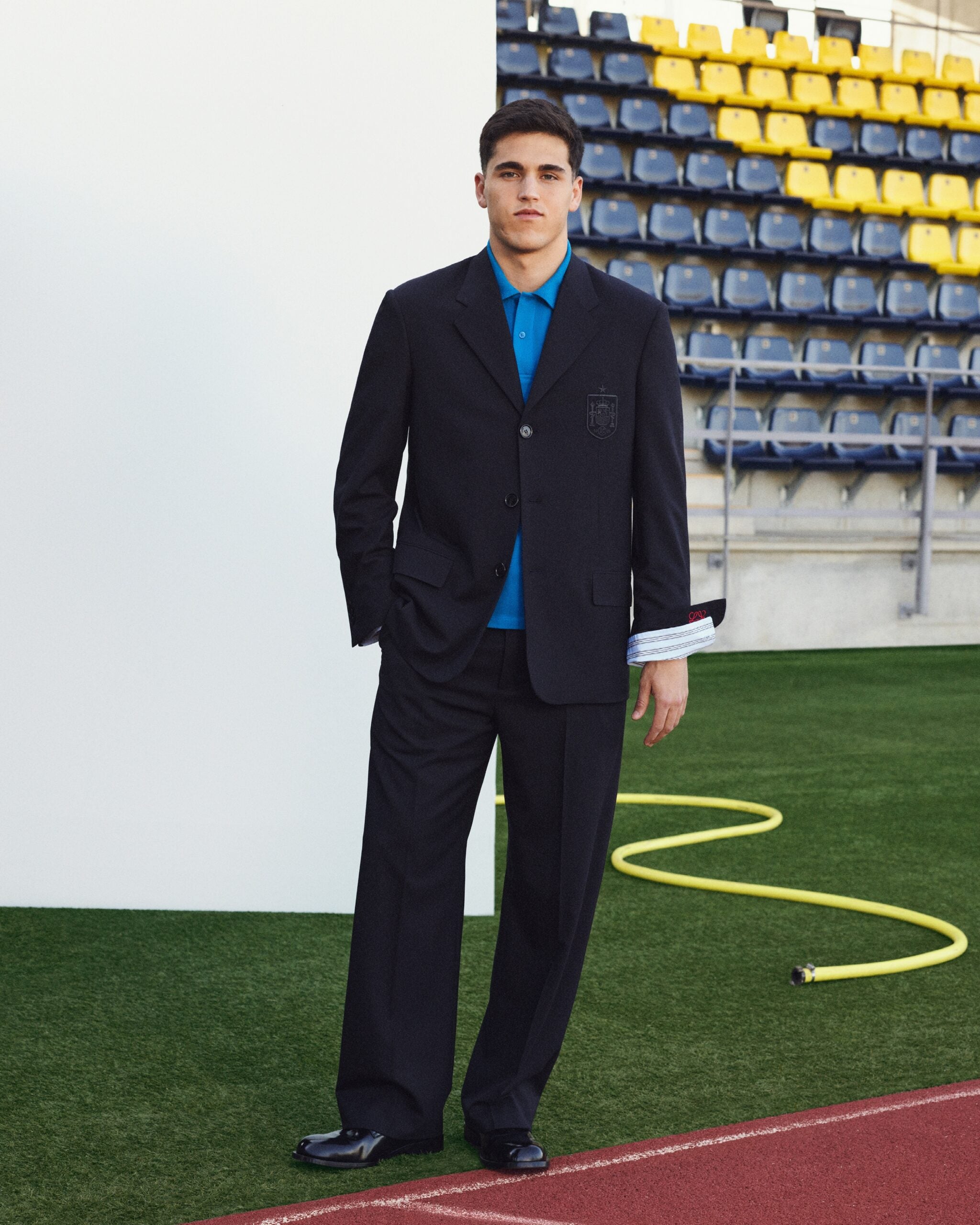
    This week, Loewe announced a four-year partnership with Spain’s national team to design bespoke travel wardrobes for both the men’s and women’s squads across all major tournaments, including the World Cup. Neighboring France has also partnered with Jacquemus on custom matchday apparel and retro-inspired Nike Cryo Shot footwear.

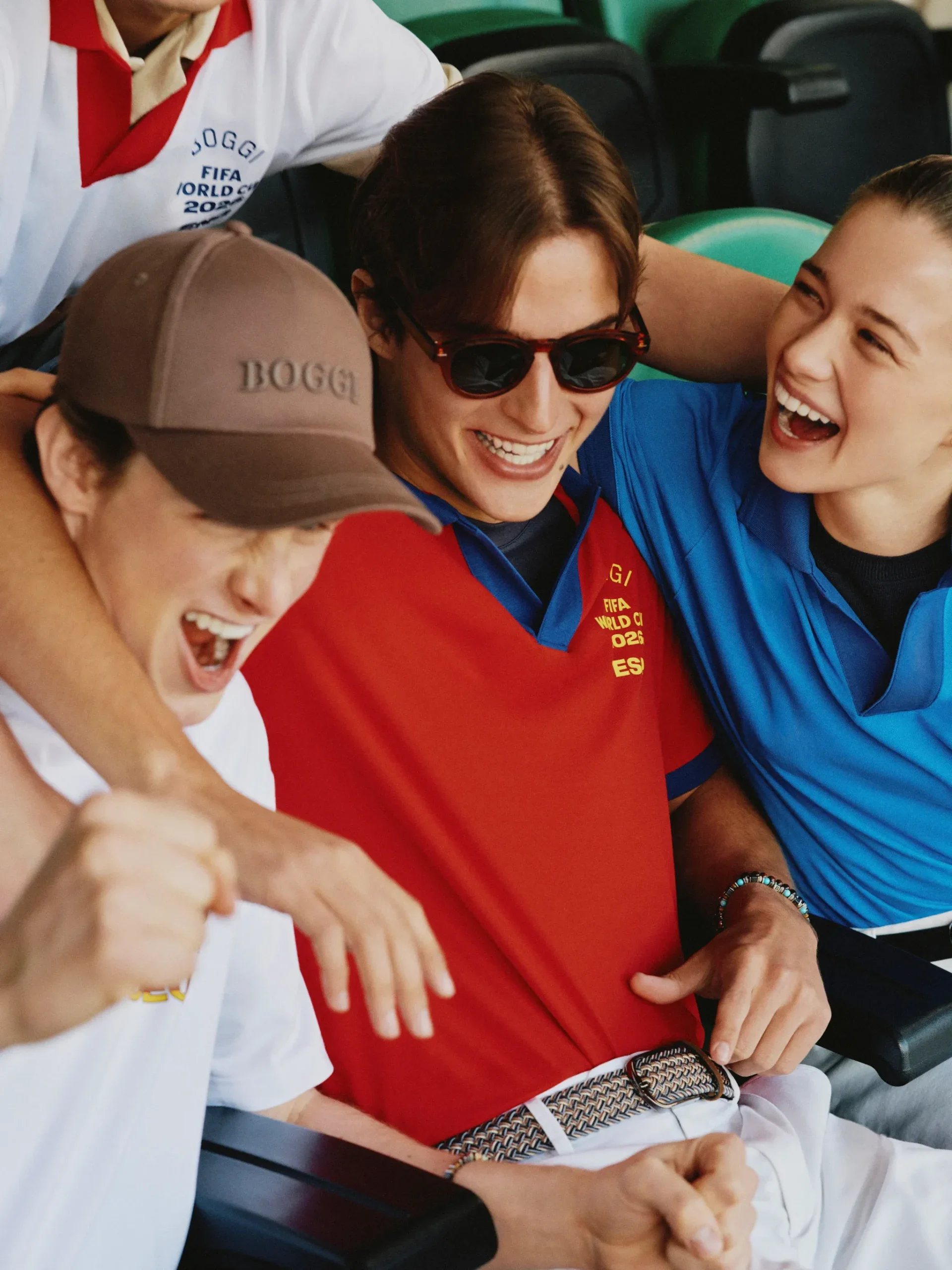
    In the US, the Virgil Abloh Archive has replicated the late designer’s iconic textual design language to create bespoke kits and sneakers for Team USA, alongside a Nike Cryoshot collaboration and accompanying apparel collection for fans. Meanwhile, Italian menswear label Boggi Milano is the official formalwear partner of FIFA and has released its own customer-facing capsule collection.

    Loewe announced a partnership with the Spanish national team to design bespoke travel wardrobes ©Bruno Staub for Loewe

    But football’s relationship with fashion did not begin in luxury boardrooms or front-row seats. Long before the likes of Loewe and Jacquemus entered the game, style had already become part of football culture on the terraces of Britain in the late 1970s and 1980s.

    The rise of the ‘Casuals’ movement saw young soccer fans swap scarves and replica shirts for designer labels and imported sportswear. Emerging from working-class scenes in Liverpool and Manchester, supporters became obsessed with brands like Lacoste, Sergio Tacchini, Fila, Ellesse, and Adidas. Cultural historian Bill Osgerby, who has worked with London’s soon-to-open Museum of Youth Culture, explains to Elite Traveler that “the emphasis was towards a style that was smart and expensive,” describing an “obsession with upmarket sportswear and high-class designer brands.”

    Phil Thornton, author of the cult 2000s nonfiction title Casuals, argues the culture around the terraces has often been misunderstood despite becoming one of Britain’s most influential style movements. Reflecting on the scene’s continued evolution, he describes football fashion as “a circle game,” driven by “a new promising football season, a new promising label and young lads wanting to separate themselves from the new or from the old or from the present.”

    Boggi Milano launches a capsule with FIFA dedicated to the FIFA World Cup ©Boggi Milano

    Both experts agree that, for fans, looking sharp mattered almost as much as the football itself. Even in the stands, fashion acted as status, competition, and identity – something that, in the two decades since Casuals was published, has not disappeared, but arguably only intensified.

    But how exactly has the game found itself moving from working-class subcultures to designer runways and luxury boutiques?

    The influence of sportswear as a dominant force in fashion throughout the 2010s cannot be understated, with labels like Balenciaga and Off-White leading the charge. Luxury sneakers and collaborations more broadly have also likely paved the way for soccer’s current high-fashion moment. Even still, despite luxury athleisurewear dominating the visual identity of the past decade, data insights platform GWI’s 2025 report shows there is still appetite for more, with 32 percent of consumers surveyed expressing interest in luxury collaborations with sportswear brands.

    But for luxury labels, the 2026 World Cup also arrives at a moment when soccer culture has never been more visible – or more marketable. Social media has transformed players from athletes into global lifestyle figures, with tunnel walks, post-match fits, and appearances by players and coaches dissected online almost as closely as performances on the pitch. Even FIFA is reflecting that shift in its own tournament strategy, announcing TikTok as its first-ever “Preferred Platform” partner to bring behind-the-scenes access and livestreams to viewers’ screens.

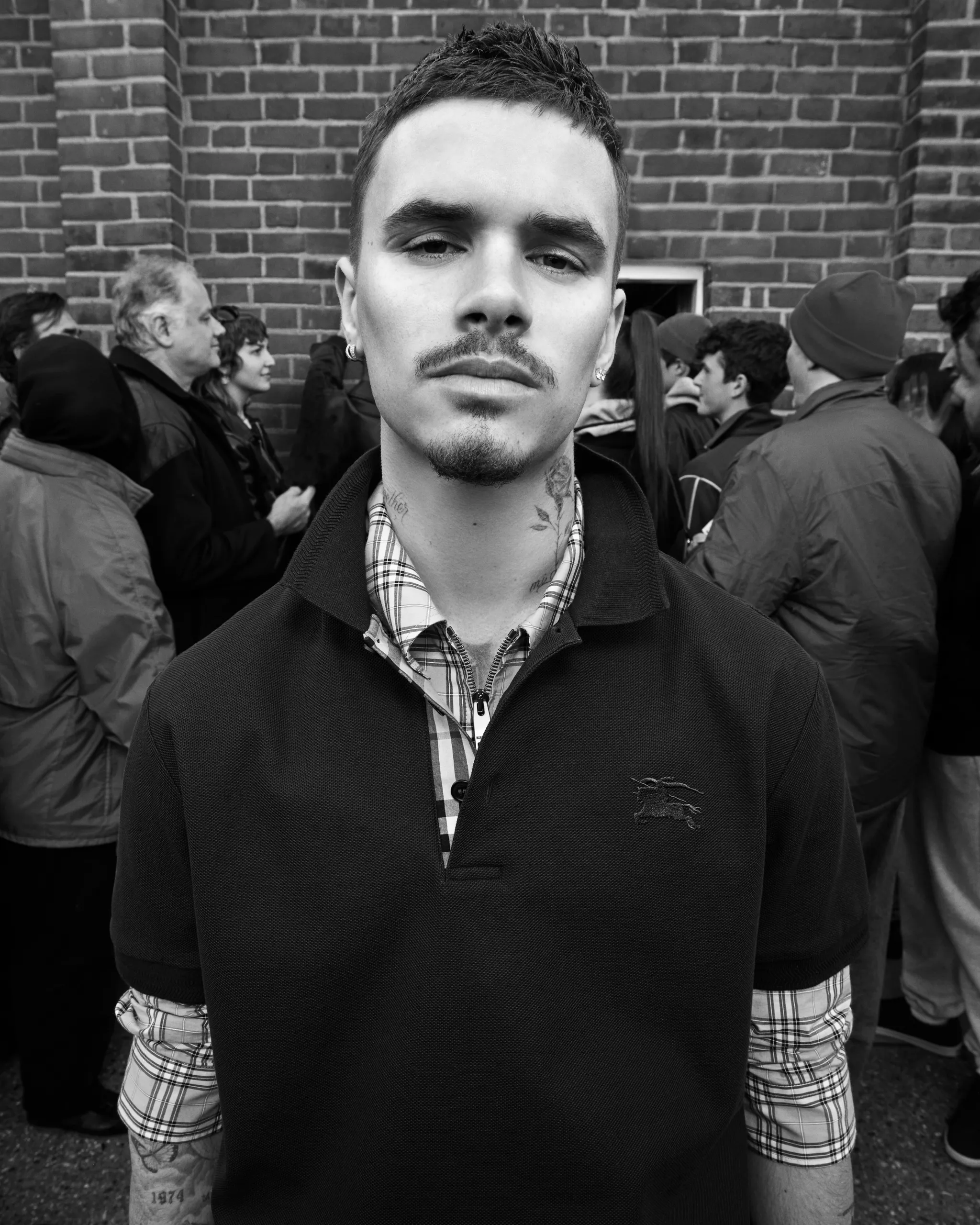
    Romeo Beckham stars in Burberry’s ‘A Good Sport’ campaign for the FIFA 2026 World Cup ©Burberry

    That perhaps explains why, ahead of the tournament, fashion houses are gravitating not only towards elite athletes with sporting prowess, but also towards figures with powerful social media influence. Romeo Beckham, for example, fronts Burberry’s recent football-inspired campaign ‘A Good Sport’ alongside England players Eberechi Eze, Declan Rice, and Leah Williamson.

    It’s clear that luxury fashion is investing – both culturally and economically – to deepen its connection with the sporting world. Only last week, Gucci was announced as the title sponsor of Alpine’s Formula 1 team from 2027, while LVMH signed a landmark 10-year partnership with F1 to bring Louis Vuitton and TAG Heuer directly into the sport’s ecosystem. Luxury brands are no longer simply dressing athletes; they are embedding themselves into the spectacle of global sport itself. And ahead of the 2026 World Cup, soccer appears to be the next – and perhaps largest – arena for that strategy to play out.

  • Meet the Woman Who Sources the World’s Most Elusive Handbags

    Meet the Woman Who Sources the World’s Most Elusive Handbags

    Joanna Uzunova reveals how rare Hermès Birkin and Kelly bags, alongside Chanel collectibles, are sourced through a discreet global concierge and allocation network. 

    Luxe Buyers Club

    “The collector that has that asset-driven mindset is going to be interested in an Hermès Birkin, just like they’re going to be interested in off-market properties in London or even rare whisky,” says Joanna Uzunova, founder of Luxe Buyers Club and ex-buyer for Chanel, Ralph Lauren, Mulberry, and Hermès.

    Her company sits at the intersection of concierge sourcing and market intelligence, serving an international client base that already understands the mechanics of luxury acquisition. “The clients that we serve are looking for the next level of precision. It’s not to say that they can’t go into boutiques and buy what they want – they are very familiar with acquisition strategies within the maisons – but they don’t have the time, the energy or the interest in doing that,” she says. “They come to us knowing the exact leather, the hardware, the year stamp of the handbag they are interested in – and they want it tomorrow.”

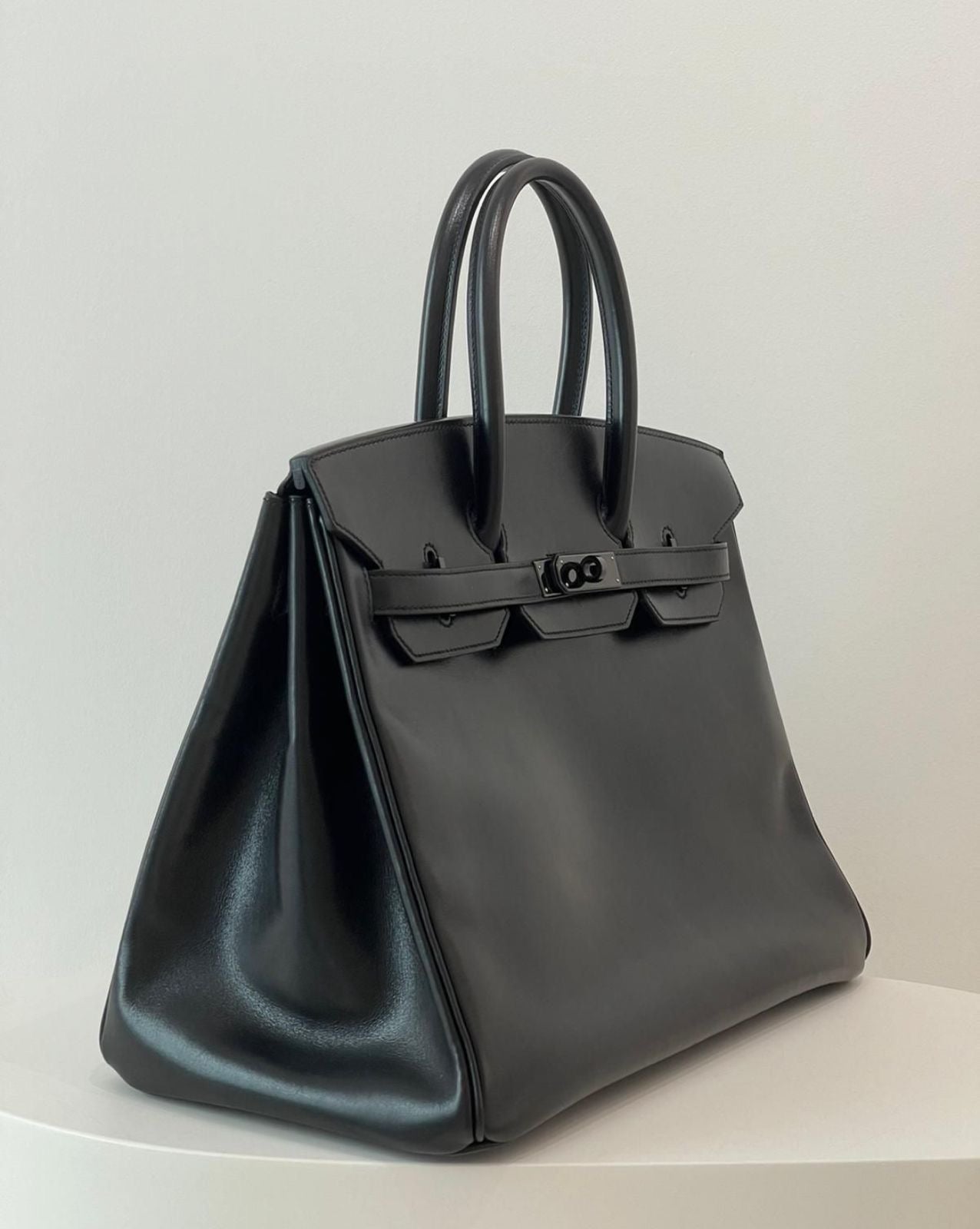
    Luxe Buyers Club black birkin
    A So Black Birkin 30 sourced by Luxe Buyers Club ©Luxe Buyers Club

    In this instance, the role of the concierge increasingly overlaps with that of a portfolio advisor. “There’s only about 50 to 100 of people doing what I do worldwide,” Uzunova tells Elite Traveler. “A lot of our clients have worked with us for such a long time that we have visibility over their existing collections. So, we go beyond just sourcing for them – we guide them with how the market is doing.” She does this through market intelligence, by collaborating with peers and insiders at the maisons themselves, so she knows “ahead of time which pieces are going to be discontinued or how prices will move.”

    At product level, value is increasingly shaped by discontinuation cycles and allocation control across maisons. But timing has become just as important. “My clients will sometimes just store their pieces to resell them at a different price level. It can be a lucrative investment.”

    See also: The Fun Designer Bags Bringing Joy This Summer

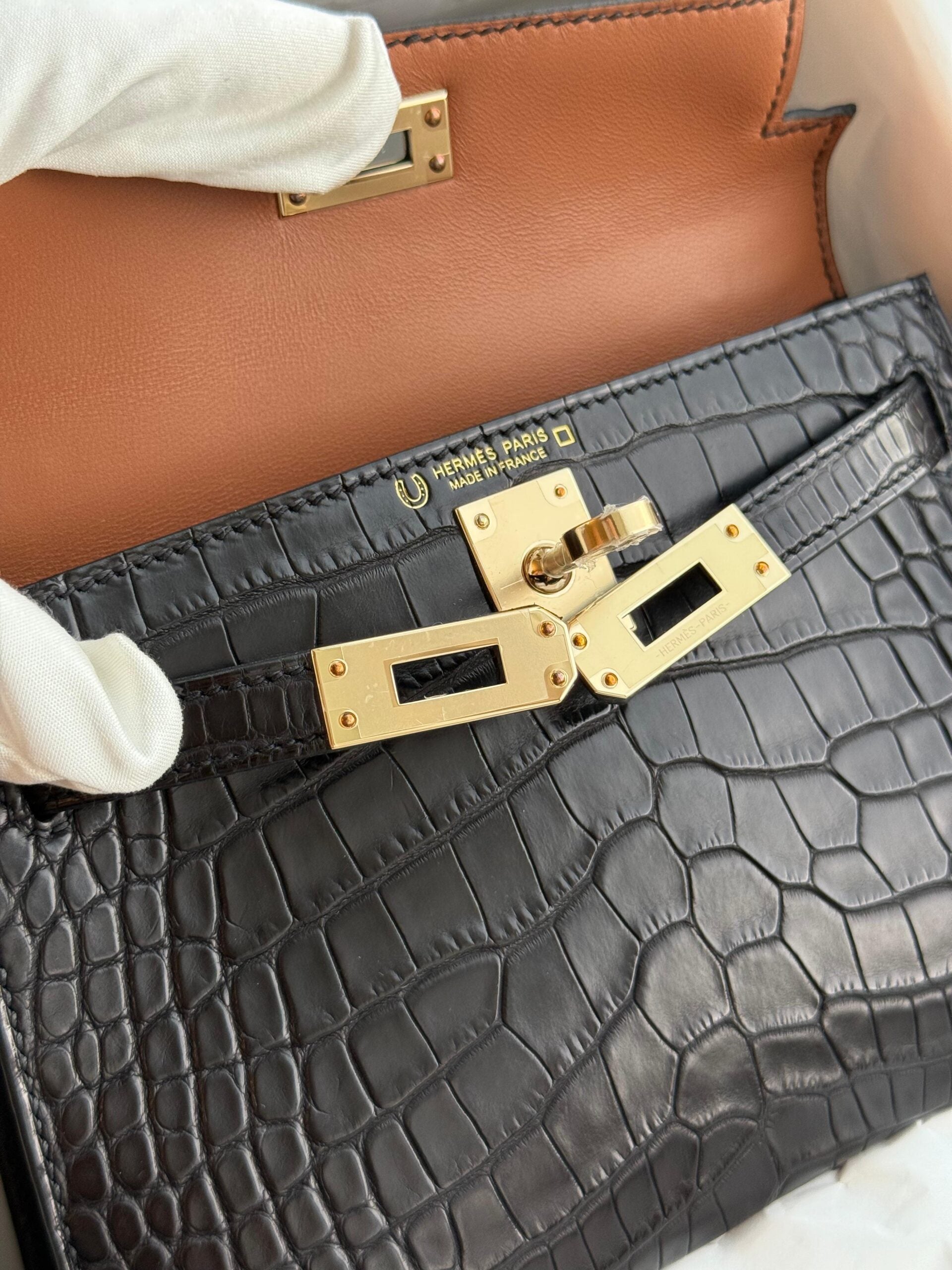
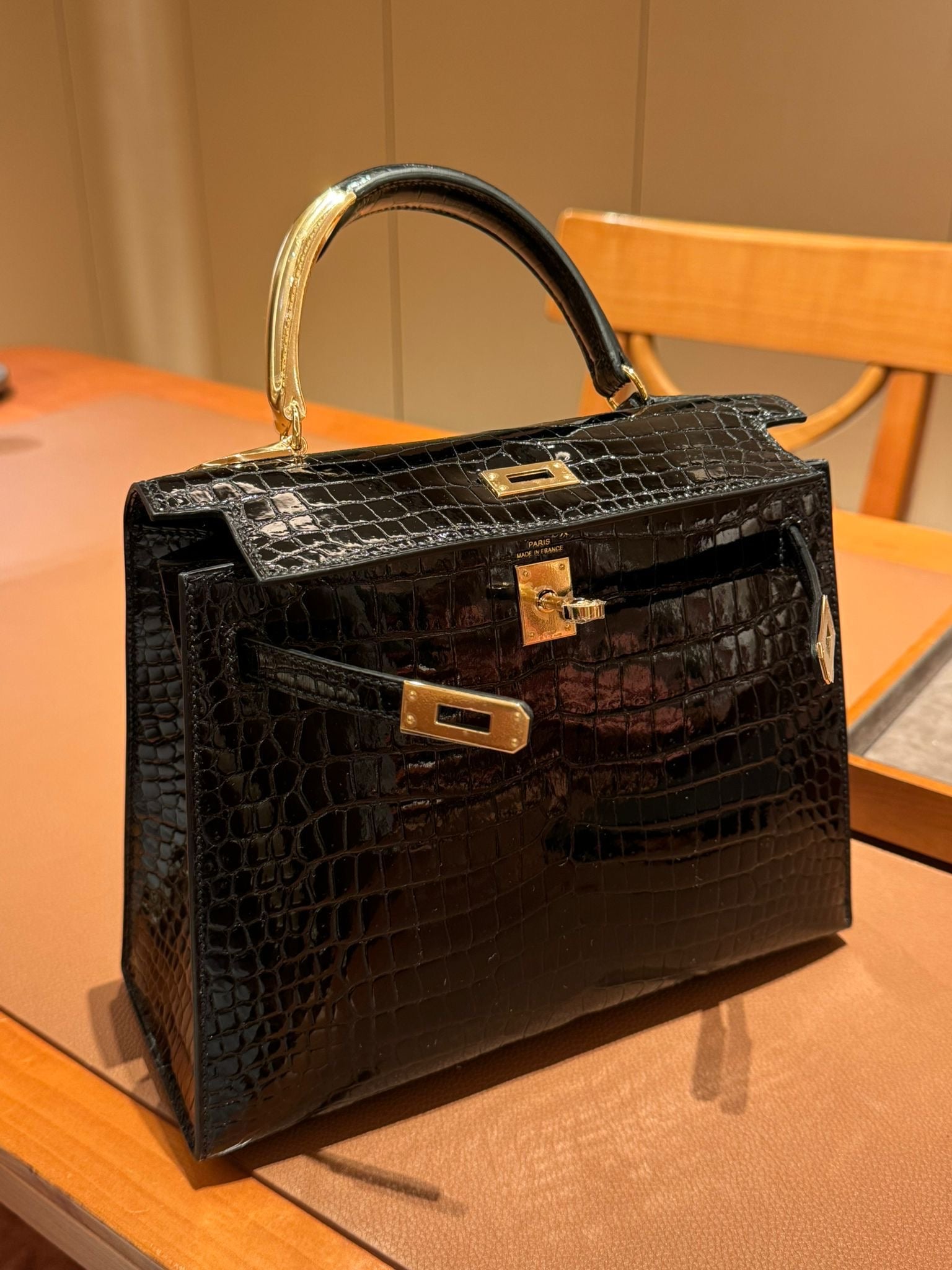
    special order Mini Kelly  hermes
    A special order Mini Kelly ©Luxe Buyers Club

    Uzunova’s core focus remains anchored in Hermès, where controlled distribution and limited production intensify both demand and secondary market premiums. “We’ve sourced a fair share of Hermès Himalayan Birkins. An example that always pops into my head is a very rare – one in the market type of rare – special order piece, which is an Hermès Exotic Mini. It required insane logistics to get it from France – with multiple flights to and the right documentation.”

    She adds that “we recently had a celebrity client who bought an Hermès Exotic Shoulder Birkin, which is beautiful. Clients will fight over it, because there’s so few in circulation. Even the auction houses don’t have access to them.”

    Contemporary cultural moments also feed directly into this ecosystem of demand and scarcity. “Chanel has been the talk of the town [this year]. Everyone is talking about the Hailey Bieber bag (the Large Shopping Bag from Matthieu Blazy’s debut Spring/Summer 2026) – we sourced three just last week. They were allocated one per Chanel boutique around the world.”

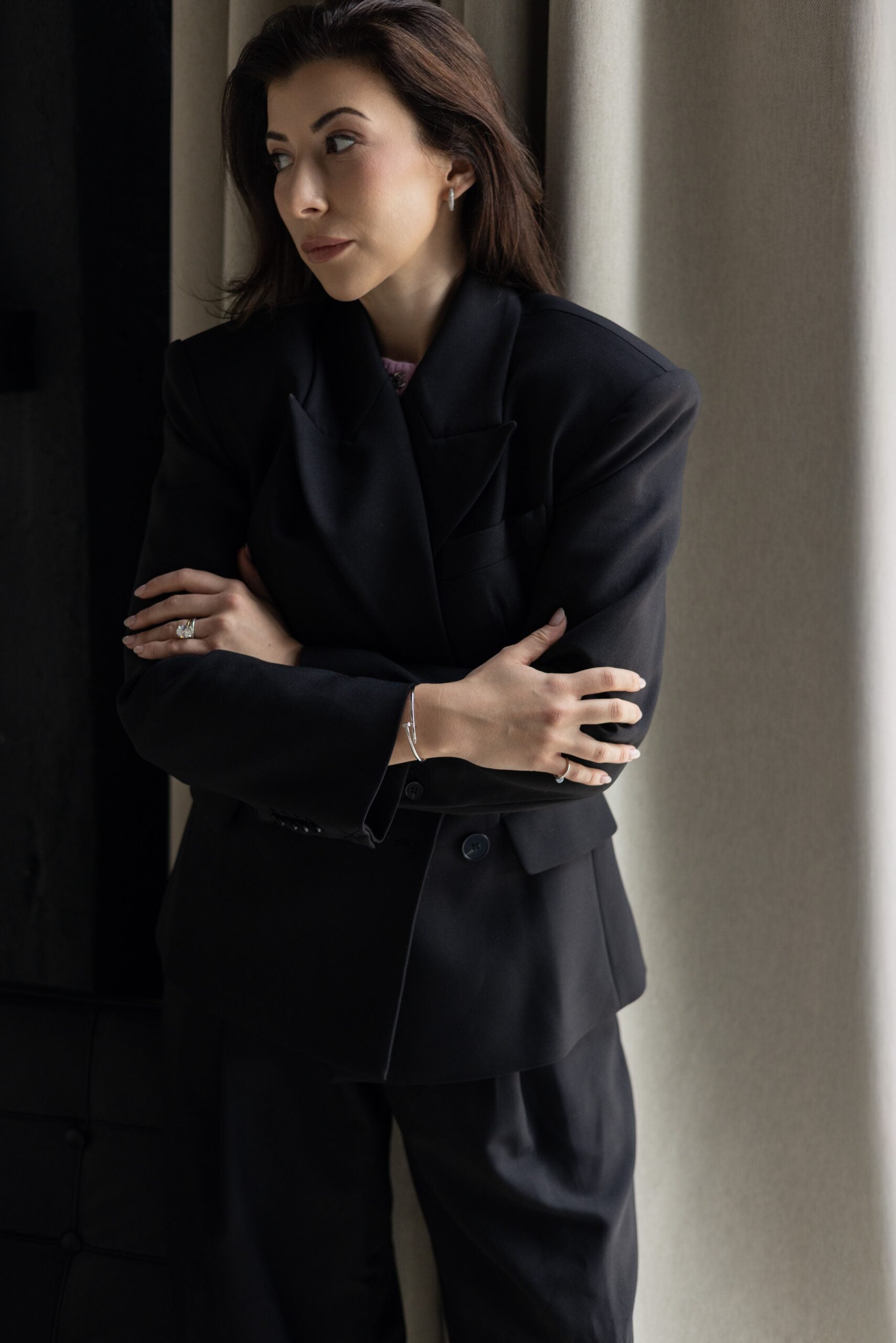
    joanna Luxe Buyers Club
    ©Luxe Buyers Club

    With a sourcing team embedded across fashion capitals – “my shopping team are the feet on the ground that shop full time in Paris, London, and Hong Kong” – the scale of the operation is clear. “A lot of our clients are based in the US, UAE, Hong Kong, and Singapore. Given the nature of the service that I offer, which is white glove and hand delivery around the world, we travel often to see clients. I’m in Switzerland every other week.”

    kelly midas gold exotic
    A Kelly Midas Gold Exotic ©Luxe Buyers Club

    The service that Luxe Buyers Club offers extends beyond acquisition into lifecycle planning, mapping client behaviour across travel, wardrobe needs, and future purchasing cycles. “The biggest part of what we do that I love the most is that we know our clients’ lifestyle inside-out. For example, I would know that my client in Zurich is traveling in two weeks’ time, and I know what her family’s needs are going to be, what luggage they’re going to need.”

    Yet despite the visibility of certain pieces, her client base itself remains intentionally private. “A lot of our clients are super anonymous. They’re very open to new things and are early adopters as well.” At scale, however, output remains relatively contained – underscoring how narrow the apex of the market truly is. “I want to say last year, we probably sourced around a hundred bags.”

  • Own a Piece of Pop Culture History as Rare Hollywood Collectibles Head to Auction

    Own a Piece of Pop Culture History as Rare Hollywood Collectibles Head to Auction

    Marilyn Monroe photographs, Sinatra’s address book, and Bowie furniture, these are the rare artefacts heading under the hammer soon.