
Spanning three levels atop the Rivage Bal Harbour, the pad is centered around wellness and longevity. Spanning three levels atop the Rivage Bal Harbour, the pad is centered around wellness and longevity.
Рубрика: General
-

Zeelander’s Newest 48-Foot Yacht Is Bentley on the Outside, Hermès on the Inside
The 48-footer was custom-built for a highly experienced Turkish yachtsman. The 48-footer was custom-built for a highly experienced Turkish yachtsman.
-
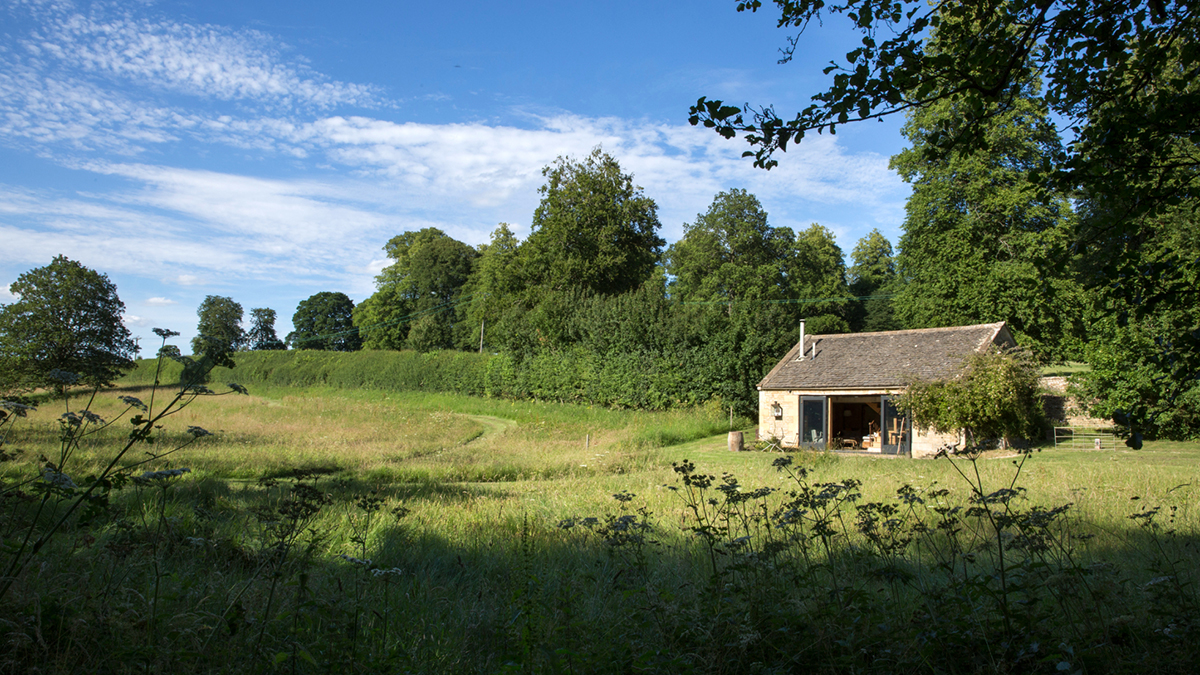
This Former Barn in the Cotswolds Was Reimagined as a Cozy Rural Retreat
Designed by antiques dealer and designer Christopher Howe, Barton Meadow Lodge in Gloucestershire is now asking $1.3 million. Designed by antiques dealer and designer Christopher Howe, Barton Meadow Lodge in Gloucestershire is now asking $1.3 million.
-
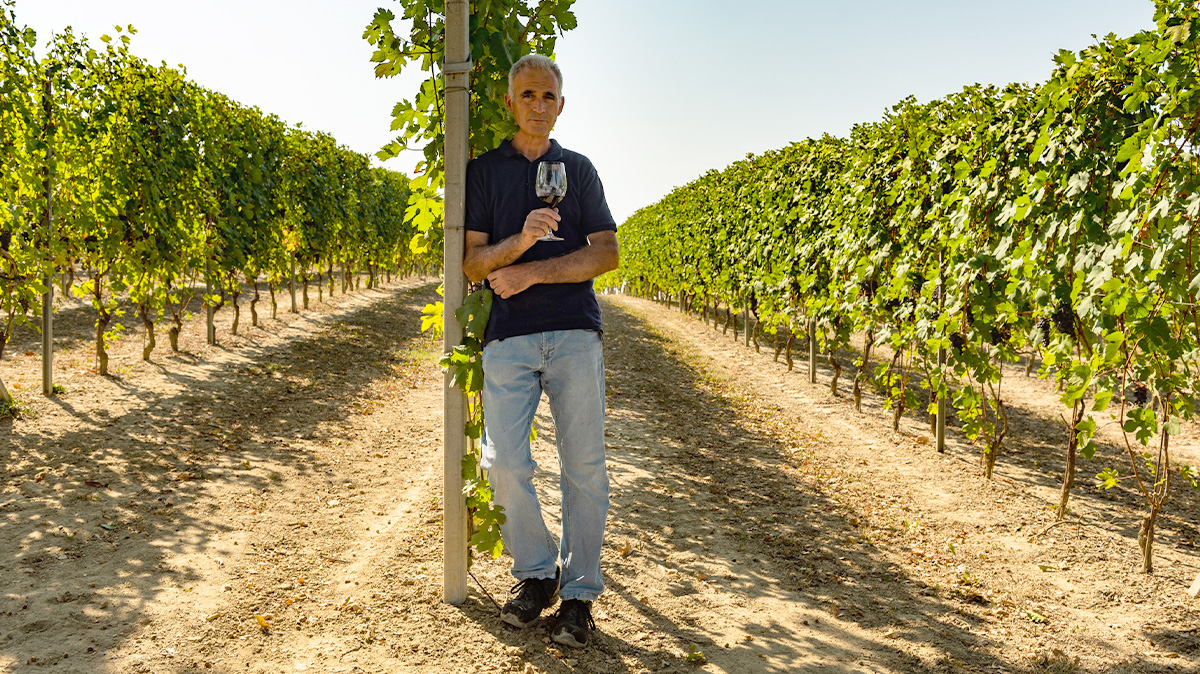
Meet the Barolo Masters Betting Big on Barbaresco
Barolo gets all the prestige, but don’t sleep on its neighbor. Barolo gets all the prestige, but don’t sleep on its neighbor.
-
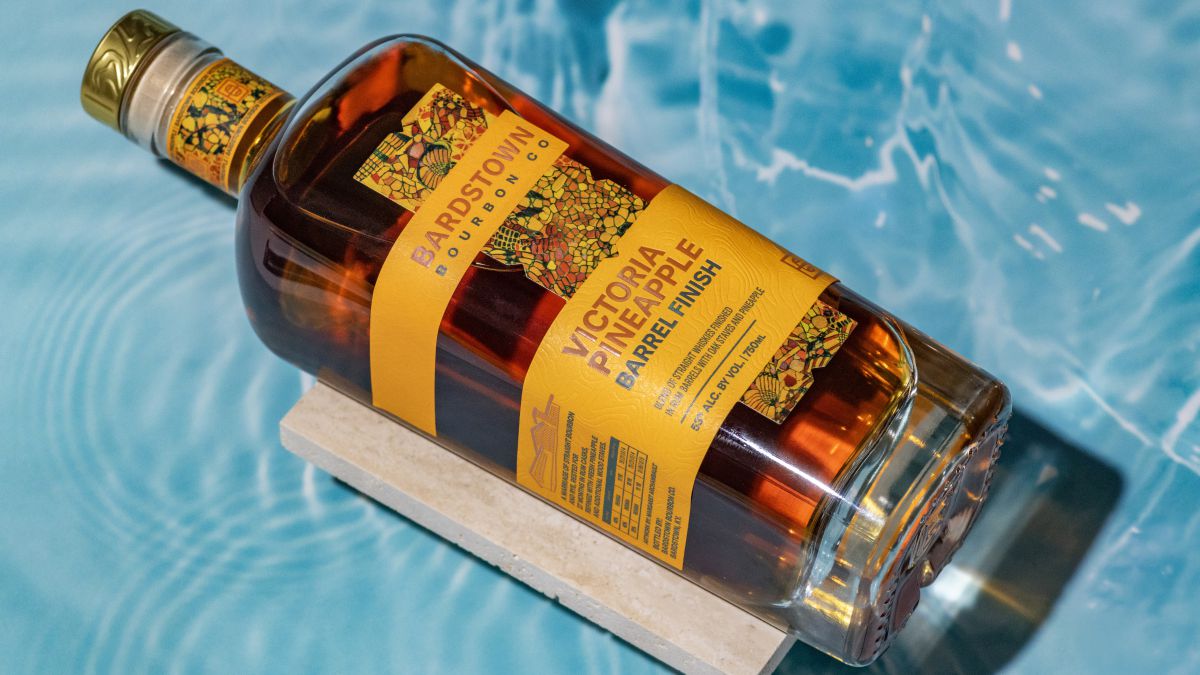
Taste Test: This Whiskey Finished in Pineapple Rum Casks Is a Fantastic Summertime Sipper
Bardstown Bourbon Company’s latest is a weirdly delicious cask-finished whiskey blend. Bardstown Bourbon Company’s latest is a weirdly delicious cask-finished whiskey blend.
-
How to Keep Your Manicured Gardens Blooming During a Heatwave
As scorching temperatures become a fixture of summers across Europe and the US, here’s what you should be asking your gardening teams to do.

Perfectly striped lawns, sculpted topiaries, and borders in perpetual bloom are among the most recognizable symbols of a luxury estate. But as prolonged heatwaves become an increasingly familiar feature of summers across Europe and the US, gardeners are being forced to reconsider what it means to keep a landscape thriving.
Few places understand that challenge better than the Royal Botanic Gardens, Kew. «Kew Gardens is home to over 15,500 plant species, many of which are of high conservation or historic value,» says curator of living collections, Alexander Summers. «In the face of rising temperatures and prolonged dry spells, our approach must be both responsive and strategic.»
That begins with accepting that not every plant needs the same level of care. «We prioritize irrigation where it’s most needed – focusing on younger trees, rare species, and those most vulnerable to drought,» he explains.
As Summers notes, mature trees and established planting can often withstand far more than expected, while newly planted borders, specimen trees, and valuable collections require greater attention during periods of extreme heat. Rather than attempting to keep every corner of a garden looking untouched, the most thoughtful approach may be knowing where intervention matters most.

When there are shortages, it’s important to prioritize which plants require water the most ©Unsplash Kew is also changing the way it uses water. «We are moving towards the use of data-guided watering systems to deliver moisture directly to the root zone and apply thick layers of composted mulch to lock in soil moisture and improve structure,» says Summers.
The technology may be a little more sophisticated than most private gardens require, but the principle still applies: water should go where plants need it most. National Trust gardeners follow the same approach, advising against frequent shallow watering, which encourages surface roots. Instead, deeper, less regular watering helps plants develop stronger root systems and withstand dry conditions for longer.
One of the simplest solutions the National Trust recommends is also one of the oldest. «An organic mulch to a depth of 5cm (approx. two inches) on the surface of the soil when soil is moist in spring will help conserve water in summer,» says garden researcher Rebecca Bevan.

Conserve water and protect other species by letting lawns go brown during the heatwaves ©Unsplash Perhaps the biggest adjustment these summer heatwaves will bring, however, is one that many estate owners may find hardest to accept: letting parts of the lawn go brown. A flawless stretch of bright emerald green grass has been the hallmark of a well-kept country estate. But as water becomes an increasingly precious resource during prolonged heatwaves, leading horticulturalists argue that preserving every blade of grass may come at the expense of the plants that matter most.
«To conserve water, where possible we avoid irrigating lawns and manage long flower-rich grassland, which is more resilient to drought,» says Summers. Hamish Bett, gardener at Scotney Castle, takes an equally pragmatic view. «Grass is very good at dealing with a lack of water; even if it turns brown it will be able to bounce back when the rains return later in the year. At Scotney we never water grass, even in a heatwave.»
See also: The Most Beautiful Botanical Gardens in the World
It may not be the most aesthetically pleasing solution, but allowing secondary lawns to fade during the hottest weeks of summer can free up valuable water for specimen trees, newly planted borders, and rare collections. The lawn will recover; a mature tree lost to drought may not.

Speak with your head gardener and teams to future-proof your landscape for more frequent heatwaves ©Unsplash Bett also recommends watering containers, pots, and vulnerable planting early in the morning or last thing in the evening, when cooler temperatures reduce evaporation and allow moisture to reach the roots.
Likewise, not every traditional gardening task is beneficial during extreme heat. National Trust experts advise against digging dry ground, which can damage soil structure, disturb stressed roots, and accelerate moisture loss. Sometimes, the best thing a gardener can do is simply wait.
The impact of rising temperatures extends beyond planting schemes. At Fountains Abbey and Studley Royal Water Garden in North Yorkshire, one of the UK’s finest Georgian water sculpture gardens, heatwaves have transformed routine maintenance.
The site’s shallow ornamental ponds have experienced a surge in pond weed growth, requiring gardeners to intervene weekly to preserve the 250-plus-year-old landscape. «The garden’s creators couldn’t have imagined the challenges that climate change is bringing us,» says garden manager Justin Scully. «But as custodians, our job is to safeguard this beautiful place so that people can keep enjoying it.»

Water fountains and features may require additional upkeep during prolonged heatwaves ©Unsplash That said, adaptation does not only bring challenges. This summer, hundreds of common orchids appeared around the abbey ruins for the first time, thought to have emerged after dormant seeds were encouraged into bloom by unusual weather conditions.
At Kew, these changing conditions are already shaping the gardens of the future. «We’re adapting to the changing climate through our species selection,» says Summers. «Plants from warmer, drier areas of the world with climates similar to Kew’s future conditions are being collected and planted to replace failing species.»
For private estate owners, speak with your head gardener about where water is being prioritized, whether mulching could be expanded, if irrigation systems are fit for purpose, and whether future planting schemes should favor more resilient species.
-

Ferrari Will Unveil 2 New Models by Year’s End
The executive also said the company has started testing out biofuels. The executive also said the company has started testing out biofuels.
-

How These Exclusive Private Jet Tours Around the Globe Are Changing Group Travel
Aman, Four Seasons, and more brands are taking your adventures to new heights. Aman, Four Seasons, and more brands are taking your adventures to new heights.
-

Boucheron’s Bold New Necklace Is Home to 580 Carats of Smoky Quartz
The piece takes design inspiration from Victorian-era tattoos. The piece takes design inspiration from Victorian-era tattoos.
-

How Dior Made Its Best-Selling Men’s Fragrance Even Richer
The new Sauvage Extrait brings a sixth distinct scent to the world’s most popular fragrance family. The new Sauvage Extrait brings a sixth distinct scent to the world’s most popular fragrance family.