Автор: karymsakov_qq4zn395

  • The Tack Room Is the Most Unexpected Design Trend Right Now

    The Tack Room Is the Most Unexpected Design Trend Right Now

    Tack rooms aren’t just for storage anymore – designers and riders are turning them into considered, personal spaces. 

    Reschio Hotel tack room

    If the answer once lay firmly in the negative – tucked away behind stable doors, dimly lit, and purely functional – today’s most compelling examples suggest a decisive pivot. Across polo estates, working ranches and European riding schools, the tack room is being given renewed attention. What was once a utilitarian space for saddles and bridles now reads closer to a private dressing room on Savile Row, or even a collector’s cabinet – deeply personal, materially rich and, increasingly, designed to be lingered in.

    Leather is polished rather than hidden, brass hardware gleams under considered lighting, saddle racks are arranged with expert precision. And like any well-curated interior, these rooms tell stories – of horses, certainly, but also of their owners.

    See also: Equestrian Escapes That Let You Travel With Your Four-Legged Friend

    tack room equestrian interior design
    ©Blackburn Architects

    For designer Lindsay Gerber, that sense of narrative sits at the heart of her own compact tack room in San Francisco, which moves beyond back-of-house function to become a highly considered space. “This tiny tack room design evolved in such an organic way and showcases a handful of treasures I’ve collected over the years,” she explains. A deep, mossy green plaster from the Color Atelier collection by Douglas Friedman – in a shade aptly named Oil – wraps the space, echoing the surrounding oak trees, while bridles hang beneath hand-painted BDDW cowboy tiles depicting members of Gerber’s family.

    Hardware and hooks by Nickey Kehoe are illuminated by a vintage pendant sourced from Obsolete which casts a warm glow overhead. A saddle from Gerber’s junior hunter days is displayed in front of an 18th-century blanket chest sourced via 1stDibs, and even the flooring tells a story, combining François & Co limestone in a herringbone pattern with leftover timber planks. “Putting a little effort into the most unexpected places enhances the daily experience,” she says. “I feel transported and so happy every time I unlatch the door and walk in.”

    Blackburn Architects tack room equestrian style
    ©Blackburn Architects

    That idea – of elevating the everyday rituals of equestrian life – is echoed at a larger structural scale by Blackburn Architects, whose work charts the evolution of the tack room from practical necessity to highly personalized sanctuary. “Decades ago, barns were more utilitarian,” says Nancy Easter White. “Functionality was prioritized over fancy lighting and luxury materials.” Today, however, the brief has broadened. While the horse’s wellbeing remains paramount – with careful attention paid to airflow, ventilation and site orientation – the tack room has become a canvas for expression.

    “There is no ‘perfect’ tack room,” White suggests. “These spaces are reflections of an owner’s personality.” Some read as pristine, show-ready galleries; others lean into a more nostalgic layering of well-worn halters, boots, and blankets. What unites them is a balance between aesthetic and efficiency – climate-controlled storage, bespoke joinery, even rotating tack walls and integrated lounges. Increasingly, these rooms are designed not just for storage, but for pause – places where riders might sit, regroup and, occasionally, entertain.

    This intersection of heritage and hospitality is beautifully expressed in an equestrian project in California by London-born, Los Angeles-based designer, Martyn Lawrence Bullard. The working barn was transformed into a richly layered entertaining space, drawing on the tradition of English barn conversions. “The client wanted to use the front part of the barn for entertaining,” Bullard explains. “So, I created an eclectic look inspired by the barns I knew from my childhood.” Antique horse memorabilia sourced from flea markets and vintage fairs sits alongside comfortable seating, allowing the stable-adjoined room to function as both tack room and salon. “You could dine and entertain, or sit and read a book in these beautiful surroundings,” he says, “with a horse peeking in to keep you company.”

    Reschio Hotel tack room
    ©Reschio Hotel

    Similarly, the emphasis on atmosphere and experience is particularly evident at Reschio Hotel in Umbria, where Count Benedikt Bolza – a trained architect who leads the estate’s design work from the on-site B.B. for Reschio studio – has shaped the spectacular tack room as a social heart, connected to the Teatro Equestre where weekly dressage performances unfold. Here, beneath salvaged wood paneling and shafts of natural light, riders and guests gather around an enormous table – once a kitchen workhorse – for everything from post-ride conversation to calligraphy classes. An ancient stone sink anchors the indoor-outdoor room, while a fireplace draws guests in during winter months. Every detail – from the reused materials to the horse-named pegs – reinforces a philosophy of stewardship and respect, not just for the horses but for the building itself.

    st giles house tack room
    ©St Giles House

    In some cases, this shift extends beyond the tack room altogether. At St Giles House in Dorset, the restored 17th-century Riding House reframes the stable as a place to gather, celebrate, and stay the night. On the estate of the 12th Earl of Shaftesbury, the building has been reimagined into a series of eight bedrooms, each retaining elements of its heritage structure – stalls intact, timber worn smooth with time – while introducing layers of contemporary comfort. Original stable gates now divide sleeping and bathing spaces, with exposed brick floors, freestanding copper tubs, and four-poster beds set within the former stalls.

    The tack room is no longer simply where the ride begins and ends, it has become a defining expression of equestrian living. Even for those without horses, the design lessons are clear: invest in materials that age gracefully, appreciate the beauty of utility, and allow personal history to guide the aesthetic.

  • How Tequila Took Over the UK Bar Cart

    How Tequila Took Over the UK Bar Cart

    Spicy margaritas, Palomas, celebrity-backed bottles and premium pours – tequila has overtaken gin to emerge as this summer’s defining spirit. 

    Every year, the second the mercury rises, the race to crown the drink of the summer begins. Last year belonged to the natural wine craze; the year before, the Hugo Spritz; and before that, the meme-fueled Negroni Sbagliato (that is, according to the Elite Traveler team). This summer, however, the UK appears to have made up its mind before any of us could even start pouring.

    Paloma, picante or a simple tequila-lime soda: however you take it, the UK has declared agave the spirit of the season. According to consumer data reported in The Guardian, tequila has eclipsed gin as the UK’s bestselling spirit.

    And it’s not just Brits developing a taste for tequila. Across North America, tequila and mezcal overtook whiskey as the second spirit of choice in 2023, trailing behind vodka, while also ranking among the year’s fastest-growing categories, according to IWSR Drinks Market Analysis obtained by The Spirits Business

    So what, exactly, has pushed tequila to top billing on the bar shelf? “Cocktails, simply,” says Alex Martin, editor-in-chief of The World of Fine Spirits. “That’s all down to the margarita.” A drink once relegated to sticky happy hours and sore heads has had an indisputable reputation overhaul. 

    Martin tells me this has been aided by bartenders who appreciate its simplicity and drinkers who understand exactly what they’re ordering. “And we shouldn’t forget the Paloma,” Martin adds, “which was nowhere to be seen a few years ago, but is now widely recognized and available.”

    From the Paloma to picante or served straight on the rocks, the versatlity is one of the key drivers in tequila’s popularity

    Giannis Apostolopoulos, head of bars at Amazonico London, proves his point. “While the rise of the margarita, particularly the spicy margarita, has helped reintroduce the spirit to a new audience, the more telling shift is towards simplicity,” he says. That’s reflected on menus too, and not just at Amazonico but across London, where tequila lengthened with soda has quietly edged out the once-untouchable gin and tonic.

    Martin argues gin may have overcomplicated itself. “The beauty of the G&T was its simplicity  – two ingredients and delicious,” he says. “Now the consumer has to decide which gin and which tonic they want before they can get a drink.” When pushing through a crowded bar, that can make ordering a drink feel like conducting a research project. By contrast, everyone understands a margarita. No tasting notes required.

    Then there is the celebrity factor, impossible to ignore and, frankly, difficult to sneer at when it works this well. “It’s easy to turn your nose up at celebrity brands,” Martin says, “but they are hugely influential.” 818 Tequila, backed by Kendall Jenner, and Casamigos, founded by George Clooney, have helped entice curious drinkers to try the spirit. “They draw new people into the category, and a good portion of them stick around and start exploring.”

    Once associated with ill-advised shots, salt packets, and lime wedges (not forgetting the subsequent blurry evenings that follow), tequila has been recast as something to sip, savor, and discuss. Premium expressions, additive-free producers, and heritage distilleries have all helped move the conversation, but, of course, every boom invites the inevitable question: can it last? 

    Martin thinks it can, but only if brands resist getting carried away. “If tequila brands try to take advantage of their popularity through premiumization and aggressive expansion, consumers will switch off,” he warns. Quality and value, not hype, will determine whether agave keeps its crown.

  • In Koh Samui, This Oceanfront Residence is Designed to Make You Leave Your Schedule Behind

    In Koh Samui, This Oceanfront Residence is Designed to Make You Leave Your Schedule Behind

    The private residence at Anantara Lawana Koh Samui Resort rethinks the resort stay as something more personal, and far less prescriptive. 

    Touch down on Koh Samui and, within minutes the noise of the journey starts to fall away. The drive from the airport to the northern curve of Chaweng Beach is short (seven minutes if we’re being precise), but on arrival at Anantara Lawana Koh Samui Resort, the island begins to feel surprisingly easy to slip into.

    The Two-Bedroom Oceanfront Residence sits slightly apart from that arrival rhythm. Not hidden, exactly, just quieter, and a little more self-contained.

    The Two-Bedroom Oceanfront Residence is centred around the private terrace and pool

    Inside, that sense of ease continues. The design follows the resort’s Sino-Thai influence, but in a way that feels toned down and more liveable, with earth-toned interiors, soft textures, and the occasional tortoise motif woven in.

    It’s here that the idea of flexibility starts to make sense. There’s no fixed programme to follow and no pressure to ‘do’ your vacation in a particular way. Instead, the residence takes its cue from whoever’s staying in it, shaped in part by the dedicated villa host who quietly adapts things in the background.

    The role of the villa host isn’t about scheduling so much as reading the stay as it unfolds, adjusting to a guest’s preferences without making a show of it. Plans shift, or disappear altogether, and that’s the point.

    The interior design similarly follows the resort’s Sino-Thai influences

    A guest might arrive with every intention of structuring their days and abandon it within 24 hours. A yoga session can happen on the terrace at sunrise. Muay Thai or personal training might come up casually over breakfast and be arranged that same afternoon. Or the day is left completely open, save for meals and the vague idea of leaving the villa, which may or may not happen.

    The layout of the villa supports that kind of looseness. Two en-suite bedrooms are set apart enough to give everyone their own space, while the central living area opens out onto an oceanfront terrace and its private infinity pool.

    Expect earth-toned interiors, soft textures, and the occasional tortoise motif woven in throughout the residence

    Dining follows a similar rhythm. While the wider resort offers plenty in the form of nine dining venues – from the beach-front Mediterranean restaurant Sandal to fine dining above the jungle canopy at Tree Tops – it’s often the in-residence meals that stick. Not because they’re elaborate, but because they don’t need to be: a private BBQ one night, something simple the next. There’s no real sense of occasion unless you decide there is one.

    Adaptability is the whole point. Not a curated schedule, but the freedom to change one – or ignore it entirely. At Anantara Lawana Koh Samui Resort, where service is already instinctive, the residence just pushes that idea a little further, into something that feels more personal, without making a big thing of it.

    anantara.com/lawana-koh-samui/two-bedroom-oceanfront-residence

  • Adam Albin Is Stockholm’s Most Beautiful New Restaurant

    Adam Albin Is Stockholm’s Most Beautiful New Restaurant

    The Reservation: In a city known for its style, Adam Albin might just be the most aesthetic opening. 

    adam albin restaurant stockholm

    After 13 years as one of Stockholm’s top restaurants, Adam/Albin shut its doors in late 2025. Chefs Adam Dahlberg and Albin Wessman first launched the project in 2012, and it became one of Sweden’s most successful culinary partnerships, with the duo going on to launch outposts across the city. 

    But, the closure of their first-born wasn’t to be the end for the duo, and in mid-April of this year, they re-emerged on the scene with the opening of Adam Albin. Although similar in name, the new iteration marked a step up. Their first project was awarded its first Michelin star nine years in; it’s clear that the team are looking to get such accolades much sooner this time around.

    See also: The Belmond British Pullman Is Getting a Michelin-starred Upgrade for One Day Only

    adam albin restaurant
    ©Henrik Lundell

    Dahlberg and Wessman first met cooking under Mathias Dahlgren at Bon Lloc (which was regarded as a pioneer of vegetable-driven fine dining until its closure in 2004) and continued to work for the Bocuse d’Or-winning chef when he moved to Grand Hôtel. While both chefs by trade, throughout their partnership, their roles have become more defined, and at Adam Albin, Dahlberg leads the creative and gastronomic direction, while Wessman acts as the restaurant CEO.

    Although guided by the principles of fine French cookery, the pair look to Nordic sensibility for their dishes. Guests can choose from ‘The Seasonal Menu’ which showcases the entire breadth of the offering, or ‘The Selection Menu,’ which, via a ‘dialogue with guests,’ allows diners to select their own three courses. Head sommelier Frida Winters and wine director Sören Polonius work together to create personalized wine pairings. 

    See also: Is Ottolenghi’s First Amsterdam Restaurant Worth It? Here’s Our Verdict

    adam albin restaurant interiors
    ©Henrik Lundell

    While Adam Albin is undisputedly high-end, Dahlberg and Wessman are keen to emphasise that it has none of the rigidity normally associated with fine dining, and want to let their guests dictate pace and tone.

    “For us, luxury is not about excess; it is about time, precision and genuine care. We want every guest to feel completely looked after and entirely at ease, as if they have stepped into our home,” says Dahlberg.

    adam albin restaurant
    ©Henrik Lundell

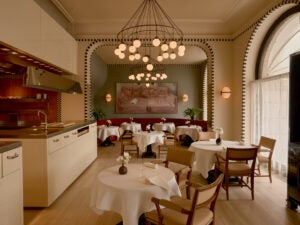
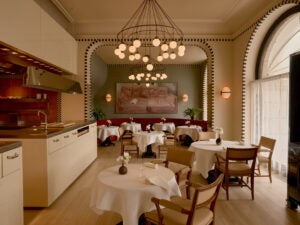
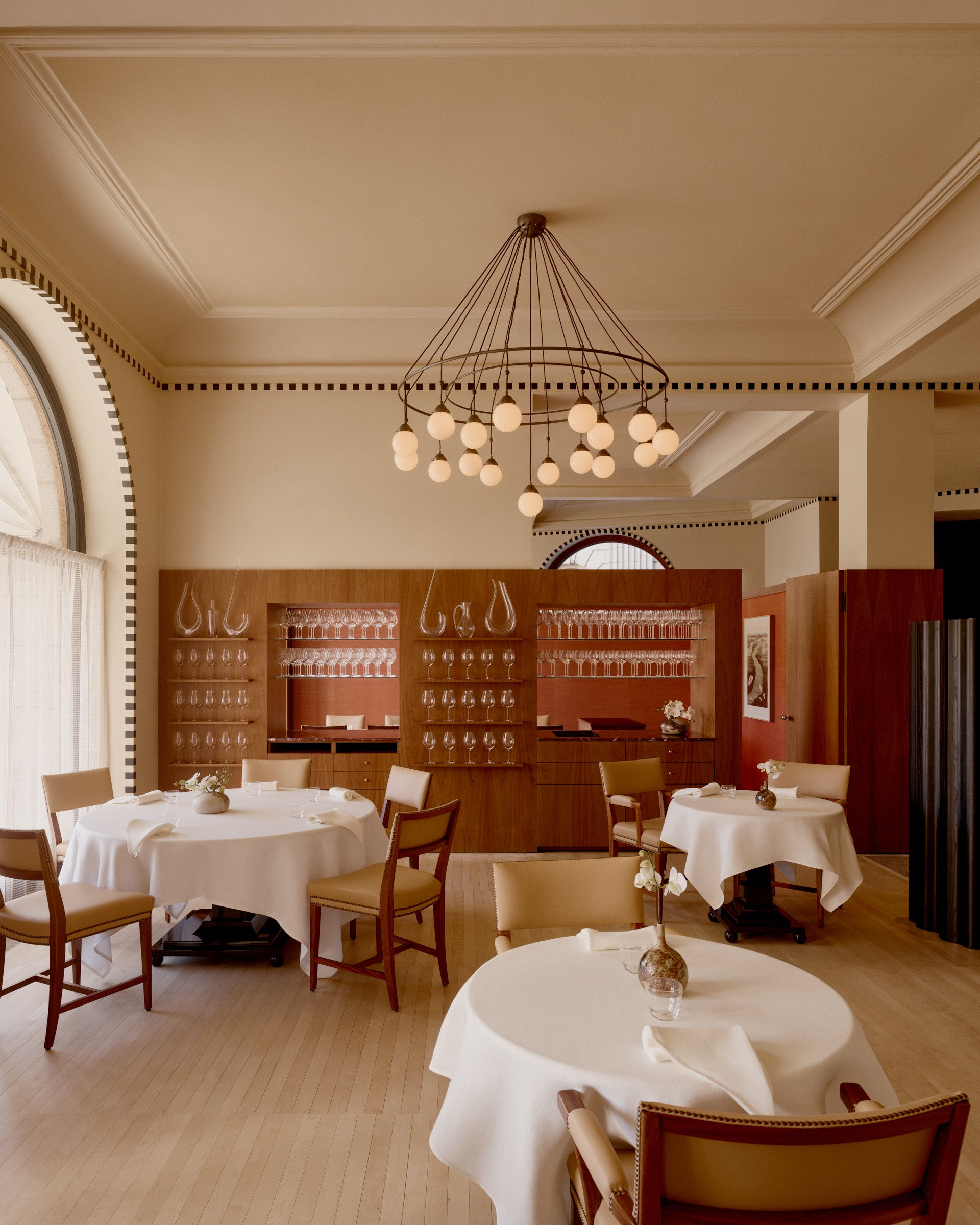
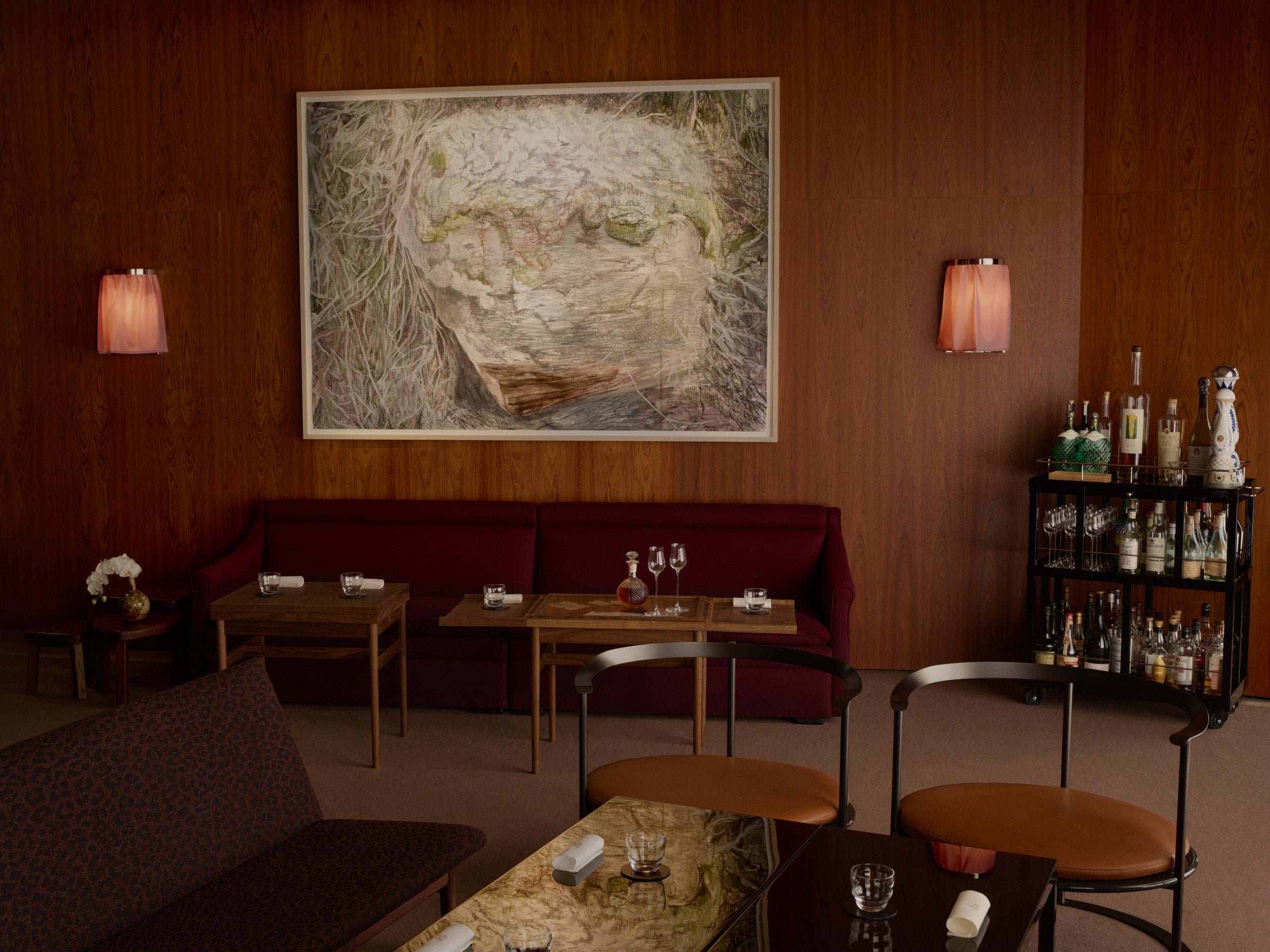
    The restaurant occupies a three-level space in a historic building, overlooking Stockholm’s Royal Palace, the Royal Opera, and the Swedish Parliament, and guest move across these floors through the course of their meal. Designed by Swedish studio Halleroed, founded by Christian and Ruxandra Halleröd, the dining room carefully avoids the cool, almost cold, look of the New Nordics and instead injects some restrained color. There’s a flash of sage green, a portion of burnt sienna, and even the odd stripe. We’ve not reached maximalism levels, but there’s undeniable warmth. 

    Adam Albin is Halleroed’s first restaurant project. “The space is classically proportioned, with large, softly arched windows that flood the room with natural light,” says co-founder Ruxandra Halleröd. “An elegant, luminous dining room felt natural, but we wanted contrast. As the premises evolved, we layered in cozy 1960s touches to offset the classical. The result truly reflects Adam and Albin: fine dining with classic rock, exuberant yet relaxed.”

  • Timothée Chalamet Now Has Ownership in Urban Jürgensen

    Timothée Chalamet Now Has Ownership in Urban Jürgensen

    The A-list actor, who has been seen wearing the watches, is now a minority investor in the independent watchmaking company. The A-list actor, who has been seen wearing the watches, is now a minority investor in the independent watchmaking company.

  • This Ferrari-Engined Beast of a Bike Sold for More Than $500,000

    This Ferrari-Engined Beast of a Bike Sold for More Than $500,000

    Max Hazan’s most challenging custom build to date is powered by a naturally aspirated V-8 from Maranello that delivers 400 hp at the crank. Max Hazan’s most challenging custom build to date is powered by a naturally aspirated V-8 from Maranello that delivers 400 hp at the crank.

  • Ferrari’s Hotly Anticipated 100-Foot ‘Flying’ Yacht Is Taking Shape

    Ferrari’s Hotly Anticipated 100-Foot ‘Flying’ Yacht Is Taking Shape

    The marque just revealed the livery of the new monohull, which, of course, is inspired by its cars. The marque just revealed the livery of the new monohull, which, of course, is inspired by its cars.

  • These Wineries Around the World are Rethinking Sustainability

    These Wineries Around the World are Rethinking Sustainability

    From Napa to New Zealand, seven winemakers are taking a more more considered approach to the land that sustains this centuries old craft. 

    Winemakers have kept track of harvest dates and yields for centuries, so they were among the first to notice the impact of a changing climate on their sensitive vines.

    To be sustainable in the long term, farming vines organically to save the soil is only one step. Many winemakers recognize they have to nurture the whole environment of their estates, including the animals that live there and the people who work on it. To fight climate change, they cut carbon emissions with solar and geothermal energy, track their carbon footprints, and keep experimenting.

    The wineries that follow are making a meaningful impact but they are far from alone.

    See also: Five Sustainable Spirits For Eco-Conscious Drinkers

    The 7 Sustainable Wineries to Know

    Felton Road, New Zealand

    New Zealand’s wine image is clean and green, and Felton Road winery in Central Otago, one of the country’s top pinot noir producers, epitomizes that ideal. To be sustainable, says owner Nigel Greening, he abandoned the idea of constantly seeking growth, which ends up exploiting the environment and puts profits first. 

    Everything Felton Road does is evaluated for its impact, starting with organic and biodynamic vineyards. Rather than spray or burn the wild roses taking over hillsides, it brought in African Boer goats to chew them up. No waste treatment plant is needed because Felton Road reuses everything, in compost, in creating brandy, or in some other way. Labels are printed with water-based inks.

    But the single greatest carbon input for wineries, Greening explains, is glass and packaging. To minimize its carbon footprint, Felton Road switched to bottles that are 22 percent lighter and packs them in recycled cardboard boxes, which reduces the amount of energy required for shipping and distribution.

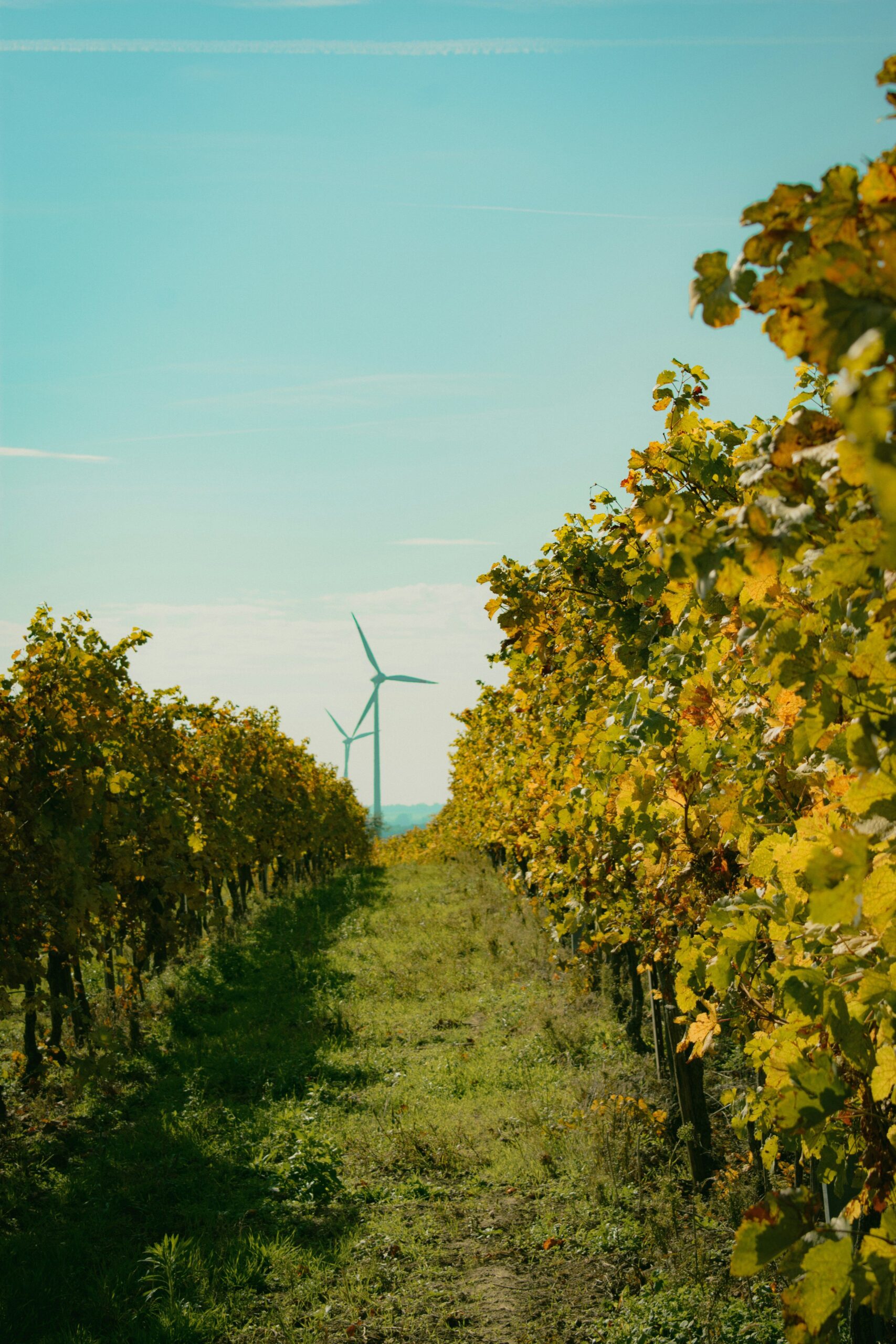
    From organic farming to harnessing renewable energy, these vineyards are taking different approaches to combat climate change ©Unsplash

    Spottswoode, Napa Valley

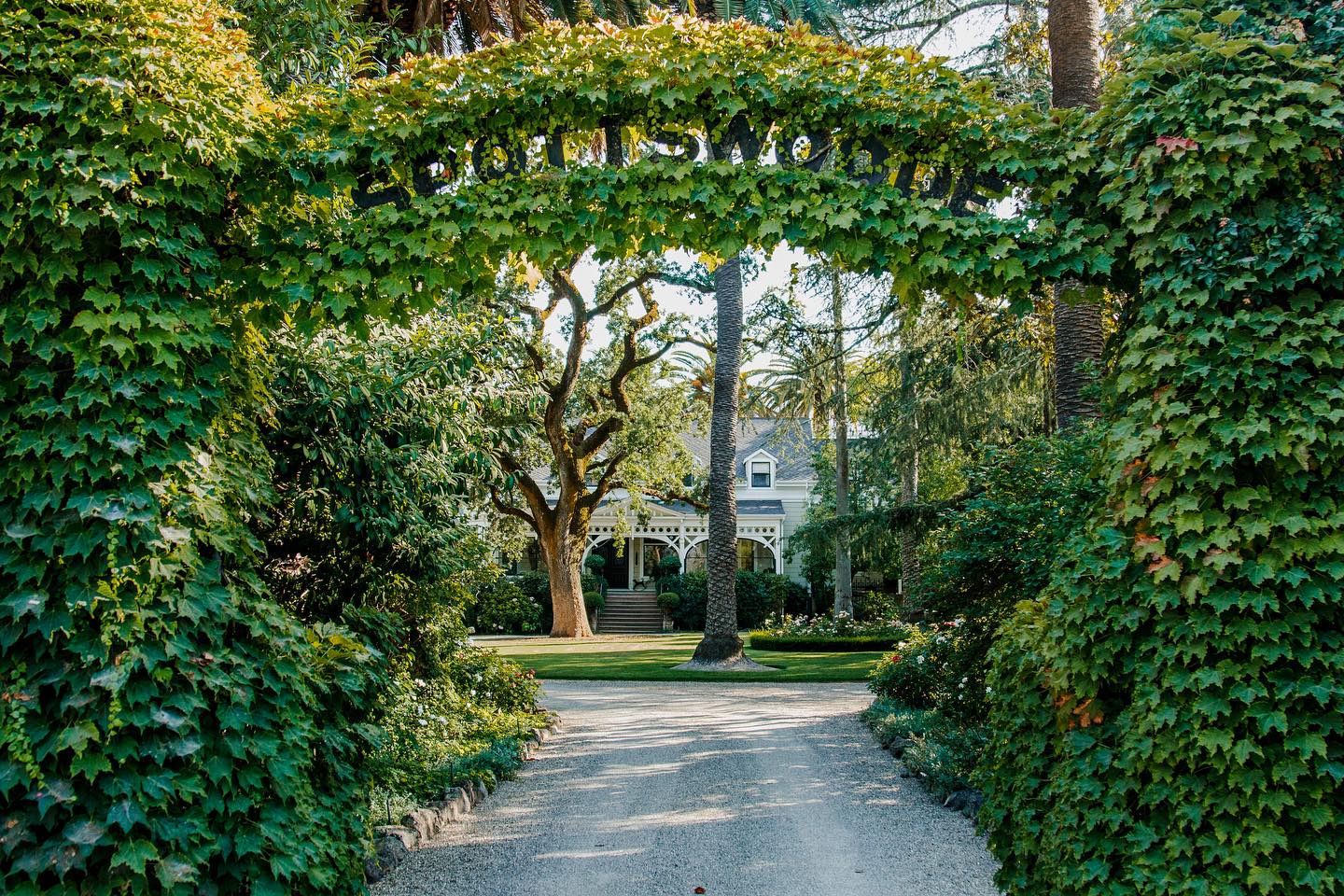
    One of the most idyllic wineries in the Napa Valley, Spottswoode’s environmental leadership is part of its history. In 1985, it was one of the first wineries in the valley to farm organically, was certified organic in 1992, and is now certified biodynamic, too. Bird boxes and insectaries dot the vineyards. Beth Novak Milliken, the second generation to run the family winery, nurtures the winery’s land and workers (while still making elegant great wines), but also sees the importance of being part of local and global initiatives like International Wineries for Climate Action. 

    Spottswoode was one of the first wineries in Napa Valley to farm organically in 1985

    Since 2007, Spottswoode has given more than $800,000 to the nonprofit organization 1 percent for the Planet. Milliken also believes obtaining certifications is essential to make sustainability efforts more transparent for consumers. In 2020, it became the first Napa winery to achieve rigorous B Corp certification, which measures both a company’s environmental impact and what it is doing for workers and the community.

    See also: Bollinger’s Cult Cuvées May Soon Disappear – Here’s Why

    Château Smith Haut Lafitte, Bordeaux

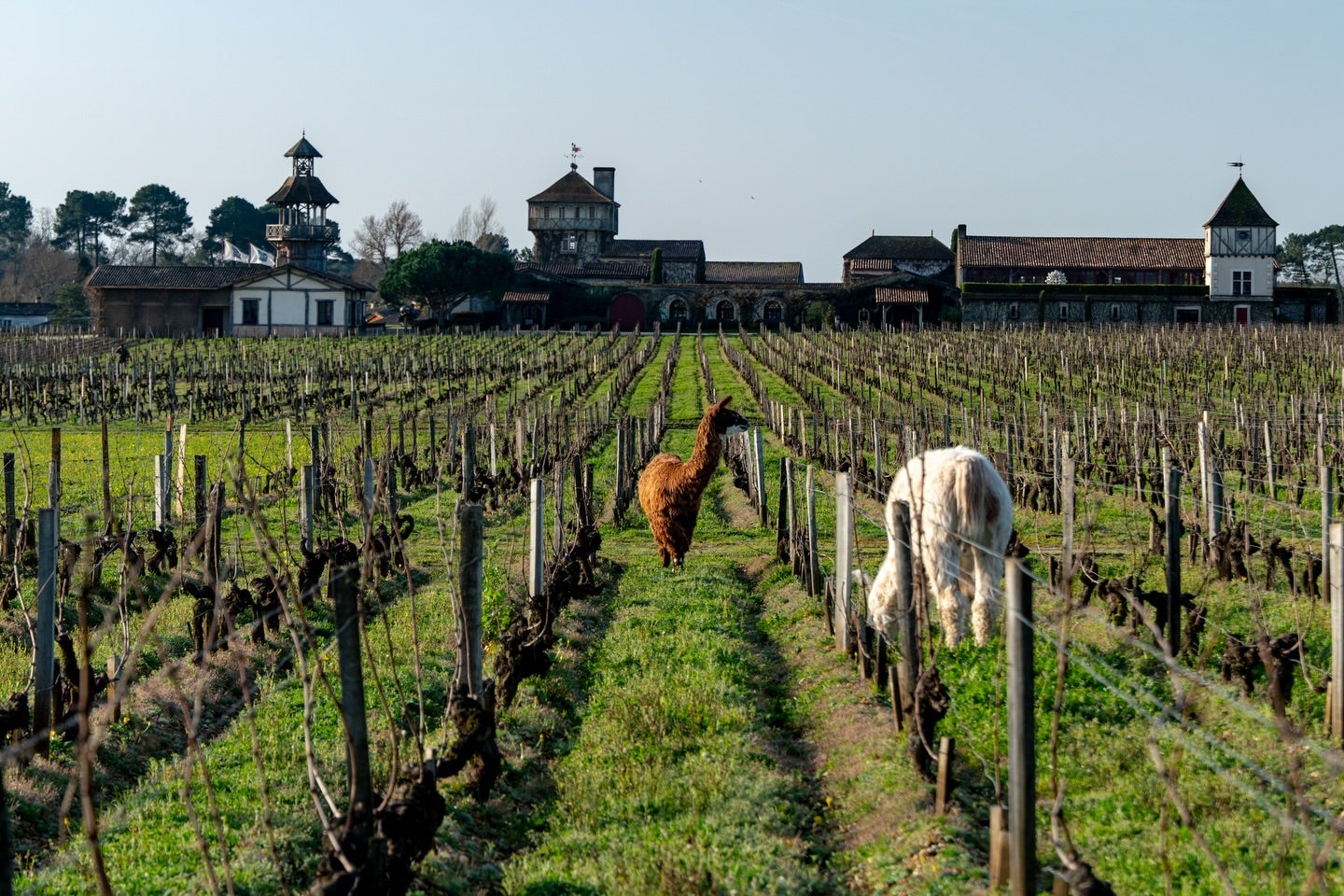
    In 1990, ex-Olympic skiers Florence and Daniel Cathiard spotted run-down Château Smith Haut Lafitte in Bordeaux from a helicopter and bought it. Since then, they’ve banished chemicals from the vineyards, relying on natural herbal medicines for the vines (phytotherapy), and fight pests through sexual confusion, a way of disrupting the mating of harmful insects. Horses and alpacas, not tractors, plow between vines to save fragile soil areas. 

    Horses and alpacas, not tractors, plow between vines at Château Smith Haut Lafitte

    And that’s not all — they’ve been leaders in the region in creating an entire ecosystem. An energy self-sufficient underground ‘stealth cellar’ for the estate’s second wines relies on geothermal and solar power. And who says recycling is dull? At the estate’s Sources de Caudalie vinotherapy spa, founded by daughter Mathilde and her husband, discarded grape seeds and vine cuttings turn into lauded beauty products. Most intriguing is the winery’s carbon-capture system, the world’s first to recycle the CO2 released by fermenting grapes into bicarbonate of soda. 

    Familia Torres, Spain

    One of the loudest evangelists in the wine world, Miguel Torres Sr is the patriarch of this 150-year-old Spanish wine company, which also has family outposts in Chile and California. Inspired by the 2007 climate change documentary An Inconvenient Truth, Torres is passionate about reducing CO2 emissions that boost warming, tirelessly urges others to join him, and co-founded International Wineries for Climate Action to decarbonize the wine industry. Now, he and son Miguel Torres Maczassek, the company’s general manager, pump 11% of the company’s annual profits into the environment and fighting climate change. 

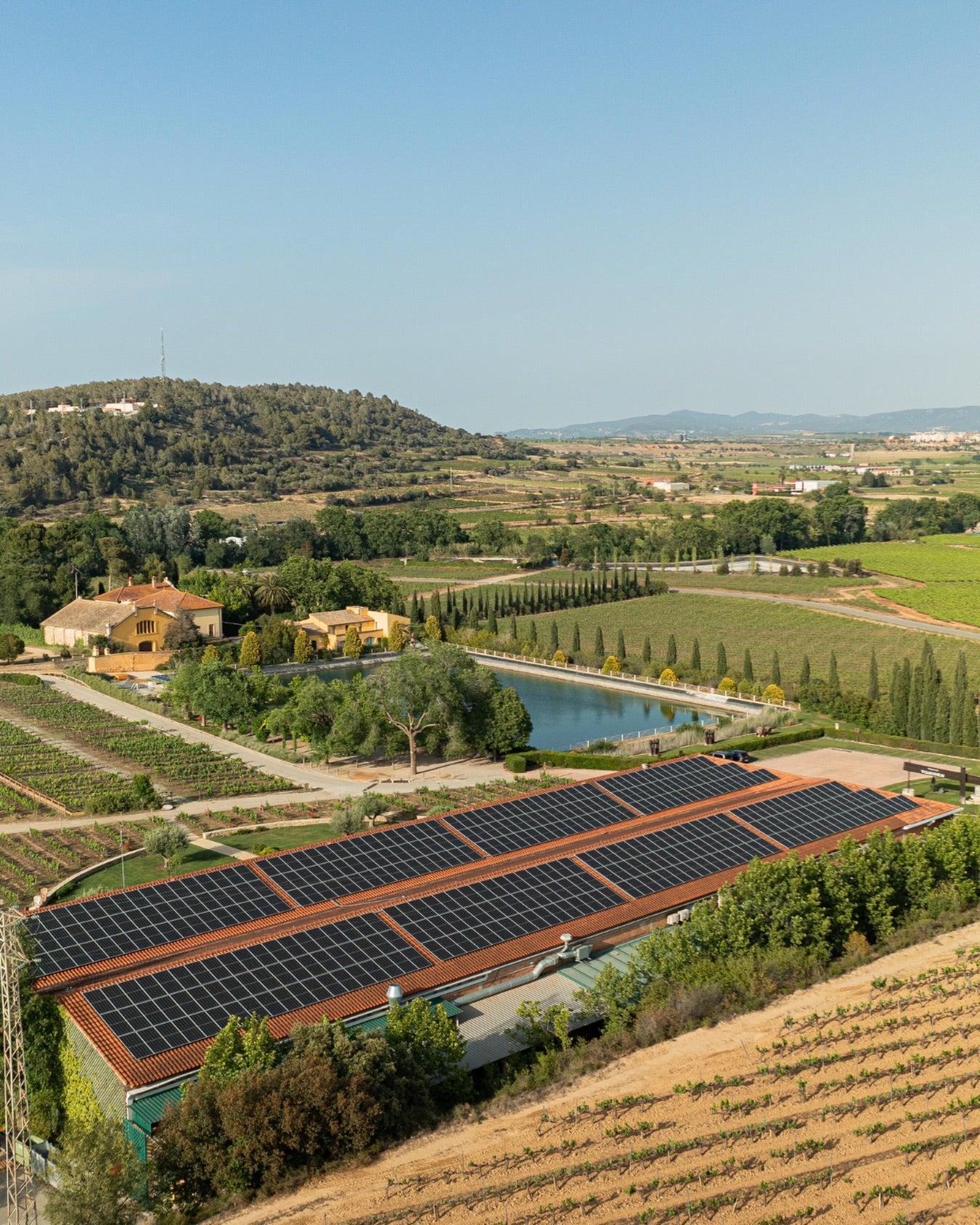
    Energy efficiency is their watchword. If you tour Bodegas Torres Wine Center in Pacs del Penedès, you’ll whiz around in a solar-powered sightseeing train. At Waltraud Winery, the white sand-covered roof reflects solar energy and reduces air-conditioning needs. A biomass boiler transforms pruned vine shoots into heat and electricity. One of the family’s current projects is their effort to bring back ancestral grape varieties that can adapt to the drought and warming brought about by climate change. The top one, so far, is 2016 Torres Forcada.

    The Torres family is bringing back ancestral grape varieties that can adapt to the drought and warming ©Familia Torres

    Jackson Family Wines, Sonoma

    Founded in 1982, Sonoma-based Kendall-Jackson winery made its mark with the popular Vintner’s Reserve Chardonnay. Now this family-owned company encompasses more than 40 premium wineries on five continents. So it was a big deal when Jackson Family Wines launched a formal sustainability program in 2008 with environmental, social, and community goals. 

    Today, the in-house sustainability champion is second-generation Katie Jackson, who has overseen the company becoming the largest generator of on-site solar energy in the US wine industry. She also began issuing regular progress reports on the winery’s actions, and co-founded International Wineries for Climate Action, helping future winemakers understand the latest innovations. They funded the Jess S. Jackson Sustainable Winery Building at the University of California at Davis, the first self-sustainable, zero-carbon teaching and research facility in the world.

    Winemakers were among the first to notice the impact of a changing climate ©Unsplash

    Chêne Bleu, Southern Rhône

    In the foothills of Mont Ventoux in southern France, in a pristine Unesco biosphere reserve, you’ll find the award-winning winery Chêne Bleu. It was an abandoned estate when committed conservationist Xavier Rolet (once CEO of the London Stock Exchange) took it on, then spent 15 years restoring it with his wife Nicole, and his wine-growing sister and brother-in-law. No toxic chemicals are used in the vineyard, and the entire site is farmed organically and biodynamically. They planted a half-hectare bamboo forest behind the winery to filter wastewater naturally, part of their zero-impact plan. 

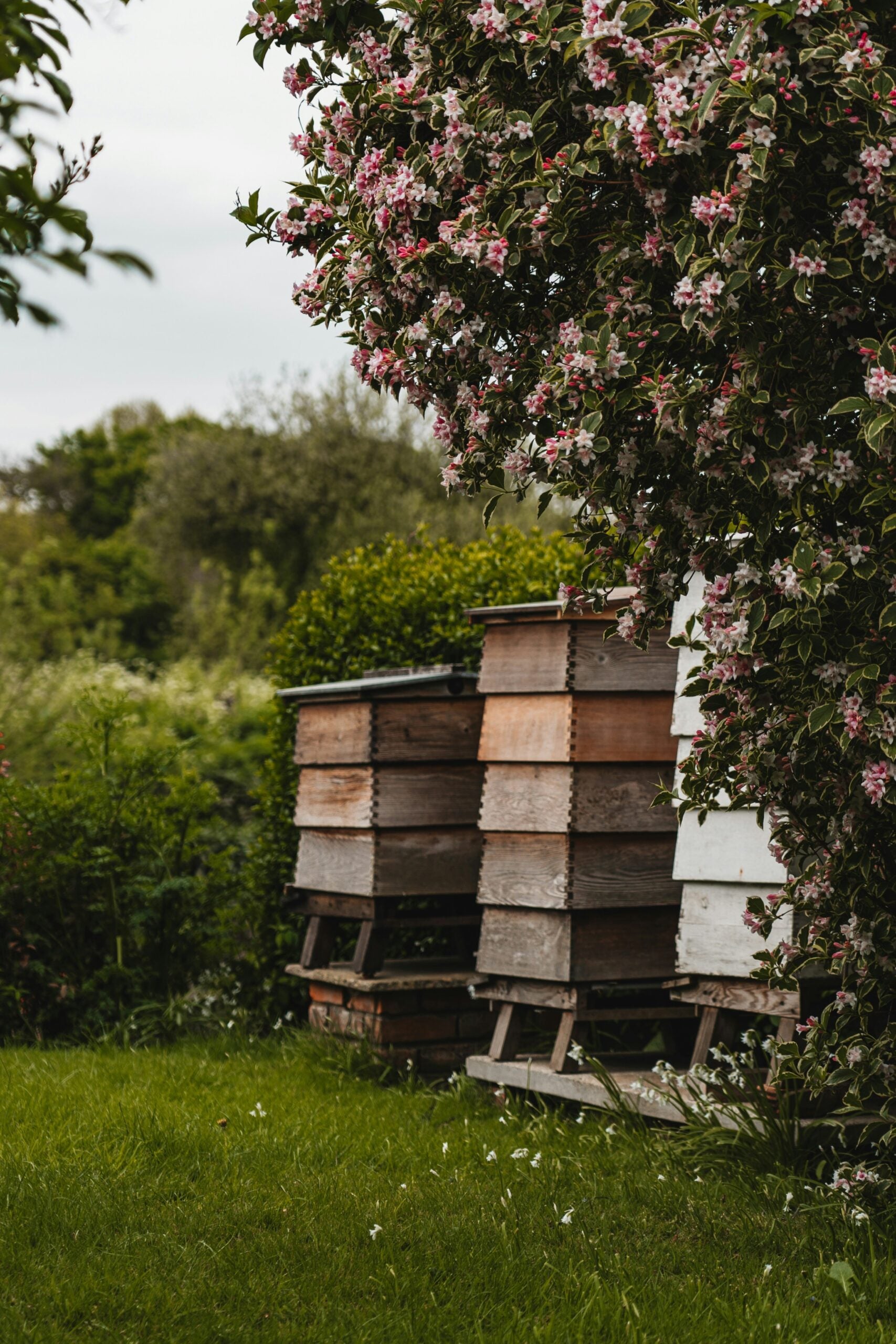
    But it’s with Sustaina-BEE-lity, or Beehives for Biodiversity, that they’re extending their environmental credentials beyond their own vineyard. It launched in 2019 with a crowdfunding campaign working with renowned bee and soil experts to answer the questions: Could bees help make vines more resilient, make better wine, enhance nature, improve profits, and decrease long-term risks? 

    Bees can help make vines more resilient, make better wine, enhance nature, improve profits, and decrease long-term risks ©Unsplash

    Rolet had been interested in beekeeping since his teen years, setting up hives near a Chêne Bleu Grenache vineyard. When some parts of it started to thrive, with higher yields, the team noticed cover crops between the rows were plusher, too. Winemakers encourage wildflowers and other plants to grow between rows because they help soil retain water and increase microbes that keep it healthy. Bees seem to help expand the biodiversity of this delicate ecosystem. Could they help wineries shift more quickly to organic viticulture, with less cost? As pesticides are contributing to the rapid and worrying decline in bee populations worldwide, the Rolets hope this idea may help save the bees, too — and make a delicious glass to toast with in the meantime. 

    Tablas Creek, Paso Robles

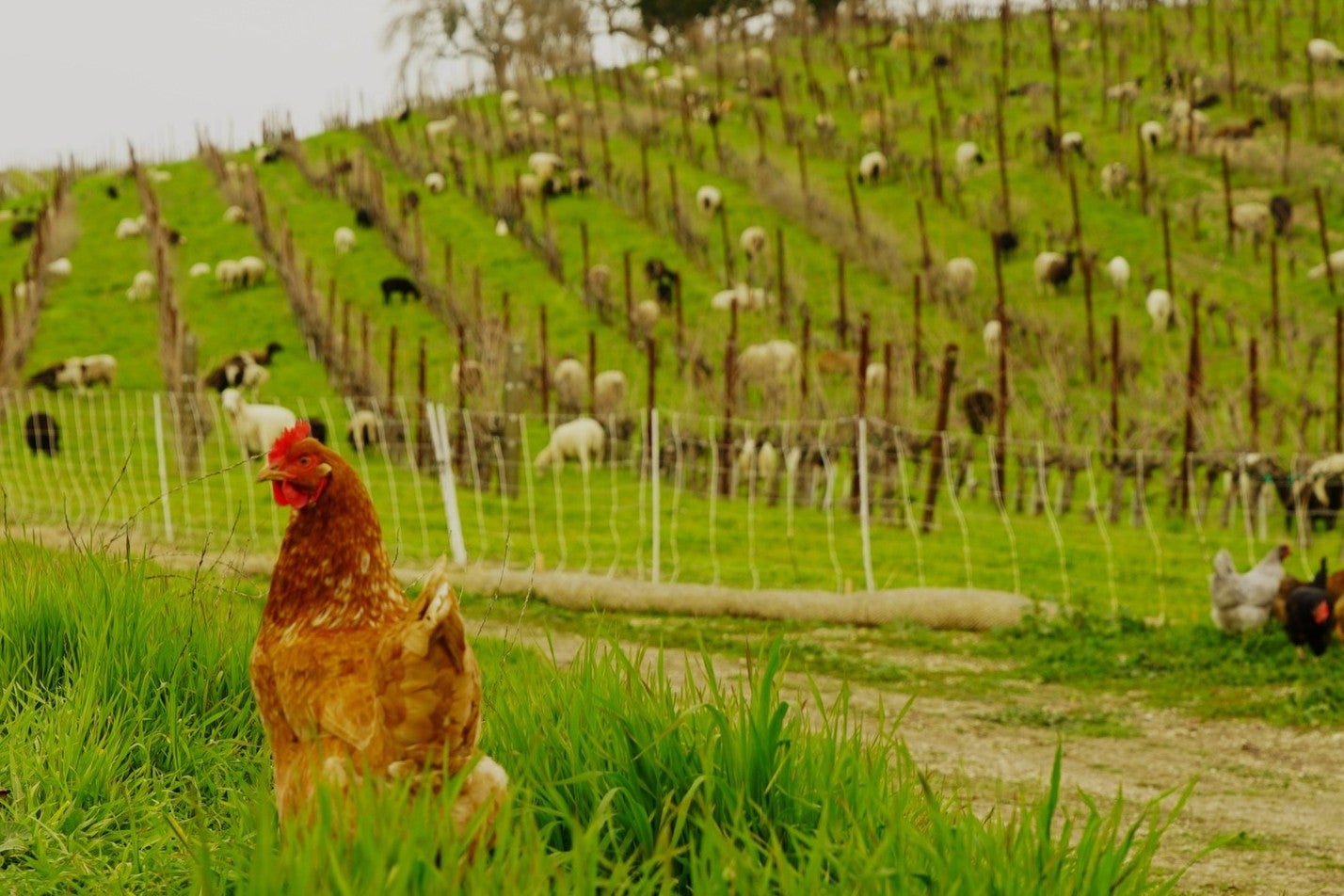
    At eco-friendly Tablas Creek winery, in California’s Paso Robles region, owls zap vine-root-eating gophers, chickens gobble up destructive insects, and black-faced sheep chow down on the weeds between rows of vines, pausing from time to time to fertilize the soil. The idea, explains partner and general manager Jason Haas, is to make a wine estate an ecosystem: his vision of regenerative farming. 

    The owners of Tablas Creek are attempting to make the wine estate an ecosystem / ©Tablas Creek

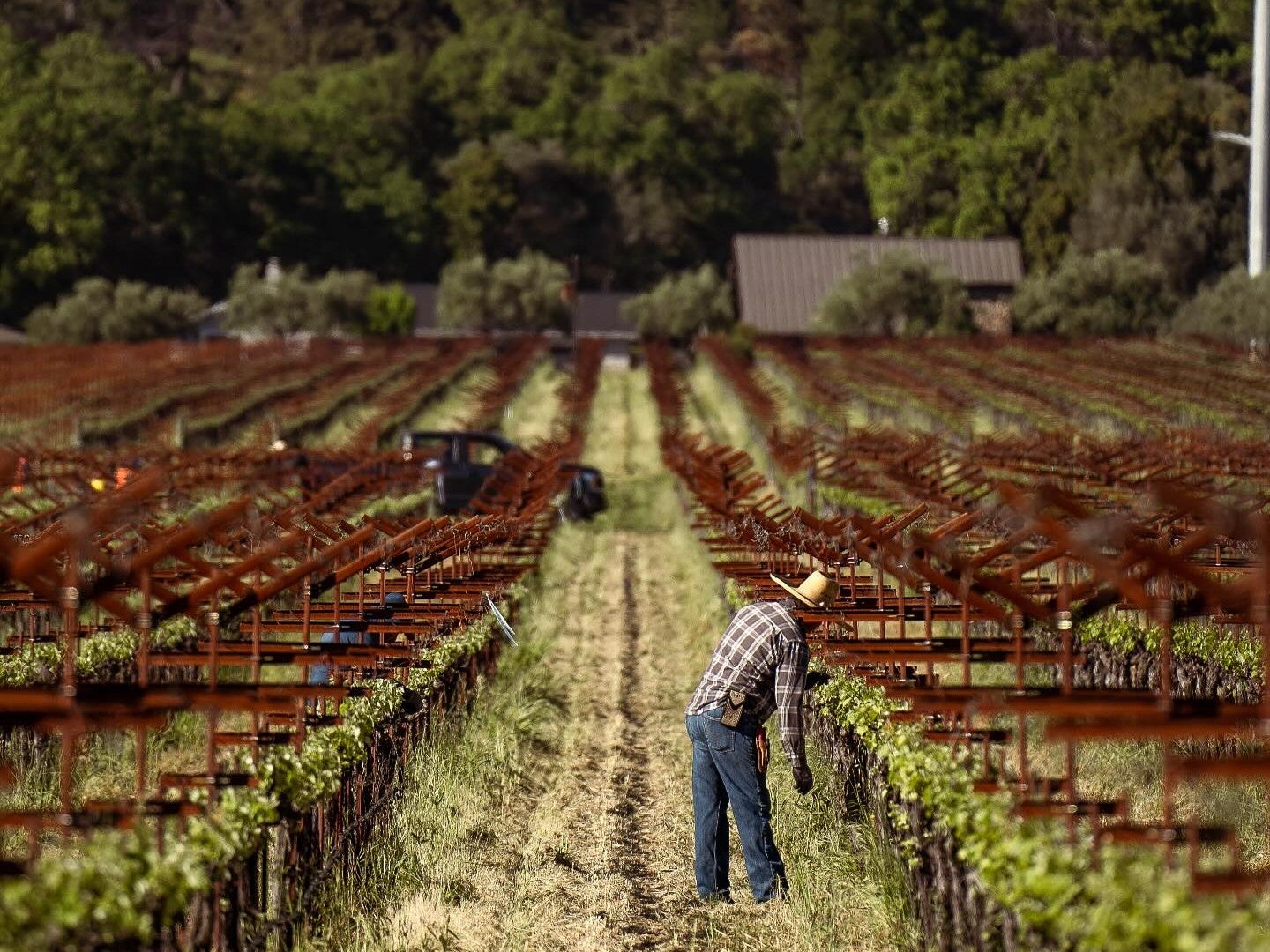
    Tablas Creek had been certified organic and biodynamic for decades, but regenerative farming, says Haas, also includes not tilling the earth between the vine rows, to capture carbon in the soil instead of releasing it into the atmosphere. The two other farming ‘pillars’ are animal welfare and social fairness. This goes beyond just paying workers a decent wage and providing good working conditions, but also through involving the farming crew in decision-making. Tablas Creek became the first Regenerative Organic Certified (ROC)  winery in the world in 2020, and paved the way for more wineries to join the application process. ROC, predicts Haas, is going to be the gold standard of certifications for agriculture around the world in the future. “We have to farm like the world depends upon it to repair a damaged planet.” The payoff for wine lovers is more complex reds and whites that you can feel good about drinking.

    See also: The Most Beautiful Wineries to Visit in California

    This article was first published in 2021 and has been updated and revised.

  • This Rare 1956 Ferrari 250 GT Could Fetch $1.18 Million at Auction. Here’s Why That’s a Steal.

    This Rare 1956 Ferrari 250 GT Could Fetch $1.18 Million at Auction. Here’s Why That’s a Steal.

    One of only 14 examples bodied in aluminum by Carrozzeria Boano, it will be offered through Broad Arrow Auctions on May 16. One of only 14 examples bodied in aluminum by Carrozzeria Boano, it will be offered through Broad Arrow Auctions on May 16.

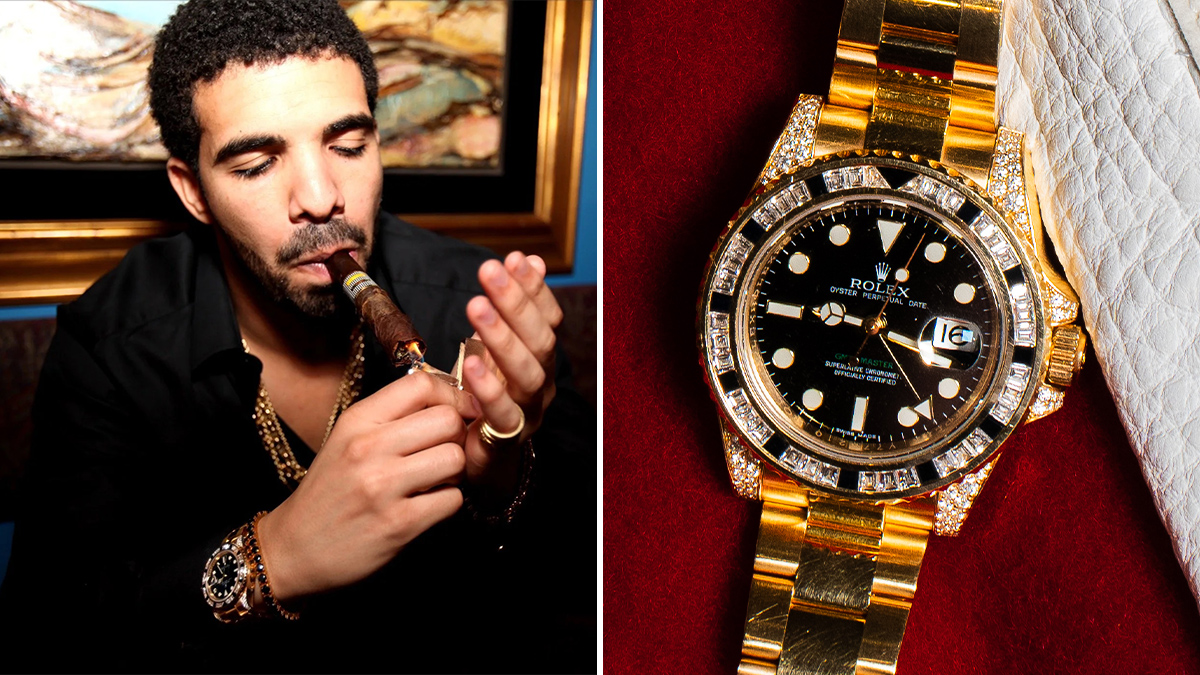
  • Drake’s Rare Rolex GMT-Master II From the ‘Take Care’ Cover Can Be Yours for $500,000

    Drake’s Rare Rolex GMT-Master II From the ‘Take Care’ Cover Can Be Yours for $500,000

    The gem-set Ref. 116758SANR features a custom engraving on the caseback. The gem-set Ref. 116758SANR features a custom engraving on the caseback.