From Napa to New Zealand, seven winemakers are taking a more more considered approach to the land that sustains this centuries old craft.
Winemakers have kept track of harvest dates and yields for centuries, so they were among the first to notice the impact of a changing climate on their sensitive vines.
To be sustainable in the long term, farming vines organically to save the soil is only one step. Many winemakers recognize they have to nurture the whole environment of their estates, including the animals that live there and the people who work on it. To fight climate change, they cut carbon emissions with solar and geothermal energy, track their carbon footprints, and keep experimenting.
The wineries that follow are making a meaningful impact – but they are far from alone.
See also: Five Sustainable Spirits For Eco-Conscious Drinkers
The 7 Sustainable Wineries to Know
Felton Road, New Zealand
New Zealand’s wine image is clean and green, and Felton Road winery in Central Otago, one of the country’s top pinot noir producers, epitomizes that ideal. To be sustainable, says owner Nigel Greening, he abandoned the idea of constantly seeking growth, which ends up exploiting the environment and puts profits first.
Everything Felton Road does is evaluated for its impact, starting with organic and biodynamic vineyards. Rather than spray or burn the wild roses taking over hillsides, it brought in African Boer goats to chew them up. No waste treatment plant is needed because Felton Road reuses everything, in compost, in creating brandy, or in some other way. Labels are printed with water-based inks.
But the single greatest carbon input for wineries, Greening explains, is glass and packaging. To minimize its carbon footprint, Felton Road switched to bottles that are 22 percent lighter and packs them in recycled cardboard boxes, which reduces the amount of energy required for shipping and distribution.
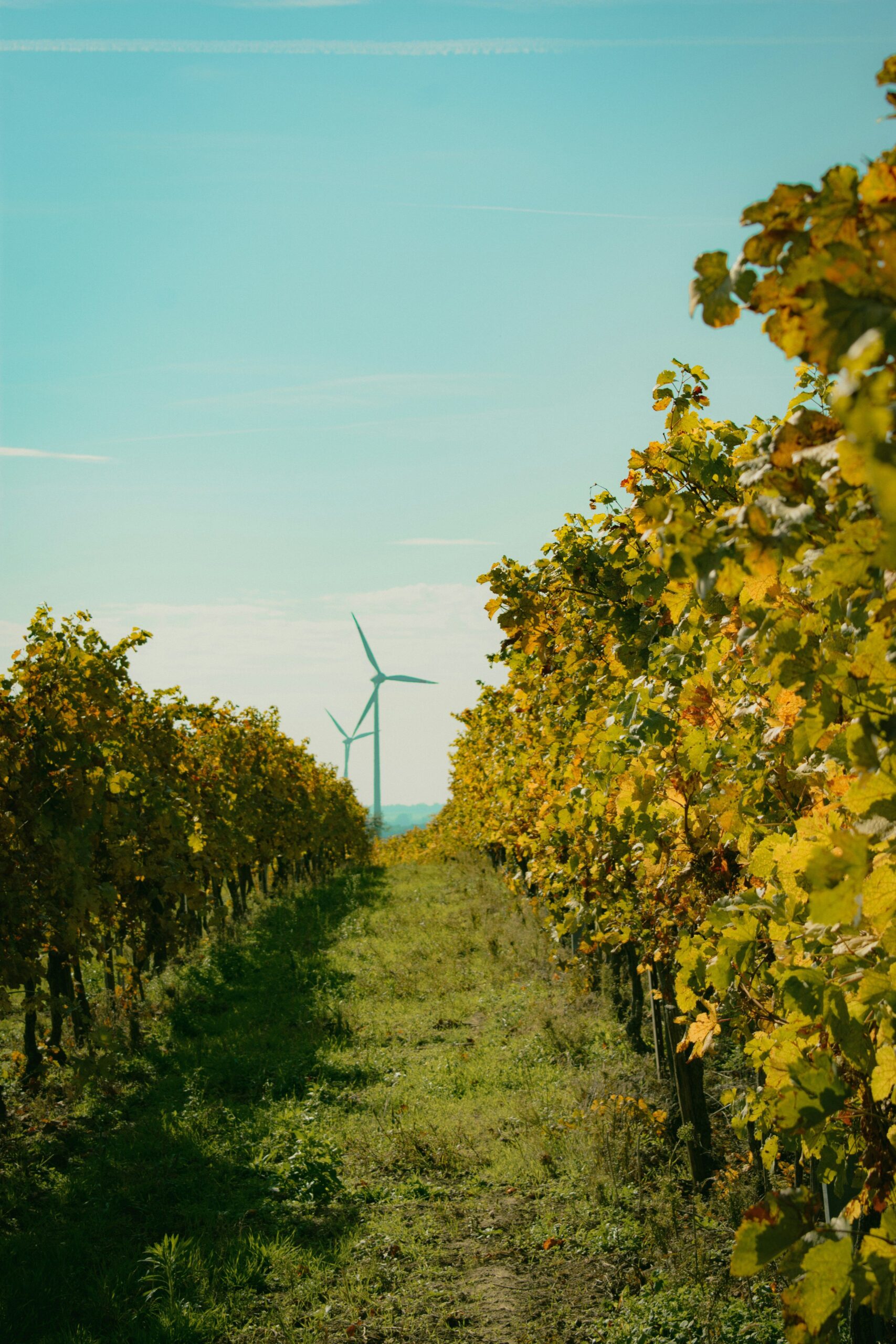
Spottswoode, Napa Valley
One of the most idyllic wineries in the Napa Valley, Spottswoode’s environmental leadership is part of its history. In 1985, it was one of the first wineries in the valley to farm organically, was certified organic in 1992, and is now certified biodynamic, too. Bird boxes and insectaries dot the vineyards. Beth Novak Milliken, the second generation to run the family winery, nurtures the winery’s land and workers (while still making elegant great wines), but also sees the importance of being part of local and global initiatives like International Wineries for Climate Action.
Since 2007, Spottswoode has given more than $800,000 to the nonprofit organization 1 percent for the Planet. Milliken also believes obtaining certifications is essential to make sustainability efforts more transparent for consumers. In 2020, it became the first Napa winery to achieve rigorous B Corp certification, which measures both a company’s environmental impact and what it is doing for workers and the community.
See also: Bollinger’s Cult Cuvées May Soon Disappear – Here’s Why
Château Smith Haut Lafitte, Bordeaux
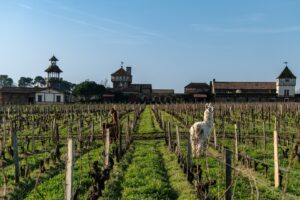
In 1990, ex-Olympic skiers Florence and Daniel Cathiard spotted run-down Château Smith Haut Lafitte in Bordeaux from a helicopter and bought it. Since then, they’ve banished chemicals from the vineyards, relying on natural herbal medicines for the vines (phytotherapy), and fight pests through sexual confusion, a way of disrupting the mating of harmful insects. Horses and alpacas, not tractors, plow between vines to save fragile soil areas.
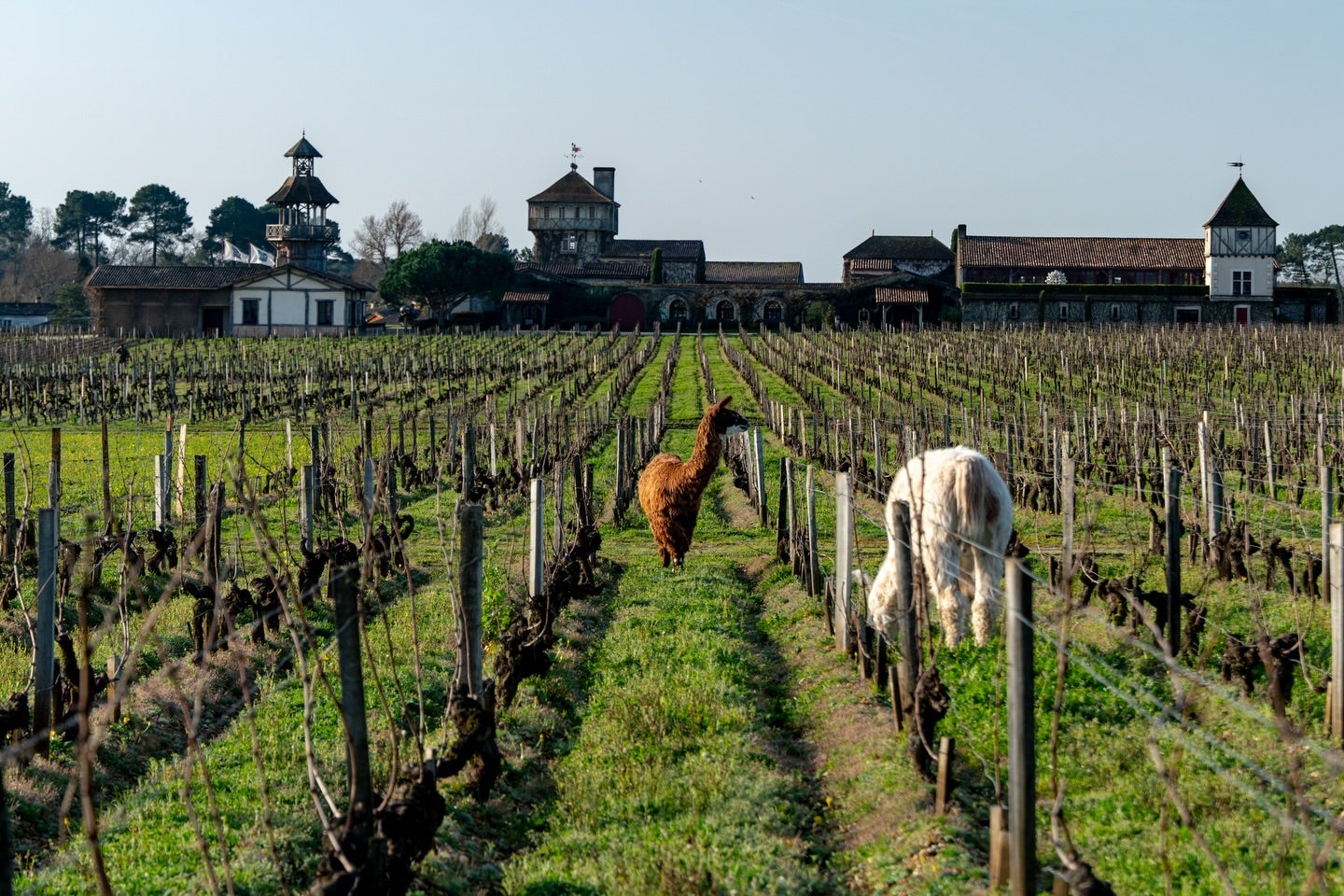
And that’s not all — they’ve been leaders in the region in creating an entire ecosystem. An energy self-sufficient underground ‘stealth cellar’ for the estate’s second wines relies on geothermal and solar power. And who says recycling is dull? At the estate’s Sources de Caudalie vinotherapy spa, founded by daughter Mathilde and her husband, discarded grape seeds and vine cuttings turn into lauded beauty products. Most intriguing is the winery’s carbon-capture system, the world’s first to recycle the CO2 released by fermenting grapes into bicarbonate of soda.
Familia Torres, Spain
One of the loudest evangelists in the wine world, Miguel Torres Sr is the patriarch of this 150-year-old Spanish wine company, which also has family outposts in Chile and California. Inspired by the 2007 climate change documentary An Inconvenient Truth, Torres is passionate about reducing CO2 emissions that boost warming, tirelessly urges others to join him, and co-founded International Wineries for Climate Action to decarbonize the wine industry. Now, he and son Miguel Torres Maczassek, the company’s general manager, pump 11% of the company’s annual profits into the environment and fighting climate change.
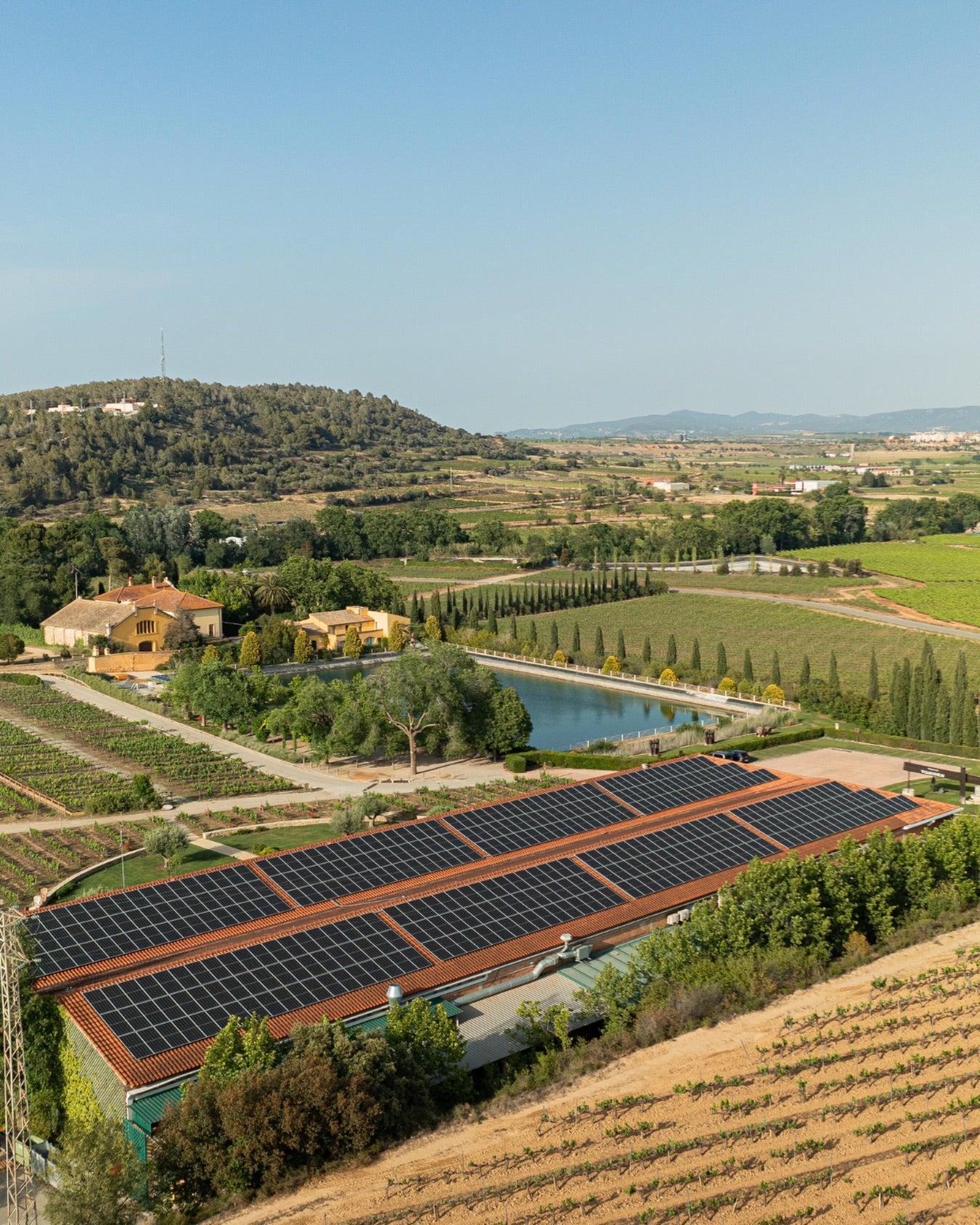
Energy efficiency is their watchword. If you tour Bodegas Torres Wine Center in Pacs del Penedès, you’ll whiz around in a solar-powered sightseeing train. At Waltraud Winery, the white sand-covered roof reflects solar energy and reduces air-conditioning needs. A biomass boiler transforms pruned vine shoots into heat and electricity. One of the family’s current projects is their effort to bring back ancestral grape varieties that can adapt to the drought and warming brought about by climate change. The top one, so far, is 2016 Torres Forcada.
Jackson Family Wines, Sonoma
Founded in 1982, Sonoma-based Kendall-Jackson winery made its mark with the popular Vintner’s Reserve Chardonnay. Now this family-owned company encompasses more than 40 premium wineries on five continents. So it was a big deal when Jackson Family Wines launched a formal sustainability program in 2008 with environmental, social, and community goals.
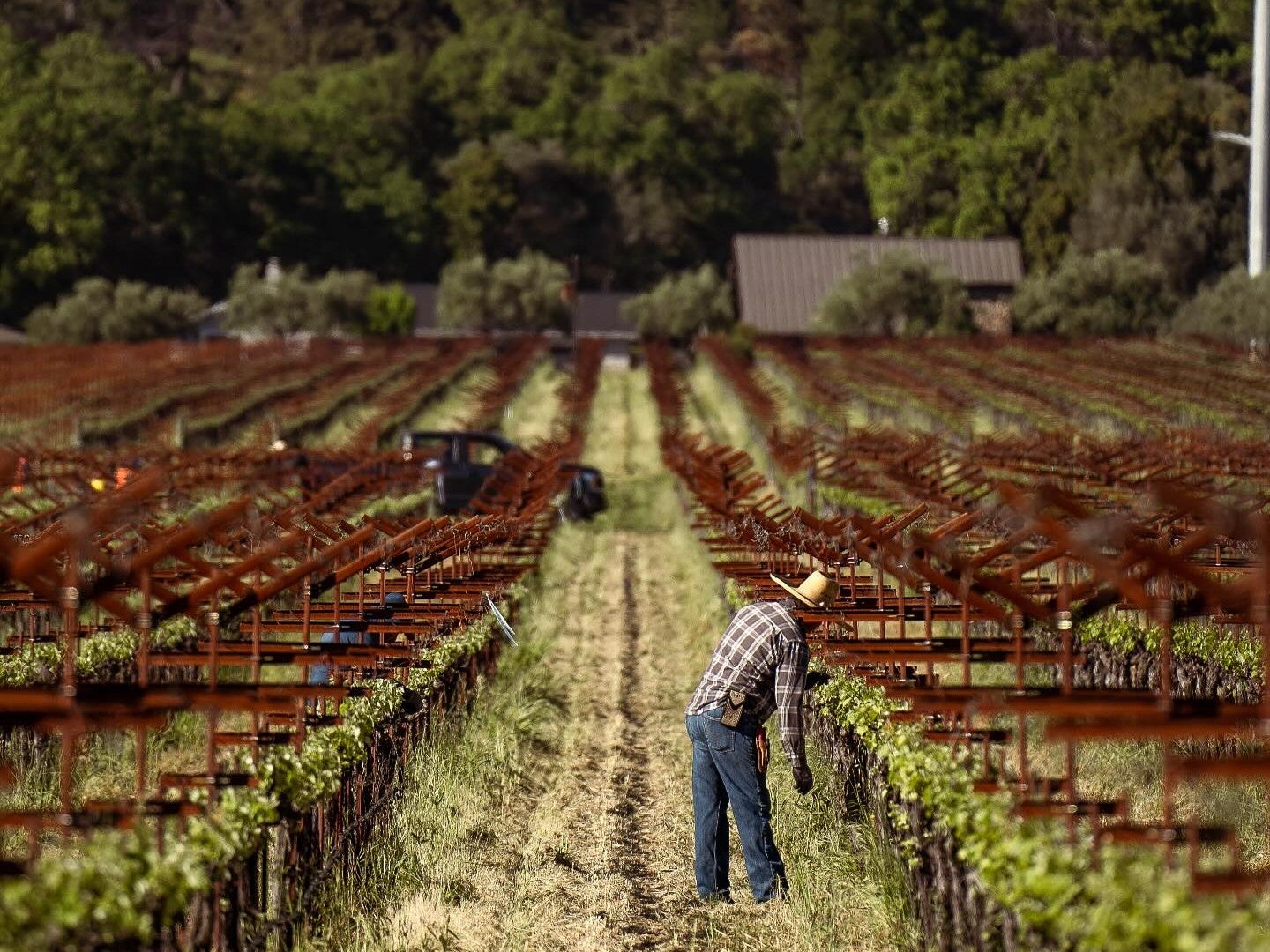
Today, the in-house sustainability champion is second-generation Katie Jackson, who has overseen the company becoming the largest generator of on-site solar energy in the US wine industry. She also began issuing regular progress reports on the winery’s actions, and co-founded International Wineries for Climate Action, helping future winemakers understand the latest innovations. They funded the Jess S. Jackson Sustainable Winery Building at the University of California at Davis, the first self-sustainable, zero-carbon teaching and research facility in the world.
Chêne Bleu, Southern Rhône
In the foothills of Mont Ventoux in southern France, in a pristine Unesco biosphere reserve, you’ll find the award-winning winery Chêne Bleu. It was an abandoned estate when committed conservationist Xavier Rolet (once CEO of the London Stock Exchange) took it on, then spent 15 years restoring it with his wife Nicole, and his wine-growing sister and brother-in-law. No toxic chemicals are used in the vineyard, and the entire site is farmed organically and biodynamically. They planted a half-hectare bamboo forest behind the winery to filter wastewater naturally, part of their zero-impact plan.
But it’s with Sustaina-BEE-lity, or Beehives for Biodiversity, that they’re extending their environmental credentials beyond their own vineyard. It launched in 2019 with a crowdfunding campaign working with renowned bee and soil experts to answer the questions: Could bees help make vines more resilient, make better wine, enhance nature, improve profits, and decrease long-term risks?
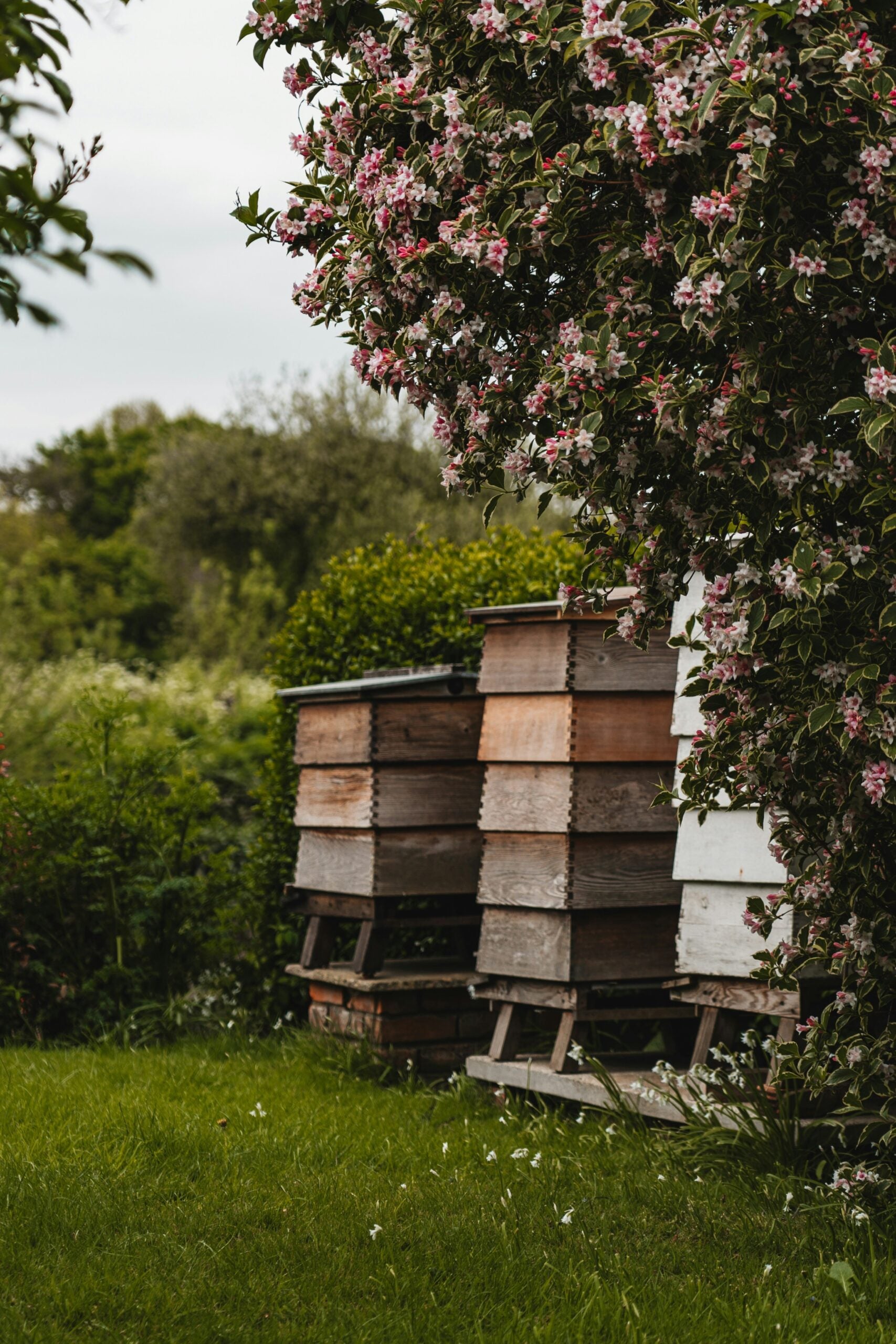
Rolet had been interested in beekeeping since his teen years, setting up hives near a Chêne Bleu Grenache vineyard. When some parts of it started to thrive, with higher yields, the team noticed cover crops between the rows were plusher, too. Winemakers encourage wildflowers and other plants to grow between rows because they help soil retain water and increase microbes that keep it healthy. Bees seem to help expand the biodiversity of this delicate ecosystem. Could they help wineries shift more quickly to organic viticulture, with less cost? As pesticides are contributing to the rapid and worrying decline in bee populations worldwide, the Rolets hope this idea may help save the bees, too — and make a delicious glass to toast with in the meantime.
Tablas Creek, Paso Robles
At eco-friendly Tablas Creek winery, in California’s Paso Robles region, owls zap vine-root-eating gophers, chickens gobble up destructive insects, and black-faced sheep chow down on the weeds between rows of vines, pausing from time to time to fertilize the soil. The idea, explains partner and general manager Jason Haas, is to make a wine estate an ecosystem: his vision of regenerative farming.
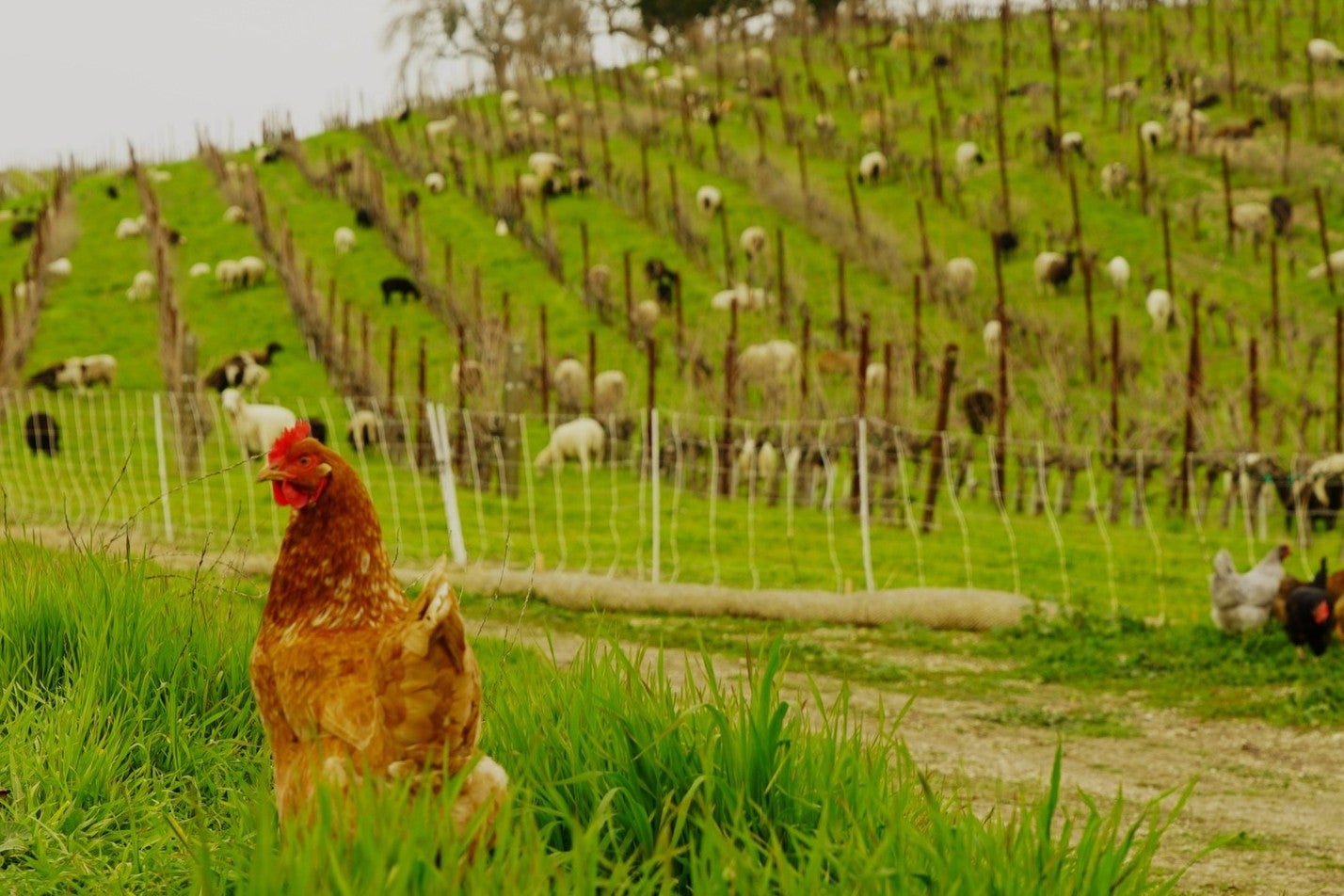
Tablas Creek had been certified organic and biodynamic for decades, but regenerative farming, says Haas, also includes not tilling the earth between the vine rows, to capture carbon in the soil instead of releasing it into the atmosphere. The two other farming ‘pillars’ are animal welfare and social fairness. This goes beyond just paying workers a decent wage and providing good working conditions, but also through involving the farming crew in decision-making. Tablas Creek became the first Regenerative Organic Certified (ROC) winery in the world in 2020, and paved the way for more wineries to join the application process. ROC, predicts Haas, is going to be the gold standard of certifications for agriculture around the world in the future. “We have to farm like the world depends upon it to repair a damaged planet.” The payoff for wine lovers is more complex reds and whites that you can feel good about drinking.
See also: The Most Beautiful Wineries to Visit in California
This article was first published in 2021 and has been updated and revised.
Добавить комментарий