Автор: karymsakov_qq4zn395

  • Europe’s Most Famous Wine Dynasties Just Released an Ultra-Limited Case

    Europe’s Most Famous Wine Dynasties Just Released an Ultra-Limited Case

    Only a dozen exist in the entire world. 

    primum Familiae Vini wines

    Founded in 1992 by Miguel Torres and Robert Drouhin to promote the exchange of ideas, its members include Domaine Clarence Dillon (Château Haut-Brion), Famille Perrin (Chateau de Beaucastel) and Alsace’s Famille Hugel, as well as Sassicaia makers Tenuta San Guido, the Douro’s Symington family, Riesling specialists Egon Müller and Tuscany’s 26th-generation winemakers Marchesi Antinori.

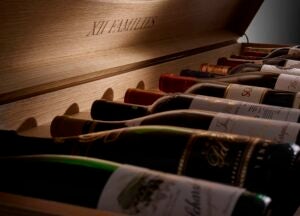
    Earlier this week, all 12 descended on the Paris’s Grand Palais for the launch of the PFV Generations Case, an ultra-limited-edition case of 12 wines – one from each family. Treats in the coffret include a 2016 Chateau Mouton Rothschild, a 2004 Vega Sicilia Unico, and a Champagne Pol Roger Sir Winston Churchill 2002 (which the house’s 6th-generation ambassador Bastien Collard de Billy was pouring on the night, and I can report tasted absolutely stellar). To sweeten the deal, each case also includes a VIP visit to every estate, some of which aren’t open to the public. The case is priced at €32,000 and only a dozen have been created.

    See also: How Tuscany’s Food and Wine Power Couple Took Over West London

    Considering the calibre of the wines – and many of the guests – that night, the atmosphere was remarkably convivial. Everyone got stuck into pouring their wines and several also had their (grown-up) children in tow.

    primum Familiae Vini wines
    ©Primum Familiae Vini

    “There is a camaraderie between us that is precious and unique. It’s a great forum for discussing our concerns,” said Drouhin’s winemaker Véronique Boss-Drouhin as she poured a magnum of Joseph Drouhin Corton-Charlemagne 2011. “In the past the hot topic was transmission [of the business down the generations]; right now, it’s climate change. Next, we’ll be asking: how do we bring AI into it?”

    See also: Do You Need an AI Wine Cellar?

    “We’re all incredible friends,” agreed Alessia Antinori, who succeeds Clarence Dillon’s Prince Robert of Luxembourg as PFV president in July. “We share common values and we’re also really interested in getting the next generation involved.” It was great to see so many women in top roles – something, Antinori acknowledged, that was much less common in traditional family businesses just a few decades ago.

    The incoming generation are also more inquisitive about wines and wine regions outside their immediate vicinity, perhaps more so than they were before, said Jean-Frédéric Hugel. “Visiting all the different PFV members, in their different wine regions, is fantastic boot camp for future wine owners.”

    primum Familiae Vini wines
    ©Primum Familiae Vini

    In a bid to celebrate family-owned business, PFV also sponsors a bi-annual prize recognizing inter-generational artisans. The new Generations Case features a habillage (or outer wrapping) made by 2023’s winner Brun de Vian-Tiran, an 8th-generation French fine-wool manufacturer so dedicated to its craft it even has its own herd of 25,000 Arles Merino Antique sheep. 

    At the launch I also spoke to Takuya Tsutsui, who was representing this year’s winner Tsutsumi Asakichi Urushi, a lacquer-maker from Japan, that fuses traditional techniques with innovations including a UV-resistant lacquer recipe. Clad in a spiffy checked blazer, bowtie, and ponytail, Tsutsui showed me a skateboard he had embellished with red lacquer and delicate gold paint work. If that isn’t craft redefined for the next generation, I don’t know what is. 

    See also: Interesting Wines To Order At Dinner, According To Sommeliers

    primum Familiae Vini wines
    ©Primum Familiae Vini

    Wines included in the PFV generation case:

    Tenuta San Guido – Sassicaia, 2017

    Egon Müller Scharzhofberger Riesling Auslese, 2001

    Symington Family Estates Graham’s The Stone Terraces, 2011

    Marchesi Antinori – Solaia, 2010

    Maison Joseph Drouhin – Montrachet Marquis de Laguiche, 2018

    Champagne Pol Roger – Sir Winston Churchill, 2002

    Familia Torres – Grans Muralles, 2018

    Tempos Vega Sicilia – Vega Sicilia Único, 2004

    Famille Hugel – Pinot Gris Sélection de Grains Nobles, 2009

    Baron Philippe de Rothschild – Château Mouton Rothschild, 2016

    Domaine Clarence Dillon – Château Haut-Brion, 2015

    Famille Perrin – Hommage à Jacques Perrin, 2009

    The PFV Generation Case is available exclusively through PFV.

  • Can You Tap Your Way to Success?

    Can You Tap Your Way to Success?

    An expert explains how tapping is reshaping mindsets at the highest level. 

    rapid tapping

    In a world that demands constant decisiveness, public composure, and rapid-fire problem-solving, performance is no longer measured solely by output, but by how effectively someone can manage their internal state when the stakes are highest.

    One of the more unexpected tools now circulating in these high-pressure circles is tapping – a technique involving rhythmic stimulation of specific points on the body, paired with focused language, to influence mental and emotional states. Advocates claim it can restore clarity and control in minutes, whilst sceptics are sure to brand the technique as ‘woo-woo’. The truth, as ever, sits somewhere between the two.

    Few people understand that nuance better than Poppy Delbridge, founder of Rapid Tapping. A former executive herself, Delbridge began refining the method after noticing a recurring pattern among clients in demanding roles: capability was rarely the issue, but overloaded nervous systems were.

    rapid tapping
    ©Shutterstock

    “Modern performance isn’t just about strategy or intelligence,” Delbridge explains. “It’s about your state of being before, during, and after high-pressure moments. When stress levels are elevated, decision-making narrows, creativity drops, and emotional reactivity increases.”

    Rapid Tapping, she says, works by sending calming signals to the brain through the body. By tapping on specific points on the face and upper body – areas linked to the nervous system ­the brain begins to move out of fight-or-flight and back into a state of safety.

    While Rapid Tapping has found particular favor among executives, creatives, and public figures – and was recently nominated for a Prix Galien Award, often likened to a Nobel Prize for life-science innovation – the technique itself is not new. It is a descendant of Emotional Freedom Techniques (EFT), which has been examined in clinical settings since the late 1990s.

    See also: Wellness or Woo-Woo? The Trending Experiences Everyone’s Trying

    In a trial published in the Journal of Nervous and Mental Disease, participants using EFT showed a statistically significant reduction in cortisol, the body’s primary stress hormone, compared with those receiving talking therapy or no intervention. Additional studies have reported improvements across psychological and physical markers following structured EFT programs, suggesting measurable effects on the stress response.

    Delbridge is open about her own early doubts when she first encountered tapping in 2010, but insists the mechanism aligns with what we now understand about stress regulation.

    poppy delbridge tapping
    Poppy operated at board level before pivoting careers to help high-flying individuals through tapping

    “When we tap on specific points on the face and upper body, we’re stimulating areas linked to the nervous system, particularly those responsible for stress responses,” she says. “When you combine that with focused language, visualization, and intention, the brain begins to move back into a state of system safety. From there, clarity, creativity, and emotional regulation return very quickly.”

    Speed is part of the appeal. Delbridge contrasts Rapid Tapping with traditional EFT – which often involves longer scripts or therapeutic framing – describing her version as a lifestyle tool: short, repeatable, and adaptable to modern professional life. Data from the Rapid Tapping app suggests that 96 percent of users report an improvement in mood within minutes, a metric that helps explain its popularity among executives operating at pace.

    See also: Is Health the Ultimate Status Symbol? Inside the Rise of Full Health MOTs

    For newcomers, Delbridge recommends starting with something tangible – stress, pressure or mental overload – and paying attention to what changes.

    “You don’t need to believe in it,” she says. “Tap for two or three minutes while acknowledging what you’re feeling, then check in again. The changes are often subtle but immediate: a drop in tension, slower breathing, clearer thinking.”

    In a culture where elite performers meticulously optimize sleep, diet, movement, and focus, stepping aside for a few minutes of body-based regulation no longer feels particularly radical. Framed as a performance ritual rather than therapy, tapping offers a private, efficient way to reset, with no equipment required. “It’s not about fixing anything,” Delbridge says. “It’s about recalibrating your internal state so you can meet life from a place of clarity and steadiness.”

    So, can tapping really help you tap into success? Maybe. Or maybe it simply reflects what many high performers have long understood instinctively: that success isn’t just about strategy, it’s about the state you bring to it. And if a few minutes of rhythmic tapping helps create that state, it may be worth keeping an open mind.

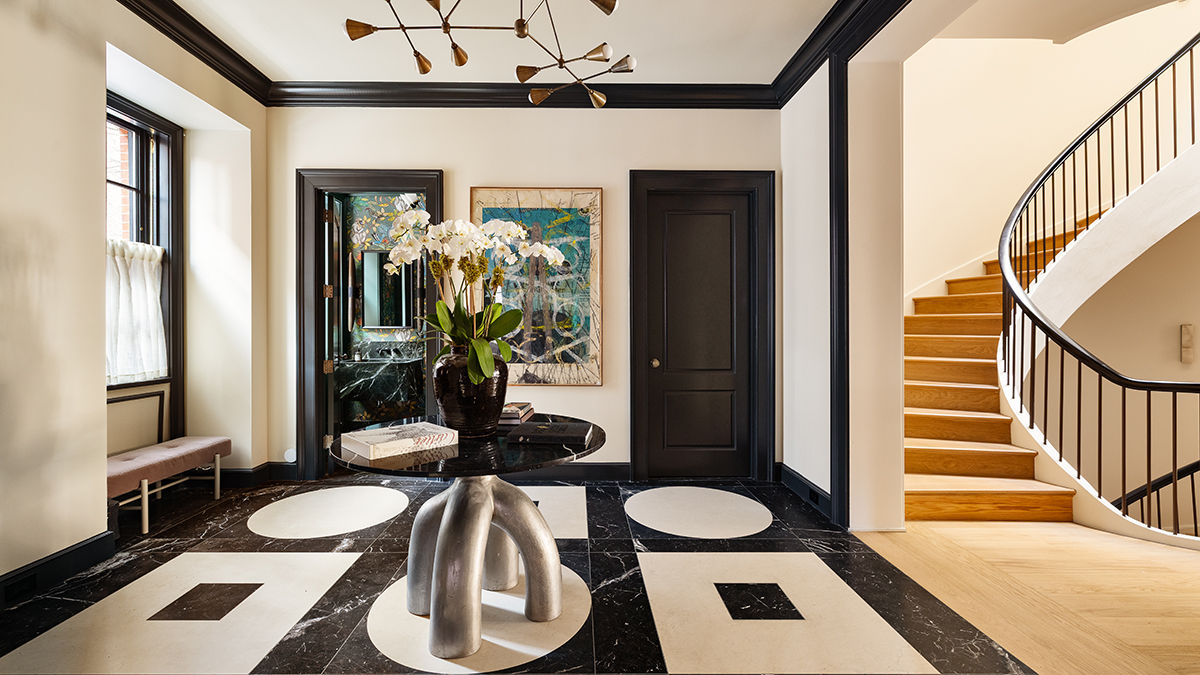
  • John Lennon Once Lived on the Top Floor of This $75 Million Frankenmansion in New York

    John Lennon Once Lived on the Top Floor of This $75 Million Frankenmansion in New York

    Combined by Robert A.M. Stern Architects, the double-wide townhouse embodies modern luxury in the West Village. Combined by Robert A.M. Stern Architects, the double-wide townhouse embodies modern luxury in the West Village.

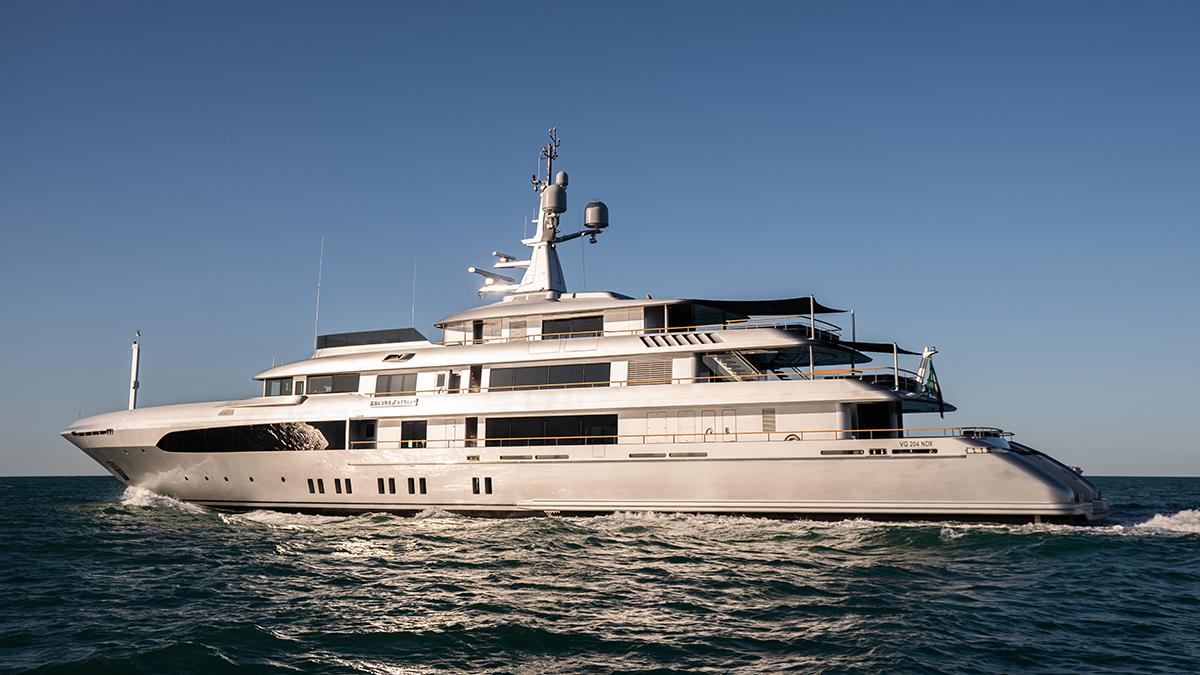
  • Stefano Gabbana’s Glamorous 213-Foot Superyacht Is Up for Sale and Charter

    Stefano Gabbana’s Glamorous 213-Foot Superyacht Is Up for Sale and Charter

    You can charter «Regina D’Italia» for about $570,000 per week or buy her for $64.2 million. You can charter «Regina D’Italia» for about $570,000 per week or buy her for $64.2 million.

  • How To Train Your Brain For Optimal Longevity

    How To Train Your Brain For Optimal Longevity

    As lifespan increases, neurolongevity is emerging as the critical pillar of wellness. 

    how to train your brain

    Advances in science and tech have propelled brain health from an abstract ideal to an actionable pursuit. And as longevity narratives shift from extending years to elevating them, better brain health – regardless of age – has emerged as a new non-negotiable.   

    “People are increasingly concerned about focus, memory, mental stamina, and feeling cognitively flat in everyday life, not just long-term dementia risk,” preventive health visionary Dr Tamsin Lewis tells Elite Traveler. Overstimulated but under-recovered, many of her patients at Reborne Longevity are now intent on using their brains in more meaningful ways. But how to train your brain? Her particular remedy involves a progressive protocol.

    Brain training promises sharper focus and mental stamina ©Unsplash
    Treatments such as ExoMind and Nurosym are gaining popularity ©Unsplash

    Fundamentally, the doctor prioritizes good sleep, movement, stress management, blood sugar stability, learning and problem-solving. “Use your brain deliberately: read, write, develop new skills, have challenging conversations, and reduce constant task-switching and scrolling,” she says. Then, if resources allow, the doctor layers in supportive tools, “such as hyperbaric oxygen therapy, red light therapy, neuromodulation, and neurofeedback.»

    While neurofeedback helps the brain self-regulate its activity, neuromodulation encompasses a growing variety of methods that change how areas in the brain work. Just as collagen-courting biostimulators, like Sculptra and polynucleotides, are taking over the aesthetics sphere, neuromodulation treatments like ExoMind and Nurosym are making waves in cognitive health. With a holistic approach to longevity, Dr Preema Vig – one of London’s popular cosmetic doctors – reports a shift in her clinical demand towards treatments that support the mind as well as the body. 

    “ExoMind works by gently stimulating areas of the brain that play a key role in mood, focus, and cognitive performance,” she says of her preferred neuromodulation therapy. “By doing so, it can help improve mental clarity, attention, and overall brain function without the need for medications or invasive procedures.” Unlike traditional brain training devices (which can be painful), the innovation in ExoMind allows for a course of six “comfortable and quiet” treatments with no downtime, Dr Vig explains. “This can contribute not just to improved focus, but also to better emotional resilience, reduced stress, and an overall sense of mental wellness.” The treatment usually costs between $3,000 and $4,800 per course, depending on the clinic.

    brain training red light therapy
    Red light therapy is one of the tools associated with brain training ©Reborne Longevity

    If your idea of a mental boost is less clinical, look to ‘neuro-tourism’, set to take flight in 2026. ‘The Brain Docs’ – neurologists Dr Ayedha and Dr Dean Sherzai – are hosting their second Neuro World Retreat in San Diego this September, “a transformative five-day immersion in brain health, connection, and renewal,» while luxury longevity programs addressing brain health are scheduled at numerous five-star hotels. That of Crete’s Minos Palace Resort features treatments combining cutting-edge cognitive movement to enhance neuroplasticity and mental agility, oxygen modulation to build resilience, and vibroacoustic therapy for mental calm.

    Naturally, brain tuning should begin at home, and on a simpler level Dr Lewis points to food-led nutritional strategies including adaptogenic mushrooms and deliberate use of nootropics such as polyphenol-rich teas, cacao, and coffee. Supplementation can be impactful – though it “should support an active, well-regulated brain, not replace the basics,” she caveats. “Vitamin D is commonly low and worth checking,” she continues, while “omega-3s, magnesium, choline, and creatine are useful for many people.»

    Inevitably, brands have spotted opportunities for demand creation – selling ‘solutions’ to problems we didn’t know we had, so beware of those making ‘brain detox’ claims. “Trendy in wellness circles, some promise to clear mental fog or ‘reset’ the way you think,” explains Dr Vig. Though appealing, “the brain doesn’t accumulate toxins in the same way your liver or kidneys do, so there isn’t a physiological process we can ‘detox’ in the literal sense.»

    brain training hyperbarics chamber
    Dr Lewis uses tools like a hyperbaric oxygen therapy for brain training ©Reborne Longevity

    That said, in exploratory areas “therapies such as apheresis [the process of separating blood into its individual elements in order to collect or remove the required element] are being investigated for reducing circulating heavy metals and microplastics,” Dr Lewis reveals – “but this is expensive, invasive, and the evidence is still evolving.” What actually supports brain ‘clearance’ and recovery “is deep, high-quality sleep, regular exercise, heat exposure from practices like sauna, and mental engagement,” she adds. “These are linked to factors that help the brain repair and adapt.”

    While there’s little we can do about today’s relentless mental load, Dr Lewis feels that the future of brain health should focus on supporting its ability to regulate stress, stay adaptable, and recover well. Think bioharmony over biohacking, she suggests. Most important to remember? Brain health is “a long-term practice, not a short-term optimization project.” Take the brain breaks, but play the long game, too.

  • Hermès Is the Mystery Buyer of a $400 Million Property on Rodeo Drive

    Hermès Is the Mystery Buyer of a $400 Million Property on Rodeo Drive

    That’s the most expensive acquisition in that stretch of Beverly Hills since the 2000s. That’s the most expensive acquisition in that stretch of Beverly Hills since the 2000s.

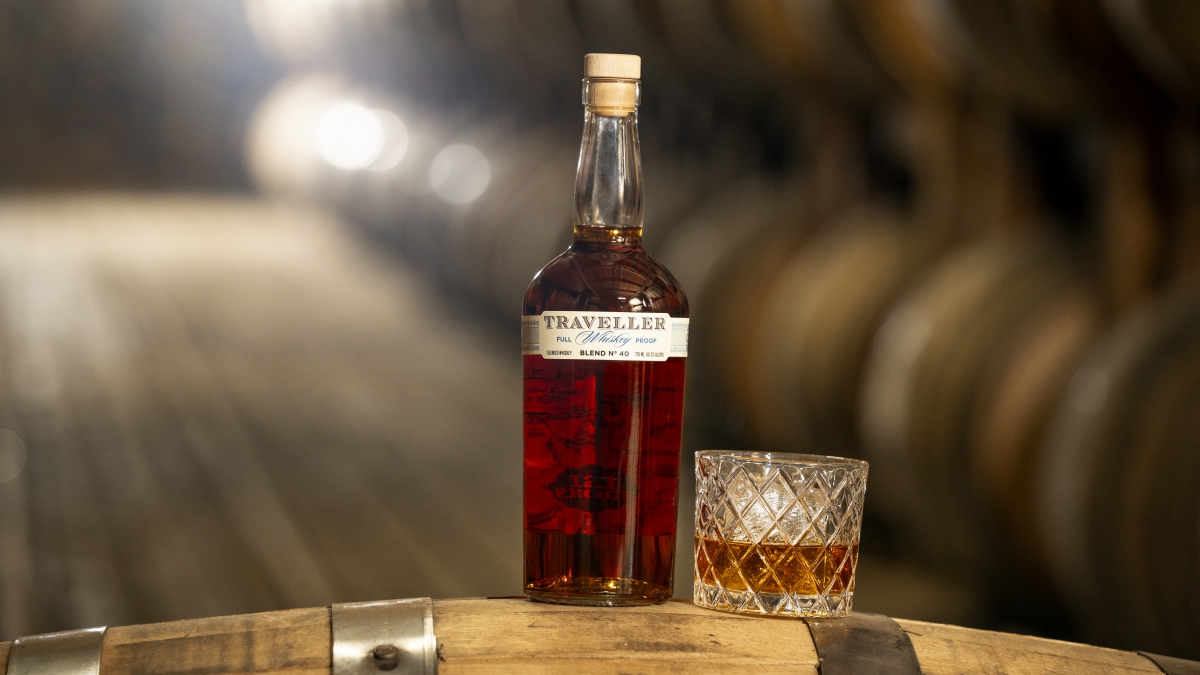
  • Buffalo Trace Just Made Its Hit Traveller Whiskey a Lot Stronger

    Buffalo Trace Just Made Its Hit Traveller Whiskey a Lot Stronger

    This Full Proof version sits at 121 proof, much higher than the previous 90 proof. This Full Proof version sits at 121 proof, much higher than the previous 90 proof.

  • This $23.5 Million Oceanview Home in Hawaii’s Kohanaiki Enclave Comes With Two Pools

    This $23.5 Million Oceanview Home in Hawaii’s Kohanaiki Enclave Comes With Two Pools

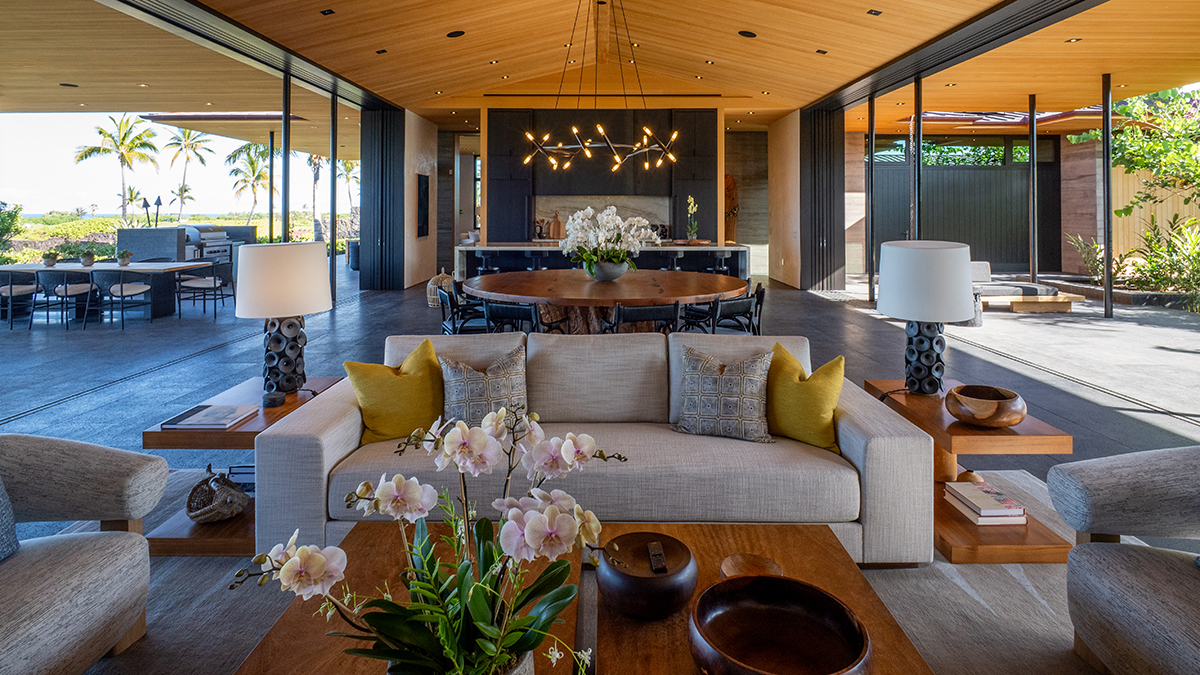
    The six-bedroom home on the Big Island’s stunning Kona Coast is dubbed Hale Kai Apo. The six-bedroom home on the Big Island’s stunning Kona Coast is dubbed Hale Kai Apo.

  • Interesting Wines To Order At Dinner, According To Sommeliers

    Interesting Wines To Order At Dinner, According To Sommeliers

    For both the novice and the specialist, discovering an unusual wine is a thrill – these experts share their tips for finding a new favorite. 

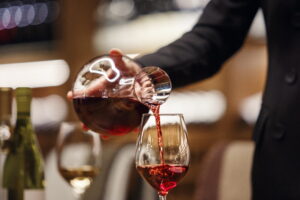
    wine being poured by sommelier

    For a seasoned oenophile, a restaurant wine list comes as no challenge. But even if you know your Burgundies from your Bordeauxes, your Screaming Eagle from your Harlan Estate, there is often a hidden gem to be discovered on a good wine list — and a sommelier will always be on hand to help you uncover it. We tapped into leading wine experts from some of the world’s best restaurants to hear about the most interesting wines on their list and get top tips on how to order a special bottle.

    See also: Do You Need an AI Wine Cellar?

    What wine to order, according to sommeliers

    Sandia Chang – co-owner and sommelier, Kitchen Table, London

    kitchen table restaurant london
    ©Marcus Cobden

    “It’s too easy for guests to open a list and order a Sauvignon Blanc or Chablis just because they recognize it,” says Sandia Chang, sommelier at Kitchen Table, which she co-owns with husband and chef James Knappett. “I want to be put to work, to enlighten and help our guests discover new wines or producers they may not have tried before.” At Kitchen Table, trying something new might be about reassessing your own perceptions of the winemaking world: “Because of my passion for Champagne, we have a few bottles on our list from Coteaux Champenoise, a still wine produced in Champagne,” Chang says. “Most people don’t realize that Champagne produces amazing still wines as well. We have a variety of Coteaux Champenoise wines, made from Pinot Noir, Chardonnay, and also Pinot Blanc.”

    Chris McFall – wine director, SingleThread, California

    singlethread restaurant california
    ©Garrett Rowland

    One of the US’s most prominent farm-to-table restaurants, Healdsburg’s SingleThread pioneers sustainable fine dining. Embodying this, wine director Chris McFall prioritizes small-scale producers and sustainable practices, with emphasis on local Sonoma vineyards. A favorite from the list comes from further afield though: the 1998 Clos Joliette Sec. “It’s an incredible wine that is certainly polarizing,” he says. “It’s produced from one of the prized grape varieties from Jurançon in southwestern France known as Petit Manseng. The wine was elusive and almost impossible to attain, but every now and again a few references would be released.” When it comes to enlisting the help of a sommelier, “the most important tip that I can provide is to be up front and honest about your likes and dislikes,” McFall says. “Have an open and honest conversation on where you’d like to be budget-wise, and trust them to make a memorable choice.”

    See also: The Surprising Return of High-Proof Spirits

    Charles Carron Brown – sommelier and general manager, Aulis, London

    aulis restaurant london interiors
    ©Aulis

    At London’s Aulis – a sister restaurant to Simon Rogan’s inimitable L’Enclume – Charles Carron Brown echoes McFall’s advice on transparency, advising diners to “be honest about what you’re looking for, and don’t be afraid to mention a budget. It’s a lot easier for us to help you make an informed decision if we know how much you roughly want to spend.” Carron Brown’s wine list is considerate and intriguing, representing some of the finest local producers, as well as international names trying to innovate. “We’re big fans of English sparkling wines, having removed all champagne from the list when we won our first Michelin star,” he says. “I’m always on the hunt for new and smaller vineyards, and those who have a prioritised focus on sustainability.”

    See also: Aulis: Simon Rogan’s London Restaurant Revived

    Aldo Sohm – wine director, Le Bernardin and partner of Aldo Sohm Wine Bar, New York

    For sommelier and author Aldo Sohm, the drinker comes first. “When I look to create a wine list, I think first about the guest: what are they looking for, what’s in demand, and how curious, or open-minded they are,” he says. In his near-19 year tender at the cult NYC restaurant, Sohm has created a 15,000-bottle wine list that hides many treasures. His favorite underrated option? “Palomino Fino. I find these wines are highly overlooked and incredibly cool to drink. One hesitation I often see when I recommend them is that people hear the broader category, Sherry, and get scared. But that’s not necessarily what you’re getting here.” And for guests looking to broaden their own wine-drinking journey, his advice is straightforward. “Ask, ‘Which bottle is drinking really well right now in the x-to-x price range?’” he says. “Don’t be afraid to ask questions. Sommeliers are passionate about wine, and they genuinely enjoy sharing their knowledge.”

    See also: Why Runners Are Falling in Love with Wine, Beer, and Whisky Regions

    Gabriel Veissaire – sommelier director at Restaurant Le Meurice Alain Ducasse, Paris

    restaurant le meurice paris
    ©Le Meurice

    My top tip would be to see the sommelier as a guide rather than a teacher,” says Gabriel Veissaire, who has been helping to shape Restaurant Le Meurice Alain Ducasse’s wine program for seven years. “A sommelier’s role is to accompany the guest, listen to their tastes, and help them enjoy the experience – not to give a lesson. Sommeliers always have great personal favorites to suggest, so trust the dialogue and don’t hesitate to share what you enjoy.” The restaurant’s wine list might be 100 percent French, but that doesn’t stop Veissaire from sharing some lesser-known producers and bottles. “An underrated wine on the Meurice wine list is the Le Jurançon moelleux Au Capcèu from Domaine Camin Larredya,” he says. “It is a wine produced by a talented and humble winemaker. This cuvèe really stands out for its balance and personality […] perfectly illustrates how classic French appellations can offer unique and memorable experiences that sometimes go unnoticed.”

    Louisa Smith – wine director, Wolfsbane, San Francisco

    wolfsbane san francisco
    ©Adahlia Cole

    A new addition to SF’s restaurant scene, Wolfsbane bridges a gap between rigid fine dining and casual eateries with a tasting menu rooted in seasonality and reconnection with ingredients. To accompany it, Louisa Smith’s wine list highlights small-production wineries, importers, and farmers, with a focus on organic methods. “We find that the more ‘untouched’ a wine is, the more alive and expressive it is,” she says. “We really want to pour something guests may not have a chance to taste very often. This could include anything from a unique grape variety, a small wine region, or surprising styles of wines from familiar grapes.” One of Smith’s top recommendations right now is an Italian variety. “[It’s] from winemaker Ermes Pavese and made of the Prié grape high in the Alps near Mont Blanc in Valle d’Aoste, Italy. This small winery is isolated as one of the only vineyards at such a high altitude in all of Europe, reaching up to 1,200 meters (3,937 ft) above sea level. We offer several bright, high-acid white wines and this one stands out with its crystalline minerality and distinct Alpine character.”

    See also: Lord Stanley Team Open Wolfsbane in San Francisco

  • Benetti Just Launched Two 220-Foot Steel Superyachts in Less Than a Month

    Benetti Just Launched Two 220-Foot Steel Superyachts in Less Than a Month

    «Symmetry» and «Dagger» are the first hybrids in the 220-foot B.Now series. «Symmetry» and «Dagger» are the first hybrids in the 220-foot B.Now series.