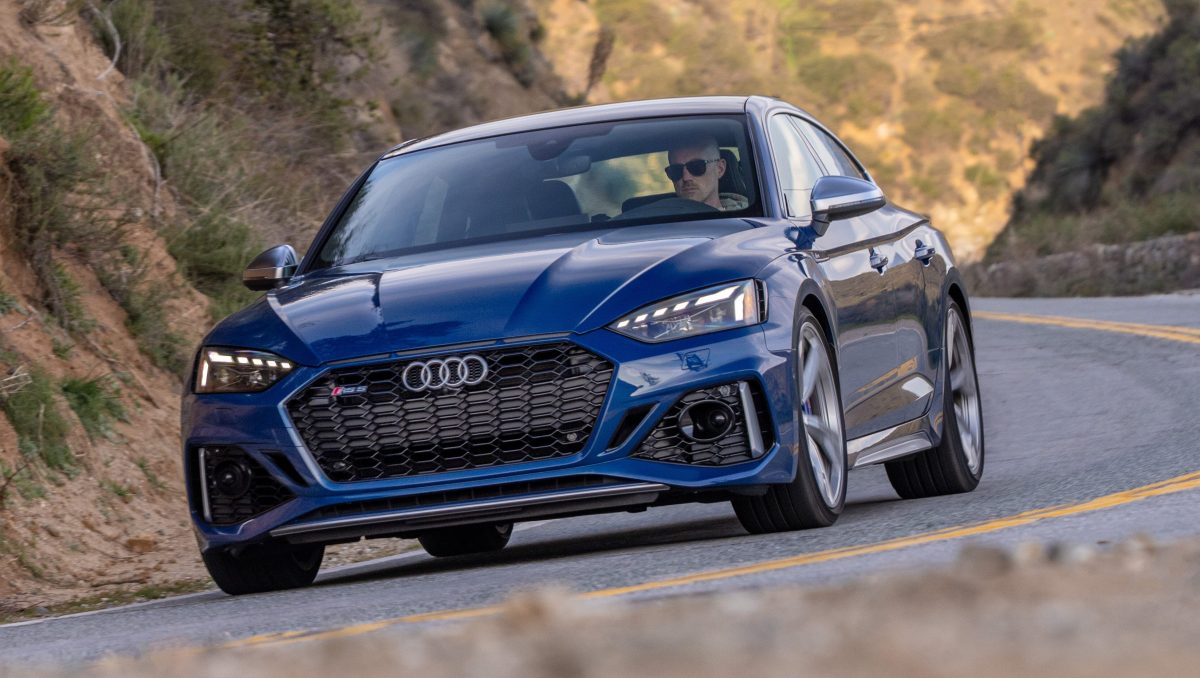
The automaker inadvertently revealed that a new RS5 is coming. The automaker inadvertently revealed that a new RS5 is coming.
Автор: karymsakov_qq4zn395
-
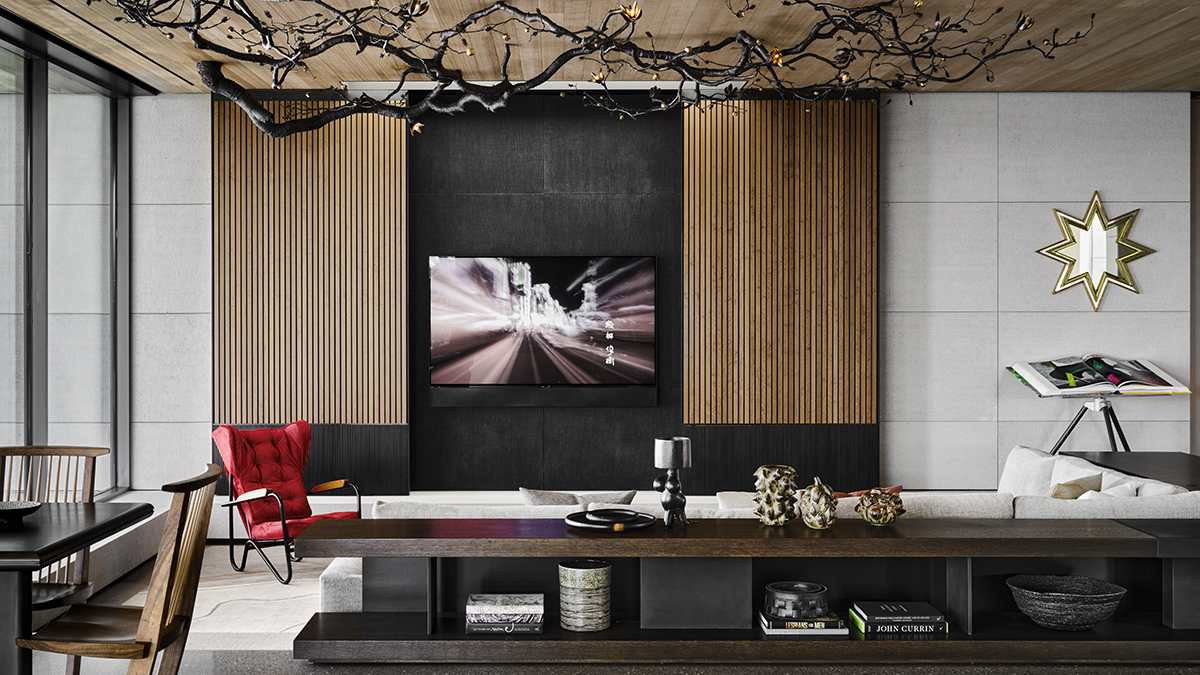
This $25 Million Beverly Hills Home Comes With a Trove of Designer Furnishings
The midcentury modern-inspired residence showcases coveted pieces by Paul Evans and Vladimir Kagan. The midcentury modern-inspired residence showcases coveted pieces by Paul Evans and Vladimir Kagan.
-
Future Car Launches To Have on Your Radar, for 2026 and Beyond
From electric hypercars to next-generation SUVs and autonomous concepts, these are the future cars set to shape the road ahead in 2026 and beyond.

As we look toward 2026 and beyond, manufacturers are reinventing everything from compact city EVs and high-performance electric sports cars to luxury SUVs with advanced driver interfaces and even autonomous vehicles that blur the line between car and tech device.
Just as we keep a watchful eye on the most anticipated hotel openings each year, discerning drivers and enthusiasts now watch the calendar for the next wave of future cars – vehicles that promise to redefine performance, design, and how we think about personal mobility. Some will be radical; some evolutionary. All aim to address the industry’s most pressing challenges: cleaner energy, smarter connectivity, and a more intuitive driving experience.
See also: Behind the Wheel of 007: Chris Corbould on James Bond’s Auto Legacy
Future cars to watch
As the year progresses, we’ll be watching closely for the most compelling future car launches on the horizon – from bold electric debuts and hybrid flagships to next-generation autonomous concepts.
Lexus ES EV (expected spring 2026)

©Lexus Following its European premiere in May 2025, sales for Lexus’ electric version of its long‑running ES sedan as part of its wider electrification strategy will start this spring. Expected to sit alongside hybrid variants, the ES EV will focus on comfort, refinement, and reliability – key pillars of the Lexus brand – while delivering competitive electric range.
The model underscores how future cars will increasingly cater to drivers seeking understated luxury rather than overt performance.
Ferrari Elettrica (expected early 2026)
Ferrari’s first fully electric production car represents one of the most closely watched launches of the decade. Built on a bespoke EV platform and produced at the marque’s new e‑building facility in Maranello, the Ferrari Elettrica is expected to deliver performance figures that rival – and potentially surpass – its combustion-engine predecessors, while introducing an entirely new driving character for the brand.
The model signals Ferrari’s long-term commitment to electrification without abandoning its focus on performance, craftsmanship, and exclusivity, a defining moment in the evolution of high-performance future cars.
Mercedes‑Benz GLC EV and C‑Class EV (expected mid 2026)

©Mercedes‑Benz Mercedes‑Benz is rethinking its electric strategy by integrating EVs directly into its core model lines. The electric GLC and C‑Class are expected to arrive in 2026, combining familiar luxury design cues with next-generation battery technology, fast charging, and advanced driver assistance systems.
Rather than positioning these vehicles as alternatives, Mercedes is embedding electrification into its most recognizable nameplates, a move that reflects how future cars will increasingly blur the line between electric and traditional models.
Hyundai Ioniq 3 (expected mid 2026)
Positioned as a compact, urban-focused EV, the Hyundai Ioniq 3 is expected to expand the brand’s electric portfolio with a smaller, more accessible model. Built on Hyundai’s E‑GMP platform, it is likely to offer competitive range, rapid charging, and a design tailored to city driving.
As manufacturers push to democratise electrification, models like the Ioniq 3 highlight how future cars will need to balance affordability, technology, and everyday usability.
Alpine A390 (expected mid 2026)

©Alpine The Alpine A390 marks the French marque’s transition into electric performance beyond its lightweight sports car roots. Designed as a compact electric crossover with performance credentials, the A390 is expected to blend dynamic handling with practicality, offering an alternative to larger performance EVs.
It reflects a broader shift in how performance brands are interpreting electrification — prioritising agility and driver engagement alongside zero‑emissions power.
Aston Martin Electric SUV
Aston Martin is developing its first dedicated electric vehicle, expected to take the form of a large, DBX-sized SUV. While details remain closely guarded, the model is currently slated to arrive in 2026 or later and will draw on high-performance battery and motor technology from American EV specialist Lucid.
CEO Adrian Hallmark has suggested the brand will lean heavily on advanced tech to set its electric models apart, including the possibility of systems that allow the car to physically resonate with the driver, recreating some of the sensory feedback associated with a traditional combustion engine.
Ferrari 849 Testarossa (expected spring 2026)

©Ferrari The Testarossa name returns as Ferrari’s new flagship supercar. Unveiled in Milan in September 2025 as the successor to the SF90, the 849 Testarossa is a plug-in hybrid berlinetta pairing a mid-rear twin-turbo V8 with three electric motors.
Total output stands at 1,035bhp – 49bhp more than its predecessor – allowing the car to accelerate from 0–62 mph in just 2.35 seconds. First customer deliveries are expected in spring 2026, with US deliveries following in the summer.
See more: In the Driving Seat of Ferrari’s 296 Speciale
Bentley Electric SUV (expected 2027)
Bentley’s first fully electric SUV will mark a significant milestone for the British luxury marque. Expected to retain Bentley’s hallmark craftsmanship while incorporating cutting-edge EV technology, the model will sit at the intersection of sustainability and ultra‑luxury.
As high-end brands adapt to a zero‑emissions future, this launch demonstrates how future cars can preserve heritage while embracing technological change.
Porsche Mission X (expected 2027)

©Porsche The Porsche Mission X is a hypercar concept previewing a potential electric successor to the Carrera GT and 918 Spyder, with a projected output of around 1,500bhp.
Designed to resemble an aircraft cockpit, it features a lightweight glass dome with a carbon-fiber exoskeleton and a Daytona-style windscreen.
Described by Porsche CEO Oliver Blume as a “technology beacon,” the Mission X is intended to target the Nürburgring lap record for a road-legal car, with a 1:1 power-to-weight ratio, a high-performance electric drivetrain, and extreme downforce figures. First revealed in June 2023, a production version is not expected until 2027.
Autonomous EV Robotaxis
Flying cars might still be the stuff of science fiction, but cars without drivers are already pulling up to the curb. Hyundai-backed Motional plans to deploy fully driverless EV robotaxis in Las Vegas by 2026, giving passengers a glimpse of a future where mobility is a service rather than a possession.
Waymo, a pioneer in autonomous ride-hailing, continues to expand in select U.S. cities, showing that the self-driving revolution is accelerating faster than most car enthusiasts expected. While still limited in scope, these projects hint at how future cars may increasingly operate without a human behind the wheel, reshaping both city streets and the way we think about owning a car.
-
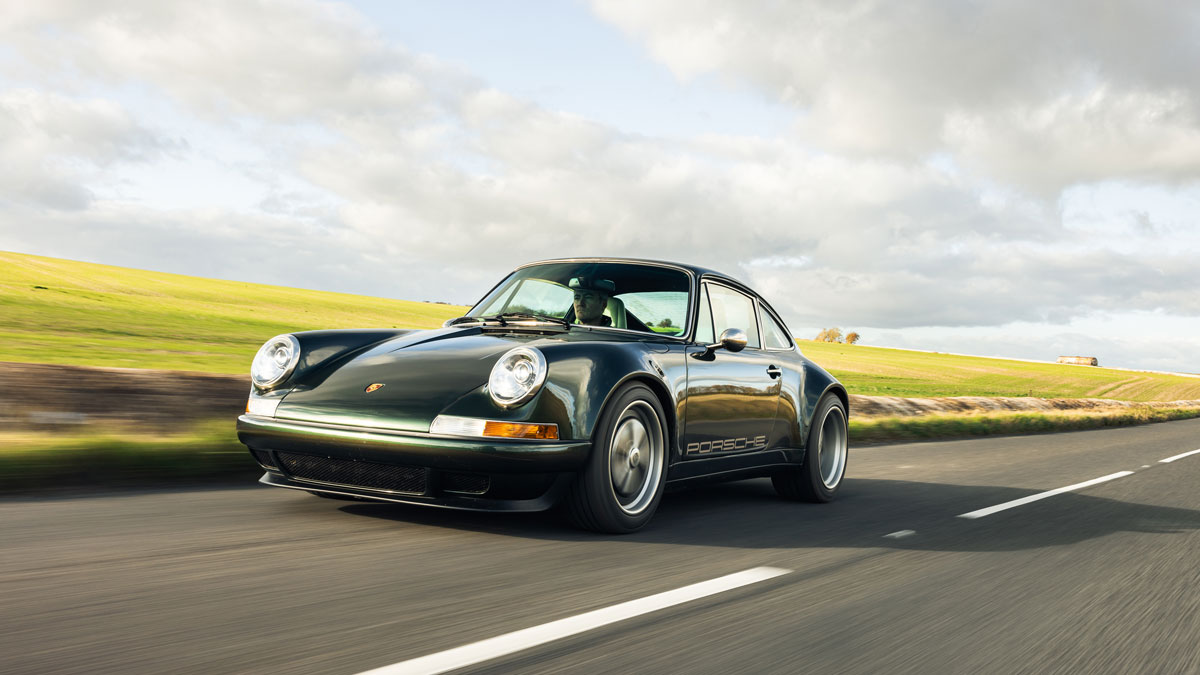
Road Test: Theon Design Celebrates the Intangibles With Its Reimagined Porsche 911
The 964-generation restomod examples we drove are snarling, spritely, and eager to accelerate. The 964-generation restomod examples we drove are snarling, spritely, and eager to accelerate.
-

This London Member’s Bar is Popping Up in Gstaad for 10 Days Only
The Reservation: Harry’s Bar is opening at The Alpina Gstaad hotel this month.

Gstaad’s ski season might be in full swing, but one of the Swiss resort’s new apres highlights is yet to even open: from February 10-20, London hotspot Harry’s Bar will be popping up inside The Alpina Gstaad hotel.
Harry’s Bar first opened in 1979 by Mark Birley — and was taken over by London hospitality tycoon Richard Caring in 2007 — and has retained its status as one of the city’s most refined dining rooms since. Birley pinched its name from the world-regarded Venetian institution of the same name, and despite nearly 40 years in action, still retains its Italophile character. Venetian chandeliers hang from the ceiling, maximalist Fortuny fabrics cover virtually every surface, and drinks are served in specialist Murano glassware.
See also: London’s Coolest New Restaurant is Hidden Behind a Leather Shop

The Harry’s Bar signature tiramisu ©Harry’s Bar This appreciation for Italy is being transferred to the Gstaad outpost, with a menu of regional northern Italian classics, intended to be shared. There’s the signature beef carpaccio (a dish first created in Harry’s Bar’s namesake restaurant), Genovese-style beef ragù, veal cutlets, and, to finish, the classic Harry’s Bar tiramisu.
But, while the pop-up’s dishes nod toward Italian grandeur, the interior style leans more toward Alpina Gstaad’s own minimalist identity. Temporarily taking over the hotel’s Martin Göschel restaurant, the setting is pared back and cool, with crisp white linens, exposed woodwork, and a vast stone centerpiece — a quiet contrast to the London bar’s more lavish look.
See also: Ranked: The World’s Most Expensive Ski Resorts

The pop-up will temporarily take over the Martin Göschel restaurant ©The Alpina Gstaad Another core difference between the original Harry’s Bar and the Swiss pop-up? The entry requirements. While the London iteration is famously exclusive, with access granted strictly to members (and their guests) only, the Gstaad version is open for lunch and dinner to anyone. Making an advance reservation is highly recommended though, and don’t forget your smart slacks and shoes – the Harry’s Bar dress code has been transported to the Alps, too.
Harry’s Bar’s trip over to Switzerland marks but the latest confirmation that a ski destination’s cultural currency is no longer just in the quality of its powder. Fresh blankets of snow still matter, of course, but so too does what happens off the slopes, and just as much attention is being paid to extra curricular activities — from the standard of restaurants (and their visiting chefs) to art scenes.
-
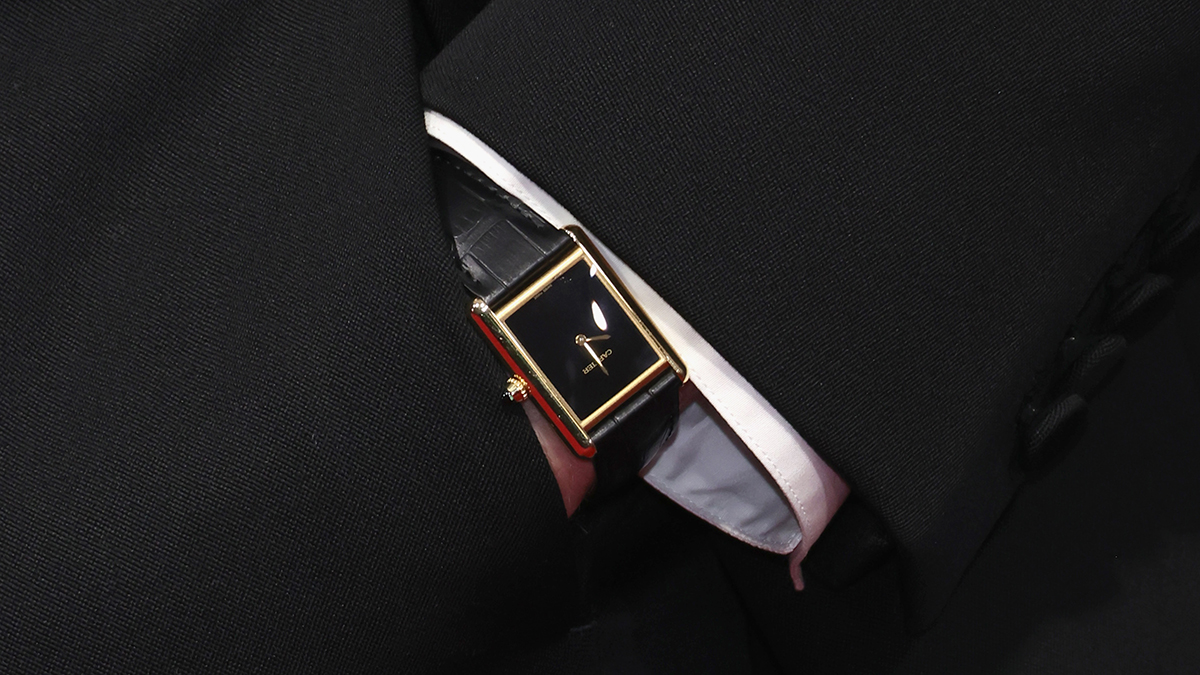
Dress Watches Are Continuing to Dominate the Market, a New Chrono24 Report Shows
Collectors are looking for aesthetics, not just mechanics. Collectors are looking for aesthetics, not just mechanics.
-

Is Health the Ultimate Status Symbol? Inside the Rise of Full Health MOTs
Considering a full body MOT health check? You’re not alone.

As interest in longevity science accelerates, a growing number of individuals are no longer waiting for symptoms to appear before taking action. Instead, they’re opting to understand their bodies in forensic detail, long before anything goes wrong.
Enter the full body MOT health check. Often unavailable through public healthcare systems and rarely offered as part of routine primary care, these comprehensive assessments sit at the intersection of preventative medicine, performance optimization and personalized longevity planning. While standard medical check-ups typically assess whether markers fall within broad ‘normal’ ranges, a full health MOT interrogates how the body is functioning as a whole – and where subtle imbalances may be quietly developing.
The science supporting early intervention is well established. Research published in The Lancet Oncology, for example, consistently shows that early-stage cancer detection significantly improves survival outcomes across multiple cancer types. Similarly, mounting evidence links early metabolic dysfunction, chronic inflammation, and hormonal imbalance to long-term disease risk – often years before clinical symptoms appear. Against this backdrop, it’s little surprise that proactive health assessments are becoming a marker of foresight rather than fear.
A full health MOT is best described as a deep dive into how the body is operating beneath the surface. At The HVN, a London-based preventative health clinic with an increasingly international clientele, medical director Dr Tanja Phillips explains that the process goes far beyond symptom-led medicine.
“It’s a comprehensive, preventative assessment that brings together functional diagnostics, in-depth consultation, and a genuinely personalized health plan,” she says. “We look at the body as an interconnected system, examining metabolic and hormonal health to inflammation, cardiovascular risk, nutrient status, gut health ,and stress response.”
Typically, this includes detailed blood analysis, body composition scanning, lifestyle and health history reviews, and functional or longevity-focused biomarkers not routinely assessed in standard check-ups. Crucially, the emphasis is on optimization, not diagnosis. “Rather than simply identifying whether something is ‘within range’, we look at optimal ranges, patterns, and early signals of imbalance,” Phillips adds.
This depth of interpretation is what many clients find transformative. “Clients often tell us it’s the first time they’ve truly understood their health rather than just received numbers on a page,” she notes.
The rise of full health MOTs reflects a broader shift in how health is being perceived: as an asset to be actively managed. According to Phillips, clients are becoming far more proactive, driven by a desire for energy and clarity, not just disease avoidance.
“There’s a growing awareness that feeling ‘fine’ doesn’t necessarily mean you’re functioning optimally,” she says. “Many chronic conditions develop over years, and prevention is far less disruptive than reactive treatment later on.”
This mindset is mirrored globally, from clinical settings to destination-led longevity programs. In St Barths, Le Barthélemy Hotel & Spa and Le Barth Villas have partnered with Dr Franck Baudino, founder of Saint-Barth Longevity, to offer tailored longevity retreats that blend advanced medical insight with restorative natural environments. Guests begin with comprehensive health mapping – including biological age testing, inflammation markers, and microbiome analysis – before following personalized programs designed to optimize energy, sleep, and long-term wellbeing.
Similarly, Austria’s Mayrlife Medical Health Resort in Altaussee combines cutting-edge diagnostics with the Mayr Method, focusing on gut regeneration, metabolic health, and cellular renewal. Led by CEO Dr Dieter Resch, programs begin with extensive medical testing and unfold through daily doctor consultations, bespoke nutrition ,and advanced therapies ranging from cryotherapy to hypoxic training.
Costs for full health MOTs and associated programs vary widely, reflecting their scope and setting. Clinical assessments typically range from several thousand dollars, while immersive longevity retreats – particularly those incorporating accommodation, ongoing medical support and advanced therapies — can extend into the tens of thousands, leading some to question whether health is a symbol of wealth.
Perhaps the more interesting question is whether health has become a symbol of intention. Phillips notes a clear shift in the demographic seeking these assessments. “We’re seeing clients coming in younger than ever before – often in their late 20s to 40s – who are highly engaged, informed, and proactive,” she says. Many arrive motivated by performance or wellbeing concerns, only to discover how closely these link to long-term health.
What unites them is a shared perspective: Health should not be addressed only when something goes wrong, but as an ongoing investment. One that supports ambition and protects quality of life over time.
In that sense, the modern status symbol isn’t excess or indulgence, but insight – the ability to understand your body, act early, and design a future where longevity and vitality are not left to chance.
-

A Rare $20 Million Rembrandt Is Being Sold at Auction – for a Remarkable Reason
As Sotheby’s prepares to auction Rembrandt’s Young Lion Resting, collector Thomas Kaplan reveals why now is the right time to pass with the piece.

Estimated to sell for approximately $20 million at Sotheby’s New York on February 4, 2026, Rembrandt Harmenszoon van Rijn’s Young Lion Resting is widely regarded as one of the most important works on paper to come to market in decades. But for Thomas Kaplan – collector, conservationist, and investor — its value has never been purely monetary.
“Collecting, to me, has always been about passion,” he exclusively tells Elite Traveler. “I fell in love with Rembrandt when I was six years old. That intense feeling has stayed with me my whole life.»
See also: Inside The Inventive World of Meriem Bennani
When he and his wife Daphne acquired the piece in 2005, it marked a personal beginning. It was the first Rembrandt they ever owned – the foundation stone of what would become The Leiden Collection, now comprising 17 paintings by the master and widely regarded as one of the most important private collections of seventeenth-century Dutch art in the world.

Kaplan is the world’s largest private collector of Rembrandt’s works ©Sotheby’s “It doesn’t take a genius to collect Rembrandt,” Kaplan says with characteristic humility. “It takes a genius to be Rembrandt.” Upon seeing Young Lion Resting for the very first time, he was “mesmerized by the cat’s eyes,” before noticing the bold, expressive strokes. “Rembrandt had a singular ability to capture the soul of his sitters,” he says. “Here, he saw this lion, brought to Amsterdam as a novelty, as a sentient, noble being – not just a curiosity.”
As Kaplan explains, collecting for him at least, began by chance – «a way to be closer to a particular form of art that I had long admired.” That impulse would go on to shape The Leiden Collection, which from its inception was never intended to be static, but a “vehicle for public dissemination, scholarly research and, critically, cultural exchange.”
Conceived as a “lending library”, it has been built around the idea that great art belongs, ultimately, to the public realm. Since embarking on a global tour in 2017, works from the collection have been exhibited in more than 80 museums worldwide – from the Louvre in Paris to national museums across China, Russia, the UAE, and the United States.

Young Lion Resting is regarded as of the greatest drawings by the artist to come to auction in half a century ©Sotheby’s The sale of Young Lion Resting coincides with another milestone: the 20th anniversary of Panthera, the wild cat conservation organization Kaplan co-founded with the late Dr Alan Rabinowitz in a bid “to protect these magnificent creatures in the wild.”
The timing is deliberate. Over the past century, local lion populations have collapsed by more than 90 percent, falling from an estimated 200,000 to fewer than 30,000 today. “I realized that the best possible legacy for this masterpiece,” Kaplan says, “is for it to quite literally empower the survival of the very species that inspired Rembrandt some 400 years ago.”
In a rare move, 100% of the proceeds from the sale will be donated to Panthera’s global conservation efforts, demonstrating how Kaplan links art, history, and conservation in a way few collectors do.
The decision to part with such seminal work feels countercultural, especially in an era where collection is often conflated with accumulation. But Kaplan explains that “when Daphne and I collect, we don’t feel that we ‘own’ these paintings. We think of ourselves as temporary baton holders in a very long relay race.”
That ethos has shaped not only The Leiden Collection, but Kaplan’s wider work and lifelong commitment to safeguarding endangered species. “Right now, we are living through a moment where we must decide what kind of world we want to pass on to future generations. A world without Rembrandt would be spiritually impoverished,” he says. “Just as a world without the roar of a lion would be biologically bankrupt.”
-
How To Dress Smartly in Single Digit Temperatures
Don’t let the cold cramp your style.

Sure, it’s rare to be spending hours in sub-zero temperatures whilst wearing black tie, but thought is still needed for the periods of time that you do.
Thankfully, there’s plenty of ways to stay warm in today’s world, but there’s an art of how to do so stylishly. Layers of clothes will ensure a chunky silhouette, and with temperatures warmer inside, you wouldn’t want perspiration to sodden your look. Follow the below tips to stay looking your best, while the weather remains at its worst.
Invest in sophisticated thermals

©Falke No, thermals are not just for ski vacations. Now that climate change has caused many winters to get colder, a thermal T-shirt hidden underneath a shirt seems more necessary than ever. Once you’ve started wearing them everyday, you’ll struggle to imagine your life before them.
Investing in quality thermals will result in a longer life span, and the higher price point often means you’ll have some added benefits. For example, this style from Falke is odor-resistant and moisture-wicking, stopping sweat from seeping through if you’re going into warmer temperatures.
Moncler Grenoble and Kjus also have great options. But if the temperature has really dropped, why not throw on a pair of merino long johns under your trousers? This pair from John Smedley were designed in collaboration with actor Bill Nighy, to keep him warm whilst enduring long days on set.
Knits can be formal, too
While we wouldn’t suggest it for a black-tie affair, wearing a knit over a shirt and tie can look suitably smart. In fact, it’s a look that’s been spotted on recent catwalks and menswear enthusiasts that sat front row.
Naturally, your best option is a V-neck that doesn’t have too much of a plunging neckline. Keep the color palette muted and pattern free, as attention should be on the suit and tie rather than the knit. Loro Piana, Saman Amel, and Studio Nicholson have an array worth pursuing.
Prioritize wool and cashmere formulations

©Thom Sweeney Modern advancements have meant that the yarn spun from a woollyback can be found in the most unlikely clothing. No longer are wool or cashmere beholden to a knitter’s hand, you can find them formulating less chunky ready-to-wear garms.
If the occasion is more smart-casual, and you can get away with a T-shirt under your suit, Dutch-brand Extreme Cashmere has styles that are as light as a regular top but made with its namesake fibre.
Of course, a wool suit is a winter staple that you should already have in your wardrobe. But if you’re on the search for new pieces, why not try a wool-blend for something different. Tom Ford has combined wool and mohair in this suit jacket, while Thom Sweeney offers a trendier option by adding wool to its corduroy cotton fabric.
-

I Took Bentley’s $396,000 Continental GT For A Spin – Here’s What Stood Out
Car journalist Lawrence Ulrich passes his expert verdict on the Bentley Continental GT.

Ballers and brokers lavished bonuses on a British GT that was sexy, never stuffy, and drove like an armored sports car.
Say auf Wiedersehen to that hand-built W-12, and Tag to a Continental GT whose plug-in-hybrid V-8 – co-developed with Porsche – makes it faster and far more efficient. That leaves the Aston Martin Vanquish and Ferrari 12Cilindri as the only alternatives for buyers who crave the old-school croon of a twelve-cylinder.

©Bentley The 2026 Continental GT makes its competitive case on a winter-wonderland drive in New York, dominating dicey roads with all-wheel-drive, rear-axle steering and the thundering hooves of its 4.0-liter V-8. The twin-turbo engine makes 512 horsepower, with an additional 188 from an electric motor linked to an eight-speed, dual-clutch transmission. The system’s combined 671 horsepower and 686 lb-feet of torque sends the Bentley to 60 mph in 3.5 seconds. That’s despite a hybrid-stuffed curb weight of about 5,400lbs, or closer to 5,800 in convertible GTC form. Choose GT Speed or Mulliner versions, and output rises to 771 horsepower and 738 lb-feet, good for a 3.1-second sprint to 60 mph, and a 208-mph top speed.
See also: Behind the Wheel of 007: Chris Corbould on James Bond’s Auto Legacy

©Bentley More than ever, the Continental GT is a luxury locomotive minus the rails. The outside world silently bullets by, as passengers relax in a first-class cabin that Agatha Christie would kill for. Two passengers, that is, with rear seats largely limited to Hermes gift bags, or Bentley’s set of striped Italian luggage designed for this fourth-generation GT.
My GT coupe ticked enough bespoke boxes – with $107,000 in options – to boost its freight to $396,000. That included patterned aluminum trim, hand-engraved via a guilloche technique familiar from high-end watchmaking. Rich hides from unblemished Scandinavian bulls featured a shade called Burnt Oak. Organ-style chrome vent pulls remain a brand signature. A seemingly infinite choice of trims now includes slate of quartzite veneers, sourced from India and finished by Mulliner Division artisans in Crewe. Fellow drivers shower compliments on the Bentley’s ‘Cricket Ball Satin’ paint. The matte plum color added $21,230, enough to buy a perfectly good, used BMW.
Bentley’s Rotating Screen flips to present three surfaces, including a striking set of knurled analog gauges. The digital side unfortunately reveals a prosaic Audi-based infotainment screen. The laggy, low-res affair, with preposterously bad voice controls, begs for an upgrade. Apple Car Play or Android Auto will work overtime here.

©Bentley Even on a so-so set of Pirelli P Zero all-season tires, the Bentley shoulders lesser cars aside, in 17-degree ambient temperatures. Saluting West Point Military Academy as we pass, the Bentley fires off aggressive V-8 cannonades. We rocket up Route 9W, overlooking the Hudson River where British and Revolutionary troops fought for strategic control. In the midst of this martial show, a 2,200-watt Naim audio system – among the finest in all autodom – alternately soothes and rocks the cabin.
Have I mentioned this is still a plug-in hybrid? An electrified boost allows the Bentley to save energy, not just squander it. A 22 kilowatt-hour battery supplies up to 50 miles of purely electric range, which drivers can reserve via a console switch. Burbling into Manhattan, I toggle the Bentley into “e-mode” for an emissions-free sunset cruise down the West Side Highway. Plug in faithfully, and the Continental will handle local errands – a case of Krug here, a portfolio checkup there – as virtuously as any Tesla, only much quieter. We love a twelve-cylinder engine as much as the next man, but this Bentley represents progress.