Equal parts practical tool and personal statement, these luxury diaries offer a considered way to store your dates and words.


Equal parts practical tool and personal statement, these luxury diaries offer a considered way to store your dates and words.


Like clubbing but don’t like the queues? Love to party but don’t like… other people?
What you need, says Helena Madden, is a full-spec nightclub in your own home.

She would attend events like Burning Man and Ondalinda with friends and party through the night, but upon returning home she kept running into the same issue. “Everything closes just when you feel like you’re about to have a great, long evening out,” she says. “And things can get messy during the wee hours of the morning at clubs — if they’re even open.” The only solution, naturally, was to design a private nightclub in her own home.
It’s not the first project of its kind that she’s been involved with recently. Kauffman is also working with a client on a screening room that can be transformed into a late-night party spot. A disco ball drops from the ceiling, and the modular, movie theater-style furniture can pivot into banquettes, leaving plenty of room for dancing. She’s attended many parties at other ‘home clubs’ too. “It’s a natural progression of private membership clubs,” she notes. “The trend comes from a desire to have complete authorship over the ambiance. So, curating the smell, the music, the drinks, and the lighting.”
Hers, for example, has a distinct creative vision. It’s currently in its very final phase of development, but has already become the go-to after-party spot for her cohort. Rather than a sprawling dance floor, Kauffman sought to create a jewel box that can fit just 12 people. The color palette balances smoky grays and blacks, with a fur carpet that allows for barefoot dancing — or a shoe shuffle in a pair of custom slippers. A trained metalsmith, she’s creating her own coasters, as well as canisters for candles. There will, of course, be a signature scent.
See also: Interior Designer Shalini Misra’s Take on Private Jets

Any club lives or dies on the quality of the sound system, and, given the nature of these venues, soundproofing is essential in order to comply with local noise ordinances and avoid disturbing grouchy family members past midnight. Kauffman chose the room for her club because the walls were solid concrete, so what happened in the club would stay in the club, sound-wise at least. In fact, noise issues were another part of the impetus. “I love to host dinners,” she says. “I live in Laurel Canyon. It’s a dense community. I would have a party outside, and people would complain.”
There are specialists who can ensure that the beats do their thing without traveling beyond your four walls. ImmersiFi, based in London, work with interior designers to ensure home nightclubs sound as good as they look. One example is a project that packed almost 50 speakers and subwoofers into a small room. The tricky part? Unlike most of these spaces, the room was upstairs, not in the basement, and the home itself was in central London.

Working with an acoustic consultant ensured that everything was soundproofed; the speakers were all concealed behind panels in the wall and ceiling. This approach allowed ImmersiFi to layer on other top-of-theline gadgets, such as smoke machines, and lighting that morphs with the mood of the music. It’s perfectly private, secluded, and replicates the feeling of a real nightclub. All that’s missing is a world-class DJ. But there’s a workaround.
“We know clients who are flying the likes of Tiësto, Diplo, David Guetta, and so on to come and perform in their homes,” says Nick Fichte, business development director at the project’s speaker manufacturer, L-Acoustics. “People don’t necessarily want to be in a club with everyone else, because a VIP area isn’t that VIP anymore.”
What if you’re a celebrity DJ yourself? Back in Los Angeles, Hollywood’s interior designer of choice, Martyn Lawrence Bullard, designed a massive ballroom for the home of drag queen and television host RuPaul Charles. “He’s become a DJ, so the large cabinet in that room actually flips open to become a whole DJ booth,” says Bullard. “He’ll practice his DJing and do his sets there; he loves to have dance parties.” The piece de resistance is the cornucopia of disco balls — more than a dozen in total — that resemble a sculptural chandelier when not in use, but spin and come to life when it’s time to party. All of the tables and chairs were built on wheels so that they can be easily rolled to the side, creating room for raving.

The DJ booth itself plays a major role not just sonically, but also visually. Designers like Bullard can even make one-of-a-kind pieces that perfectly match your nightclub’s aesthetic. In Mexico, for example, architecture and interior design firm Ten Plus Three created a custom DJ booth for a party room. The piece is clad in parchment, with a highgloss finish and acrylic accents. It’s a natural fit for the client, who also owns a recording studio. “He invites all of the artists who come to record there to his house, and they play around,” says Mauricio Lobeira, architect and co-founder of Ten Plus Three. “Many DJs have played that booth.”
The final piece that will set a nightclub apart is a good name. Kauffman has seen the trend at a number of the homes she’s visited. Hers, for a long time, was Noir, but she’s now leaning toward L’Ombre. It’s another example of the complete creative control and privacy that these spaces afford. “People feel very safe to be themselves,” she says. “It fosters a greater sense of connection.”

We reveal how restaurants achieve three-star status, as well as who decides to award them.

The way we hear about restaurants is always changing: whether it’s from the pages of magazines or an online article, a social media suggestion or even the long faithful word-of-mouth recommendation. Yet no matter how we discover them, the standard of how we measure them has remained the same for more than a century. Enter the Michelin Guide.
Since it was first launched in 1900, the Michelin Guide has remained the benchmark for evaluating culinary excellence. The surprising story of its unlikely origin has bounded around the internet and dinner party tables for some time, going as so: the Michelin tire company launched a ranking of French restaurants to encourage people to drive more, and ergo, go through tires at a faster rate.
Yet despite its importance within the industry, the guide remains shrouded in mystery. Who decides which regions are covered? What are inspectors looking for? And most importantly, how does a restaurant get one or more of those all-so-coveted Michelin stars?

See also: Next-gen Chefs in the Michelin Guide
Despite its global expansion to become the industry staple that it is today, there are still a large number of culinary-rich countries and cities not covered – a fact often hailed as the guide’s biggest downfall. New York and Tokyo, both of which have long been considered fine dining capitals, only achieved inclusion in 2005 and 2007 respectively. It may go without saying, but if your restaurant is not in the covered region, it doesn’t matter how good the food is, you won’t be getting that star.
It’s important to clarify that restaurants are awarded Michelin stars, not chefs. There is no such thing as a ‘Michelin-starred chef’; if the head chef leaves a restaurant, the star does not go with them. That being said, the success of many of the world’s leading restaurants is synonymous with the chef at the helm, and it’s increasingly common for a star to be reminded the next time the inspectors come knocking following a big-name departure. For example, it is universally agreed that California’s The French Laundry‘s three-star status is thanks to the talent of chef/owner Thomas Keller.
See also: See Elite Traveler’s Top Restaurants Ranking Here
The Michelin Guide still uses similar methods to rate restaurants as it did when it launched. To allocate its coveted stars, the Michelin Guide employs thousands of inspectors, who will travel around the world to sample the finest cuisine on offer. The highly trained inspectors will visit hundreds of restaurants a year in order to identify the best of the best.
Michelin inspectors are always anonymous to ensure they don’t receive any preferential treatment during their meals. Inspectors book, dine and pay for their meals in the same way as the average guest; if their experience was different from that of anyone else the integrity of the guide would be undermined. The inspectors’ anonymity is valued so highly that they are advised to not even tell their closest friends and family about their role.
Once each restaurant in consideration has been inspected, the Michelin Guide director meets with the worldwide teams for what is called ‘star sessions’ where the rating of each restaurant is debated. These sessions often last days, with each establishment considered one by one until a unanimous decision is reached. The results are then published in a country-specific guide.

Restaurants can earn a maximum of three stars (as well as some additional awards, but more on that later). Michelin quantifies one star as being “high-quality cooking, worth a stop”; two stars are awarded for “excellent cooking, worth a detour”; and finally, the prestigious three stars represent “exceptional cuisine, worth a special journey”.
Reportedly, what elevates a restaurant from two stars to three is emotion, with inspectors seeking completely unique dining experiences that last in the memory long after the meal has finished. Demonstration of a chef’s distinct style or personality in their cooking is another key criterion.
The final rating is never decided based on just one visitor or inspector. Instead, a collective of inspectors will individually visit restaurants on multiple occasions in order to ensure the quality is consistent. The rating will then be reassessed based on yearly visits, with some decisions factoring in several meals.
Although the exact criteria are kept low-key in order to avoid chefs embarking on a tick boxing exercise, it is widely known that inspectors base their selections on the quality of ingredients, culinary techniques, taste, consistency and value for money.
Crucially, the anonymous judges are instructed to take no notice of a restaurant’s décor or the service they receive when deciding the star rating. A restaurant may be stunningly fitted and the wait staff meticulously trained, but if the food isn’t up to scratch it won’t be receiving a star. Likewise, a restaurant with understated settings but exceptional food may still be eligible for the full trio of stars.
See also: A Guide to All Three-Michelin-Star Restaurants in the UK

Globally, there are just over 3,000 Michelin-starred restaurants, spanning more than 40 countries. The majority hold one star, with a far smaller number achieving two or three stars. While the total fluctuates slightly each year as guides are updated, Michelin recognition remains one of the most selective accolades in global dining.
While the Michelin Guide has expanded its global reach in recent years, earning a star remains a rare achievement. One-star restaurants account for the vast majority of listings, recognizing kitchens that demonstrate strong technique and consistency, while two- and three-star establishments represent a far smaller, more exclusive tier. For chefs and restaurateurs, inclusion in the guide can be career-defining, often transforming a restaurant’s international profile and placing it firmly on the global culinary map.
Michelin stars are reviewed and awarded annually. Restaurants are reassessed each year and may gain, retain or lose stars based on consistency, quality, and execution. This annual evaluation is part of what gives the Michelin Guide its authority: stars are not lifetime achievements, but a reflection of current performance.
See also: Michelin Star Recipes You Can Make at Home
Michelin inspectors are anonymous, full-time professionals employed by the Michelin Guide. Trained to assess restaurants using strict criteria, they dine unannounced and pay for their meals like any other guest. Their anonymity is closely guarded to ensure impartiality and consistency across regions and cuisines.

The highest possible accolade is three Michelin stars. Reserved for exceptional restaurants worth a special journey, three-star status represents the pinnacle of culinary achievement and is held by only a small number of restaurants worldwide. In London, just six establishments have earned this distinction, including Core by Clare Smyth and Restaurant Gordon Ramsay, each celebrated for their technical precision, depth of flavour, and consistently exquisite dining experiences. Meanwhile, the US has 14 three-star restaurants.
See also: A Guide to All Three-Michelin-Star Restaurants in the USA
A one-star restaurant is recognised for high-quality cooking. Two stars indicate excellent cuisine, often defined by technical mastery and refined flavors. Three stars signify extraordinary cooking, where precision, consistency and originality combine to create an experience worth travelling for.
Historically, Joël Robuchon remains the most decorated chef, having held a total of 32 Michelin stars across his career and global restaurant portfolio. His legacy continues to influence modern fine dining long after his passing.
“There are many awards that I have been fortunate to receive, but the first time I received a Michelin star, with Jamin in Paris, that was very important and an incredible feeling,” Robuchon told Elite Traveler in 2017. “Michelin back then, more than 30 years ago, was really the one guide, the one measure of excellence. Receiving that first Michelin star is something I still cherish.”
See more: The Chefs with the Most Michelin Starred Restaurants

The title of most expensive Michelin star restaurant is ever shifting, but Ginza Kitafuku in Tokyo has a consistent reputation as one of the world’s most expensive Michelin-starred dining destinations. Tucked discreetly into the Ginza district, this three-Michelin-starred counter restaurant has an uncompromising devotion to one extraordinary ingredient: Echizen snow crab.
At the pinnacle of its offering is the legendary Echizen Crab Kiwami Course, an experience where price is dictated by scarcity of the ingredient. Guests are seated at the counter, where the crab is presented whole before being meticulously prepared using time-honored Japanese techniques.
While the Michelin stars are its most famous awards, they are not the guide’s only recognition. In addition to star ratings, Michelin has also awarded the Bib Gourmand since 1957, the Michelin Plate since 2016 and most recently, the Green Star, which was first revealed in 2020.
Not to be confused as a lesser award than the star ratings, the Bib Gourmand is a separate category that recognizes excellent cooking at more pocket-friendly prices. While a price limit on starred restaurants is non-existent (despite value for money being among the deciding criteria) Bib Gourmand restaurants must offer a three-course meal for less than a certain price, which is set by local averages.
The Michelin Plate recognizes good food that is not quite of the same caliber as that served in Michelin-starred or Bib Gourmand restaurants but is still worthy of recognition. The title is awarded using the same criteria by the same judges; establishments will often enter the guide at this level before moving up based on a later inspection.

The Green Michelin star is separate from all of the guide’s other distinctions and is awarded only to those restaurants going above and beyond to operate in a way that is both ethical and environmentally friendly. Only those restaurants already in receipt of another Michelin award can receive a Green star, be it Michelin star, Bib Gourmand or Michelin Plate.
With the launch of the Green star, the Michelin guide revealed that its inspectors do not follow specific criteria in awarding the title, given that each restaurant and region have unique conditions. However, the inspectors are likely to consider several factors including whether a restaurant uses local and seasonal ingredients, food waste levels and waste management, environmental footprint, and supplier credentials.
See also: A Guide to All Green Michelin Star Restaurants in the US

We unveil exclusive Ultimate Gift Guide offerings, plus venture to Egypt and road test Audi’s new Concept C convertible. We unveil exclusive Ultimate Gift Guide offerings, plus venture to Egypt and road test Audi’s new Concept C convertible.

Visiting Milan for the Winter Olympics? Here’s where to eat, drink, and explore away from the crowds.

While we’re more accustomed to heading to Milan with fashion and design at the forefront, early 2026 is bringing something new to the city: the Winter Olympics. Come February, the northern Italian metropolis will share the limelight with Cortina for the 25th Winter Games, with the Paralympics following in March.
Milan will host ice sports, including figure skating and short track speed skating, at the Unipol Forum di Assago; speed skating at the Fiera Milano Rho Exhibition Center; and ice hockey at Rho Fiera and the new Arena Santa Giulia.
There will be official fan zones and public screenings across the city, but for those more accustomed to bouncing from one fashion party to the next, you may be a little, well, on your own. But fear not – we’ve tapped into the expertise of some of the individuals who know the city best, so that if you’re left to your own devices, or simply need a break from the crowds, you can enjoy Milan’s best local spots.
See more: The Must-See Moments From Milan Design Week 2025

World-class pizza and pasta are, of course, aplenty in this Italian city, but be sure to make the most of Milan’s specialties and more traditional Northern Italian dishes, often found in low-key, relaxed trattorias.
In winter, Lombardians gravitate toward cassoeula, a braised veal shank cooked slowly until the meat yields to a fork, often served with gremolata. Risotto alla Milanese is also a must-try: a rich, buttery, golden-colored rice dish flavored with saffron.
For something a little meatier, order cotoletta alla Milanese — a bone-in veal cutlet, pounded thin, breaded, and fried in butter. Crisp on the outside, tender inside, it is usually served simply, with no sides aside from a wedge of lemon.

“In Milan, my favorite place for lunch is Bacaro Montenapoleone,” says Fortela creative director Alessandro Squarzi. “It’s a hidden courtyard tucked away on Via Montenapoleone, with just a few tables. Their vitello tonnato is one of my absolute favorites, and they offer a well-curated wine selection.”
For traditional dishes, Ezio Indiani, general manager of the iconic Milanese hotel Savoia di Principe, recommends Trattoria Milanese. Or for something a little more contemporary, book into Ratanà – a beautiful old building in Isola.
Milan’s drinking culture is built around routine, so if you want to blend into the background and not stand out as a tourist, you need to learn the rules. Days start with coffee (pastry optional) taken quickly and usually standing at the bar. For this, Indiani directs you to Caffè Cova, “a true Milanese institution.” A cappuccino is fair game in the morning, but ordering one after lunch will mark you as a visitor.

In the early evening, the city shifts into aperitivo mode, Milan’s signature drinking ritual: a pre-dinner pause enjoyed with friends and unhurried conversation. Classic orders include a Negroni, Americano, or spritz, enjoyed with small plates that range from olives and crisps to more generous spreads, depending on where you go.
“For a good Americano cocktail, I always choose La Pesa Pubblica,” says Squarzi. “In the Liberty District, right next to the Fortela boutique, it’s a very low-profile spot with surprisingly well-crafted cocktails.”
Milan native Michele Lupi, of Italian shoe brand Tod’s, backs locals-only bar Norah Was Drunk, “a refined spot, even if not located in the center of town.” Named after the owner’s small dog, Norah, who would lick leftover glasses after dinner and end up a little tipsy, Lupi suggests ordering the Oyster Martini – a saltier take on the classic, served with an oyster inside. For side plates: “a plate of Pata Negra, an exquisite cheese assiette, and wonderful smoked salmon with sour cream.”

Then comes wine. Aperitivo hour can be enjoyed at one of the city’s historic wine bars – Indiani recommends N’Ombra de Vin for an intimate get-together – but for a true Milanese experience, let the evening be food-led. “Peck is ideal for a gourmet experience with fine wines,” he recommends.
See more: Heads or Tails? The Double-Sided Fashion Coin of Milan
Beyond the Duomo, the Galleria, and the boutiques, Milan’s other landmarks often go overlooked. Indiani suggests a visit to Casa Museo Boschi di Stefano, “a small but stunning museum that combines modern art with Milanese history.” Make time for the Brera Botanical Garden, Via Lincoln in the Porta Venezia area, and Villa Necchi Campiglio, “a hidden architectural gem with beautiful gardens.”
“Among my favorite hidden gems is the Cimitero Monumentale, a place of silence and contemplative beauty, perfect for stepping away from the city’s rhythm,” says Valeriano Antonioli, CEO of Lungarno Collection and Portrait Hotels and Resorts.

“More than a cemetery, it is an open-air museum and the final resting place of many notable Italians, including Gae Aulenti, the visionary architect whose passion for design has left a lasting mark on Milan. It is a powerful space where art, sculpture, and romanticism intertwine with reflection on life and death.”
There’s also Villa Necchi Campiglio, which Antonioli heralds as a “masterpiece.” Nestled in the city’s Neighborhood of Silence, the building was designed by Milanese architect Piero Portaluppi and offers a rare glimpse into Milanese high society of the 1930s, with elegant interiors and serene gardens.
To experience a true taste of Milan without the crowds of the Olympics, Indiani points you toward the Isola and Porta Nuova districts. “This is a vibrant area combining contemporary architecture, street art, and independent boutiques.” Other districts worth a visit include Porta Romana and Porta Vigentina, historic areas with charming streets, local cafes, and artisan shops.
And for an early morning or late evening walk, stroll along the Navigli canals. “It offers the opportunity to see a quieter, more local side of the city,” says Indiani.

This is the second release of Texas’s Still Austin distillery innovative cigar blend. This is the second release of Texas’s Still Austin distillery innovative cigar blend.

Dubbed Couleur Vivante, the collection co-designed by Raf Simons features the new, eye-catching Prada Cut. Dubbed Couleur Vivante, the collection co-designed by Raf Simons features the new, eye-catching Prada Cut.

Made up of just 12 European winemaking estates, Primum Familiae Vini has no application process and is harder to join than a popular high school clique. Made up of just 12 European winemaking estates, Primum Familiae Vini has no application process and is harder to join than a popular high school clique.

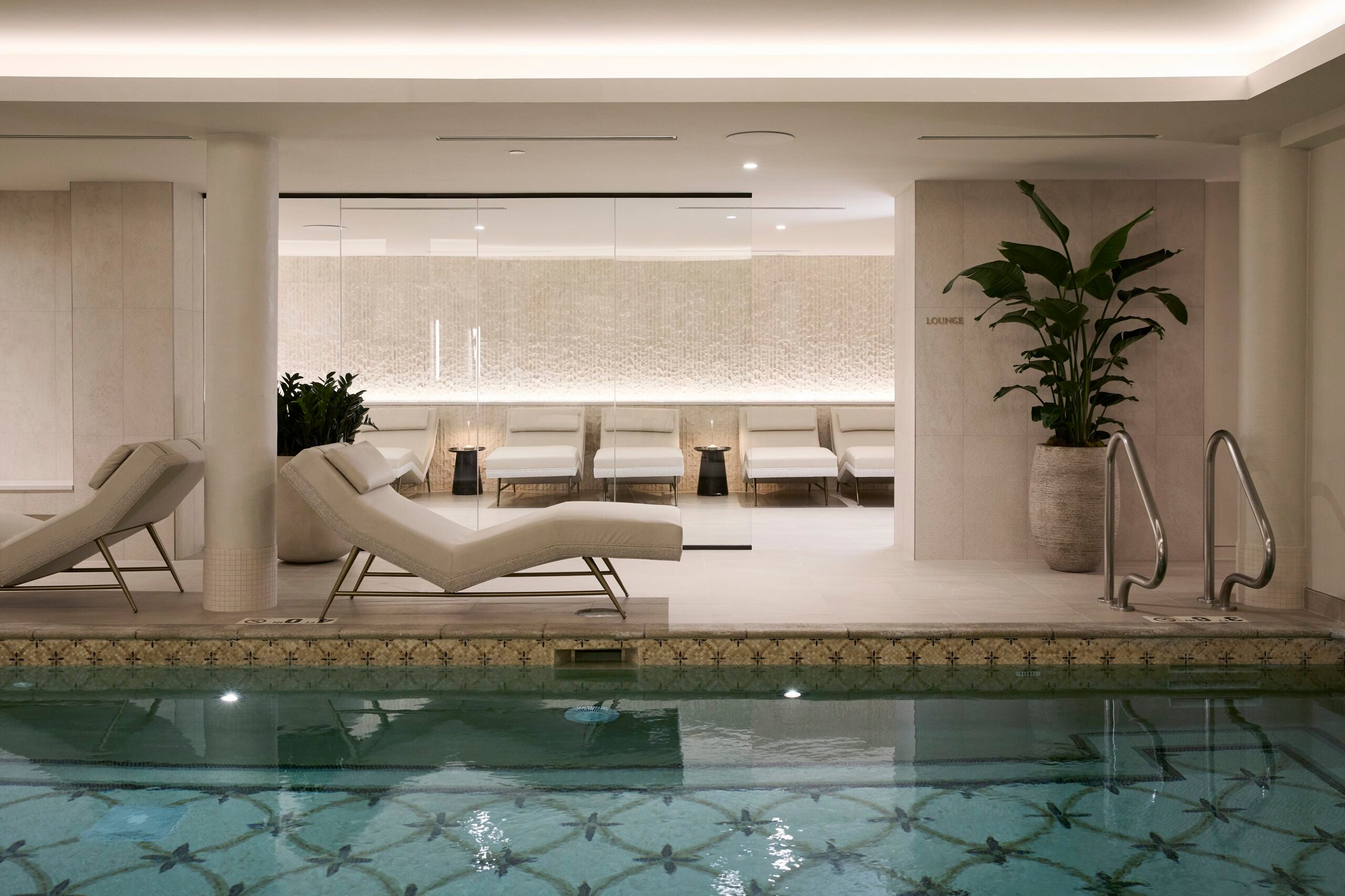
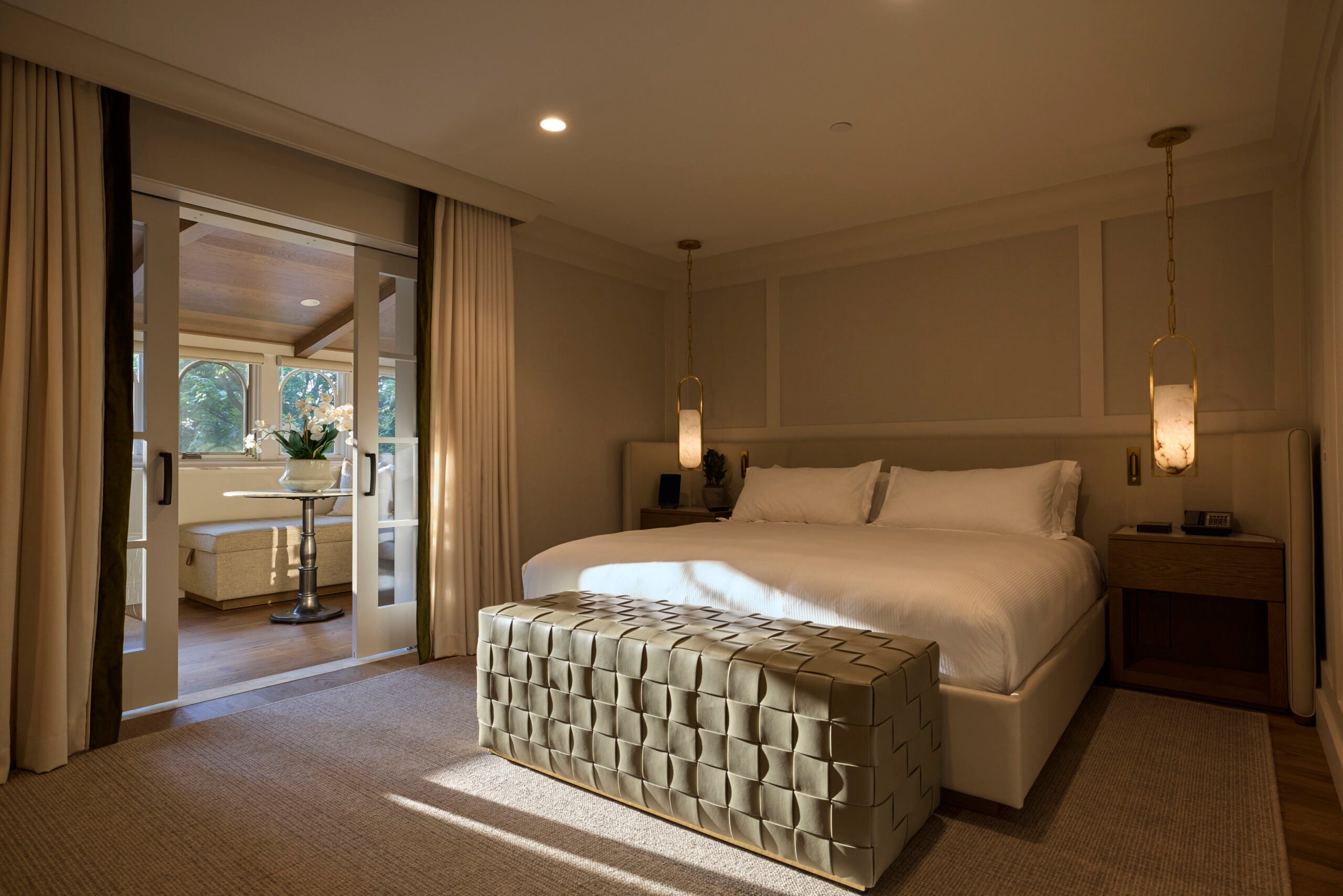
With just 50 private pool villas in a Unesco Biosphere Reserve, Milaidhoo Maldives offers a discreet, design-led take on island living.

Set in the heart of the Baa Atoll, a Unesco Biosphere Reserve, the island offers a more intimate vision of Maldivian luxury; one that favors calm over excess and personalization over scale.
Home to just 50 private villas, each with its own pool, Milaidhoo is deliberately small, creating an intimate island setting that feels both personal and unhurried. The experience is shaped around thoughtful service, generous space and a rhythm that encourages guests to slow down and settle into island life. Days unfold easily here, guided less by schedules and more by the natural pace of the surroundings.

From the moment of arrival, the atmosphere is quietly reassuring. The island’s serene, intimate setting is the perfect place to disconnect from the outside world. Overwater decks open onto clear lagoons, shaded paths lead to soft-sand beaches, and the island’s low-density layout preserves a sense of seclusion throughout. Whether swimming in the lagoon, walking the shoreline or spending unhurried hours on your villa deck, Milaidhoo offers the freedom to disconnect from the outside world and write your own story of the island.
Dining at Milaidhoo is a celebration, and central to the island’s identity. Across four restaurants, menus draw on fresh local ingredients, produce from the Chef’s Garden and a considered mix of global influences. Ba’theli, the resort’s signature restaurant, presents modern Maldivian cuisine inspired by the ancient Spice Route, with dishes rooted in island heritage and the surrounding sea.

Elsewhere, the dining experiences range from refined seafood and open-fire grills to lighter Mediterranean flavors, each setting designed to feel relaxed rather than formal. The emphasis throughout is on flavor, craftsmanship and a strong sense of place, with each meal thoughtfully crafted to reflect its surroundings.
Milaidhoo’s ocean experiences reflect its location within one of the Maldives’ most important marine environments. Snorkeling and diving reveal coral gardens and abundant sea life, while seasonal encounters with manta rays remain a defining highlight. For moments of complete stillness, private sandbank excursions offer rare solitude in an open seascape and a sense of peaceful escape.

Wellbeing is approached with the same sense of restraint and intention at Milaidhoo. Yoga sessions, tailored spa treatments and quiet spaces across the island support a slower, more balanced way of being. The setting itself does much of the work, calm, open, and naturally restorative, offering space for true relaxation and inner peace.
Whether you seek quiet reflection or exciting adventure, Milaidhoo offers a world of possibilities. Be it exploring the underwater house reefs to sleeping beneath a star-filled sky, each experience is concocted for you to connect deeply with the natural beauty of the island.

London is now one of the world’s top cities for fine dining with 80 Michelin-starred restaurants.

With the 2025 Michelin Guide reaffirming the city’s global standing, London now has 85 Michelin-starred restaurants, including six with a maximum three-star rating. The Ledbury, run by Brett Graham, is the latest London restaurant to join the best of the best alongside the likes of Core by Clare Smyth and Restaurant Gordon Ramsay on three stars in 2024.
While Michelin stars are not the sole measure of excellence, they remain the benchmark many chefs aspire to and a reliable guide for diners seeking the best restaurants in London. All of the city’s three-star restaurants naturally earn a place on this list, but fine dining extends well beyond the pinnacle. Many of the capital’s most compelling experiences can be found among its two and one-star restaurants, where creativity and precision often shine just as brightly.
Spanning cuisines from across the globe, these restaurants mirror London’s multicultural character and its reputation as one of the world’s great food capitals. While all 85 restaurants are well worth a visit, to make things a bit more manageable we’ve curated a list of the best eateries in London that are, in our opinion, the best of the best.
See also: The 15 Best Luxury Hotels in London

KOL is chef-patron Santiago Lastra’s acclaimed interpretation of modern Mexican dining in London, marrying time-honoured techniques and flavours with the finest British ingredients.
Since opening in 2020, the restaurant has earned international recognition and retained its Michelin star, cementing its place among the best restaurants in London. Seasonality, sustainability and a reverence for wild food underpin a menu that reimagines Mexican culinary heritage with contemporary finesse. Upstairs, the striking dining room is among the capital’s most impressive, while a sculptural spiral staircase leads to the intimate Mezcaleria and chef’s table below – a space inspired by the grand homes of Oaxaca.
A thoughtfully curated drinks list, with a focus on lesser-known Central and Eastern European wines, completes the experience.

The Clove Club, set within the historic Shoreditch Town Hall, offers a modern British dining experience under chef-patron Isaac McHale.
The seasonal tasting menu showcases the finest ingredients from across the British Isles, from Wiltshire trout to Aynhoe Park venison, each dish reflecting precision and clarity of flavour. Awarded its first Michelin star in 2014 and a second in 2022, the restaurant is firmly established among London’s best restaurants.
An open kitchen adds subtle theatre to the understated, whitewashed dining room, while the adjoining bar provides a relaxed counterpoint – a space where technique, seasonality and refinement take center stage.

Restaurant Story, chef Tom Sellers’s flagship, presents a personal and inventive take on modern British cuisine. The restaurant earned its first Michelin star within five months of opening in 2013 and a second in 2021, securing its place among London’s best restaurants.
The seasonal tasting menu features the signature Beef Dripping Candle, a clever reinterpretation of the traditional English dish bread and drippings, served as rendered beef tallow for diners to mop up with brioche. Sellers describes the dish as “a bread made from fermented apples and black treacle, finished with an English-style relish of slow-cooked veal tongue, chicken jelly and pickled horseradish.”
Set on Tooley Street, the dining room balances sophistication with ease, while the private dining space added in 2023 provides an intimate setting for a fully immersive culinary experience.

Brat, located in London’s creative enclave of Shoreditch, is chef Tomos Parry’s celebrated tribute to Basque-inspired, live-fire cooking. Set above a former pub, it’s less traditional than the usual white-tablecloth establishments, with a wood-panelled dining room that strikes an easy balance between relaxed and refined, with food and service that live up to the hype.
The restaurant takes its name from an Old English word for turbot — Brat’s defining dish — which is grilled whole over charcoal in a custom-made basket. Beyond the signature fish, the menu showcases other expertly grilled seafood alongside boldly flavoured, ingredient-led starters.
Awarded a Michelin star shortly after opening in 2018, Brat remains one of the most compelling and characterful restaurants in London, prized for its commitment to simplicity, tradition and flavor.

Situated on the culinary haven of Charlotte Street, the two-Michelin-starred Kitchen Table has long been considered London’s best chef’s table experience. A pioneer in the art of performative dining, Kitchen Table provides both dinner and the show with just 20 bar stool seats that surround chef patron James Knappett’s kitchen.
Offering just one tasting menu (vegetarian options are available), diners put their faith in Knappett to provide the best of British produce in refined style. The menu changes daily (yes, daily) according to the best produce.
First opened 11 years ago, Kitchen Table continues to be a hot ticket in town. Reservations are snapped up almost as soon as they are released and cancellations are usually filled by a lengthy standby list. In 2021, they upped the ante with a major glow-up of the interiors and the menu, quite possibly with intentions for a third star.

Located in Bethnal Green Town Hall, the Brazilian-inspired Da Terra has made culinary waves since opening in early 2019. Head chef and co-owner Rafael Cagali, who has experience at several Michelin-starred restaurants including The Fat Duck, won his first Michelin star within just nine months of opening, making Da Terra the first starred restaurant in East London.
The first star turned Da Terra into a novelty for committed foodies. Their charming 40-cover restaurant started to fill out on Friday and Saturday evenings. However, interest exploded when it was awarded a second star in the very next Michelin Guide, becoming one of only 15 restaurants in the city to boast two or more. That turned it into a destination in its own right and now you’ll have to wait weeks to get a prime table in front of Cagali’s open kitchen.
Da Terra is a tasting menu-only restaurant, offering an 11-course menu (including canapes and petit fours). While all courses are accomplished in their own right (read our review here), it is Moqueca that takes your breath away. Moqueca is a Brazilian fish stew taken from the northeast of the country. Presented at first in a big copper pot complete with langoustines, turbot and okra, it is then refined and re-presented in two-star form. The finished article is a wonderful sauce served with brown butter, wild turbot, toasted cassava flour and hen of the woods mushrooms.

We first dined at Luca, an ambitious Italian trattoria, in 2022 (read the review here). Confidently stating that the restaurant was never pitched as a fine dining restaurant and didn’t need a Michelin star to prove its worth, it duly went on to win its first Michelin star six months later. You can put that down in part to Michelin’s growing acceptance of informal dining, but mostly to Luca’s continued excellence under head chef Robert Chambers.
The food at Luca is unmistakably Italian, but there’s huge respect paid to local and seasonal produce. As a result, dishes on the four-course menu change as often as the weather. There are, however, some ever presents that are a must order. The parmesan fries, for instance, fly out of the kitchen day and night. The burrata, served on a bed of seasonal fruit such as nectarines, is as delicious as it is pretty.

However, with a Michelin star comes a rise in expectations. Luca is delivering in fall 2024 with an uber-luxurious truffle menu, a six-course meal designed to bring the best out of the famous white Alba truffle. After a round of antipasti, diners will get their own white truffle to shave on the rest of the meal as they please. Dishes include fresh cacio e pepe pasta and dry-aged Hereford fillet of beef with braised short rib, porcini, confit garlic and pecorino. An optional wine pairing includes the best of Piedmont wines, including Barolos.
You’ll leave the restaurant with everything you need to make a white truffle risotto at home, including truffle-infused risotto rice and your own truffle shaver.
The white truffle menu will be available from October 21 — November 17, 2024 for both lunch and dinner — priced at £225 ($270) per person. Bookings can be made via luca.restaurant

Easily going down as London’s most successful restaurant opening of 2023, Claude Bosi’s new restaurant had only been open for four months when it was awarded two Michelin stars in the 2024 guide. That gives the legendary French chef a total of four stars in the city with his Bibendum restaurant also holding two.
Brooklands by Claude Bosi occupies an envious position on the top of The Peninsula London, which also opened in 2023 to much acclaim. With views stretching out across Hyde Park, this Concorde-themed restaurant offers a bird’s eye view over London’s West End.
On the menu, you’ll find clever nods to British pop cuisine (the coronation chicken, made with liver pate) and a heavy reliance on the island’s finest produce (monkfish from Devon, lamb from the Lakes). The seven-course menu, at £195 ($250), leaves little doubt that we’re in two-star territory.
The restaurant itself is also a sight to behold. On the ceiling, a 48-ft, 2,700-pound replica of Concorde hangs above your head. On the floor, the carpet shows constellations of the night sky on the day Concorde took its final flight.

As a disciple of Hélène Darroze, Alex Dilling’s latest venture is a fitting restaurant to follow. Dilling worked with Darroze at the Connaught as executive corporate chef. He then earned two Michelin stars at The Greenhouse, a revered restaurant among London’s elite before the Covid-19 pandemic put paid to it. Dilling wasn’t down for long, however, opening his first solo venture at the five-star Hotel Cafe Royal in Piccadilly in September 2022.
The food at Alex Dilling at Hotel Cafe Royal is a continuation of his fine work at The Greenhouse. His philosophy is tried and tested: the finest ingredients and classic French techniques. It took just six months for the restaurant to be recognized by the Michelin Guide, achieving the rare feat of earning two stars at the first time of asking.
The restaurant itself is stylishly minimalist with an abundance of natural light. The fact that it’s situated in one of London’s best hotels, is an added bonus.
See also: Alex Dilling on the Trials and Tribulations of the Michelin Guide

Trivet was first opened in October 2019 by Fat Duck alumni Jonny Lake. Although, alumni doesn’t quite cut it when it comes to Jonny. He was the executive head chef for Heston Blumenthal’s restaurant group for 12 years, including when Fat Duck was crowned the best restaurant by the World’s 50 Best. So it was no surprise that foodie pulses were sent racing when he stepped back behind the pass as the head chef of a new venture in London Bridge.
After surviving a tempestuous 18 months, Trivet is now thriving (read our review here). It was not only awarded its Michelin star in 2022, but Lake’s founding partner, Isa Bal, received the highly-regarded Michelin Sommelier Award. In 2024, it reached new heights by earning a second star.
Trivet is deconstructed fine dining. There is no tasting menu, only a la carte. Diners are welcome to stay for one, two or three courses or simply enjoy a cocktail at the chic bar. Apart from some delicate crackers, there are no canapes. Instead, Trivet prides itself on hearty portions of perfectly prepared high-quality ingredients.
The 450-label wine list is presented in chronological order according to the earliest mentions of wine in literature. While France and Italy dominate the lists of most fine dining restaurants, Bal has instead championed those countries with the longest history of winemaking. Diners are encouraged to expand their horizons by trying lesser-known grape varieties from Georgina, Turkey and Greece.
The food menu is not so much seasonal as it is adaptable. Instead of changing dishes completely, Lake adapts the individual ingredients according to what can be sourced. By shunning constant change, Lake has perfected certain dishes by leaving room for refinement.

Yannick Alléno needs little introduction; the revered chef has amassed 16 Michelin stars during his glittering career including the three-star 1947 at Cheval Blanc. In 2023, he chose Four Seasons Park Lane to make his hotly anticipated London debut and, within seven months of opening, scooped yet another coveted star.
Alléno is known for his bold, complex sauces made using his signature extraction technique and healthy desserts that swap refined sugars for healthier alternatives.
The menu at Pavyllon London features an assortment of hot and cold starters (plant-based diners will be pleased to hear there’s an entire section dedicated to veggies). If you want to try something with a wow factor, the star of the show has to be Alléno’s signature ‘badaboum’ – cut into the perfectly poached organic egg and oscietra caviar oozes out.

Australian chef/patron Brett Graham has been wowing diners at The Ledbury since 2005. It earned its first Michelin star just a year after opening and a second in 2010. The restaurant then closed in 2020 before reopening in 2022 with revamped interiors and a new concept offering just one tasting menu at £210 (approx $270).
Curiously, very little information is offered about the menu. The restaurant has a primitive website and no presence on social media. At a time when Instagram is used to drive bookings, The Ledbury offers an enticing sense of mystery – one that is increasingly rare in today’s modern world. The novel approach has certainly paid off, as in 2024 it was deservedly elevated to three Michelin stars, becoming just the sixth restaurant in London to hold the accolade.
The tasting menu changes often, but a sample menu offers a glimpse of what diners can expect. With ingredients like Poole Bay mackerel and veal sweetbreads, Graham champions British ingredients and local suppliers. Graham also supplies some of the ingredients himself, namely from the restaurant’s very own dedicated mushroom cabinet.

Combining contemporary elegance, an intimate ambiance and unparalleled service, Restaurant Gordon Ramsay is a must for the culinary connoisseur. It has retained three Michelin stars since 2001, making it one of the longest-standing three-Michelin-starred restaurants in the world.
Since its opening, it has continually wowed diners with its consistent devotion to quality. The menu prides itself on superb ingredients and sublime flavor combinations, whilst the size of the restaurant – only 14 tables – ensures every diner receives an exceptional degree of attention.
The restaurant has retained its high standards despite losing the incredibly talented Clare Smyth, who left her position as head chef in 2016 to open her own London restaurant, Core, which also features on this list. Today, Chef de Cuisine Matt Abé, who worked under Smyth, is responsible for the kitchen.

Previously head chef at Restaurant Gordon Ramsay, Clare Smyth struck out on her own and has since established one of the best restaurants in London. Core was widely tipped to gain a coveted third star in the 2020 Michelin Guide but was instead held on two stars to the surprise of industry experts. It only took one more year for Smyth to achieve the pinnacle of fine dining, earning that third star in 2021.
The blend of high-end and casual is a refreshing twist that adds to Core’s atmosphere. Smyth wants everyone who comes in to have a good time and to make sure diners relax enjoy themselves, something that she thinks is more important than winning awards.
The vibe at Core is different to what you might expect; Smyth calls it “casual luxury,” taking humble ingredients like the potato or carrot (the Lamb Carrot, a dish of braised lamb but with the carrot taking center stage, is one of Core’s signatures) and “flipping it on its head” to create sustainable haute cuisine.
Not one to rest on her laurels, Core by Clare Smyth closed in 2023 to undergo a significant renovation of its interiors and the addition of a new bar called Whisky and Seaweed.

This three-Michelin-starred restaurant showcases the talents of renowned French chef Hélène Darroze. Celebrating its 10th anniversary in 2019, the restaurant closed for two months to undergo a total refurbishment. Parisian design team Pierre Yovanovitch Architecture d’Intérieur were brought in to give the restaurant a fresh look, brightening the interiors and adding a spectacular pink marble chef’s table overlooking the pass and the kitchen.
Not only were the interiors modernized, but the menu as well. It reopened with a new a la carte offering that put a greater emphasis on British producers but still retains odes to her classic French training. The British-themed offerings include ‘caviar with langoustine, oyster and runner beans’ and ‘Denbighshire pigeon with beetroot, wild blueberry and Mexican molé.
the-connaught.co.uk/helene-darroze

Set within Ten Trinity Square, the former Port of London Authority HQ that was recently re-masked into a breath-taking Four Seasons Hotel, La Dame de Pic is the work of internationally acclaimed chef – Anne-Sophie Pic. Coming from a family of successful chefs (Pic’s father and grandfather both attained three Michelin stars at the family restaurant in Valence), Pic’s decision to open a London outpost was met with huge fanfare across the capital.
See also: The Chefs Fighting to Make Fine Dining Sustainable
With a relaxed feel, the restaurant’s pared-back interior focuses on offering guests a completely unpretentious experience, giving full attention to Pic’s beautifully presented cuisine. Offering a menu that flits between British and French cuisine, the majority of the ingredients are British produce. Pic’s ability to merge these two neighboring nations is what makes La Dame de Pic so spectacular and shows why she is widely regarded as a legend in the restaurant world.

One of the world’s biggest chefs arrived in London with aplomb in 2023 (read our full review here), opening not one but three restaurants at the new Raffles London at The OWO. Mauro Colagreo is best known for his work at Mirazur, which has previously been named the best restaurant in the world. There he makes the most of local produce and he’s done much the same in London.
The Argentinian chef worked on the concept for over 18 months, traveling to producers from Cornwall to the Cairngorms in search of the best of British produce. It’s a brave step, but one he has not taken lightly. Evening menus come in either three- or five-course form. Assuming you’re not here on a budget, the five-course tasting menu (£165 / $205) and the Exploration Route wine pairing (£125 / $155) is the recommended path.

Vegetables are the stars of this show. Before each course arrives, you get a beautifully illustrated card telling the history of its hero ingredient.

The restaurant’s living-room style furnishings (plush carpet, thick drapes and plump sofas) make for soft acoustics. Restaurants usually amplify the background noise, here they seem intent on suppressing it. That’s helpful when you need to hear about the canapes, less so when you’re looking for atmosphere.

Hidden away in Soho’s blink-and-you’ll-miss-it St Anne’s Court is Aulis – an intimate chef’s table concept from Simon Rogan AKA the brains behind the Lake District icon, L’Enclume. Head chef Charlie Tayler and his small team guide just 12 guests per seating through a winding tasting menu, with each course using ingredients from Rogan’s Lake District farm.
Following a facelift which saw it expand into the space next door in order to add an adjoining lounge, used for pre-dinner drinks and the first four or so courses, Aulis re-opened in summer 2023, fresh with big ambitions. Despite L’Enclume’s weight in the Michelin guide, Aulis London had been snubbed since it first opened in 2017. Until now, that is; as of February 5, the restaurant is the proud recipient of its first Michelin star.

One of just six London restaurants with three Michelin stars, Alain Ducasse at The Dorchester has long been regarded as the city’s ultimate fine-dining destination, having held all three since 2010. Ducasse’s career has been laden with Michelin stars, currently holding 18 and at one stage having as many as 21.
Alain Ducasse at The Dorchester offers contemporary French cuisine in modern and elegant décor along with professional and friendly service. The seasonal menu changes frequently, but diners can expect a mix of British ingredients and French techniques. There is also a vegetarian menu (Jardin) in an ode to the changing habits of diners.
The restaurant also houses the most famous dining table in London. Located in the center of the dining room, the Table Lumière is surrounded by 4,500 shimmering optical fibers which drop dramatically from the ceiling cleverly allowing guests to enjoy the ambiance and buzz of the restaurant whilst being nearly screened from view. Guests also dine off of stunning Hermès china sets and Puiforcat silverware and drink from Saint-Louis crystal glasses.
See more: The Dorchester Head Chef Jean-Philippe Blondet on his Inventive Approach to Fine Dining

Occupying what used to be the headquarters of Christian Dior, Sketch is chic, glamorous and trendy. It has held the maximum three stars since 2020, putting it in an elite group.
The Lecture Room & Library, at the top of the Grade II listed building, offers haute cuisine by the extraordinary chef Pierre Gagnaire in a plush setting of studded ivory leather walls, ornate plasterwork ceilings, and rich furnishings in purple and crimson. Gagnaire has a global empire to run, so he entrusts Johannes Nuding to run the kitchen in his place.
Diners can choose between a seven-course tasting menu (vegetarian available) or a full a la carte menu. There is also a vast wine list containing some impressively expensive vintages on offer. An added bonus here is the guest bathrooms, which look like something out of a Stanley Kubrick film and are without doubt the most Instagrammable toilets (if there is such a thing) in London.
See also: The Best Restaurants in New York
Each restaurant featured is independently selected by Elite Traveler’s editors, informed by first-hand experience where possible and rigorous, in-depth research where not. Our curation spans the world’s most revered luxury establishments alongside in-the-know addresses, each chosen for its uncompromising standards, exceptional service, and access to unparalleled experiences.