Meet the American duo breathing new life into one of Burgundy’s historic estates.


Meet the American duo breathing new life into one of Burgundy’s historic estates.
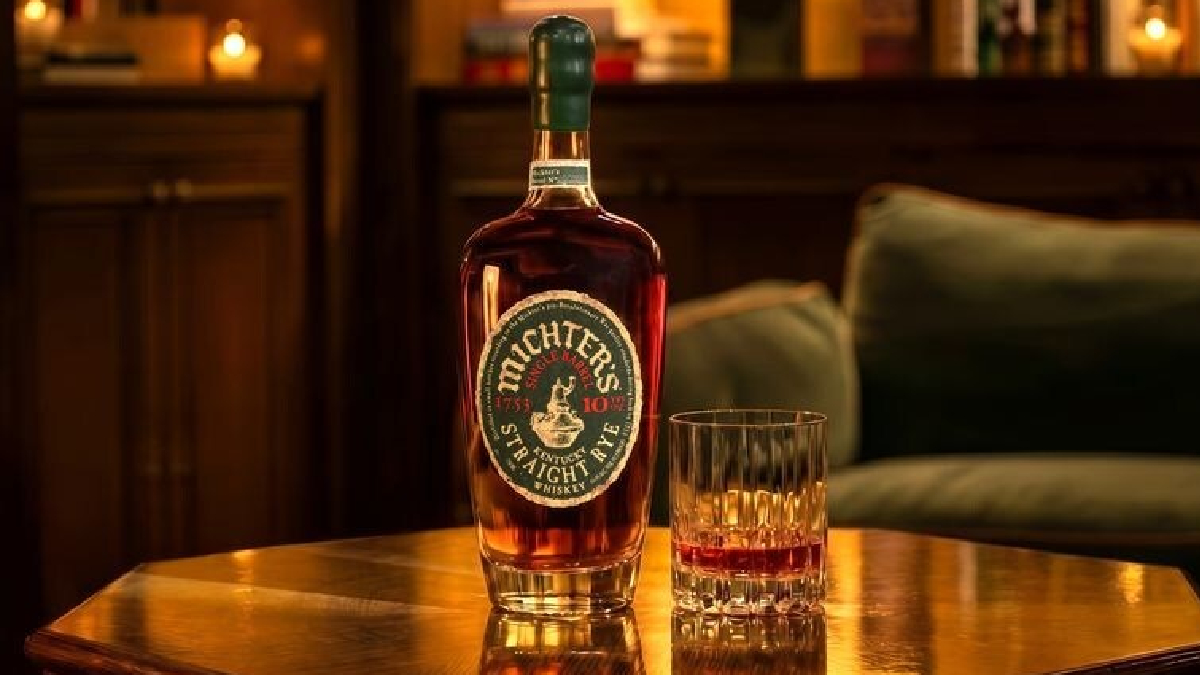
This is one of the distillery’s best whiskeys. This is one of the distillery’s best whiskeys.

Known as The Church, the historic Marin County residence was originally built as a Presbyterian house of worship. Known as The Church, the historic Marin County residence was originally built as a Presbyterian house of worship.
While the pastry section is in decline, some industry leaders are flying the flag for the humble pudding.
There was a time when “Would you like to see the dessert menu?” felt like the easiest “Yes, please” in the world. But in many restaurants, the pastry section has become an afterthought. Gone are the sprawling lists of sundaes, cakes, tarts, puddings, and pies; dessert menus are shrinking as dining habits shift, priorities change, and fewer diners indulge their sweet tooth.
Where this section was once a fundamental of any restaurant worth its sugar, an increasing number of top eateries are doing away with it altogether. “Myself and [head chef] George [Williams] decided very early on to not have a pastry section,” says Beth O’Brien, sous chef at The Fat Badger, part of London’s new wave of upmarket restaurant-pubs. “We all rotate – sometimes I do desserts, sometimes it’s George.”
In extreme cases, some restaurants are not just without a pastry section – they are without puddings altogether. “We don’t do dessert at Kiln,” chef Meedu Saad tells me matter of factly. “We’re just not set up to do that.”
See also: Why London Restaurants are Embracing a New York State of Dining
Saad’s second restaurant, Impala, is the current London buzz spot and like its big sister, sweet dishes are not a priority. Just one dessert – a pistachio and date custard tart – is on offer, and even this one dessert has salt in every single element, from the pastry to the date puree. “I didn’t want to go from eating a savory meal into a sweet thing that’s completely different … and I didn’t feel like we needed anything else to prop it up,” says Saad.
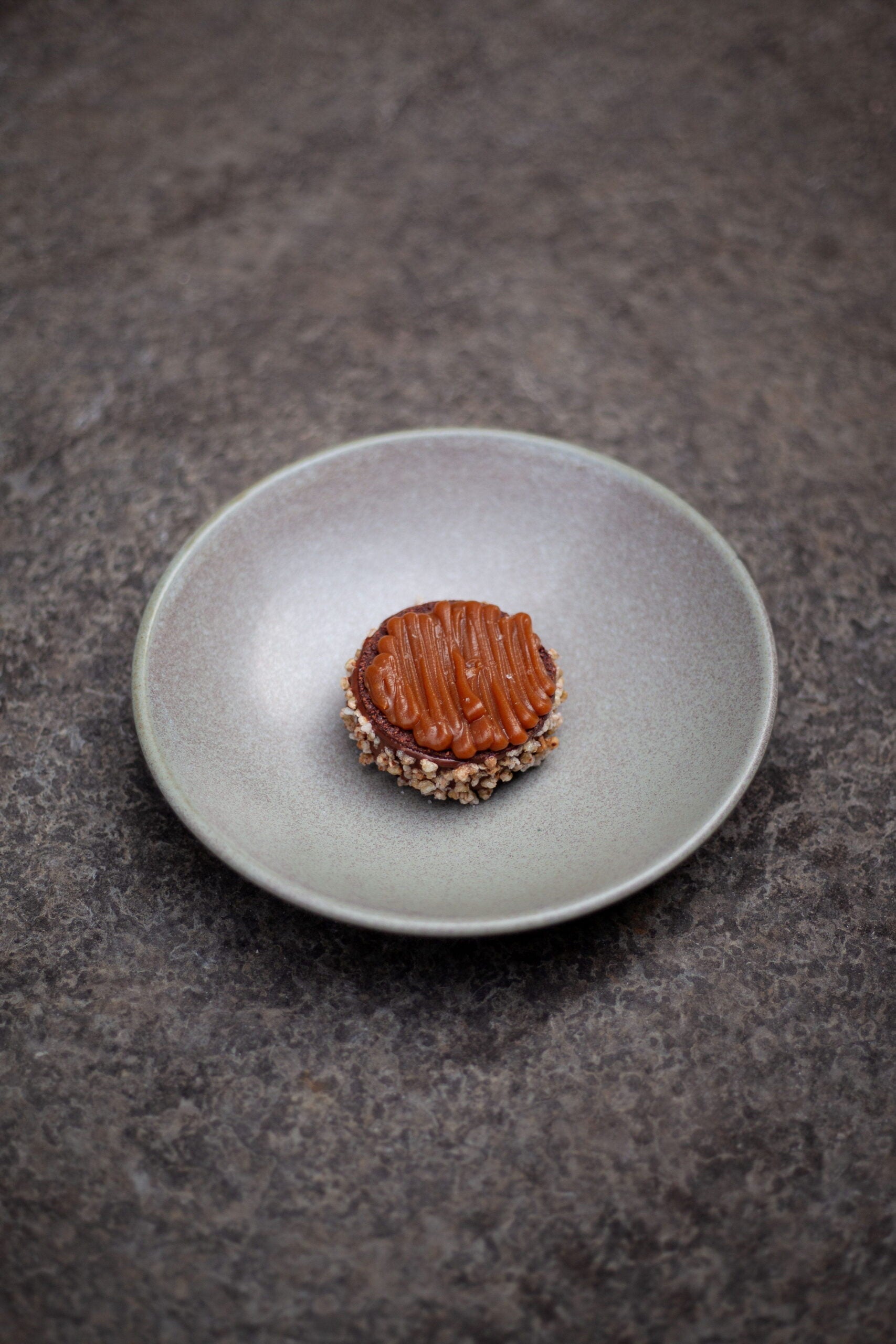
And where does the blame for the decline of the dessert lie? An easy finger to point is at weight loss drugs: “We’ve had a few people in recently [at The Fat Badger] who led by telling us that they’re on Ozempic, so they want a smaller and lighter menu,” says O’Brien. “We often just end up sending out a sorbet.”
Tastes, too, are changing, with The Future Laboratory’s recent food and drink trend reports finding that salted, sour, and umami-led profiles are emerging as key flavor preferences.
But, even if diners are leaning more toward savory dishes, many restaurants make a case for customers themselves not being the root cause of the problem. The call is coming from inside the industry. “It’s become a lot more difficult to run a restaurant,” says Louis Lingwood, head chef at London newbie Osteria Vibrato. “And because restaurants have to optimize, they’re like, ‘okay, we can’t afford more people in the kitchen. Let’s do an offering that this limited team can cope with.’”
“In casual and mid-market dining … guests move faster, spend more consciously, and dessert is often the first thing cut,” adds chef Gabriel Kreuther, whose eponymous New York restaurant still leans heavily on classic French pastry principles. “The rise of small plates and shared formats has blurred the meal’s architecture in ways that make a formal dessert course feel out of step.”
See also: Are Cocktail and Bar Snack Pairings the Next Big Thing in Dining?
The knock-on is that young cooks don’t see sweet as the ‘cool’ place to be. “Chefs aren’t pursuing pastry because it’s not seen as important,” adds Richard Phillips, head of pastry at Timberyard in Edinburgh (and dessert whizz at Le Manoir, Blue Hill at Stone Barns, and the Waterside Inn). “A lot of people just want to cook meat on barbecues because that is the stylish thing to do … And for [restaurants], to say that they’ve dissolved their pastry section is upsetting. There is so much unknown knowledge and forgotten techniques that people don’t perceive as being important anymore.”
But, the tide might be turning on this disdain for dessert. In an attempt to revive the oft-forgotten section, prestigious cookery school Le Cordon Bleu has launched a new patisserie scholarship, with a prize fund worth over £75,000 (approx. $100,800), including 12 months of professional training and mentoring, as well as London accommodation.
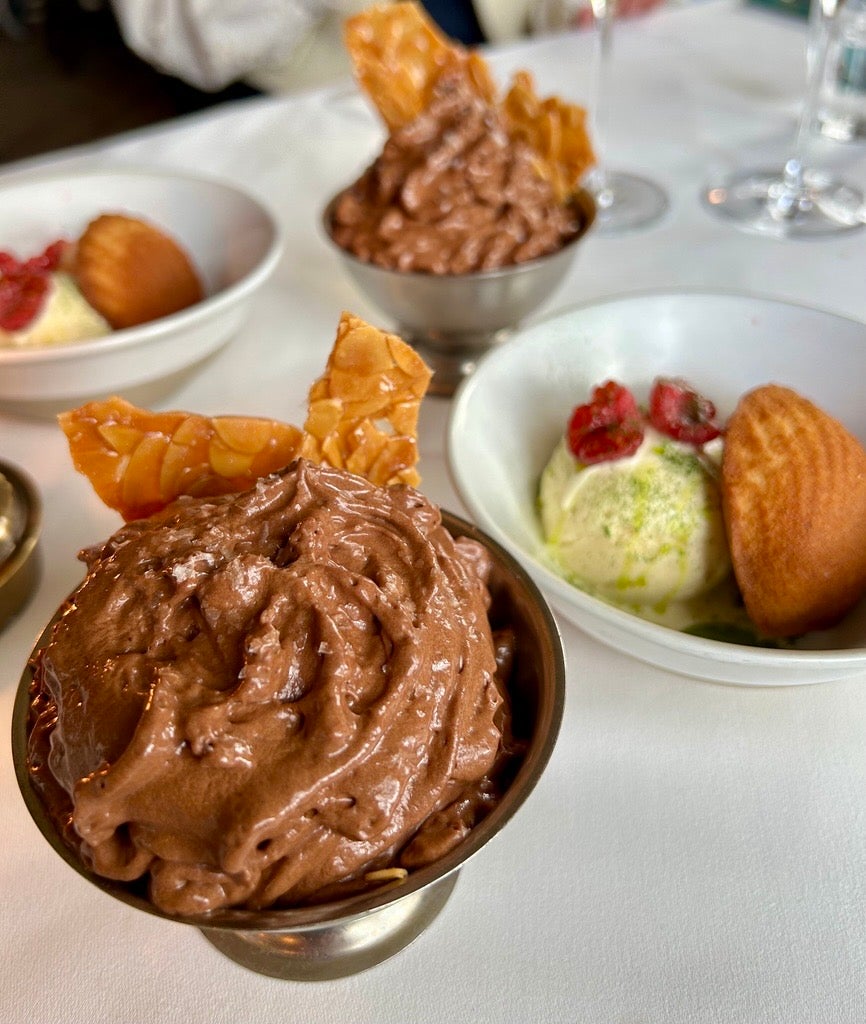
In tandem, a wave of chefs are on a mission to re-instate pudding to its former glory. “I think dessert completes the experience,” says Lingwood. “When I look at a menu, I look at the desserts straight away and think, ‘save room for this.’” Osteria Vibrato’s pastry section is alive and well, and led by Kate O’Sullivan. Instead of pulling back, the dessert list is propped up by theater, namely in the form of its made-to-order biscotti. They’re doughy, fudgy, and finger-tingingly hot. They’re messy, too, with clouds of icing sugar billowing over the table.
See also: Michelin Star Recipes You Can Make at Home
Kreuther shares the opinion that a restaurant experience is made or broken on a dessert. “The peak might belong to a particular savory course … but the ending always belongs to the pastry chef,” he says. “No other position in the kitchen owns the guest’s final impression more completely. A weak dessert program doesn’t just underperform – it quietly erodes the memory of everything that came before it.”
New York hotspot Corner Store – which has a whole Reddit thread dedicated to hopeful diners trying to secure a table – banks on nostalgia for its ever-popular dessert list, with the coconut and chocolate fudge ice cream sundae and Granny Smith apple pie becoming signatures. Hype has proved fruitful for these puds: The Corner Store requires pre-booking for even its take-out sundae pop-ups.
Even The Fat Badger’s dessert section removal has another angle: it’s highly likely that the head chef at what is often called one of London’s best restaurants is in the mixer making your pudding. Few other places can claim the same.
In an era when running costs are rising and profits, like many diners, appear to have undergone the Ozempic effect, some leading chefs believe investing in pastry is the key. “Since we’ve expanded a little bit on our dessert offering, our sales have rocketed,” Lingwood says. “If there’s an onus on the kitchen to entice you in with more variety, then people go for it. If you make dessert an afterthought, customers notice.” The proof really is in the pudding, then.
Miami’s Los Félix will begin its one-month residency at The Ned on June 4.
Mexican food is finally having its long-awaited London moment. For years, the capital was teased for its lack of decent tacos – especially compared to culinary heavyweights like New York, LA, Miami, and even parts of Europe – but a wave of buzzy openings over the past few years has slowly started to shift that reputation.
The popularity and commercial success of Santiago Lastra’s KOL is perhaps the clearest example of how far Mexican food has come in London. The slick, two-Michelin-starred Marylebone restaurant serves a tasting menu built around seasonal British produce, interpreted through traditional Mexican flavors and techniques. Last year, thanks to growing demand, it even transformed its downstairs mezcal bar into a dedicated dessert-and-drinks space.
And it’s not just high-end restaurants like KOL that are thriving in the capital. More informal taqueria-type spots like La Chingada and Sonora Taquería have built loyal followings for traditional-style Mexican street cooking, serving everything from slow-cooked birria to nopales, all paired with a glass of homemade horchata, while breakfast spot Bad Manners – a shiny Airstream parked in the front garden of Shoreditch Church – regularly draws weekend queues for its loaded burritos.
Mexican influence has well and truly spilled into London’s drinking scene, too. This year, tequila overtook gin as the UK’s spirit of choice, while margaritas have become a fixture on cocktail menus, and mezcal bars continue to pop up across the city.
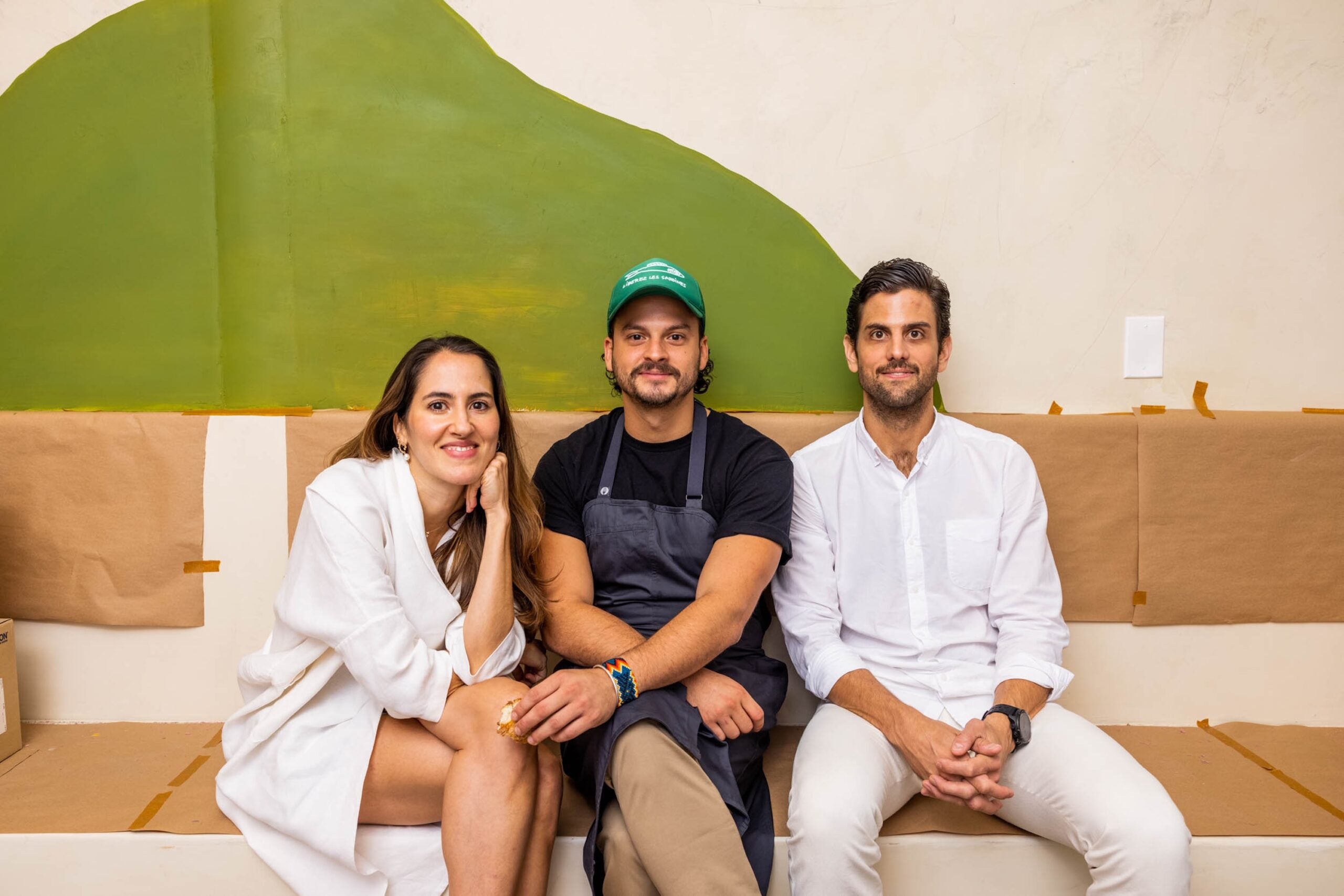
Hoping to tap into the Mexican momentum is Los Félix, a Michelin-starred restaurant from Grassfed Culture Hospitality led by chef Sebastián Vargas. Hailing from Miami, this June the restaurant will cross the pond for a month-long residency at The Ned, popping up at its restaurant Cantina Malibu.
“This felt like the right moment to share that voice outside of Miami,” affirms chef Vargas. “London has this incredible openness to global culinary identity while still deeply valuing craftsmanship and authenticity, which aligns beautifully with how we cook.”
The residency will bring together Mexican tradition with contemporary fine dining, with a focus on Mesoamerican cuisine. At the heart of the offering is Los Félix’s dedication to heirloom corn, with tortillas made by hand on site daily.
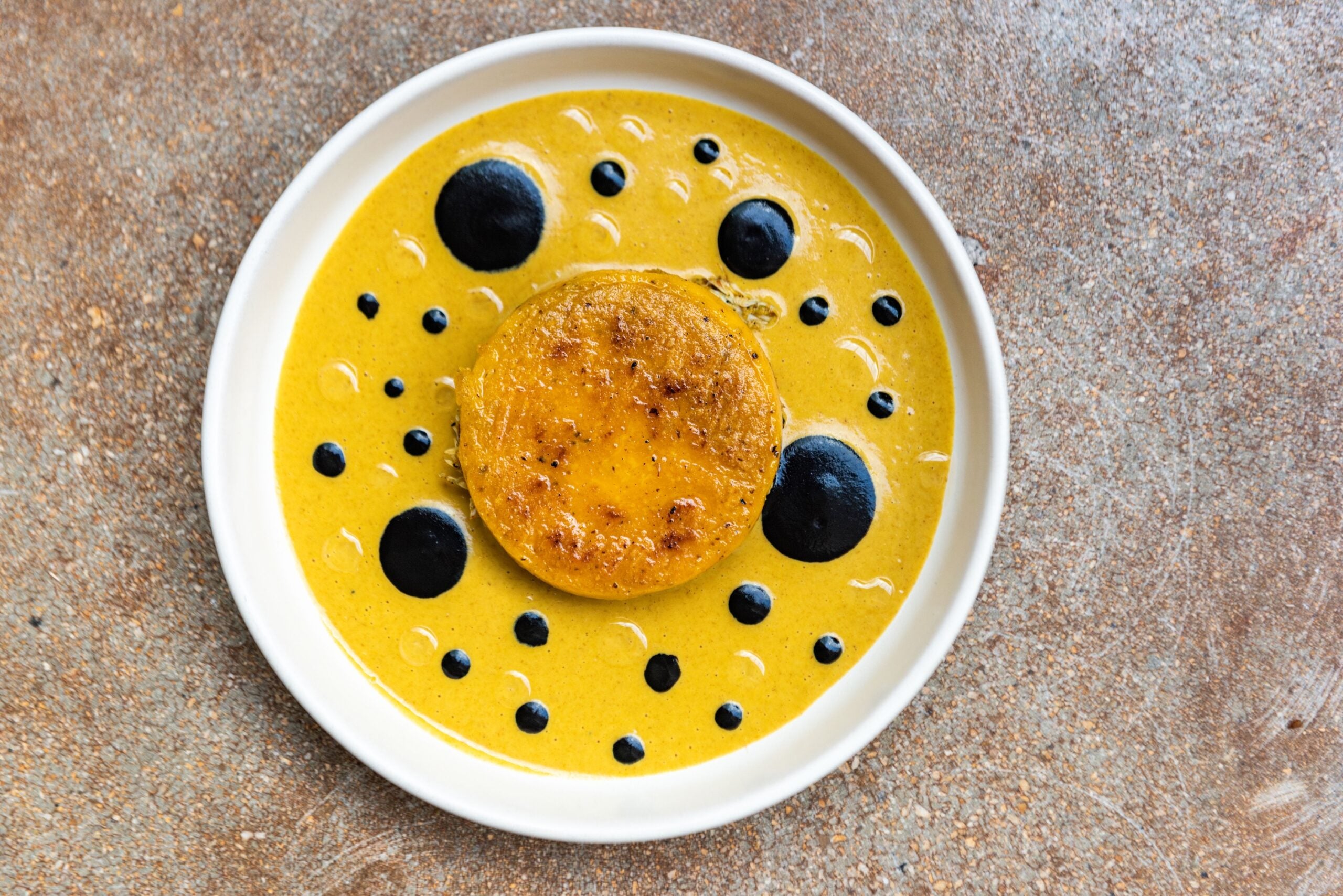
“People here genuinely care about ingredients, history, technique, and narrative. That excites me because our food carries a lot of intention behind it,” adds Vargas.
Chef Sebastian says the collaboration with the Bank-based members’ club felt like a natural fit. “For our first residency in London, The Ned allowed Los Félix to exist honestly without compromising its soul,” he said.
“The Ned understands hospitality as an experience rather than simply a restaurant transaction. There’s culture, energy, music, design, and emotion woven into the space, and that’s very important to us, ” he adds.
As for what London diners can expect, Sebastian hopes to bring the vibrancy of the restaurant’s Miami base to the capital. “The spirit of Los Félix lives in intention. It’s in the sourcing, the nixtamalization process, the smoke, the music, the pace of service, the warmth of hospitality.”
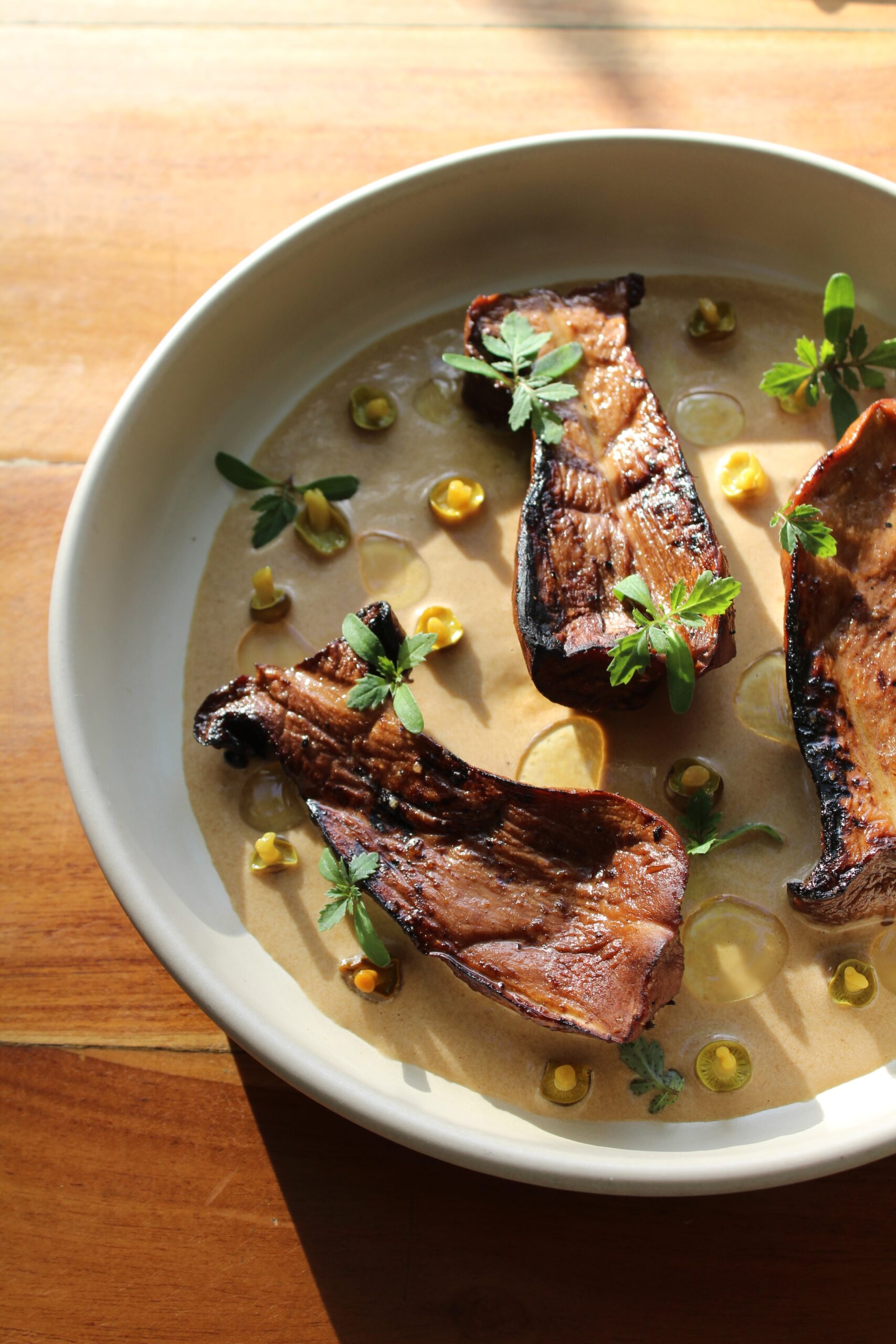
Guests will be able to order from an à la carte menu featuring Los Félix’s best-known dishes alongside several London-exclusive additions. While there are a handful of vegetarian options, the menu leans heavily into seafood and meat: catch-of-the-day crudo with melon, pickled pineapple, lime, and avocado; pork cheek carnitas with orange and chile, sesame macha, and the restaurant’s signature fresh heirloom corn tortillas; and lobster esquites with coconut, morita, fresh cheese, and basil.
For a true taste of Los Félix, Sebastian encourages diners to try the arepa with wild-caught crab, smoked corn, charred plantain leaves, and coconut oil. “It’s truly a dish that represents everything we love: sourcing, culture, art, and flavor.”
Dishes will be served alongside a selection of house-made salsas, and to wash it all down, event partner Modelo Especial will be available on draught, as well as a cocktail menu, created by Los Félix.
“More than anything, I want people to leave feeling something,” says Vargas. “I want them to feel warmth, humanity, and craftsmanship in every detail, from the tortillas to the music to the hospitality.”
Los Félix’s month-long residency begins June 4 at The Ned’s La Cantina. Book here.

The newly reopened and redesigned museum claims Lewis Hamilton as patron and one of the world’s largest collections of Formula 1 cars.

It’s perhaps the most famous race in history. It’s certainly the oldest and most prestigious endurance sports car race – that’s just a fact. It’s been immortalized through countless documentaries, deep dive television series, and even a blockbuster film. Now, the reopening of the M24 – Museum of Motorsport is not only giving visitors a new up-close-and-personal perspective on the 24 Hours of Le Mans race, but it’s widening the world of motor racing.
Reopening today, May 28, ahead of the 2026 edition of the 24 Hours of Le Mans, which begins on June 10-14, the all-new M24 has been conceived as a broader celebration of motorsport as a whole. Developed by MACO, the joint venture between the ACO and Swiss watchmaker Richard Mille, the museum expands beyond endurance racing to encompass Formula 1, rallying, rally raids, IndyCar, and American motorsport culture.
See also: The Most Stylish Lap in F1 History? Gucci Joins Alpine as Title Partner

Originally opened in 1961 by then-ACO president Jean-Marie Lelièvre, the institution previously known as the Museum of the 24 Hours of Le Mans began modestly with almost 11,000 sq ft dedicated to the history of the race. A larger site followed in 1991 near the race circuit’s main entrance in Le Mans, South of France, allowing for a growing collection of race cars loaned by manufacturers and private collectors alike. But the latest transformation marks its most ambitious chapter yet.

After shutting since 2025, the museum now spreads over 92,500 sq ft, housing more than 120 vehicles alongside rare memorabilia and archival objects spanning more than a century of racing history. Among the headline exhibits are the 1924 Bentley 3 Litre Le Mans winner, the 1965 Ford GT40, the Matra 670B, modern Hypercars, Michael Schumacher’s Ferrari F2002, and the iconic Lancia Stratos rally car, as well as race-worn items including Ayrton Senna’s suit.
See also: Ferrari’s Luce Ushers the Supercar Into ‘New Territory’ for the Electric Era

Seven-time Formula 1 world champion Lewis Hamilton will also serve as patron of the museum. Upon the announcement, Hamilton described M24 as “more than a traditional car museum,” calling it “a home for motorsport […] that tells the stories of the races, people, and technological innovation that have shaped Le Mans and the wider sport.” He also highlighted the museum’s collection of Formula 1 machinery, which is expected to become one of the largest displays of F1 cars anywhere in the world.
Architect Frédéric Audevard approached the redesign with the visual language of racing in mind. He explained that the building’s “continuous strokes and taut shapes” were inspired by “the aerodynamics, speed, and adrenaline at play in motor racing.” In particular, he drew from the prototypes on the grid of the 24 Hours of Le Mans, with sweeping aluminium surfaces intended to capture the speed and adrenaline associated with the sport.

Inside, visitor movement has been carefully choreographed so the experience flows “like the air around a race car,” to create a sense of motion throughout the museum rather than a series of static galleries. This new format and layout lean heavily into immersive storytelling, with state-of-the-art sound design and digital scenography designed to place visitors inside motorsport’s most exciting moments.
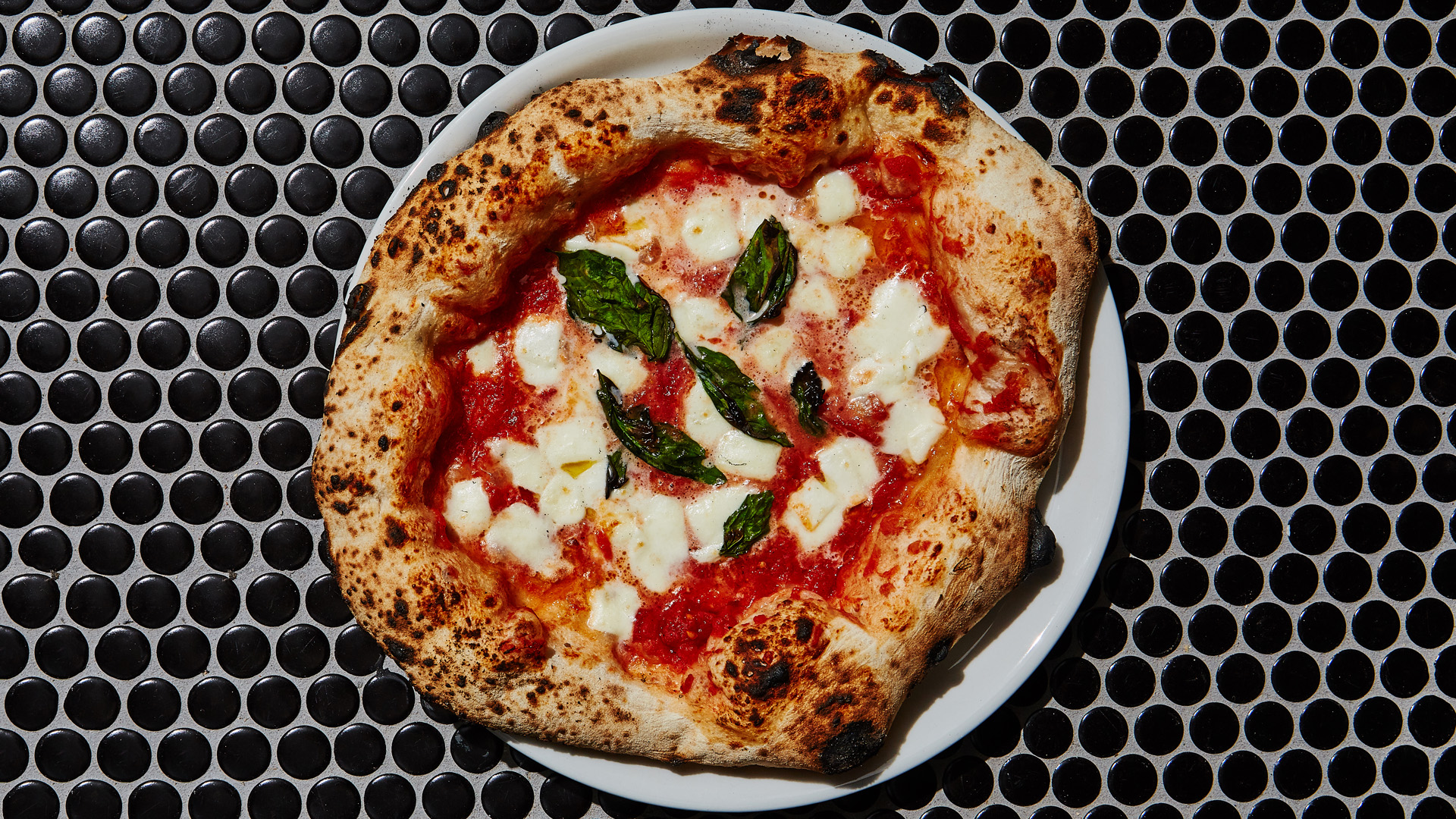
Could anyone dethrone Una Pizza Napoletana? Could anyone dethrone Una Pizza Napoletana?
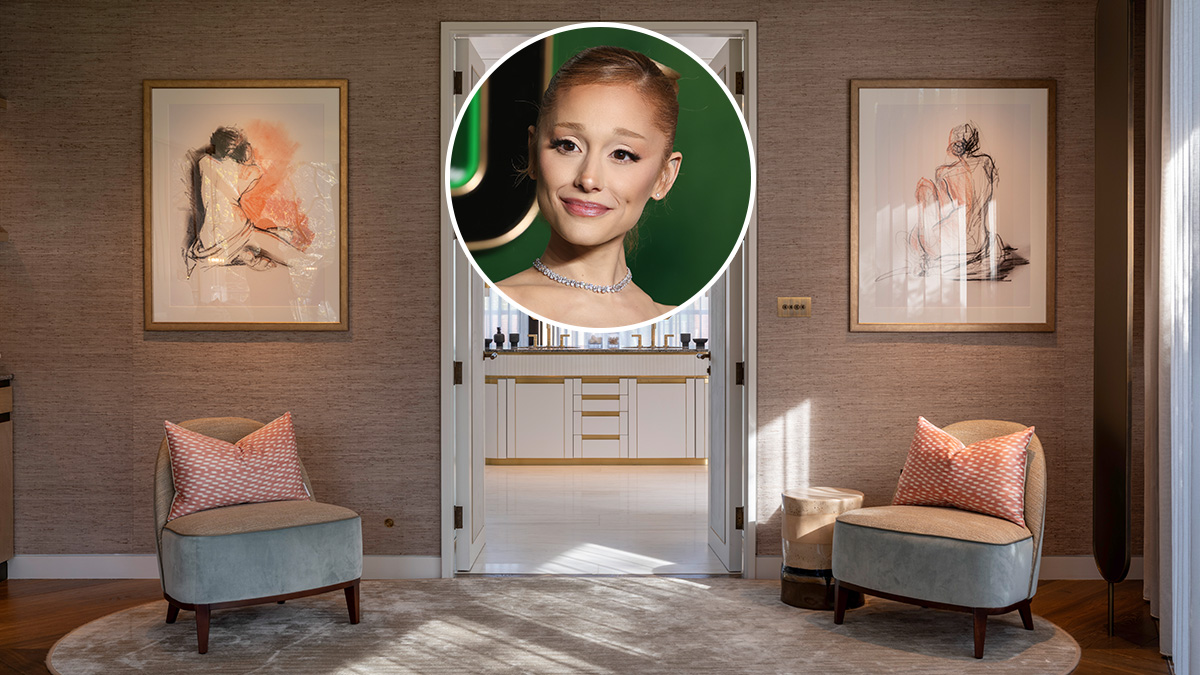
The pop star rented the nearly 10,000-square-foot apartment within Hampstead’s ultra-secure Buxmead enclave. The pop star rented the nearly 10,000-square-foot apartment within Hampstead’s ultra-secure Buxmead enclave.

The tribute to Porsche’s 356 Speedster is built from the chassis of a 982-generation 718 Boxster, delivering the best of both models. The tribute to Porsche’s 356 Speedster is built from the chassis of a 982-generation 718 Boxster, delivering the best of both models.

They are odes to craftsmanship, but why aren’t perfumes protected like other art forms?

A luxury fragrance can take years to compose, yet a dupe that mimics its scent profile – and sells for a fraction of the price – can appear within weeks. It’s a phenomenon plaguing perfumers, whose largely intangible work is difficult to protect.
Trailblazing master perfumer Francis Kurkdjian recognizes it all too well, leading Christian Dior Parfums as perfume creation director, and his eponymous Maison Francis Kurkdjian, home to Baccarat Rouge 540 – the modern king of fragrance dupes. “A formula of a scent cannot be patented,” he explains, “even though a great perfume is the result of years of study, training, and creative vision, just like any other act of creation.”
See also: Why Is Hollywood Reportedly Hooked on Peptide Injections?

There are, of course, myriad artistic elements to scent-making beyond the commercialized packaging and presentation – all of which can carry emotional storytelling. Most central is the harmoniously structured and deftly blended juice itself, which “some would argue is culturally and creatively treated as an art form,” says Amanda McDowall, specialist brand protection and IP lawyer at Lee & Thompson, one of the UK’s leading law firms. So why is it that olfactory art is not clearly recognized under copyright law in Europe and the US? “Music can be written as a notation or recorded and paintings can exist visually on a canvas,” she tells us. “Perfumes are difficult to protect in this way because they are hard to fix in a stable expressive form, and are perceived very subjectively.”
Instead, as McDowall explains, there are types of intellectual property protection available to safeguard perfume creators’ rights. The most important form is likely trade secrets, whereby “the exact formula for a fragrance is often kept confidential, in the same way that famous soft drink formulations are.» Trade secrets work well, she continues, “because formulas are difficult to perfectly reverse engineer and secrecy can theoretically last forever.» Some perfume houses also develop sophisticated molecules to make their fragrances more difficult to replicate, says Clara Molloy, co-founder of luxury niche fragrances Memo Paris. “But ultimately, these efforts only buy time: people who truly want to copy something will always find a way.”
See also: Why Haute Fragrance Matters More Than Ever, According to Maison Margiela
There are other tricks of the trade, too. With each Memo Paris fragrance, for example, maturation and maceration times are changed, Molloy shares. “It is a know-how done by people passionate about perfume.” And like the rare ingredients they source, this expertise comes at a high cost. “Those who produce dupes don’t want to put this kind of price on a perfume,” she points out. Natalie Guselli, head of beauty at Liberty – one of the retail world’s most iconic fragrance destinations – agrees. “The reality is that the concentration, ingredients, and construction of a luxury fragrance create a depth and staying power that is very difficult to replicate with cheaper alternatives.” As Molloy quips, “you can always buy the copy of a Chanel dress, you are still not wearing Chanel.»

Paradoxically, this does bring about the argument for dupes: they can open the door to a world that often feels inaccessible. That said, as perfumer Pia Long highlights in her new book Demo Accords, far from “heroically Robin Hood-ing their way through perfumery’s elitism problems”, dupe companies are simply “stealing from everyone.» And besides, “there is enough perfume in the world at every possible price point to have options for all.» Quite.
Ironically, by amplifying their cultural relevance, dupes may actually reinforce the appeal of the originals they imitate. “Fragrance continues to be the strongest-performing category in Liberty’s Beauty Hall, and through our Fragrance Lounge we are seeing customers increasingly investing in highly distinctive, niche scents with strong quality and longevity,” Guselli shares. “Whilst dupe culture has undoubtedly grown online, it hasn’t had the same impact within luxury fragrance because fragrance lovers are ultimately looking for originality, craftsmanship and emotional connection – not mass appeal.”
As AI evolves, bringing the prospect of near-perfect scent replicas closer, we may see legal protections for fragrances expand. For now, Molloy remains open to what dupe culture reveals. “My heart hesitates between two positions. On one hand, I look down on copies. They are almost always poor in quality, and ultimately quite depressing. On the other, I love the fact that perfume cannot truly be protected; that it remains invisible, free, almost wild. It allows trends and creative movements to emerge naturally.” And that, perhaps, is the beauty of scent: its profound ability to help us make sense of the world.