Рубрика: General

  • Prada’s Newest Creative Genius Works Behind a Bar

    Prada’s Newest Creative Genius Works Behind a Bar

    The fashion house is doubling down on couture cocktails. 

    prada mixologist cocktails remy savage

    Over the last few years, food has emerged as the fashion world’s favourite flex – from out-there ‘art cakes’ by Sophia Stolz to Laila Gohar’s surrealists feasts, no style party is now complete without a show-stopping spread. And the same degree of attention, it seems, is increasingly being lavished on the drinks, with the news that Prada has become the first fashion house to appoint its own mixologist.

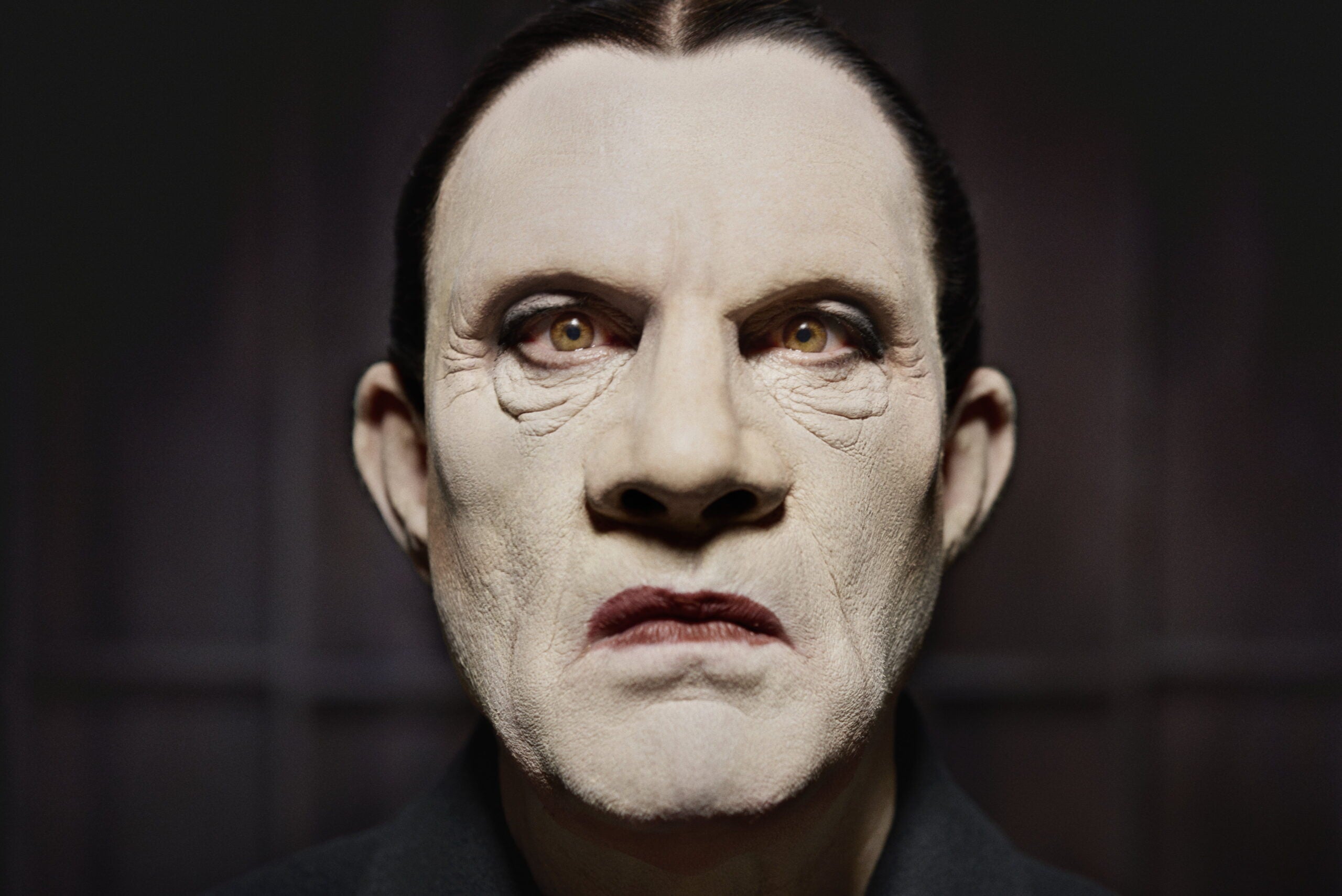
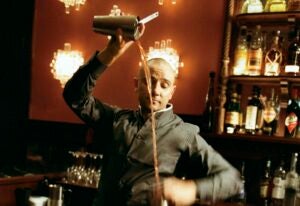
    That mixologist is Remy Savage, an enfant terrible of the cocktail scene, best-known for creating the Bauhaus-inspired A Bar with Shapes for a Name in East London. He’s also behind Bar Nouveau in Paris, a trendy cocktail cubby hole in the Marais, and Bar Abstract in Lyon, a Dennis Hopper-esque bistro with a micro-distillery. All of these bars are tiny – but they wield global influence, thanks to their unique mix of creativity, playfulness and sharp design.    

    prada mixologist cocktail remy
    Remy Savage ©Prada

    I’ve long been an admirer of Savage. He is a brilliant flavorsmith, with a commitment to doing things his own way that could almost be described as punk. His bar teams operate almost like collectives; their colorful uniforms are designed by Savage himself; and they often collaborate with local designers and artists. His drinks can be cerebral, but they never lose their sense of fun – you might have a trio of tiny Martinis that contrast different types of tea, a Margarita spiked with eucalyptus or a crystal-clear cocktail served over a hand-made ice block with an iridescent cube trapped inside 

    Savage doesn’t consider himself “a particularly fashionable person”. (Though I’d say he has a very strong sense of style – he makes a lot of his own clothes and on the day we speak he’s wearing a fragrance he based on the French aperitif fine à leau; «grapes, a litle bit of leather; a little patchouli, fig leaf – very cognac, with the wetness of the cellar.”). So the Prada approach came as a surprise. But when he discovered Miuccia Prada was a fellow philosophy student, he was intrigued.  

    “I realised a lot of her ideas were quite radical and quite intellectual – and there’s a real passion for functionalism, which I can relate to, too. I thought: this is someone super clever doing clothes and this is kind of awesome.”  

    prada mixologist cocktail
    ©Prada

    Savage’s job is to devise drinks lists and cocktail recipes for Prada events and stores across the world – a stable of brands which also includes Miu Miu and Versace.  

    His first commission was to create the drinks list for Mi Shang Prada Rong Zhai (aka ‘Mi Shang’), Prada’s fine dining restaurant in Shanghai. Housed in a restored 1918 mansion, the restaurant was a collaboration with the movie director Wong Kar Wai, and sets out to be a fusion of Chinese culture and Milanese style.  

    Savage’s new list includes a Negroni infused with magnolia, which is the signature of flower of Shanghai (“It gives the drink a gingery, slightly citrussy note”); and a Milano Torino made with Campari and rosso vermouth aged in clay, a nod to traditional Chinese preserving techniques. There’s a twist on an Italian Sgroppino, made with citrus sorbet, prosecco and Longshan yellow wine, and a Martini of Chinese vodka, peony and apricot eau de vie. There’s lots of tea, too: the non-alcoholic Meeting Room blends tangerine pu-er tea, pink peppercorn and lemon salt. And for fans of Chinese spirits, there’s also a baiju tasting flight.  

    prada mixologist cocktail mi shang
    Mi Shang Prada Rong Zhai, Prada’s fine dining restaurant in Shanghai ©Prada

    Presentation is exquisite. One drink comes garnished with a little nest of edible flowers. The wafer-thin glassware is beautiful but also deliberately mis-matched, “as it might be if you were serving people cocktails in your home,” says Savage. “That’s what makes it feel special”.  

    “I like it when drinks are at the service of an idea. And the vision at Prada is so strong. The attention to detail is so striking,” he says, producing a Prada-branded fork from the restaurant, from his pocket, to illustrate the point.  

    The second half of 2026 is a packed one for Prada – as well as the usual round of shows, its Foundation in Milan is launching the next chapter of its neuroscience project Human Brains. There’s also a ‘Global Antiquity’ exhibition in November. More than enough, I suspect, to keep even a livewire like Savage busy.  
  • The Psychology of Why We Collect

    The Psychology of Why We Collect

    Is it ego, completism, or a thirst for legacy? Is it a need to curate and to seek order amid the chaos? Or do we just like beautiful things? Aleks Cvetkovic analyzes the drivers behind an age-old desire. 

    why we collect art

    For Noah Wunsch, a 36-year-old New Yorker, collecting is in his blood. His late grandfather was E Martin Wunsch, an engineer and prolific collector who accumulated more than 700 pieces of early American furniture, paintings, silver, ceramics, and folk art. These now form the core of the Wunsch Americana Foundation, which lends historical objects to museums and funds educational initiatives across the United States.

    Wunsch himself collects contemporary design, furniture, and photography (he’s drawn to Robert Mapplethorpe, Nan Goldin, and Ryan McGinley, among others), and his motivations are layered. Collecting, he says, is about “cultivating a taste and aesthetic and kind of a worldview,” but also “an excuse to learn more and to follow my curiosity.” There is pleasure, too, in the chase: “If you feel like you’ve gotten one over on the market, it’s really exciting,” he admits.

    mid century furniture collector
    Chris Mitchell has an exquisite collection of mid-century furniture ©Chris Wallace

    Why do we collect things that are rare and precious, then? What motivates collectors to spend thousands, or millions, shaping troves of inanimate and sometimes bizarre objects across a lifetime? Is this an articulation of self, a bid for status, a form of custodianship, or simply a sophisticated way of keeping score?

    According to author Luke Burgis, whose forthcoming book The One and the Ninety-Nine explores what it means to shape a stable identity in today’s fractured and noisy world, the need to collect has multiple drivers: “One bad, one neutral, and one good.”

    Carla Sozanni
    Carla Sozanni has a collection that spans over 6,000 garments and more than 600 photographs ©Lorenzo Sodi

    “The bad motivation is mimetic warfare, driven by the need to acquire a certain sense of identity,” Burgis explains. “Once basic needs are met, desire doesn’t disappear; it just gets weirder. We start competing for rivalrous totems — objects that signal discerning taste or absolute status.”

    Attend a major auction of rare objects or fine art and the combative atmosphere can often feel tangible. Record prices continue to be reached. In the theater of an auction room, it’s easy to see how collecting can become competitive or performative.

    But Burgis is careful not to moralize too quickly. His ‘neutral’ driver for collecting is simply an acknowledgment of how capital behaves. There are four levers around wealth, he says: save, invest, consume, or give. “People often pathologize luxury consumption, but for someone with a massive balance sheet, a $50,000 watch isn’t an excess, it’s a rounding error. A billionaire buying a $1m vintage Ferrari isn’t any more mimetic than a minimum-wage employee buying an Apple Watch or taking out a high-interest loan for a Tesla just to look the part.”

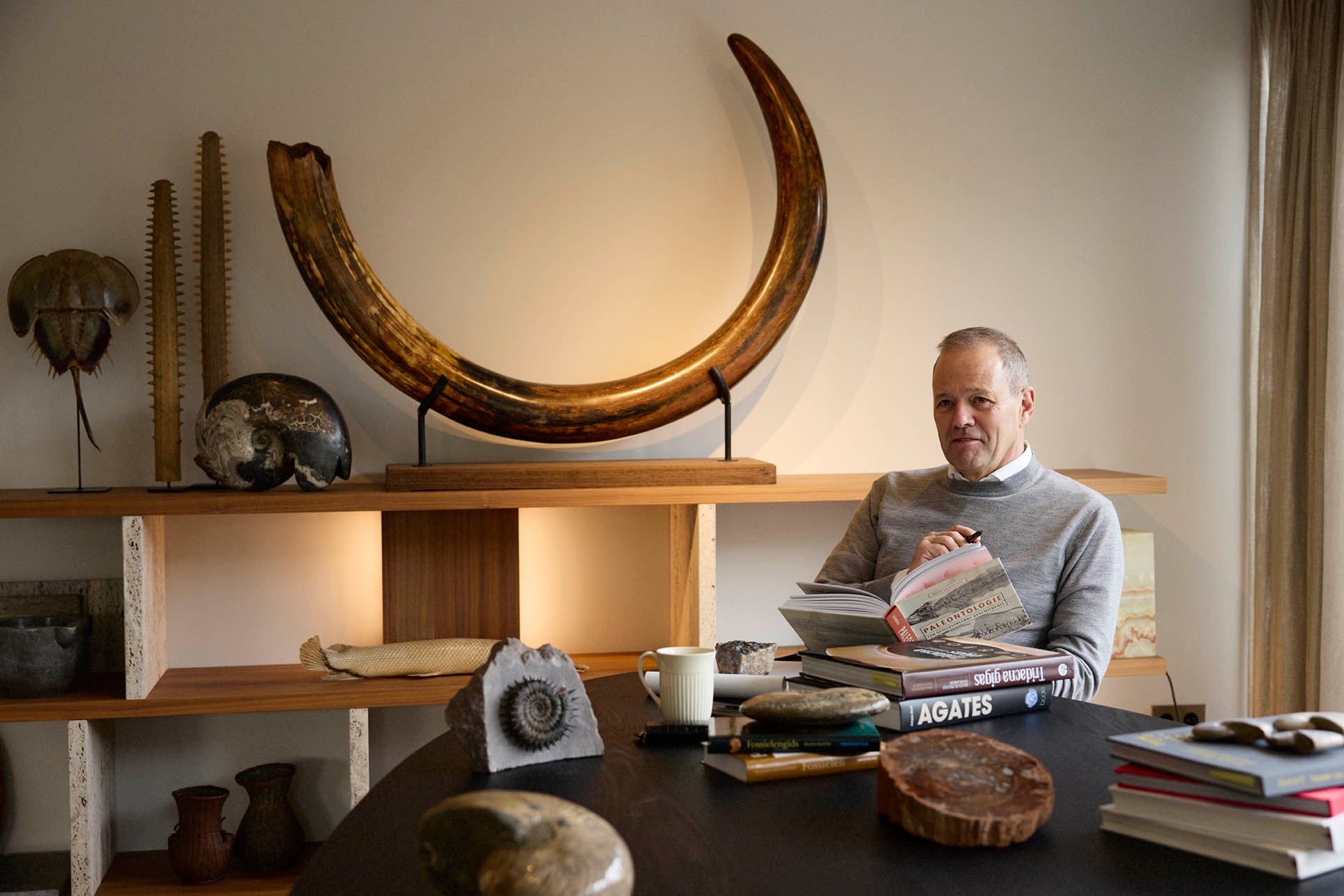
    See also: This Dutch Collector Turned His Home Into an Incredible Fossil Museum

    Ron Janssen fossil collector
    Ron Janssen, based in The Netherlands, collects fossils ©Glen Burrows

    What differentiates collecting from consumption, then? Burgis’s answer lies in his ‘good’ motivation. “The good version of this is cultural stewardship,” he says. “The best reason to collect is to play an anti-mimetic role in the creation of culture. By acquiring a masterpiece or a generational timepiece, the collector stops being a consumer and becomes a steward.”

    This idea resonates strongly with Mark J Bevington, an art collector based in Toledo, Ohio, who has quietly assembled more than 200 works, largely by emerging or under-recognized artists. He describes himself as an intuitive collector. “Most often, it clicks and I feel it,” he says. “Usually, I am responding to a work that gets me in the gut.” For him, collecting is “ultimately about fun,” but also about responsibility. “I see myself as part of the art-world ecosystem whose main elements are the artists, the collectors, the galleries, the institutions, and the auction houses.”

    The art of collecting

    Legacy, in Bevington’s mind, is measured less in market terms than in human ones. “A great legacy for me would be doing my part in supporting the art ecosystem generally and having an impact in enhancing the art ecosystem in my own community,” he says. After years of collecting, what it gives him now is “a sense of community” — friendships formed through shared passion rather than shared assets.

    That sense of collecting as a practiced skill, rather than passive indulgence, is echoed by cultural strategist and author of The Sociology of Business newsletter, Ana Andjelic. Collecting, she argues, is something actively learned. “Collectors have their own lexicon, tools, and resources — communities they belong to, knowledge and information that grows over time. It’s a practice that gets refined, exercised, communicated, criticized.” The pleasure lies, she says, not just in ownership, but in mastery. “Like training one’s ear in music, this is training one’s eye, taste, and knowledge.”

    coby bull collector pokemon
    Coby Bull owns first editions of some of the world’s best-loved comic book series, including Spiderman, X-Men, Iron Man, Superman, and Fantastic Four ©Matthew Walder

    For Geneva-based gallerist and art advisor Thea Montauti d’Harcourt Lyginos, collecting also evolves over a lifetime. “It’s probably a bit of both,” she says, when asked whether people collect to define themselves or to signal to others. “When collectors are younger, their choices can reflect inheritance, family taste, or the path set by the generation before them. As they grow and mature it usually becomes far more personal — an expression of their own eye, values, and identity.”

    Living with objects, she adds, alters the psychology of collecting. “Once a work is on your wall it becomes part of your daily life,” she says. “The strongest collections are built without rigid strategy but through emotion — if a work truly moves you, it will likely move others in the future as well.”

    This emotional attachment sits comfortably alongside the idea of custodianship. For Benoît Repellin, worldwide head of jewelry at Phillips, stewardship is central. “True collectors see themselves as temporary stewards of cultural patrimony, preserving objects for future generations,” he says. Increasingly, provenance, craftsmanship, and historical resonance matter more than brand names alone: “Pieces with documented heritage or that encapsulate a moment in time resonate deeply.”

    Repellin acknowledges, of course, that competition remains part of the picture — “rarely does competition not shape the outcome,” he adds. But, even here, rivalry often reflects collective reverence, more than simple status-seeking — a shared recognition among the collecting cognoscenti that certain objects matter.

    collecting watches patek philippe
    Jaclyn Li has amassed one of the most impressive vintage Patek Philippe watch collections ©Rose Callahan

    An exercise in judgment

    Ultimately, collecting as a discipline sits at the intersection of personal ego and cultural meaning. Burgis puts it more plainly. Collecting, he says, represents “a primal human need for order and dominion […] we are all just trying to organize the chaos and leave a mark before the lights go out.”

    Do collectors shape a collection with a view to completing something? In theory, maybe. Wunsch’s favorite photographer is Paul Graham and to own every image from his End of an Age series would be a dream come true. “If I can get every photo […] then I can probably stop,” Wunsch says, before conceding, wistfully, “but I don’t think I’ll ever be able to do that.”

    Perhaps, then, in our ever-more-disposable society collecting, at its core, is an exercise in judgment — a personal decision about what deserves recognition for its rarity or beauty, and what, ultimately, deserves to endure.

  • The Luxury Hotels Where Marilyn Monroe Checked In (and You Can, Too)

    The Luxury Hotels Where Marilyn Monroe Checked In (and You Can, Too)

    Ahead of what would have been her 100th birthday, we look at the hotels where the ‘Blonde Bombshell’ would stay to disappear from the spotlight. 

  • Gilded Age Meets Keith Haring at the Louis Vuitton 2027 Cruise Show

    Gilded Age Meets Keith Haring at the Louis Vuitton 2027 Cruise Show

    At New York’s Frick Collection, women’s artistic director Nicolas Ghesquière reflects on how the city’s contrasting cultural energy inspired his latest collection. 

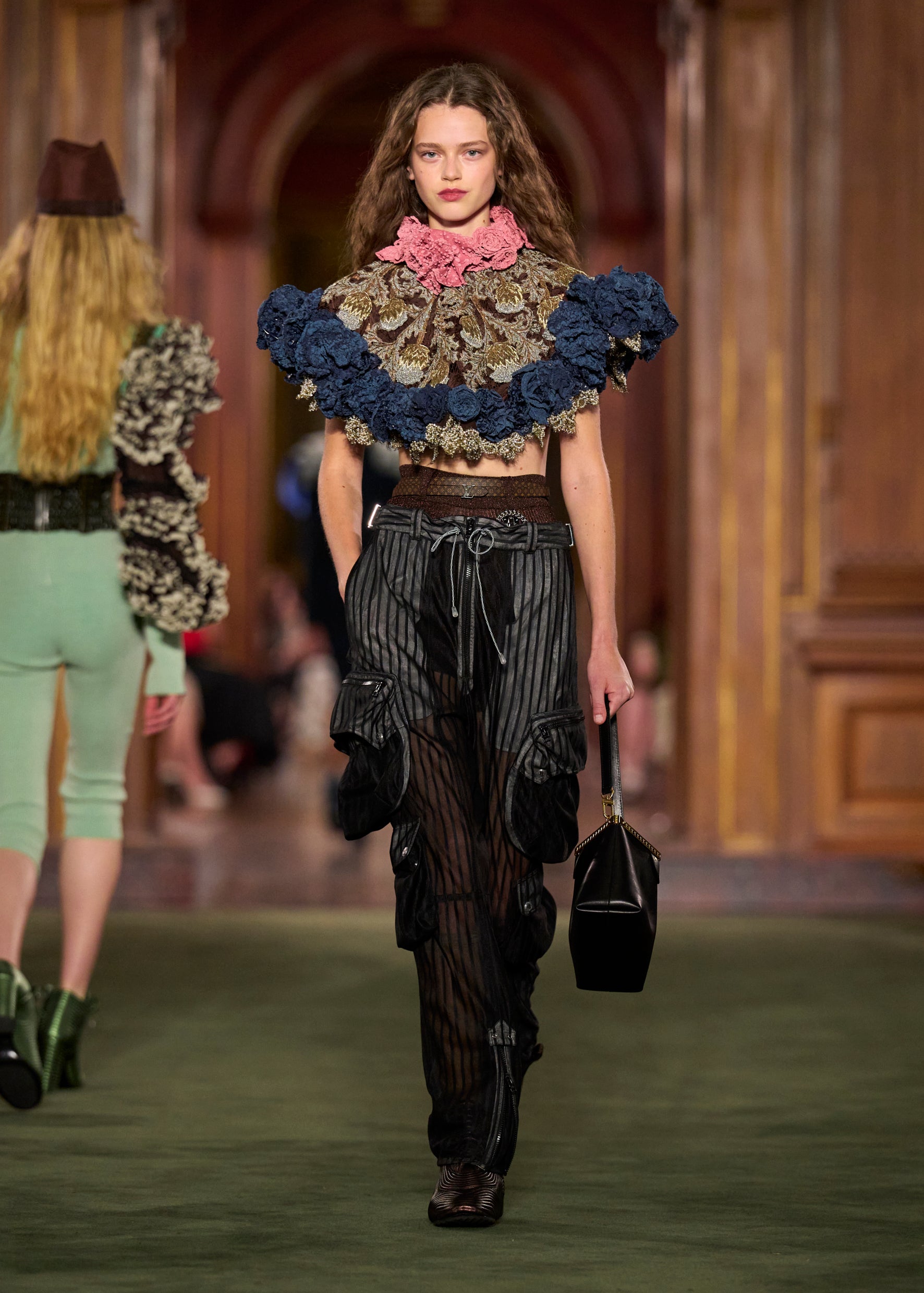
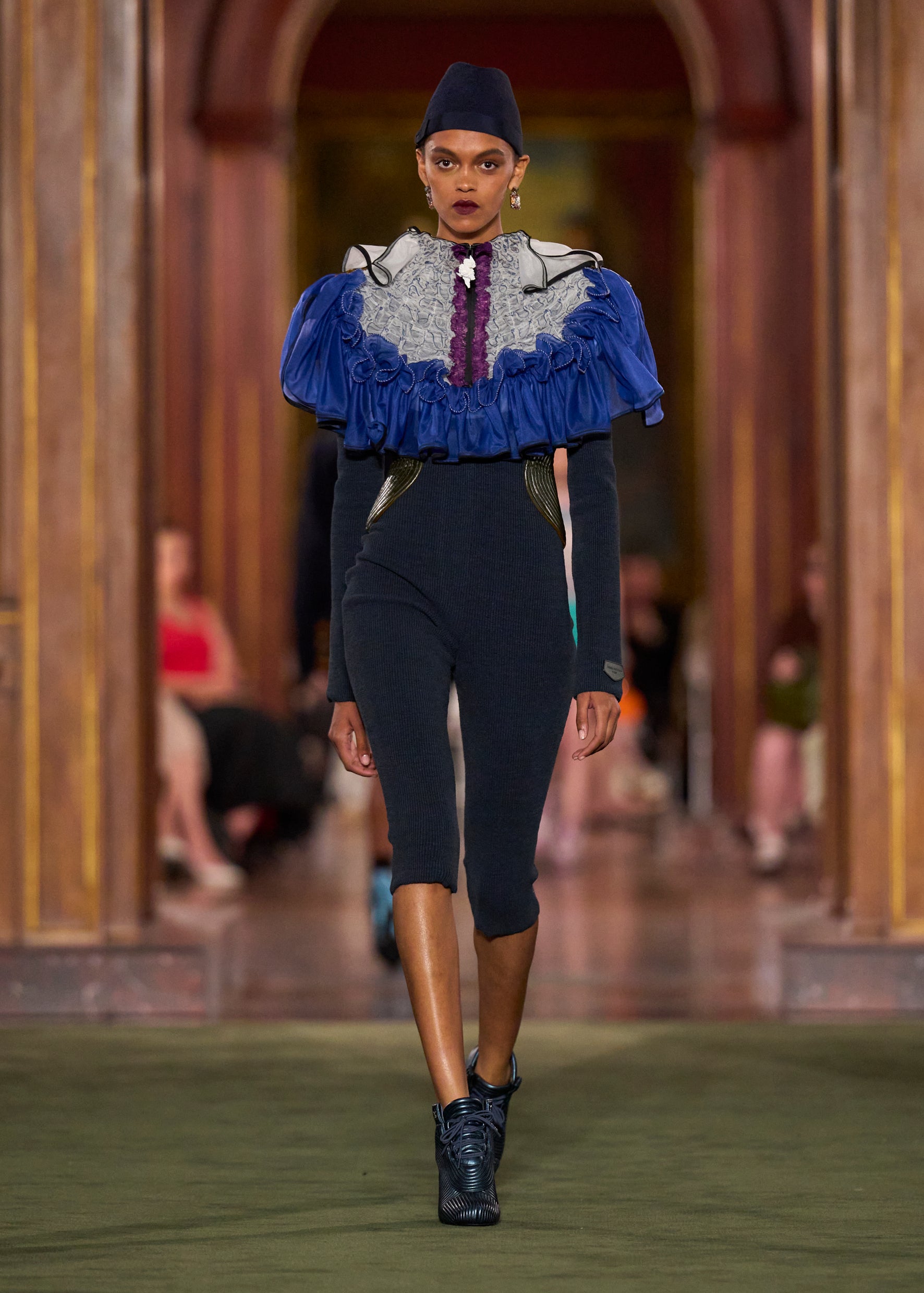
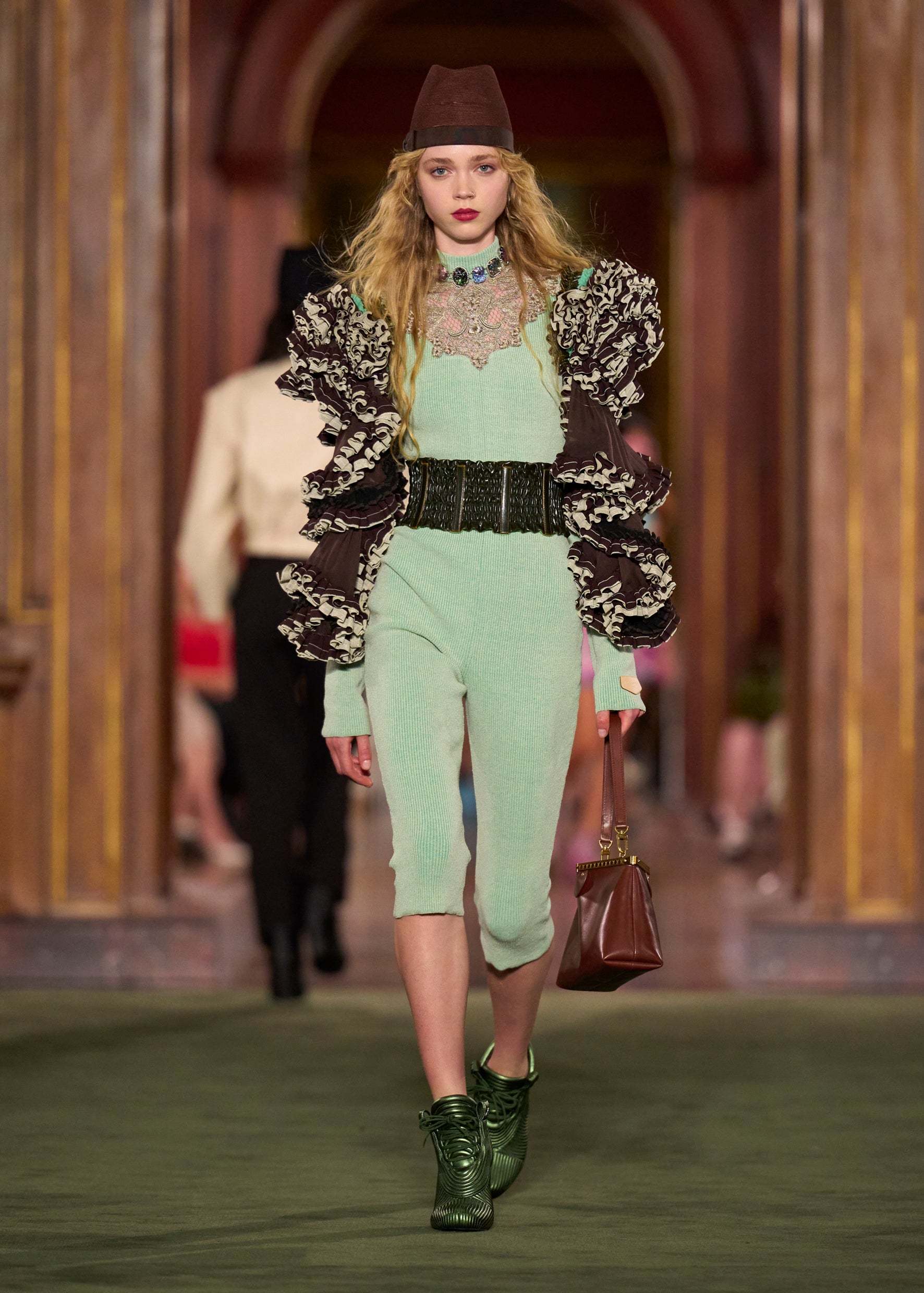
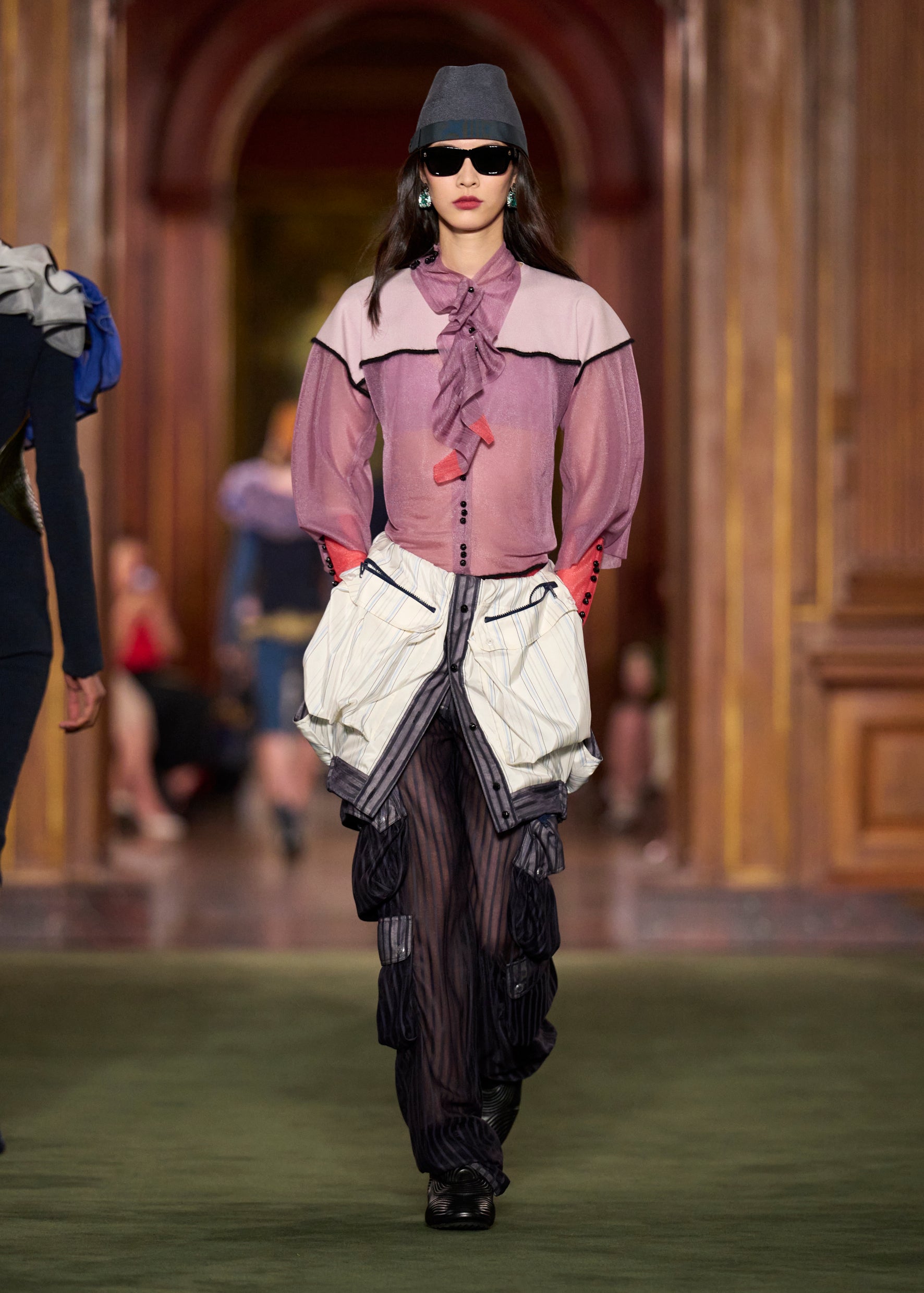
    Downtown met uptown as the Gilded Age opulence encountered East Village graffiti in a memorable cruise show by Louis Vuitton, showcasing a collection that underlined the relevance of travel to style today. 

    Staged among the most important private art collection in the Americas, the Frick Gallery on Fifth Avenue, the show’s leit motif was the art of Keith Haring, the Lower East Side street artist currently enjoying a retrospective in the Brant Foundation downtown. 

    Vuitton’s women’s creative director Nicolas Ghesquière decided to stage the show in the Frick after a trip to New York in November when he marvelled at architect Annabelle Selldorf’s fresh and critically acclaimed $220m renovation of the famed Beaux Arts mansion, built in 1914 for the greatest steel baron of the early 20th century. 

    “As a foreigner, I am always impressed by this duality in New York. There are two cities in one – a downtown and uptown confrontation where you continually ask where is the limit? Where is the frontier? Where do they merge?” said Ghesquière in a pre-show preview with Elite Traveler. 

    ©Filippo Fior, Gorunway.com

    After returning to Paris, the designer was served further inspiration by a documentary on Keith Haring, and the street artist’s graphic characters populated the show: the radiant children, flying devils, and barking dogs. 

    The brand’s archivist revealed LV had purchased a 1930 leather Vuitton suitcase that Haring had decorated in 1984 with his most loved icon – the radiant child. The original Vuitton/Haring case appeared in the show’s opening look: a red silk cardigan, slouchy jeans, and the first of many Space Age “liquorice leather” boots.   

    A baby crawls over the latest distressed leather mini Vuitton bag, images of which could be seen on bus-stop advertising panels throughout Manhattan even before the show.  

    The whole color palette featured what the designer termed Haring’s “non-neon, not completely fluorescent” bright colours – here seen in very delicate, transparent acid-hued knitwear, with black Haring-style graphic outlines. For cocktail hour and Coachella, Haring’s barking dogs or Big Apple motifs were implanted on intriguing origami satin silk tops. Elsewhere, the artist’s signature squiggles were reinterpreted as sexy spaghetti-like labyrinth cocktail dresses in stretch taffeta or guipure lace.  

    “It’s a homage to casual sophistication, the foundation of fashion in America,” underlined Ghesquière, who teamed double-denim Levi’s jeans and jacket with worker boots when he took his bow.  

    See also: Dior’s Star-Studded LA Cruise Show Marks a New Era for the House

    ©Filippo Fior, Gorunway.com

    As ever with Ghesquière, the collection was a meeting of active sportswear, chic futurism, and couture-quality French fashion, which was best seen in the finale with remarkable athletic jumpsuits, burnished denim trackpants, or a macramé leather skirt. A skirt was paired with a remarkable leather intarsia jacket featuring a barking dog biting a human figure, a reference to Haring’s activism in defending a gay community under attack, and raising awareness about safe sex. Haring died at 31 of AIDS in Greenwich Village, but his influence on the art scene remains significant, and his murals can be found throughout Europe and the U.S. 

     In terms of tailoring, the designer echoed the prim tuxedos of the robber barons of the Gilded Age, when the United States overtook Britain as the world’s largest economy. Ghesquière showed truncated tuxedoes with superhero lapels in Haring’s electric blues and crimson red. Plus, he played on the museum’s cameo brooches in flowing jacquard hand-embroidered tops, though worn with stretch leggings and rolled liquorice leather sneakers and boots – uptown topping downtown again.  

    “It’s the two worlds of New York, combined but never in a simple way. Keith Haring started downtown with street art, before his graffiti evolved into shows in galleries uptown and then everywhere around the world. He was a pioneer in liberation in many ways and expressions for many people. And I think we all need that right now,” he said.  

    New York’s punchy winner-takes-all culture reverberated with a trio of boxing glove bags in pebbled monogram canvas. The Frick’s famed collection of objets d’art inspired several Ionic-column leather handbags. 

    © Filippo Fior, Gorunway.com

    “The Frick is such a unique place and experience. I almost felt there was a ghost here inspiring us this season,” chuckled the 55-year-old designer, whose previous cruise show in New York seven years ago was in a diametrically opposed setting – Eero Saarinen’s sweeping concrete TWA terminal at JFK airport.   

    Ghesquière’s clothes will always be attention-seeking fashion. They are rarely an easy wear, and demand panache and acres of self-confidence to pull off, which helps explain Nicolas’ cult following among actresses and celebrities. Jennifer Campbell, Emma Stone, Anne Hathaway, Zendaya, Cate Blanchett, Iris Law, and Amy Adams all sat front row dramatically in Vuitton. 

    In an interview in Elite Traveler’s Spring issue, CEO Pietro Beccari insisted that “Vuitton is not a fashion brand,” and this collection was proof of that. Vuitton is a luxury lifestyle travel marque, and what makes Ghesquière the ideal designer for Vuitton is that he constantly voyages into fresh territory, blending artistic imagery, bravura technique, and dramatic silhouettes to take clients and admirers into new worlds. This is ideal for a cruise collection. Above all, these clothes made you want to book a vacation immediately, so one could wear them somewhere fabulously new. 

    See also: Chanel Cruise 2026/27: The Best Looks from the Show

    © Filippo Fior, Gorunway.com

    A youthful cast dashed around Frick, which, like the Gilded Age, featured clear social distinctions. Movie actresses and K-pop stars in the West Wing beneath the oils of Rembrandt, Velásquez, and Turner. Editors in the Garden Court between the classical bronze busts. VICs in the East Gallery with Hogarth, Constable, and Renoir, or marching down Selldorf’s new cantilevered stairway in veined Breccia Aurora marble, which the New York Times described as “decadent in a dolce vita sort of way.”   

    The setting bizarrely juxtaposed with the music – a selection of electroclash hits by Peaches. Post-show, guests feted Ghesquière inside Maxime’s, the exclusive Anglo-Chintz super club that is Robin Bierley’s new outpost on the Upper East Side. Luxury may be suffering from a downturn this past year, but one had little sense of that at Maxime’s, where security covered mobile phone cameras with tape, and guests dined on oysters smothered in caviar, Dom Perignon, and the best whisky sours in town. Ghesquière’s Gilded Age indeed. 

  • St Tropez’s Most Exclusive Hotel Just Opened For Summer

    St Tropez’s Most Exclusive Hotel Just Opened For Summer

    Cheval Blanc St Tropez has emerged as the South of France’s most coveted address. 

    cheval blanc st tropez
  • This New 131-Foot Explorer Yacht Concept Brings Elegance to Long-Range Expeditions

    This New 131-Foot Explorer Yacht Concept Brings Elegance to Long-Range Expeditions

    The new ER 40 is a stylish take on the traditional explorer. The new ER 40 is a stylish take on the traditional explorer.

  • This Photographer Learned His Craft by Collecting – Now Collectors Buy His Books

    This Photographer Learned His Craft by Collecting – Now Collectors Buy His Books

    You may not immediately recognize the name Sandro Miller, but chances are you’ve already encountered his work. The acclaimed American photographer has built a career spanning high-end commercial imagery and is best known for his personal projects, most notably his long-running collaboration with actor John Malkovich. When I meet him at Annabel’s in Mayfair, he … 

    sandro miller photographer

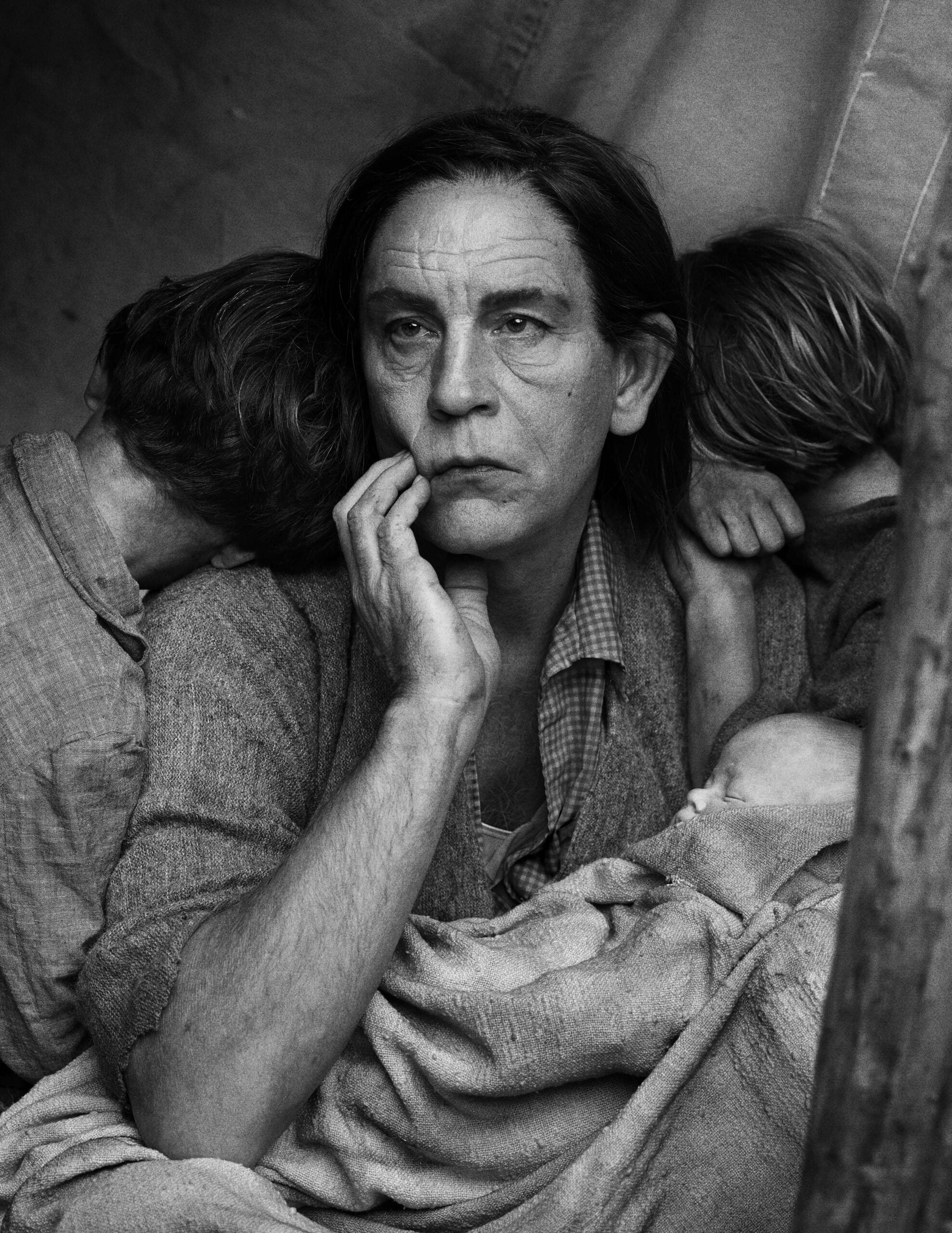
    You may not immediately recognize the name Sandro Miller, but chances are you’ve already encountered his work. The acclaimed American photographer has built a career spanning high-end commercial imagery and is best known for his personal projects, most notably his long-running collaboration with actor John Malkovich.

    When I meet him at Annabel’s in Mayfair, he is with Malkovich, the two of them reflecting on Then Came John – a 300-limited-run collectible photobook which took 30 years to complete. Unlike anything else on the market, it’s packaged with a built-in video screen and has a price tag of €5,000. 

    sandro miller migrant mother
    Malkovich, shot by Miller, in a recreation as the migrant mother ©Sandro Miller

    Although it may be the most coveted, it’s not the first monograph that Miller has created. Over the course of his career, he has produced 18 in total – a number he admits is driven, at least in part, by “a fear of not being remembered.” It’s a striking thing to say so plainly, especially to a stranger. But Miller has little interest in polishing the edges off his motivations. “The fact that you have a book solidifies you in this world,” he tells me. “Books can go on and live hundreds of years past our transition.” 

    He has been amassing photobooks – a personal library now numbering more than 2,000 – for most of his life. “When I decided to become a photographer at 16 years old, I knew that the only way that I was going to be able to learn was through books.” 

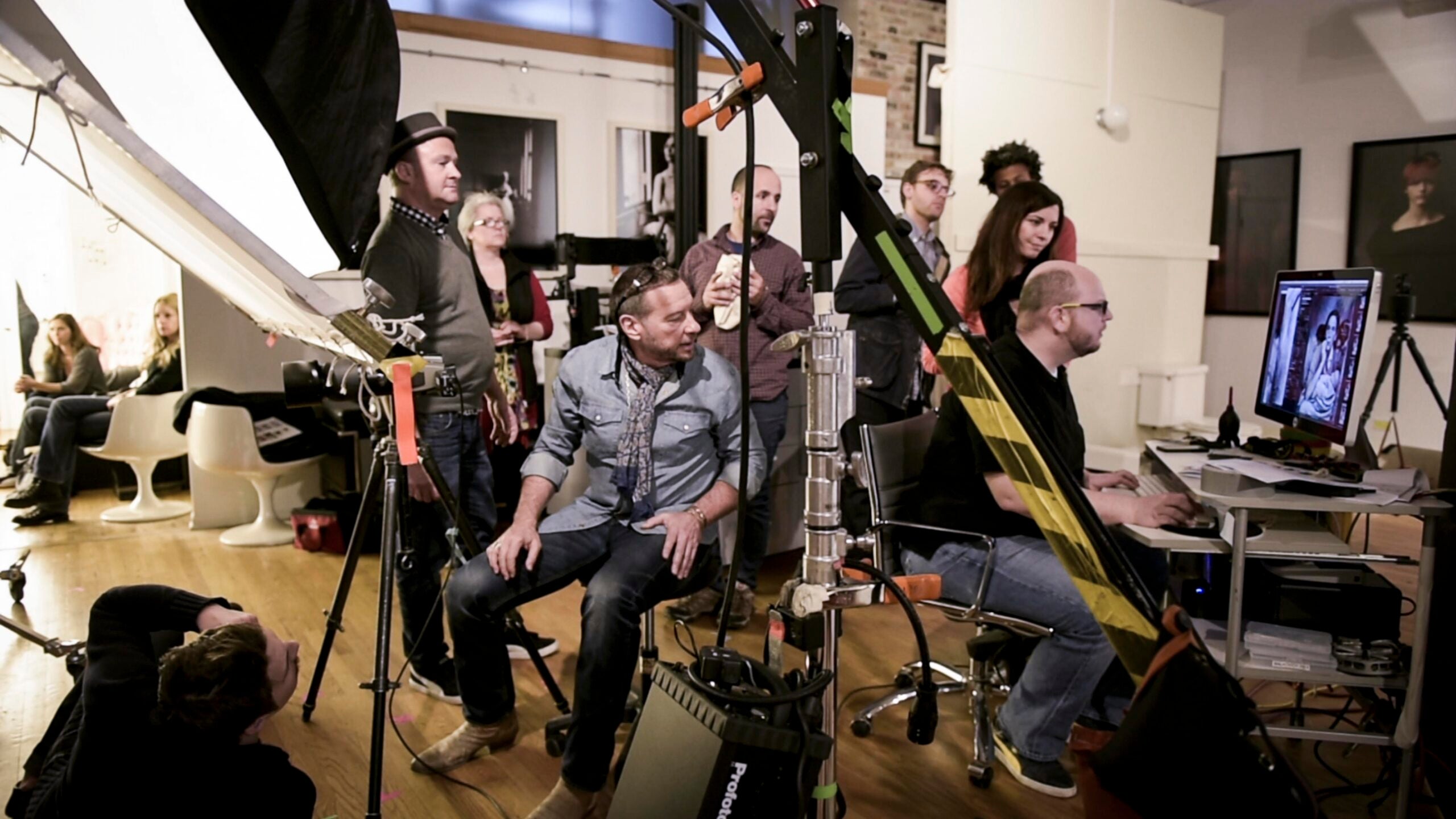
    Behind-the-scenes of Then Came John
    Behind-the-scenes of Then Came John ©Sandro Miller

    Growing up, he recalls a childhood shaped by absence and improvisation. His father was killed in an automobile accident when he was four. His mother, an Italian immigrant, raised three children on almost nothing, and education beyond high school was never really on the table. “I wasn’t going to have a mentor or a teacher. So I used books to help me understand the philosophy behind photography: composition, lighting, everything came from the books that I collected over the years.”

    And he studied all of them – the brilliant ones, the mediocre ones, the disappointing ones. In fact, he insists the “bad” books mattered most. They were useful for sharpening his judgment. “Mediocracy just wasn’t option for me.”

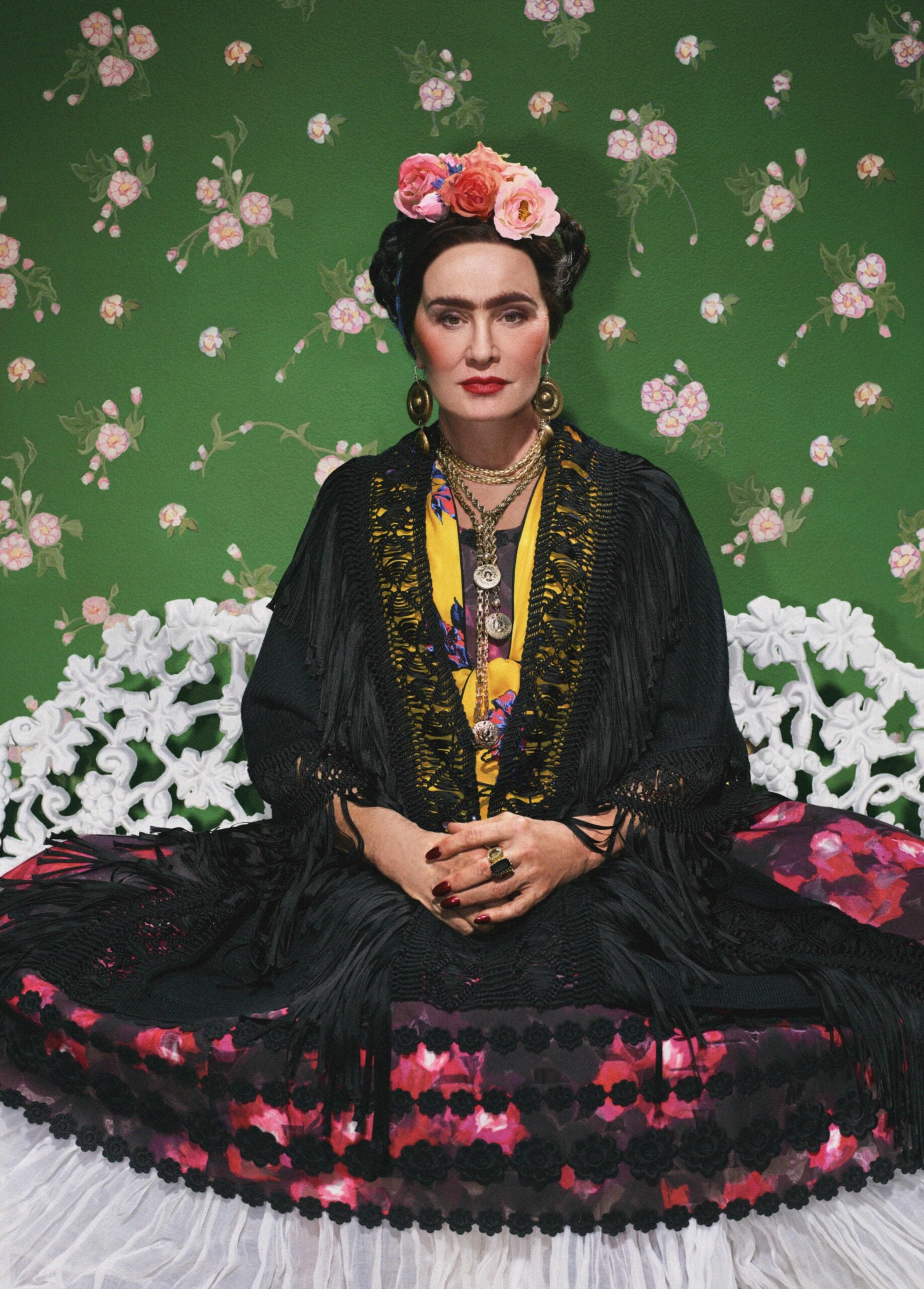
    sandro miller
    Jessica Lange poses as Frida Kahlo ©Sandro Miller

    Some of the most “precious” books in his collection are signed works by photographers he still speaks about with devotional reverence: Irving Penn and Richard Avedon among them, artists he placed “on a pedestal” long before he ever imagined becoming their contemporary.

    But Miller’s relationship with collecting began long before photography entered the picture. As a child, he collected baseball cards obsessively – “probably over 10,000,” he recalls – back when he imagined becoming a professional baseball player rather than a photographer. 

    See also: Why the Next Great Collectibles May Be Fashion, Fossils, and Fractional Shares

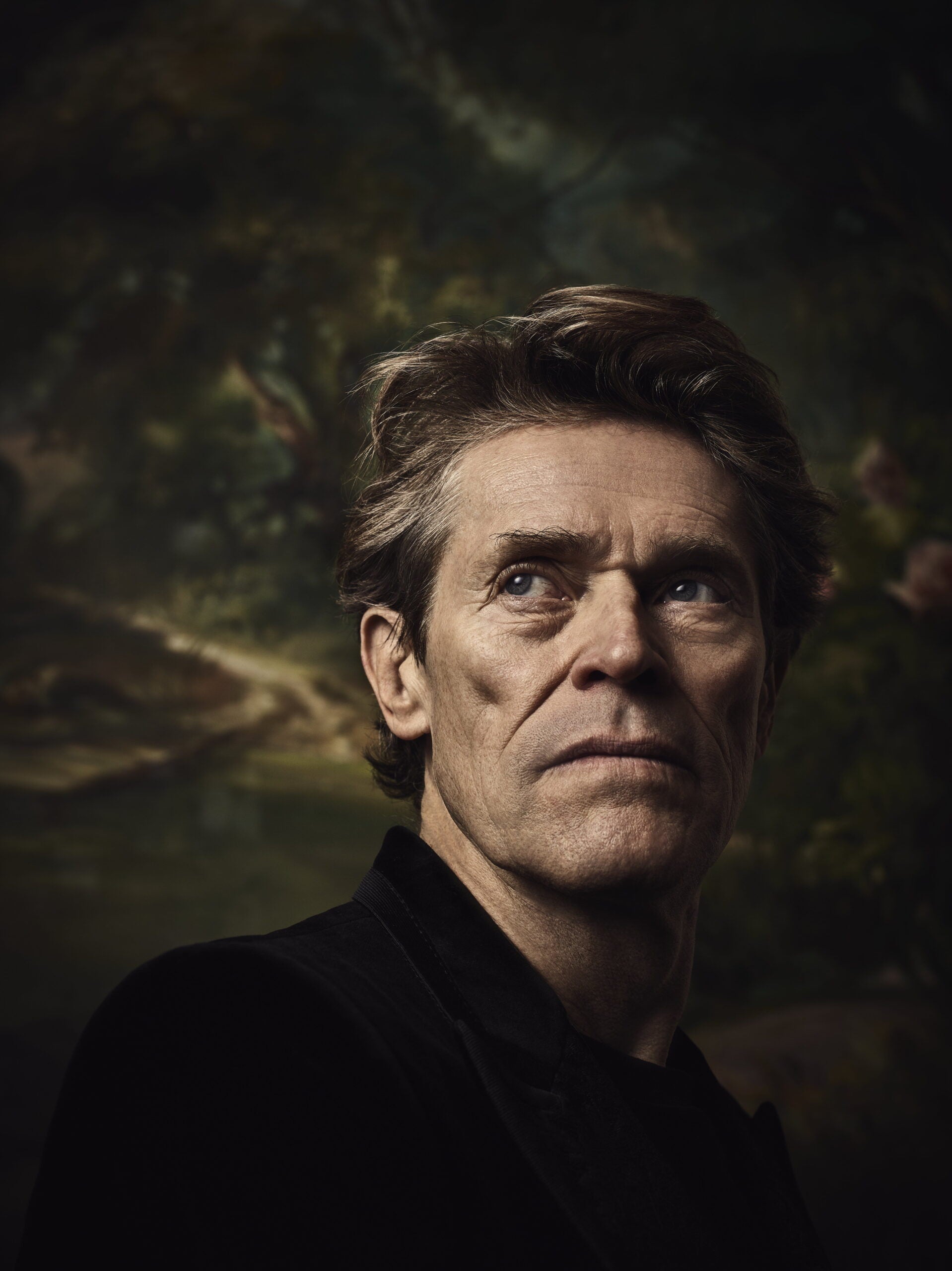
    Willem Dafoe shot by Miller
    Willem Dafoe shot by Miller ©Sandro Miller

    Then came coins: pennies, nickels, dimes, quarters. A neighbor, whom he describes as a kind of surrogate father figure, introduced him to collecting them through small coin folders organized meticulously by date and type. “I never could become a serious collector then, because I never really had the money to buy serious coins,” he says. “But for me, it gave me discipline.”

    That word – discipline – comes up repeatedly when he talks about collecting. Because collecting demands patience, in waiting for the right object, and restraint, in not buying impulsively. “When you collect, it also shows that you are passionate about something, and that you want to learn more about it,” he explains. “So when you collect, you’re always growing your knowledge.” 

    john malkovich shot by sandro miller
    Another shot of Malkovich by Miller ©Sandro Miller

    It is this idea – collecting as a form of self-education – that seems to have underpinned his entire career and will go on to shape his legacy. “Each book that I put out gave me a bit more reassurance that I will continue, hopefully to live on for many, many years,” he says. “As a photographer, I do the work to pass it on to a new generation, to influence and inspire them.”

    The people who buy those books, he believes, are not simply purchasing photography. They are buying into feeling, into obsession, into the intensity of the work itself. “They are people who love art and the idea of my recreations,” he says. “They find them extremely powerful or gratifying or even humorous.”

    “If my portraits are not moving you in some way,” he adds, “if you aren’t feeling confusion or angst, anxiety, empathy, compassion, love or hatred, then I haven’t done my job.”

  • A One-of-a-Kind Penthouse Carved From a Historic Building in Mallorca Lists for $4.1 Million

    A One-of-a-Kind Penthouse Carved From a Historic Building in Mallorca Lists for $4.1 Million

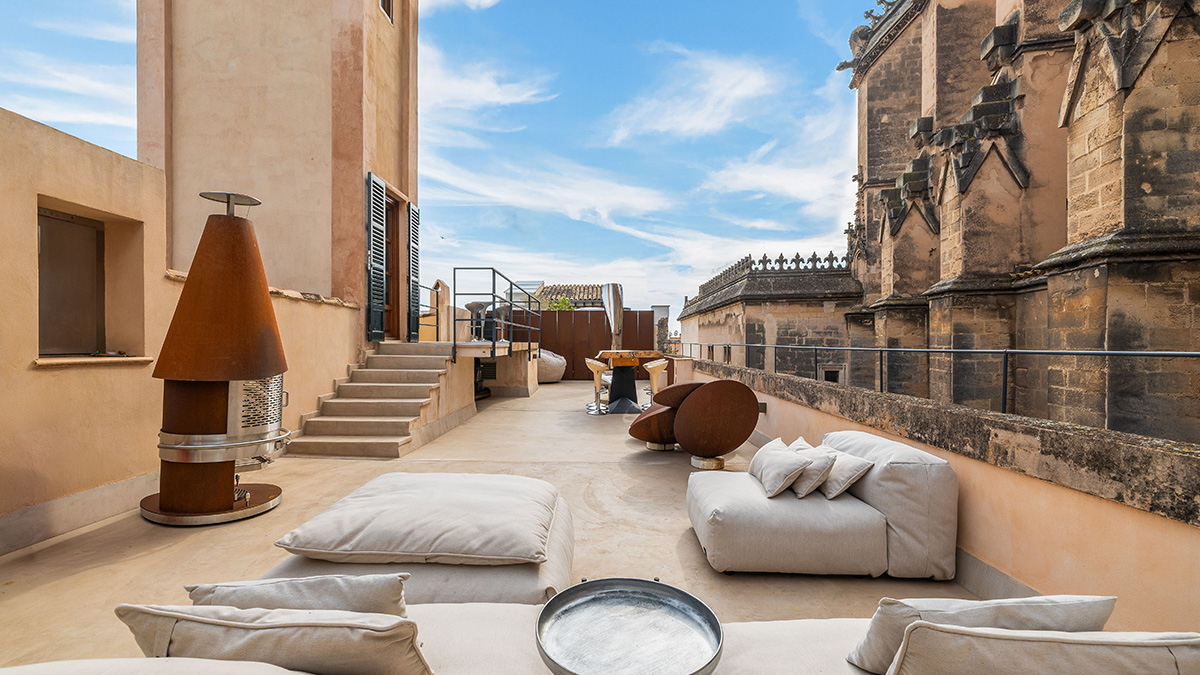
    The design-driven aerie in Palma’s Old Town sits atop a 16th-century palace with a rooftop terrace and a wine cellar. The design-driven aerie in Palma’s Old Town sits atop a 16th-century palace with a rooftop terrace and a wine cellar.

  • The U.K. Is Pondering a $6.7 Million Invite-Only Investor Visa

    The U.K. Is Pondering a $6.7 Million Invite-Only Investor Visa

    The moves come in the wake of the nation rescinding its long-standing nom dom policy. The moves come in the wake of the nation rescinding its long-standing nom dom policy.

  • Artist Daniel Arsham Created This Porsche 911 Restomod. Now It’s up for Grabs.

    Artist Daniel Arsham Created This Porsche 911 Restomod. Now It’s up for Grabs.

    The reimagined example of the model’s 993-generation is available through Canepa, with an offer of $595,000 starting the conversation. The reimagined example of the model’s 993-generation is available through Canepa, with an offer of $595,000 starting the conversation.