The designer behind automotive icons like the Aston Martin DB7 now makes bespoke chairs in tiny numbers – and tracks every one.


The designer behind automotive icons like the Aston Martin DB7 now makes bespoke chairs in tiny numbers – and tracks every one.

Heritage meets modernity on The Dalmore’s new private tours.

Standing proud on the shores of the Cromarty Firth – where it isn’t uncommon to spot seals or dolphins – The Dalmore comes with 200 years of rich, storied history. Overlooking the Black Isle Peninsula – where The Dalmore sources most of its barley – and in the shadow of Ben Wyvis, the distillery has been anointed with a royal emblem (a stag’s head with a 12-point antler); been used as a naval base during the First World War; and survived explosions, fires, and the changing of the guard numerous times.
The last time the distillery had an upgrade was as long ago as 1966. Now, exactly 60 years later, and thanks to Threesixty Architecture and a host of other artistic contributors, it has undergone one of the most significant overhauls in its lifetime.
Reimagining such a revered whisky distillery in a way that respects its past, but acknowledges the present – and looks to the future – is no mean feat. Making sure the spirit it produces remains recognizably The Dalmore too? The tallest of orders. And yet the team has done just that – and now whisky fans, or newcomers alike, can visit for themselves on the newly available private tours.
I saw first-hand what this highly personalized access could look like. Groups of two to eight can take over the entire distillery for an exclusive and intimate experience that gives them access to the inner workings of how The Dalmore makes its single malt whisky. A quick phone call with the team ahead of time will ascertain how the day can be tailored to special occasions (birthdays, anniversaries, and more are already booked in till the end of the year).
Arriving through the distillery’s black gates, guests will be ushered into the welcome room before being handed a cocktail created by one of the many respected bars around the world that the brand works with (ours was courtesy of Dean and Nancy in Sydney and is one of, if not the, best whisky cocktail I’ve had at a distillery). A short walk over to the main event itself showcases how the architects have balanced the old with the new – using reclaimed stone and some of the original Victorian buildings to juxtapose the dramatic contemporary new stillhouse – drama plays a role throughout the experience.
Guests begin their whisky journey in the former distillery kiln where, looking up on their ascent of the staircase, they will see that its original pagoda roof has been beautifully preserved. Into the wash house and the role of the mash tun and the Canadian pine washbacks is explained before moving into a darker space where the impact of copper on the spirit is described in audio form.
And then to the stillhouse. This is the crowning glory of the experience where not only are those all-important stills put on towering display but are complemented by an original glass window by Scottish artist John Kenneth Clark. Charting the whisky journey from barley through to the angel’s share, he has used color and texture to create something awe-inspiring, almost living in its ever-changingness depending on the light outside. Once you’ve managed to tear your eyes away, a chance to try the two different new make spirits offers a glimpse into the character of The Dalmore spirit (orange zest, chocolate, malted biscuits), as well as the outdoor horizontal condensers.
Ageing comes next and the three different barrels – sherry, port and wine – have been dismantled and displayed almost dinosaur skeleton-style to explain how the whisky interacts differently with each one, before moving into the warehouse where some of the king casks from the new production cycle will be laid in three-high dunnage-style layers. Last but not least, the tasting room reveals itself for guests to sit down and try three drams (it’s the only place in the world where all of The Dalmore’s expressions are available).
The attention to detail is, for want of a better word, staggering. The copper stills which make The Dalmore’s two spirits have been exactly replicated, down to every dent, to ensure that their DNA is preserved; a lily pad-like viewing platform exposes the full length of one of the washbacks for visitors to truly appreciate their sheer size and scale; while the light installation in the entrance reveals itself to be the brand’s iconic 12-pointed-antler stag emblem as visitors leave the tasting room.
My real lasting impression, though, is that the team has created a version of Scottish hospitality that feels achingly fresh and overdue. Eschewing the tropes that often keep Scotch whisky in the past, it instead catapults the category firmly into the here and now. From the angular glasses used for guests to try the water used to make The Dalmore at the very beginning of the experience, to the transformation of the same space for cocktails and canapes on mid-century-style furnishings at the end (and everything in between), this brand seems set on challenging the shortbread tin mentality that it could have been easy to rest its laurels on.
From the get-go, the new distillery has been designed with visitors in mind. The guest journey has been meticulously balanced with the fact that this is still very much, a working, living distillery. What’s most exciting, though, will be guests’ chance to make this experience their own: the possibilities in terms of what the team can do to make days tailored to each and every group are extensive. And having waited five years to get this project to where it is now, they’re ready to start making new stories at The Dalmore.

A stabilizing market is giving way to more eclectic collecting habits, as rarity, sentiment, and curiosity outweigh traditional trophy value.

If you have a beaten and busted Birkin, a highly sought-after print (bonus points if it’s by a South Asian artist), or even a few dinosaur bones gathering dust, now may be the moment to call your auctioneer. At least, that’s one takeaway from Knight Frank’s Wealth Report 2026.
The 20th edition of the report, released earlier this week, revealed that the Knight Frank Luxury Investment Index (KFLII) stabilized in 2025, slipping just 0.4 percent across the 10 categories tracked: handbags, jewelry, coins, watches, cars, colour diamonds, furniture, whisky, wine, and art. Sure, on paper, that figure still marks a decline, but after drops of 2.7 percent in 2024 and 3.3 percent in 2023, it reads more like a market finding its footing.
But the real story lies beyond the headline figure. While traditional pillars such as Impressionist art and watches posted gains, the report suggests collectors are looking beyond conventional trophy assets. From vintage haute couture and natural history relics to fractional ownership platforms opening access to one-of-a-kind treasures, the next wave of collectibles is looking decidedly more eclectic.

Call it sentiment or connoisseurship, but according to the report, today’s collectors are drawn to pieces with personality and a point of view. That helps explain why categories once considered niche are gaining serious attention and are no longer seen as purely financial investments.
“We see a lot of interest driven by the tangibility and the emotional factor,” the report quotes Leonardo De Keersmaeker, asset and partnerships manager at Timeless Investments, a Berlin-based start-up that sells fractions in collectibles. “It’s about diversification of assets, with a fun story to tell.”

Case in point, the report says, was last year’s sale of a 66-million-year-old Edmontosaurus skull, which delivered a 22.4 percent return in just eight and a half months’ holding time on Timeless. The sale suggests looking beyond traditional luxury items that have traditionally dominated the marketplace, like diamonds or handbags, towards rare curiosities, culturally significant items, and ones with a personal connection to the collector.
See also: Gen-Z Buyers Are Shaping the Auction Market – and They’re Choosing Bags Over Art
Where collectors once chased pristine blue box Birkins and Kellys, demand is rotating toward pre-owned, visibly worn pieces, or the so-called ‘beater bags’. In July 2025, the most expensive handbag ever sold was the well-traveled Birkin belonging to its namesake Jane Birkin, fetching over $10m. At the opposite end of the spectrum, the most active segment, according to luxury asset manager LUXUS, now sits in the $6,000–$9,000 range, driven by Gen Z collectors seeking bags that can be used rather than preserved. Immaculately kept collector examples above $50,000, meanwhile, are taking longer to sell.
“Whether it’s a pair of basketball player Kobe Bryant’s signed trainers or a black 1976 first-generation BMW 6 Series Coupé,” Timeless’s managing director, Malte Häusler, explains that “people are really keen to invest in items they feel passionate about.”

The report also highlights that fractional ownership platforms, such as Timeless, are growing as a popular gateway into asset investing among those under 40. The online trading platform handles transactions through its app, storing the assets, and proposes a sale when it believes the market conditions look favorable. Investors then vote on whether to proceed before it is sold and returns are distributed.
If rare fossils and archival fashion reflect changing tastes, fractional platforms suggest ownership itself is evolving, also. For a younger, increasingly global collector class, the appeal lies as much in diversifying not just what we buy, but also how we buy it.
See also: The History of the Snuff Box and Its Rise as a Luxury Collectible
Provenance, rarity, and headline auction results are driving demand for archival pieces by designers such as Karl Lagerfeld and John Galliano.
Rare-specification and race-linked cars are becoming harder to find. History, originality, and motorsport pedigree remain key value drivers.

More accessible than unique works, editions are creating a more liquid secondary market, especially where visual identity and cultural relevance are strong.
Brand-backed resale by the likes of Rolex and Vacheron Constantin is reshaping the sector, with certification improving trust and price stability strengthening the secondary market overall.

A fast-growing market fueled by rising wealth, stronger infrastructure, and increasing global recognition, though pricing still sits below Western equivalents, suggesting further room for growth.
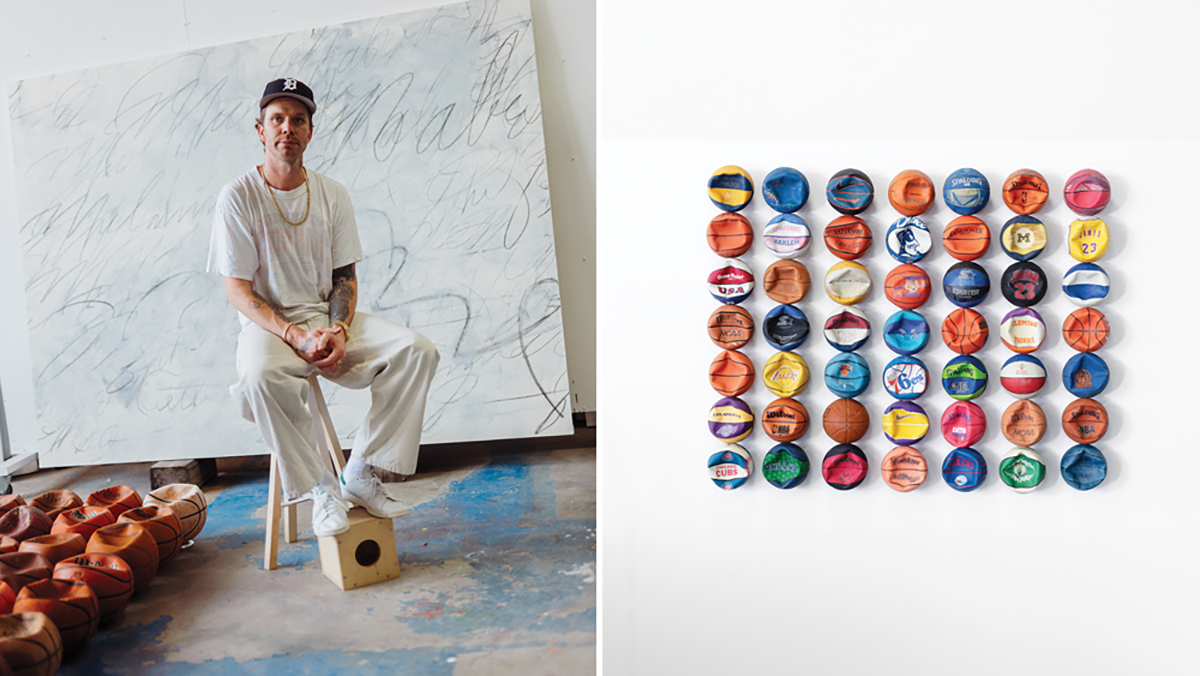
Known for sculptures using discarded basketballs and worn-out nets, the California native has a playful design language. Known for sculptures using discarded basketballs and worn-out nets, the California native has a playful design language.

On country roads and a racetrack in northern Spain, we found the British marque’s 1,064 hp model to be a powerful turning point. On country roads and a racetrack in northern Spain, we found the British marque’s 1,064 hp model to be a powerful turning point.
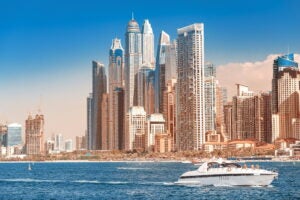
The Knight Frank Wealth Report suggests you plan your next mooring at these locations.

If you bought a superyacht in 2025, congratulations – but you also had plenty of company. According to the Knight Frank Wealth Report 2026, global superyacht sales surged 70 percent to $8.5bn, marking the strongest year since the post-pandemic rush of 2021. Clearly, the appetite for life at sea is back in full force.
If you’re based in the US, you were very much driving that momentum. American buyers accounted for up to half of all transactions globally, helped along by buoyant markets and a favorable policy backdrop. At the very top end, the shift was even more pronounced, where sales of yachts over 70m (230 ft) jumped 60 percent year-on-year. In other words, when it comes to superyachts, scale still matters.

So after spending, on average, $16.6m on your new boat, the next question is obvious: where do you dock it? For decades, the answer has been fairly predictable: the Mediterranean in summer, the Caribbean in winter, with Monaco as the unofficial global headquarters of the superyacht set. But that map is starting to shift.
As the report highlights, increasingly global lifestyles are reshaping how, and crucially where, you spend your time. With more owners splitting life between multiple homes, financial centres, and emerging lifestyle hubs, the idea of a single ‘home port’ is giving way to something far more fluid. And the increasingly popular places to drop anchor are no longer the most obvious ones.
See also: Meet Zero: The Renewable Superyacht With a World-First Power System
If the dock du jour has traditionally revolved around the Mediterranean, the Gulf is making a strong case to be its newest power center. As wealth and finance continue flowing into Abu Dhabi and Dubai, yacht infrastructure is rising alongside it, turning the region into more than a stopover.
Saudi Arabia’s Red Sea developments, including Amala, are part of an even bigger wager: that an entirely new luxury coastline can be built. Of course, geopolitics notwithstanding, the region’s positioning between Europe and Asia offers not just strategic geography, but increasingly the marinas, service ecosystem, and lifestyle pull to match.
See also: Superyacht Launches to Have on Your Radar for 2026

Further east, some of the most intriguing cruising grounds are also the least obvious. Japan, long overlooked in yachting circles, is investing in marine infrastructure, easing regulations, and state-encouraged promotions, making it far easier for foreign superyachts to cruise the Land of the Rising Sun.
Indonesia, meanwhile, remains one to watch, according to the Wealth Report. With 17,000 islands and some of the world’s best diving, the raw ingredients are there; should charter laws loosen and infrastructure catch up, it could become one of the industry’s most significant future plays.

One of the more interesting shifts in the report is not where yachts are going, but who is buying them. India’s rising wealthy are increasingly entering the superyacht market – but often not to keep vessels at home.
With limited marina infrastructure domestically, many Indian owners base and cruise their yachts in the Mediterranean or, increasingly, the Middle East instead, effectively plugging into more established ecosystems abroad. Knight Frank notes that this is both a sign of India’s wealth surge and a reminder that superyacht geography is often shaped as much by infrastructure as ambition.

Yet for all the talk of new cruising frontiers, the Mediterranean is hardly surrendering its crown. For many owners, it remains the obvious place to begin – particularly for American and European owners, with Indian buyers increasingly joining the summer circuit.
The appeal is familiar for a reason: unrivalled infrastructure, deeply established marina networks, and a social calendar as compelling as the cruising itself. But while the Mediterranean remains the old guard, even old guards evolve – and increasingly, attention is drifting toward finding the next mooring before it becomes a scene.

The deal brings to an end Volkswagen’s decades of influence over the French hypercar maker. The deal brings to an end Volkswagen’s decades of influence over the French hypercar maker.
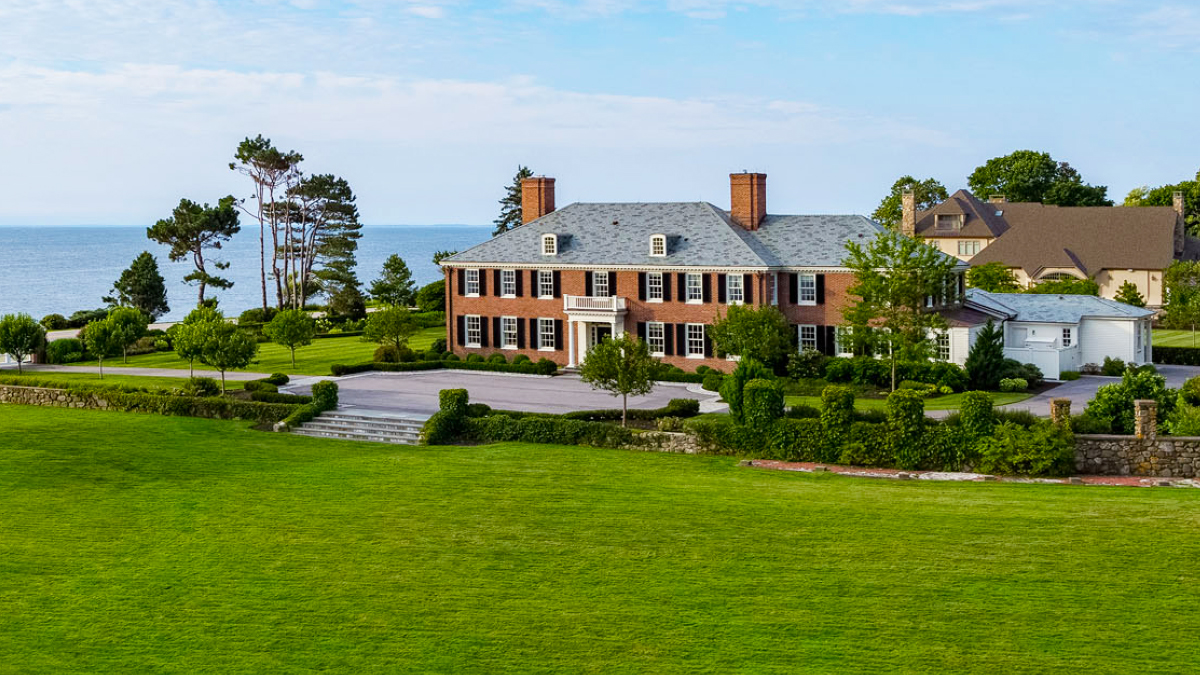
The oceanfront Colonial Revival mansion in North Hampton was originally built in 1930 as the summer home of Governor Huntley Spaulding. The oceanfront Colonial Revival mansion in North Hampton was originally built in 1930 as the summer home of Governor Huntley Spaulding.
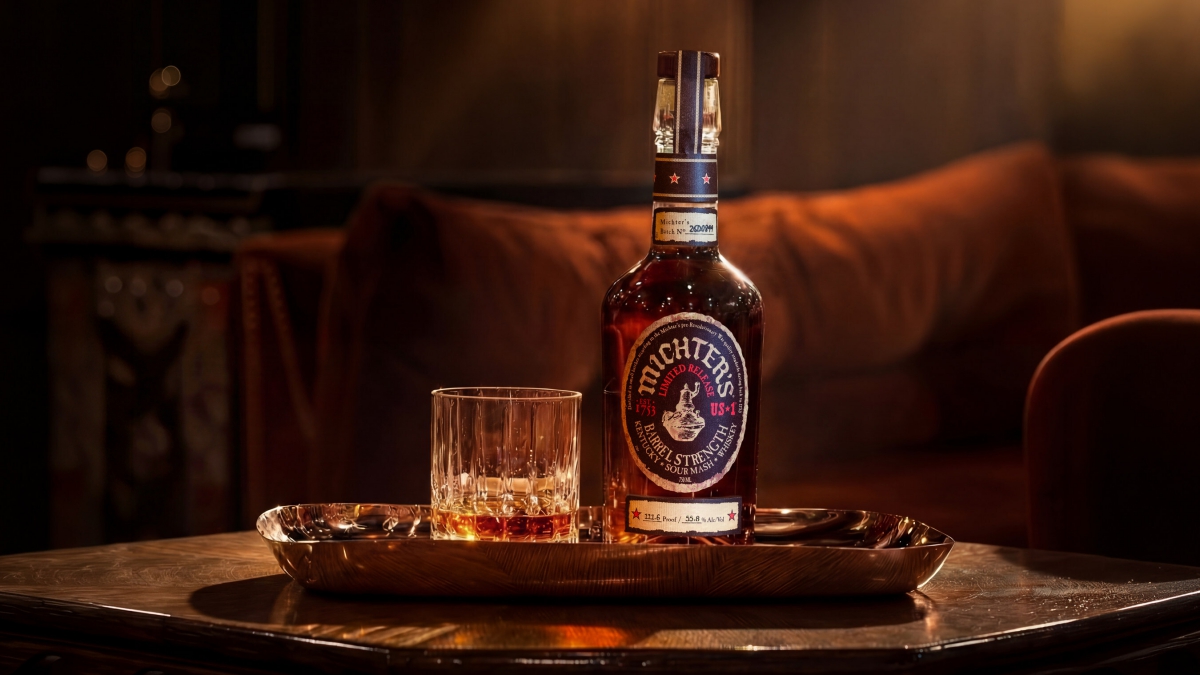
This isn’t a bourbon, it’s not a rye; it’s a sour mash whiskey. This isn’t a bourbon, it’s not a rye; it’s a sour mash whiskey.

The circa 1970 residence, owned by Product Society cofounder Mezhgan Hussainy, is on the market for the first time in over a decade. The circa 1970 residence, owned by Product Society cofounder Mezhgan Hussainy, is on the market for the first time in over a decade.