Рубрика: General

  • Why Runners Are Falling in Love with Wine, Beer, and Whisky Regions

    Why Runners Are Falling in Love with Wine, Beer, and Whisky Regions

    Marathons with wine stops, brewery run clubs, and whisky trail races prove running and drinking aren’t opposites after all. 

    marathon runners

    Wherever I travel in the world for work, my running shoes always come with me – because there’s no better way to get to know the local terroir than doing it on your own two feet. I’ve traversed the peat bogs of Islay and navigated the vineyards of Franschhoek, Chianti, and the Rhone; scaled the hills of the Douro, followed the River Spey through Speyside and descended the chalky slopes of Champagne.

    My times aren’t anything to write home about – I’m dogged rather than fleet. But there are plenty of other runners in the worlds of spirits and wine who are properly elite.

    One of the most decorated ultra-runners of all time, François D’Haene, was, until just a few years ago, a winemaker on the side. He and his wife had a winery in Beaujolais, Domaine du Germain, which made pretty decent Gamay. (As if that weren’t enough he’s also a qualified physiotherapist and a father of three). A four-time winner of the 100-mile Ultra-Trail du Mont-Blanc, and a former record holder for the Hardrock 100, D’Haene gave up the wine business in 2021, and now lives in another famous French wine region, the Savoie, where he trains and runs Ultra Spirit, a unique three-day, 62 miles ultra race which includes tastings of the local food and drink (including his family’s wine).

    Tristan Stephenson, the master blender for Guy Ritchie’s new English whisky, Rosemaund, has form in running, too – he came third in the notorious Dragon’s Back Race, a six-day, 236-mile race through the Welsh mountains that’s considered one of the toughest ultras in the world.

    “People often think that training hard and being in the alcohol industry are incompatible,” says Stephenson. “And it’s true that drinking is not going to actively improve your performance. But for me it’s about living like to the fullest – it’s about great food and great drink, great travel, great company, great friendships, spending time with your family, and exploring the limits.”

    Beer also has its own running culture, and many breweries have running clubs. The club founded by Danish brewer Mikkeller now boasts 200 chapters in 40 countries round the world. All are free, meet weekly and, naturally, often finish with a pint. Mikkeller co-founder Mikkel Borg Bjergsø is a keen runner and was an elite athlete for a time. “It means that when I travel, I always have someone to run with,” he says. “It’s a really great way to meet people and a good way to see cities if you run with the locals. I love it.”

    Perhaps the most famous of the wine region marathons is the Marathon du Medoc, which has been held in Bordeaux every September since 1985. Attracting over 8,000 entrants, it’s a riotous affair featuring live bands, fancy dress, food stands, and wine stops almost every mile.  

    One exuberant participant in the Medoc Marathon last year was Tom Gilbey, a British wine merchant-turned-influencer who shot to fame after a video of him blind-tasting wines every mile during the 2024 London Marathon went viral on Instagram.

    “The Medoc Marathon is just one amazing party,” says Gilbey. “And what’s more they’re putting out really good wine. Lynch-Bages were serving actual Echo de Lynch-Bages; Pichon (Baron) were putting out Riedel glasses of Les Griffons which is a really lovely wine. And it takes you through some wonderful parts of the Médoc, from the quaint little bits of St Julien right up to the hot, quite barren vineyards of Saint-Estèphe.

    “I said: I’m going to drink everything that’s offered on the course,’ he recalls, “but I didn’t realise there was going to be a rogue pastis stand and a pop-up beer tent as well. And it was 87°F. I did it in five hours and 48 seconds, so it wasn’t the quickest time – I don’t know how I did it.”

    It’s actually considered “rather bad form”, he says, to run the race too fast, as this suggests that you’re not taking full advantage of all the refreshments on offer. “There’s steak, oysters, fruit cake, croissant, as well as all the wine. And no water at all until at least kilometre number five – the whole thing is very French.”

    Napa to Sonoma Half Marathon
    ©Napa to Sonoma Half Marathon / Instagram

    The Napa to Sonoma Half Marathon in July offers some of the most scenic running in the States. In England, meanwhile, the Bacchus Half (which also includes a 6 mile run) in September is a fun romp through the vineyards of Surrey, south England, at one of the loveliest times of year.  

    If you’re more into exploring whisky country, then consider the Dramathon, a trail run through Speyside that takes in some of the region’s most famous distilleries including Aberlour, Glenfarclas, Tamdhu, Balvenie, and Glendfiddich. There are four races to choose from including a 6 miles, a half and a full-length marathon that can either be completed solo or as a relay team.

    Whisky expert and author of Savour: A Guide to Tasting and Exploring Whiskies of the World, Kristiane Westray has completed the Dramathon three times.

    “It’s one of my favourite races – it’s a challenging, interesting course, so it attracts some serious runners,” she says. “But as there are different distances it also feels like it’s for everyone. It’s got a real sense of joy about it.”

    “The course starts at Glenfarclas and goes up over the steep, rocky hills behind the distillery, and then drops down into the Spey Valley. And from here you’re running along by water most of the way, and because it’s autumn you’ve got all the trees in their gorgeous autumn colours. If you don’t know where you’re going you can just follow your nose, as you can smell the distilleries before you get to them!”

    Those who cross the finish line at Glenfiddich are presented with a medal made from a whisky cask and a goodie bag of whiskies from all the distilleries they’ve passed along the way. “You don’t drink en-route,’ says Westray, ‘but I have seen one or two people doing it with hip flasks…”
  • A 19th-Century Waterfront Villa With a Modern Edge in Germany Lists for $25.6 million

    A 19th-Century Waterfront Villa With a Modern Edge in Germany Lists for $25.6 million

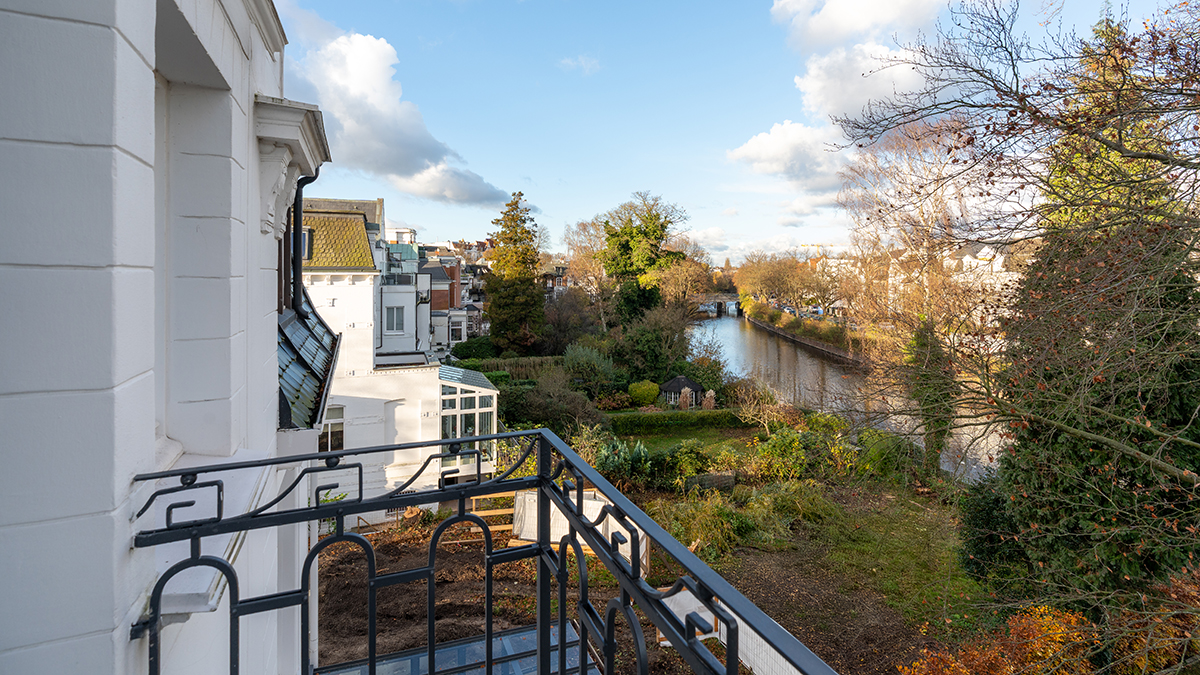
    The elegant 130-year-old Hamburg mansion has been carefully restored and extensively updated to make it suitable as a 21st-century home. The elegant 130-year-old Hamburg mansion has been carefully restored and extensively updated to make it suitable as a 21st-century home.

  • Knob Creek and Eli Manning Just Dropped Their Second Single-Barrel Bourbon

    Knob Creek and Eli Manning Just Dropped Their Second Single-Barrel Bourbon

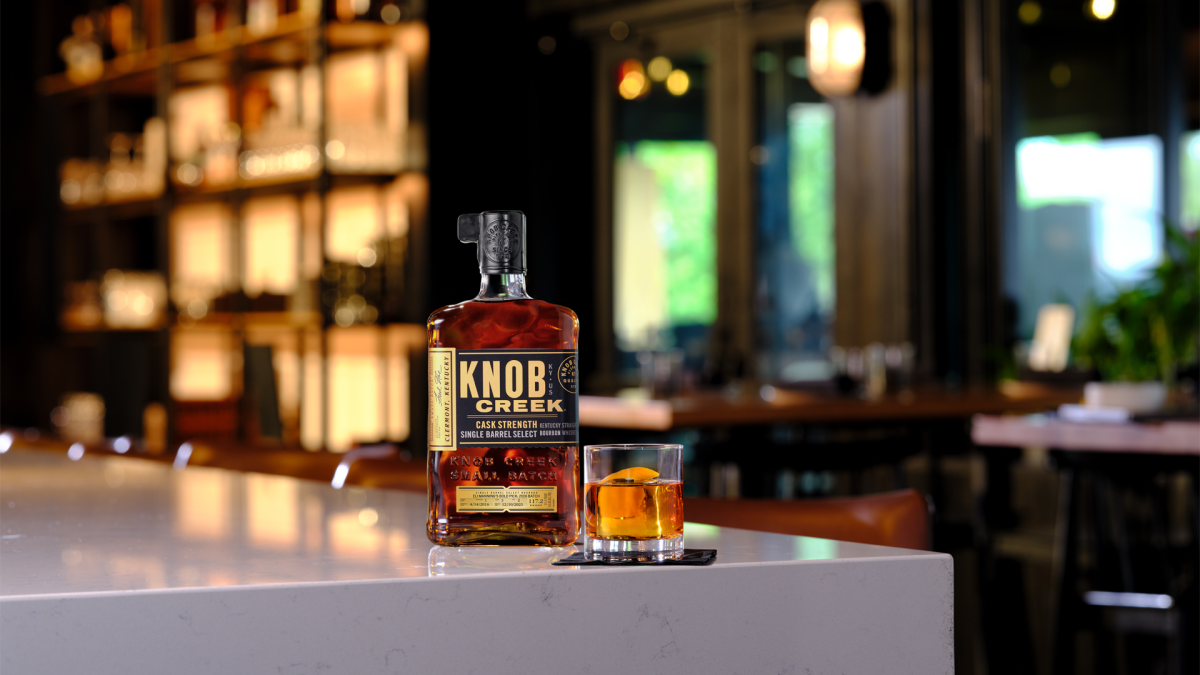
    Second time’s the charm for the NFL veteran and the spirits brand. Second time’s the charm for the NFL veteran and the spirits brand.

  • Ferretti’s New 74-Foot Yacht Will Debut at This Year’s Boot Düsseldorf

    Ferretti’s New 74-Foot Yacht Will Debut at This Year’s Boot Düsseldorf

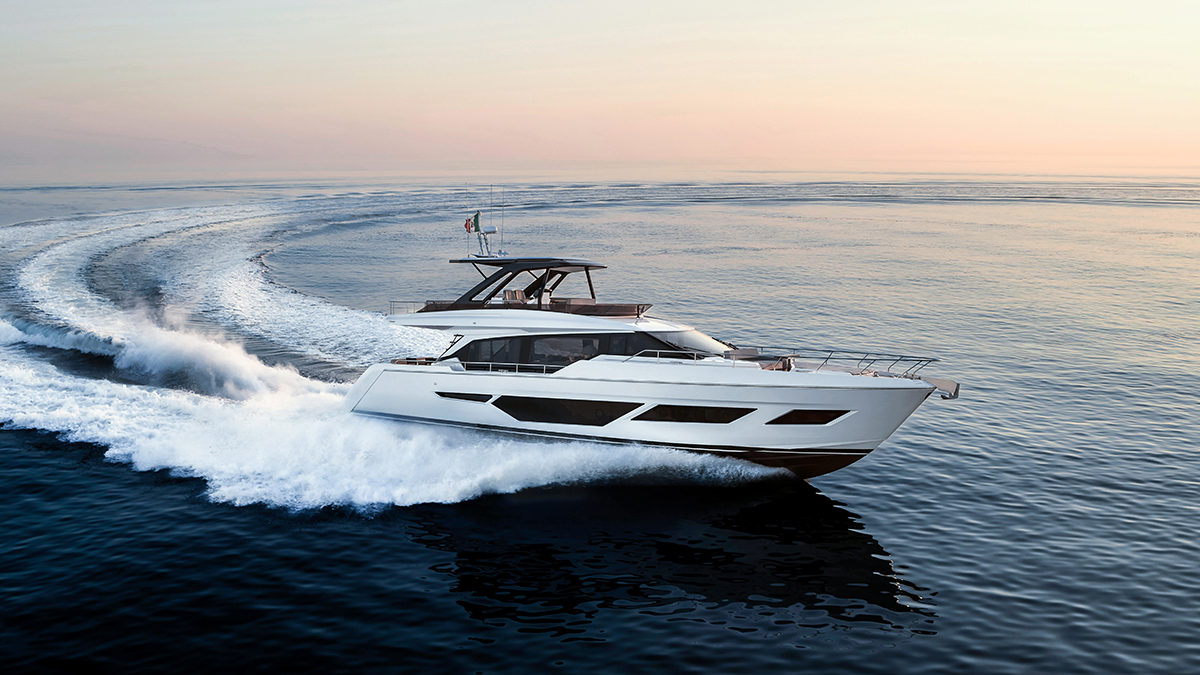
    The first 720 will be on display alongside four models from other Ferretti brands. The first 720 will be on display alongside four models from other Ferretti brands.

  • The Best-Dressed Men On the Slopes Wear These Brands

    The Best-Dressed Men On the Slopes Wear These Brands

    Alpine dressing has evolved, and these designers are leading the way. 

    Moncler Grenoble luxury mens ski

    These men won’t settle for bulky jackets or purely functional one-pieces; instead they look to luxury men’s skiwear that works hard. Designs that are technical enough to handle the cold and the powder, yet polished enough to pass muster in any ski lodge or après-ski bar.

    From Moncler Grenoble to Sease, here’s the designers they reach for and the cult pieces that blend performance and style.

    See also: Women’s Designer Ski Suits for Every Alpine Jaunt

  • What Is A Longevity Pod – And Do You Need One?

    What Is A Longevity Pod – And Do You Need One?

    From infrared sauna blankets to fitness wearables powered by AI, the weird and wonderful world of wellness tech is making way for a new addition. 

    longevity pod

    From Blue Zones to biohacking retreats, longevity has graduated from philosophical ideal to booming wellness zeitgeist. But as ultra-luxury wellness products like the $74,995 ELEVE E-Salt Cabin hit the market, a new question emerges for high-net-worth travelers and wellness aficionados alike: what is a longevity pod — and does it deliver anything beyond spectacle?

    At its core, longevity refers not just to length of life, but the quality of those years – a concept the wellness world increasingly calls health span. Advances in diagnostics, lifestyle medicine, and consumer technologies have fuelled a surge in interest, with longevity now recognised as one of 2025’s defining health and wellness trends. Consumers across generations are prioritizing longevity products and services as part of daily routines and travel experiences, expanding the $2 trillion global wellness market into functional longevity sectors.

    See also: The Biggest Wellness Travel Trends Set to Shape 2026

    Yet beneath the aesthetic allure of futuristic pods and biohacks lies a more nuanced landscape. Scientific consensus remains cautious: many of the technologies harnessed in longevity pods – from red light therapy to oxygen inhalation – show promise in supporting recovery and wellbeing, but there’s limited evidence they slow biological ageing in the medical sense. Aging, after all, is a complex biological process influenced heavily by lifestyle and genetics – as foundational longevity research emphasises.

    What is a longevity pod?

    In the simplest terms, a longevity pod is an enclosed wellness capsule that integrates multiple therapies into a singular, immersive experience. Think of it as a private spa session in a sculptural, high-tech capsule – part zen space, part biohacking station.

    The most talked-about example is ELEVE’s E-Salt Cabin – a glossy, sculptural pod combining:

    Salt therapy (halotherapy): Inspired by natural salt caves, dispersing micronised salt particles into the air.

    Red and near-infrared light therapy: Designed to stimulate circulation and cellular recovery.

    Oxygen therapy: Elevated oxygen delivery for energy and focus.

    Aromatherapy: Scents to promote relaxation and nervous-system regulation.

    The E‑Salt Cabin is as much a visual statement as a wellness device. Its high‑gloss black shell curves with a sleek, aerodynamic elegance, somewhere between a luxury car interior and a sci‑fi escape pod. Inside, a chaise‑style seat reclines under the glow of red and amber lights, visible through a large, tinted oval window. When illuminated, subtle LEDs trace the base in a gentle, rhythmic pulse, giving the capsule a cinematic presence that seems designed to be seen as much as experienced.

    At just over eight feet long and six feet tall, it’s roughly the size of a small sofa or compact car.

    Beyond ELEVE, similar concepts are appearing in luxury wellness markets. The Halo ReNew Longevity Capsule pairs salt therapy with red light, oxygen, heat and aromatherapy, creating a multi-sensory experience that aims to relax the body and support breath and skin health.

    See also: Wellness or Woo-Woo? The Trending Experiences Everyone’s Trying

    longevity pod
    ©ELEVE

    The science behind longevity pods

    Many of a longevity pod’s features are already practiced widely in wellness circles, though usually on their own, rather than all at once. Red and near‑infrared light may help with circulation, cellular repair, and energy. Salt therapy can ease breathing and leave skin feeling refreshed, while oxygen treatments have a longer wellness pedigree, from hyperbaric chambers to elevated oxygen sessions.

    Still, the real secret to a long, healthy life remains tried-and-true: nourishing food, movement, social connection, and stress management – lessons that communities like the Blue Zones have been living for decades. Longevity pods might feel restorative and luxurious, but they’re no magic shortcut to a longer life.

    See also: Wellness or Woo-Woo? The Trending Experiences Everyone’s Trying

    Longevity pods are a marker of where luxury wellness is headed – technologically adventurous, multi-sensory, and experience-rich. But while they reflect a broader shift towards proactive, preventative wellness consumerism, they remain complementary to, rather than replacements for, lifestyle-based approaches proven to support long, healthy lives.

    So, the verdict is out. A longevity pod might not guarantee extra decades, but it’ll certainly give you a few blissful minutes of feeling like you might just live forever.

  • Auberge’s Luxe Lodge in Utah Just Unveiled a Collection of New Residences

    Auberge’s Luxe Lodge in Utah Just Unveiled a Collection of New Residences

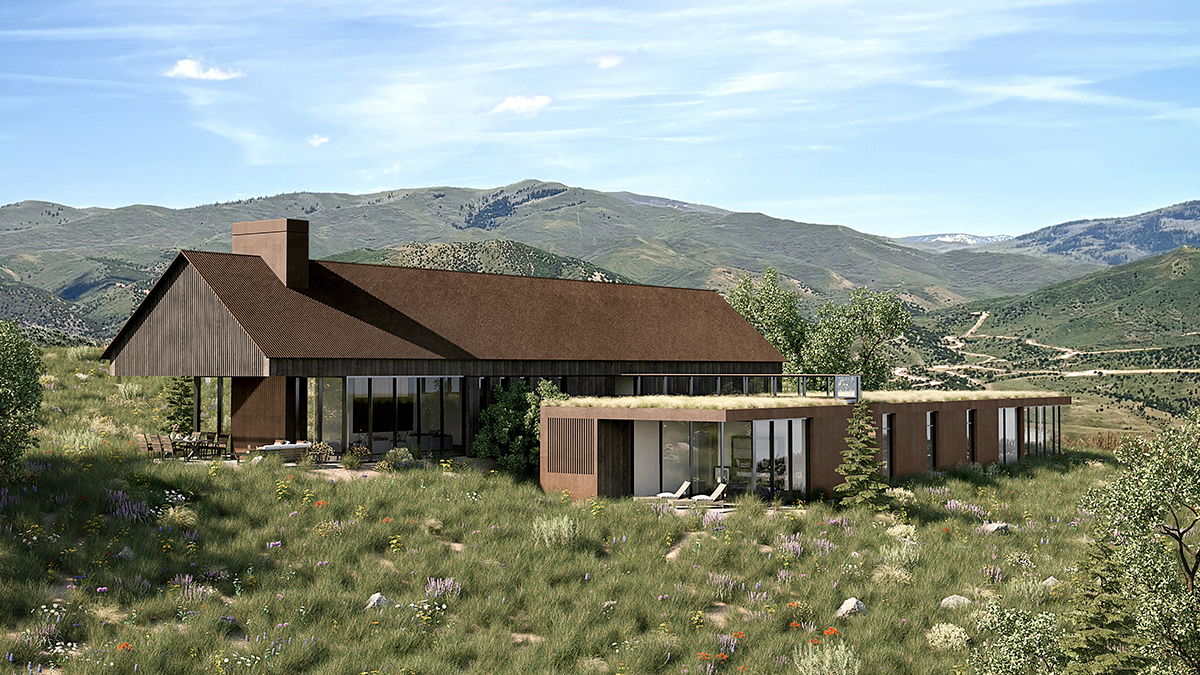
    Sales for homes in the exclusive private community near Park City just launched. Sales for homes in the exclusive private community near Park City just launched.

  • Woodford Reserve Just Dropped Its Beloved Limited Edition Doubl Double Oaked Bourbon for 2026

    Woodford Reserve Just Dropped Its Beloved Limited Edition Doubl Double Oaked Bourbon for 2026

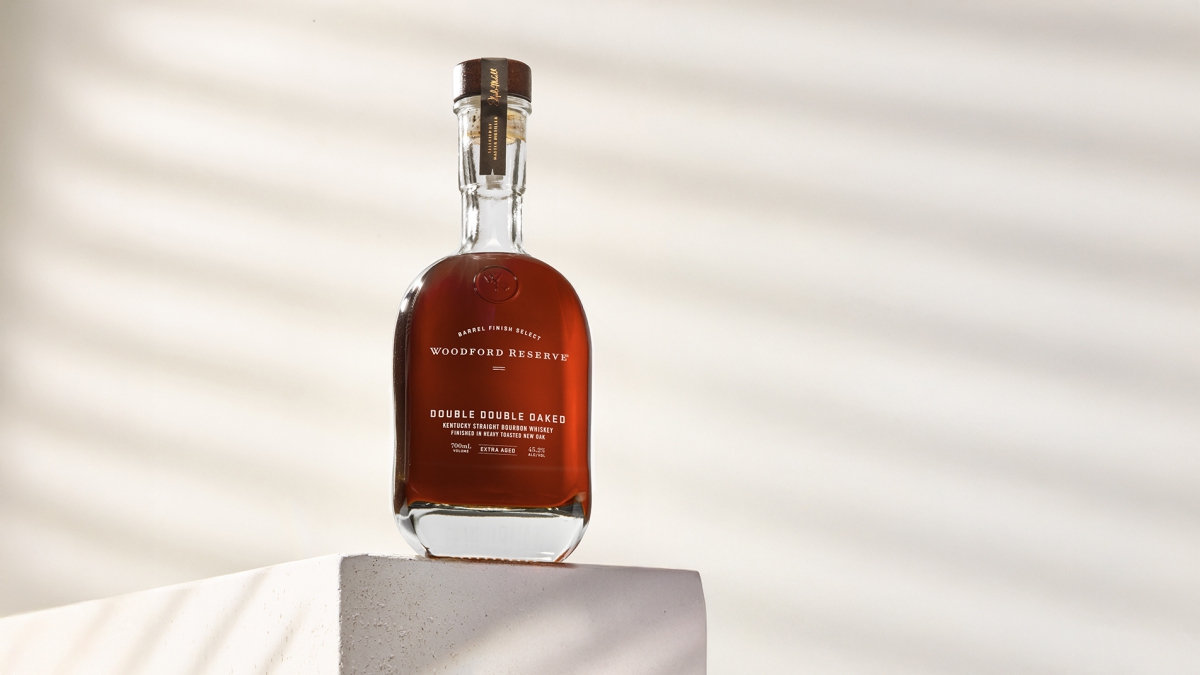
    The whiske is available nationally starting this week. The whiske is available nationally starting this week.

  • Baglietto’s New 155-Foot Superyacht Has Not One but Two Infinity Pools

    Baglietto’s New 155-Foot Superyacht Has Not One but Two Infinity Pools

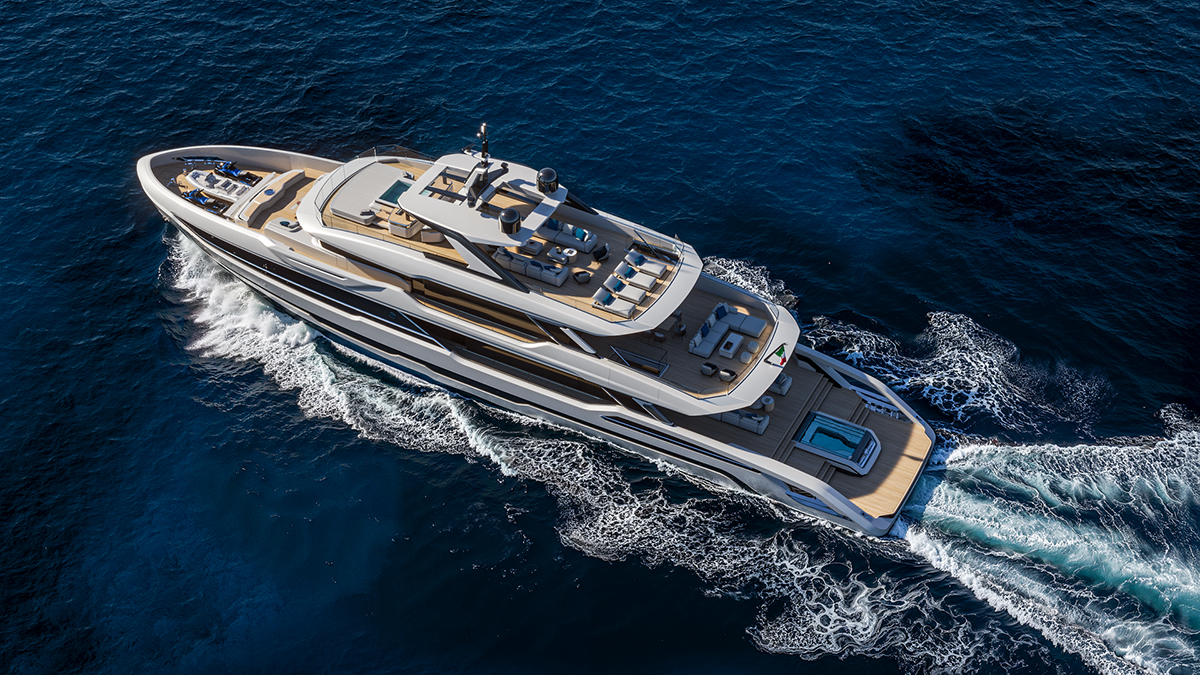
    The first Dom 155 is scheduled for delivery in early 2029. The first Dom 155 is scheduled for delivery in early 2029.

  • 6 Sustainable Home Trends for 2026, According to an Interior Designer

    6 Sustainable Home Trends for 2026, According to an Interior Designer

    Here’s the materials, finishes, and design shifts shaping the next chapter of sustainable luxury living. 

    interior design

    In 2026, the conversation has shifted away from novelty and visual excess towards longevity, material intelligence, and a deeper emotional connection to the spaces we inhabit. Sustainability is no longer a niche concern or a virtuous add-on; but seamlessly woven into aesthetics, craftsmanship, and comfort.

    After years of heavy maximalism, Pinterest’s 2026 trend forecasting points to a growing appetite for interiors that feel grounded, tactile, and storied. Searches are rising for richly layered spaces, heritage influences, artisanal finishes, and designs that engage the senses rather than overwhelm them. This aligns with a broader cultural move away from disposable modernity towards interiors that feel collected over time – spaces that privilege air quality and emotional resonance as much as visual impact.

    For today’s luxury homeowners, sustainability in 2026 is less about overt eco-signaling and more about discernment: choosing materials that age beautifully, investing in pieces that will outlast trends, and creating homes that feel deeply personal while remaining environmentally responsible. London-based interior designer Carina Harford, founder of Harford House, notes that today’s clients are increasingly informed, prioritizing health, provenance, and longevity as instinctively as they once prioritized square footage or statement finishes.

    From operatic drama reimagined through heritage textiles to a renewed reverence for antique craftsmanship, these are the six sustainable interior design trends set to define luxury living in 2026.

    Operacore

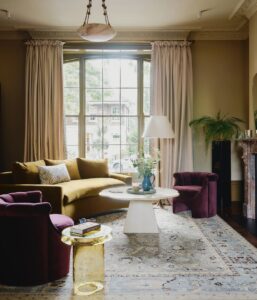
    Operacore is emerging as one of 2026’s most evocative interior movements, but its luxury expression is far removed from theatrical excess. Instead, it manifests through atmosphere: deep red and wine-toned walls, sculptural lighting, antiqued mirrors, and generous drapery that frames a room rather than overwhelms it.

    Sustainability plays a crucial role in this evolution. Heavy velvet curtains are increasingly sourced vintage or made from natural fibers, while timber details and reclaimed metals replace synthetic finishes. These choices bring both gravitas and environmental integrity, allowing drama to coexist with restraint.

    Harford notes that health-conscious material selection is now integral to this approach. “There’s a lot more awareness around air quality and how it can be affected by different materials and finishes,” she explains. “Most of my clients are opting to use natural mineral paints, non-toxic upholstery, and are minimizing synthetic fibers where possible.” In Operacore interiors, mood is achieved not through excess, but through considered layering.

    Mineral paints

    Paint has become one of the clearest markers of design intelligence in 2026. Mineral and plant-based paints are now widely favored for their depth of color, tactile finish, and positive impact on indoor air quality. Unlike plastic-based emulsions, these paints allow walls to breathe, creating spaces that feel calmer and more nuanced.

    Visually, the effect is unmistakable. Mineral paints absorb and reflect light unevenly, producing subtle tonal shifts that enhance architectural details and soften transitions between spaces. They work equally well in period properties and contemporary builds, lending walls a sense of permanence rather than polish.

    For Harford, this shift is no longer optional. “Using high quality, non-toxic, non-plastic, mineral- and plant-based paints from companies like Edward Bulmer and Earthborn is a given now – I don’t offer other paints anymore at all.” In 2026, sustainability and aesthetic refinement are inseparable, and paint sits at the intersection of both.

    Antiques

    The return to antique and vintage furniture is one of the most defining sustainable interior trends of the year. Rather than treating older pieces as accents, designers are using them as anchors – grounding rooms with craftsmanship, patina, and material integrity.

    Antique furniture offers an inherently sustainable solution: solid wood construction, enduring design, and a lifespan that already spans generations. These pieces reduce the need for new manufacturing while introducing individuality that cannot be replicated through mass production.

    Harford has seen a growing willingness to prioritize these investments. “Clients are more and more willing to invest in vintage and antique furniture over modern low-quality options,” she says. “The older pieces are usually solid wood, made beautifully, and have already lasted 50–100 years.” In 2026, luxury is increasingly defined by what has endured, not what is newly made.

    Decorative trims & moldings

    Decorative detailing is enjoying a renewed relevance. Rather than ornate excess, trims, and moldings are being used to introduce texture and craftsmanship to interiors that might otherwise rely on surface finishes alone.

    Wooden paneling, tiled borders, fabric trims, and bespoke joinery are all being reinterpreted to frame spaces and enhance architectural form. These elements add visual interest without demanding constant renewal, making them a quietly sustainable choice.

    “My clients are all quite different,” Harford notes, “but decorative moldings and trims – wooden, tile, fabric, all sorts – are featuring across a lot of projects in different styles.” The appeal lies in their adaptability: details that feel rooted in tradition yet flexible enough to evolve with the home over time.

    Natural fibers

    Wool, linen, hemp, and silk are favored not only for their environmental credentials, but for the way they regulate temperature, soften acoustics, and age beautifully.

    Rather than relying on pattern or color for impact, interiors are leaning into texture; bouclé upholstery, washed linen curtains, woven wall hangings. These materials contribute to healthier indoor environments by reducing synthetic fibers and airborne pollutants, while also enhancing comfort.

    This move aligns with Harford’s observation that minimizing synthetics has become a priority. Natural fibers are no longer seen as rustic or understated; instead, they signal a refined understanding of comfort and longevity.

    Collectibles

    In place of singular statement pieces, 2026 interiors favor a more curatorial approach. Collectible design – from limited-edition lighting to studio ceramics – allows spaces to evolve gradually, guided by personal taste rather than trend cycles.

    These pieces are often produced in small batches, using traditional techniques and responsibly sourced materials. Their value lies not only in aesthetics, but in the relationship between maker and owner, encouraging care, repair, and long-term appreciation.

    This approach reflects a broader shift in how luxury interiors are conceived: as living collections rather than finished compositions. The most compelling homes are those that feel layered and intentional, where sustainability is embedded as standard.