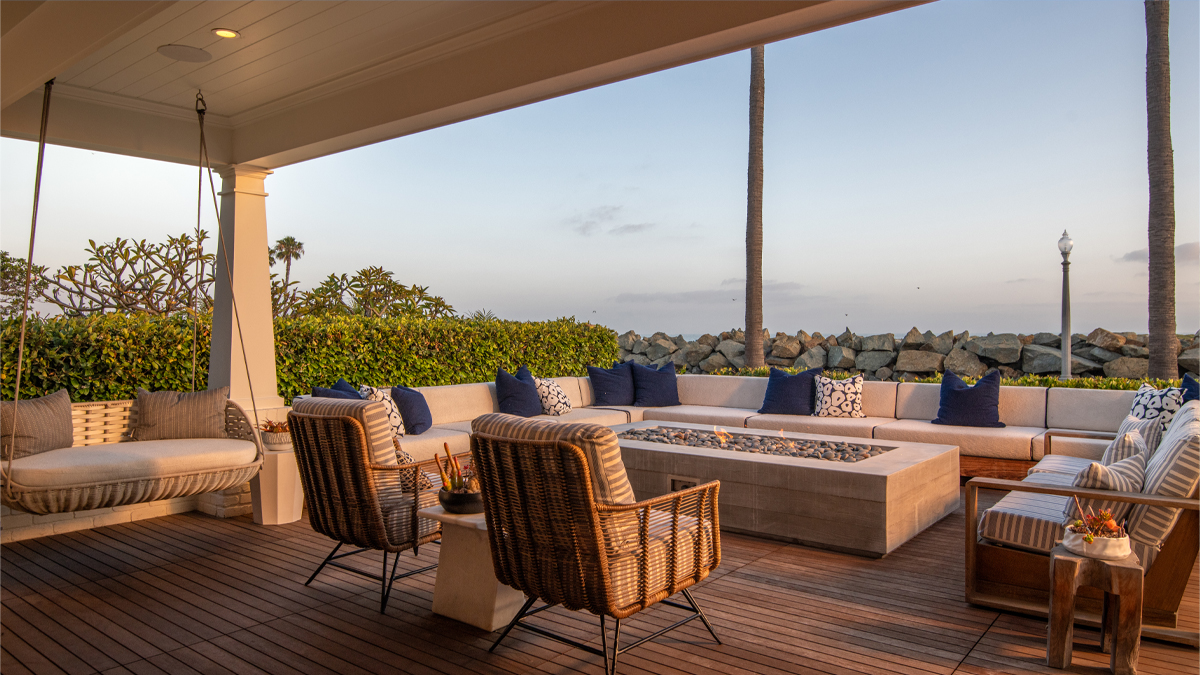
The shingle-clad four-story residence is set along Coronado’s coveted Ocean Boulevard. The shingle-clad four-story residence is set along Coronado’s coveted Ocean Boulevard.
Рубрика: General
-
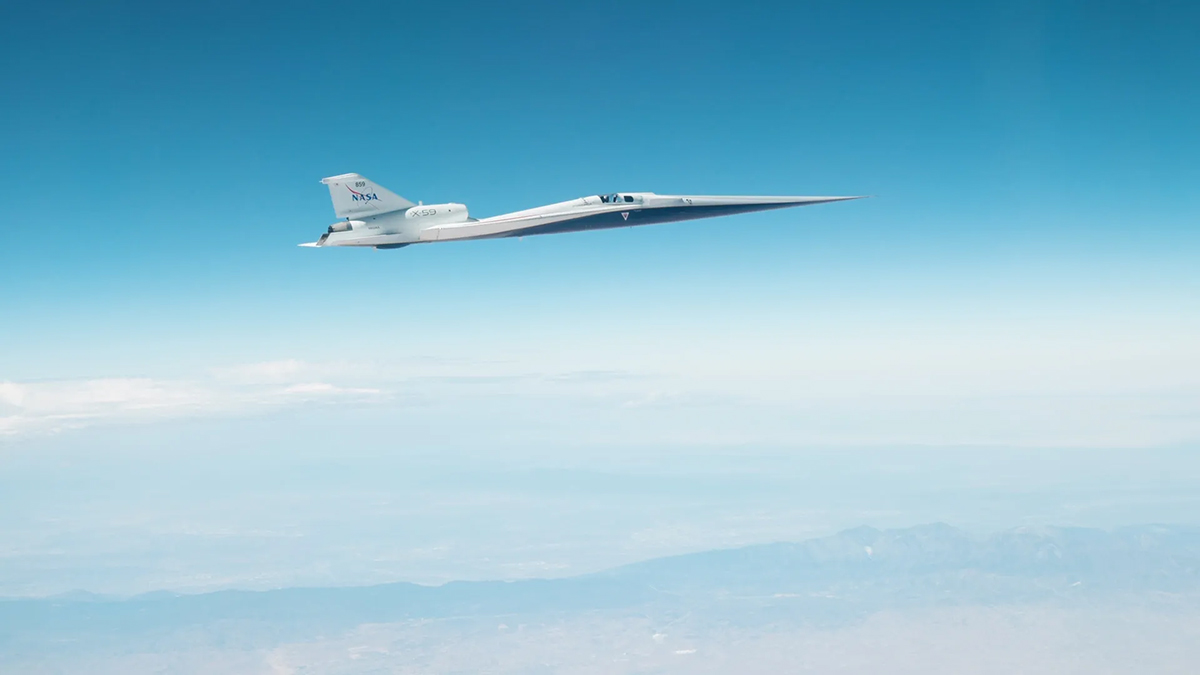
NASA’s New Supersonic Jet Just Broke the Sound Barrier Twice on Test Flights
The X-59 flew at over Mach 1 (767 mph) during two separate test flights conducted roughly one week apart. The X-59 flew at over Mach 1 (767 mph) during two separate test flights conducted roughly one week apart.
-
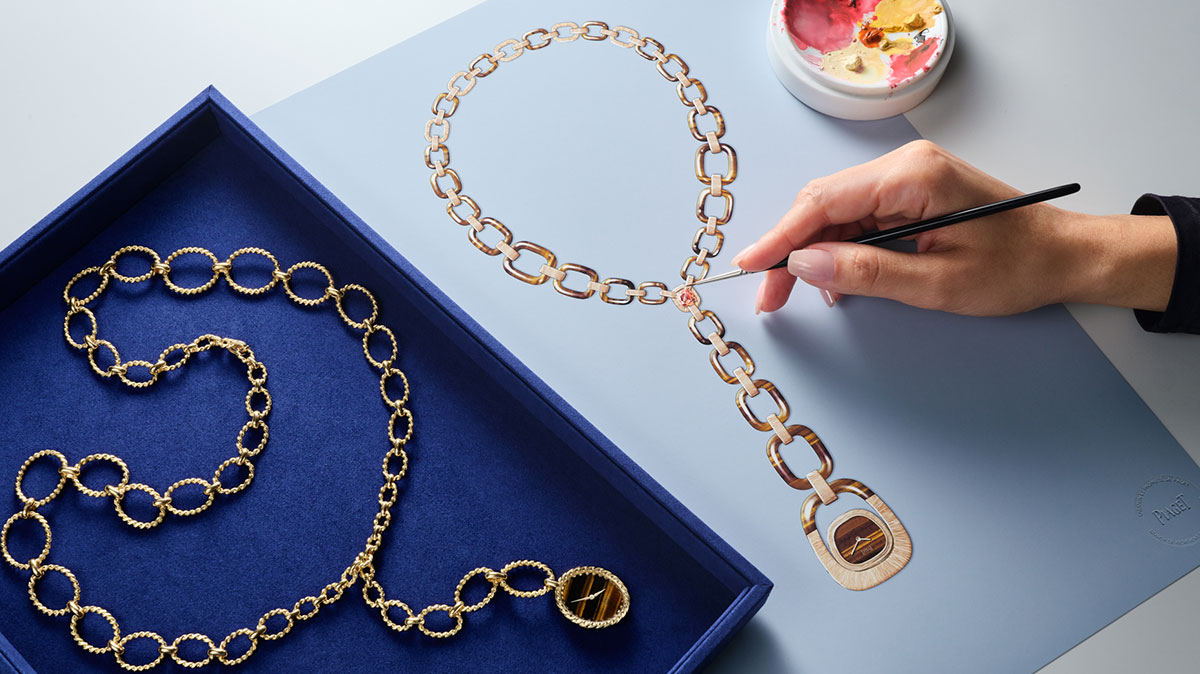
Piaget’s New High Jewelry Collection Is Inspired by the Gem-Set Dials of Its Ultra-Thin Watches
The new 65-piece collection experiments with chromatic texture and is the final chapter of the Extraleganza trilogy. The new 65-piece collection experiments with chromatic texture and is the final chapter of the Extraleganza trilogy.
-
Savor the Caribbean’s Best Dining on the Cayman Islands
From local seafood by the water to fine dining, vaCay makes a serious case for travelers who plan their trips around food.

On the shores of Seven Mile Beach, Eric Ripert’s kitchen at Blue by Eric Ripert at the Ritz-Carlton, Grand Cayman, serves conch with cucumber and yuzu, moving the classic Caribbean ingredient into a tasting-menu format. Ten minutes away in West Bay, Heritage Kitchen, one of the oldest family-run restaurants on the island, takes the same ingredient back toward Caymanian home cooking, serving conch fried into fritters and served at picnic tables on the beach.
Across the three islands, more than 300 restaurants and a population representing more than 130 nationalities have shaped a dining culture where global tastes and island traditions converge. Fresh fish, lobster, plantains, snapper, cassava, coconut, Scotch bonnet, and local produce are staples in Caymanian family recipes. With unique cultural influences, from local recipes to Caribbean spices and Asian sauces to European cooking techniques, the Cayman Islands is the ultimate destination for travelers who book their dining reservations before their flight.
The five-star restaurant that put Grand Cayman on the map

It’s Blue by Eric Ripert that transformed the Cayman Islands into a well-known gastronomic destination after it opened in 2005, appealing to luxury travelers and foodies alike. Located at the Ritz-Carlton, Grand Cayman, along one of the island’s most picturesque beaches, Blue is helmed by Eric Ripert, the French chef and co-owner of the three-Michelin-starred fine-dining restaurant Le Bernardin in New York. Ripert brings seafood-focused cooking and Caribbean flavors to dishes in an innovative way. His signatures, such as Dover sole, are reworked with island ingredients, like green papaya and red wine jerk jus.
The wine program is part of the experience, not a supporting detail. Blue’s cellar holds more than 700 wine selections from around the world, giving the restaurant the pull of a destination dining room that draws collectors eager to taste or learn about rare vintages.
The island’s exclusive culinary calendar

For food lovers, Cayman Cookout has become the island’s marquee culinary event, a winter fixture with the kind of draw usually reserved for Aspen, St. Tropez, or other seasonal gathering places for the well-traveled. Founded by Ripert in 2009 to showcase culinary talent in the Caribbean, the multi-day festival at the Ritz-Carlton on Seven Mile Beach has welcomed major chefs, like Daniel Boulud and the late Anthony Bourdain, wine experts, and tastemakers to the island for dinners, tastings, and events.
Its success has inspired a wider culinary calendar. Taste of Cayman gathers restaurants, bars, and producers from across the islands in one place, while Cayman Restaurant Month highlights dining rooms through special menus and events. Cocktail Week gives the bar scene its own turn, with rum, island produce, and bartenders carrying Cayman’s food culture beyond the dinner table.
What Cayman cooks

Resort dining rooms are only part of the island’s food story, whether at the Ritz-Carlton, Grand Cayman, Palm Heights, or the Kimpton Seafire Resort +Spa. Local and historic restaurants help shape that reputation. Cayman Cabana on the George Town waterfront is known for breadfruit, callaloo rice, fried plantains, and pepper jelly, while Thatch and Barrel pairs Caymanian-influenced cooking with rum at Pedro St. James, one of the island’s most important historic sites. Grand Old House gives local catch, grouper, seafood curry, and Cayman-style sauces a more formal presentation, set in a former plantation house by the water. On the East End, Tukka weaves island ingredients into a Caribbean-Australian menu served directly along the sea.
The islands are compact enough that the food scene feels closely connected. Farmers’ markets at the Hamlin Stephenson Market at the Grounds and the Farmer’s and Artisans Market supply ingredients for restaurant menus, bartenders procure local rum and seasonal produce, and chefs from local establishments and beachfront hotels share ideas. That closeness gives the scene its momentum without turning every restaurant into the same version of luxury.
Cayman is so much more than a resort destination with good restaurants attached. The food moves between fine dining, family recipes, market produce, rum bars, and tables by the water, giving travelers a reason to plan the trip around what they will eat next.
-
Discover a Slower Pace of Life in the Cayman Islands
Home to hundreds of diving and snorkeling sites, world-renowned white-sand beaches, and cuisine, the Cayman Islands is Caribbean living at its finest.

The descent into Grand Cayman comes in low over water so clear that you can see the reefs from the air. Turquoise water calmly laps along the sugar-like sandy beaches. It’s a stretch of the Caribbean, just a few hours south of the US, where time stretches, and the tempo slows. The three-island archipelago of the Cayman Islands is known for its 365 diving sites, the world’s top-rated and diverse beaches, a culinary scene unlike anything else in the Caribbean, luxury accommodations, and activities from golf to watersports, primed for honeymooners and families alike.
The Cayman Islands have long been a secluded enclave for a variety of travelers, drawn by luxury resort accommodations and five-star dining on Grand Cayman, nature and adventure on Cayman Brac, and secluded coves on Little Cayman. The three islands within the 102-sq-mile territory in the western Caribbean Sea are a short flight from one another, each surrounded by impossibly blue waters, swimmable white-sand beaches, nature reserves with rare wildlife, and coves brimming with marine life and tropical fauna. The Cayman Islands are just as much about discovery as they are about relaxation.

Travelers often choose the destination for its powdery beaches and calm waters spread across the three. On Grand Cayman, Seven Mile Beach unfurls along the western coast near the capital, George Town, lined with fine-dining restaurants, toes-in-the-sand bars, and luxury hotels, including the Ritz-Carlton, Grand Cayman and Palm Heights. Consistently named one of the best beaches in the Caribbean, Seven Mile Beach is also a reliable spot to encounter tropical fish in the shallows. More wildlife is found at Stingray City, the sandbar in the North Sound, which has become almost a rite of passage for visitors, where southern stingrays glide past your feet in clear, waist-deep water. Starfish Point has earned its reputation for the many orange starfish just past the powdery shoreline.
Don’t forget to head to Spotts Beach on the south coast, a place where you’re almost guaranteed to see wild green and hawksbill turtles while snorkeling. The archipelago uniquely has 365 diving sites, one for each day of the year, including Bloody Bay Wall off Little Cayman and the U.S.S. Kittiwake wreck. Inland on Grand Cayman’s north side, Cayman Crystal Caves takes visitors through a series of limestone chambers strung with stalactites and stalagmites and set within a tropical forest.

Seclusion and nature are further found on Cayman Brac, perfect for climbers and birdwatchers, with a limestone bluff and the 180-acre Brac Parrot Reserve, which is home to the endemic Cayman Brac Parrot. Little Cayman, meanwhile, moves at the pace of the Rock iguanas that inhabit the rustic island. Languid days on the water are only part of the draw. Grand Cayman has two golf courses, the 18-hole North Sound Golf Club, designed by Roy Case, and the nine-hole Blue Tip Golf Course at the Ritz-Carlton, Grand Cayman. Golfing sits alongside paddleboarding, kitesurfing, sport fishing, and sailing charters that pair reef stops with sunset returns. Adventure and wellness are also on offer, like horseback riding, caving, ATVing, hiking, and wellness-focused activities, such as yoga.

The food scene is its own reason to come, with a variety of options to dine at, from Grand Cayman’s fine-dining restaurant, Blue by Eric Ripert at the Ritz-Carlton, Grand Cayman, to local restaurants serving the island’s most well-known dishes of conch stew, coconut ceviche, jerk chicken, and Cayman-style lobster. Local rum finds its way into nearly every glass by sunset, and a punch on the beach is a fitting close to a Caymanian day.
-
Wellness, Redefined: Reconnecting in the Cayman Islands
Across Grand Cayman, Cayman Brac, and Little Cayman, the reset comes through movement, spa rituals, reef, nature, and new recovery spaces.

Luxury travelers are increasingly drawn to destinations that support wellness, longevity, and recovery, while still feeling unmistakably like a vacation. The Cayman Islands pair unspoiled tropical landscapes with new investment in cutting-edge spas, movement studios, and open-air treatment spaces, expanding what a Caribbean beach vacation can be.
On Grand Cayman, that idea feels built into the trip itself. It is the morning spent reading or walking on Seven Mile Beach, the midday, the open-air massage, or the yoga class on a paddleboard. Across the islands, days can be as structured or as unplanned as travelers want them to be, with enough space to set the pace. The Global Wellness Institute reported last year that the worldwide wellness economy reached a record $6.8 trillion, with wellness tourism accounting for $894 billion.
Spa rituals with more range

Grand Cayman’s spa scene now reaches well beyond the typical hotel treatment room, with standalone wellness spaces, redesigned resort spas, medical-aesthetic treatments, hammams, hydrotherapy, cold plunges, sound-based therapies, and beachside bodywork, all within a compact island setting. Meraki Wellness, the region’s first standalone luxury wellness and spa destination, opened earlier this year near Seven Mile Beach as a dedicated facility separate from any resort.
The 16,000-square-foot property includes a flexitarian wellness eatery, Natura Bissé products, medical-aesthetic and cosmetic treatments, a panoramic sauna, a snow room, and the Hydrotherapy Odyssey, a seven-step contrast-based thermal experience. Its distinction lies in how it brings European-style bathing rituals into a Caribbean setting, guiding guests through heat, cold, steam, water pressure, and rest rather than centering the experience on a single massage or facial.
Resorts across the island add their own specialties. At the Ritz-Carlton Spa, Grand Cayman, Champalimaud Design’s recent redesign draws inspiration from Caymanite, a semi-precious stone found only in the Cayman Islands. Guests can work with an in-house wellness consultant before choosing among ESPA rituals, 111SKIN facials, marine-inspired body therapies, and treatments that use vibroacoustic beds paired with MyndStream soundscapes.
Palm Heights’ Garden Club brings a bathhouse sensibility, an infrared sauna, a steam room, an ice room, plunge pools, a social pool, and private treatment rooms. Kimpton Seafire Resort + Spa offers a spa garden and the island’s only hammam room, while the Westin Grand Cayman Seven Mile Beach Resort and Spa’s Hibiscus Spa adds even more variety, with 13 treatment rooms, Reiki, and energy-balancing rituals.
Meditative movement

In Grand Cayman, movement is not confined to the studio. Participate in a yoga class on the beach or the ocean, with operators such as Vitamin Sea offering paddleboard yoga, PaddleFit, and gentle flow sessions with a sound bath on the water. Snorkeling, diving, and kayaking bring travelers into direct contact with the marine environment, offering intentional movement amid wildlife in a quiet, calm setting. Cayman’s sustainability initiatives add another layer, with turtle nesting beaches and Lionfish Patrols helping restore balance to the ocean ecosystem and inviting visitors to engage with the reef as more than scenery.
The mental reset

The Sister Islands bring the quieter side of the Cayman wellness story into focus. On Cayman Brac, the reset comes through terrain, with limestone caves, rugged cliffs, birdwatching, hiking, and the chance to see the endangered Brac Parrot. Little Cayman offers an even more pared-back version, shaped by diving, kayaking, birdlife, and long stretches of quiet.
Together, the three islands give travelers several ways to reconnect, whether through a treatment room on Grand Cayman, a yoga class near the shoreline, a swim over the reef, or time spent outside with very little on the schedule. Across the Cayman Islands, the reset is not confined to one resort, spa, or program. It moves between beach, reef, treatment room, trail, and table, allowing travelers to return restored without making the trip rigid.
-
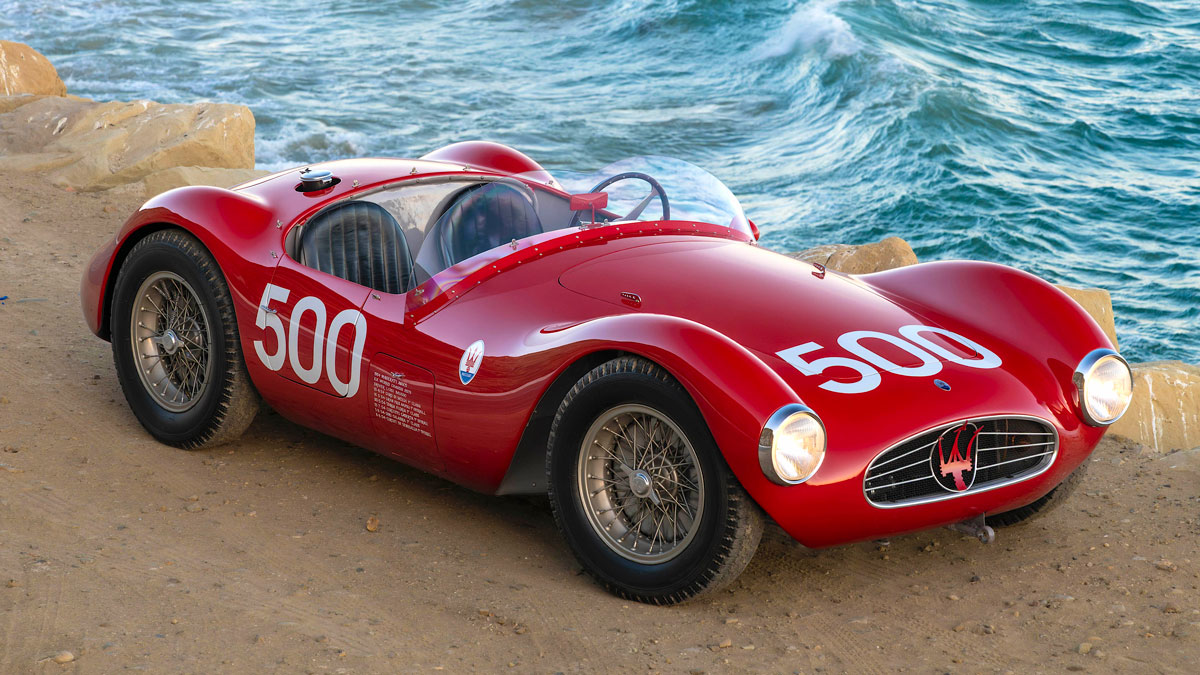
This Class-Winning 1954 Maserati Race Car Could Fetch Nearly $3 Million at Auction
The Maserati A6GCS, raced extensively in the 1954 season, will be offered through Broad Arrow during Monterey Car Week. The Maserati A6GCS, raced extensively in the 1954 season, will be offered through Broad Arrow during Monterey Car Week.
-

All the Things Elon Musk Could Buy With a Trillion Dollars
How far could a trillion dollars go? From Fabergé eggs to Cartier diamonds and World Cup final VIP access, we crunch the numbers.

Even by the standards of modern wealth, the number is difficult to comprehend. A billion dollars already places its owner in a financial universe far removed from everyday life. A trillion dollars belongs to another realm entirely.
Conventional measures of wealth, at that scale, can begin to lose their meaning. Because private jets and superyachts no longer feel especially extravagant when they can be purchased by the thousand. Which raises an irresistible question: what does a trillion dollars actually buy?
In the interests of understanding quite how large a sum it really is, we decided to go shopping.
The trillionaire’s shopping basket
7.7 billion afternoon teas at The Ritz

©The Ritz London A traditional afternoon tea at The Ritz London remains one of the capital’s most civilized indulgences. At around £95 per person (approx. $130), a trillion dollars would purchase 7.7 billion servings.
That is enough for almost every person on Earth to enjoy tea beneath the chandeliers of Piccadilly. The limiting factor, one suspects, would not be the money but the global supply of cucumber and cream cheese sandwiches.
See also: Quintessentially British Afternoon Teas to Book in London
285,714 bottles of the world’s most expensive tequila
The Tequila Ley .925 Diamante holds the undisputed title of the world’s most expensive tequila, valued at $3.5m thanks to its jewel-encrusted bottle. But do you really need 285,714 of them? Potentially, if you have the cellar space…
2,500 of America’s most expensive property
The so-called ‘Crown Jewel of Los Angeles,’ one of the most expensive residential properties ever offered in the United States, has been marketed for around $400m. A trillion dollars would buy 2,500 of them – an extraordinary feat of personal real estate collecting.
1.3 million trips to space

©Shutterstock A seat on Virgin Galactic’s SpaceShip spaceplane for one of its 90-minute flights is now priced at $750,000. At that rate, a trillion dollars buys approximately 1.3 million trips. Who said seeing the curvature of the Earth is just a once-in-a-lifetime experience?
See also: Does Artemis II Prove Space Tourism Might Soon Take Off?
769,230 of the world’s most expensive cigar
The Gurkha Royal Courtesan, often cited as one of the most expensive cigars ever sold, reportedly costs around $1.3m. With Elon’s fortune, he could buy 769,230 – that’s enough to smoke one every day for more than 2,100 years.
See also: The Best Cigar Lounges Hidden Inside London Hotels
10 million Cartier diamond necklaces

©Cartier A Cartier diamond necklace can comfortably command six figures. Assuming a relatively restrained $100,000 per piece, a trillion dollars would buy 10 million of them. Basically, a surplus large enough to alarm the diamond market.
100 million years of membership club access
The world’s most sought-after private members’ clubs – from London’s Annabel’s to Capital Club in Dubai – typically charge annual fees measured in the thousands rather than millions. Assuming an average membership costs $10,000 a year, a trillion-dollar fortune would cover 100 million years of membership fees.
Put another way, Elon Musk could have joined a private members’ club when woolly mammoths still roamed the Earth and remained a member until long after today.
20 million cloned dogs

©Shutterstock For those unwilling to accept the finite lifespan of a beloved pet, commercial cloning offers a rather extraordinary solution, at around $50,000 per dog. With a trillion dollars you could afford to clone 20 million dogs – an extravagant display of devotion, if you will.
33,333 Fabergé Eggs
Original Imperial Fabergé Eggs are among the rarest luxury collectibles in the world. When they do appear at auction, prices can exceed $30m. With a trillion dollars, you could theoretically buy 33,333. Considering only around 50 Imperial Eggs were ever made, this presents a minor supply problem.
250,000 rare on-pitch tickets to the 2026 World Cup final

©Shutterstock Most fans dream of getting a ticket to the World Cup Final. Knightsbridge Circle, the luxury concierge service, recently announced something considerably rarer: six seats on the halfway line in the front row of the 2026 World Cup Final, together with on-pitch access to the trophy ceremony itself. The price? $4m for all six places.
With a trillion dollars, you could buy 250,000 of these packages. The difficulty, naturally, is that only one package exists – and is only available to Knightsbridge Circle members. And even if Fifa staged a World Cup Final every year, it would take a quarter of a million years to redeem them all.
See also: A City-by-City Guide to the Best Hotel Suites for the 2026 World Cup
2 million Hermès Himalaya Niloticus Crocodile Birkins
Among handbag collectors, few objects possess the mythical status of the diamond-encrusted Hermès Himalaya Niloticus Crocodile Birkin.
With examples fetching around $500,000, a trillion dollars buys two million of them – enough for nearly every resident in the city of Paris to own one, and to likely have an unwanted knock-on effect on their value.
-
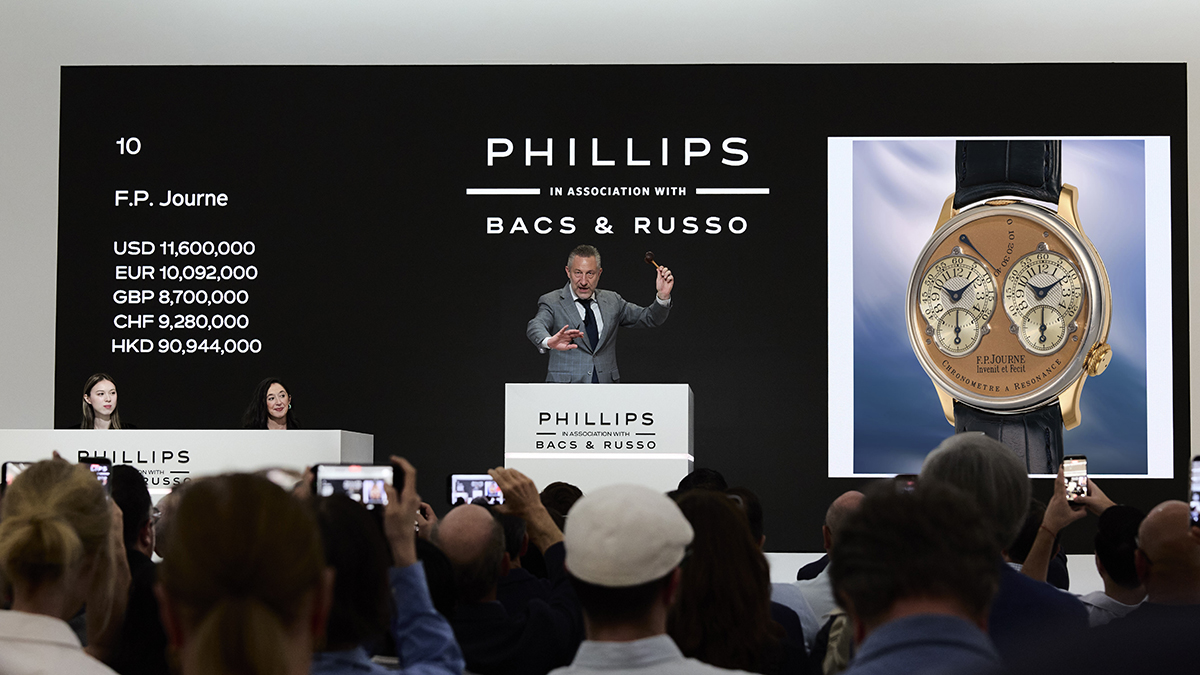
Phillips Just Held the Highest-Grossing Watch Auction in U.S. History
The sale pulled in a record $75.8 million across two days, with 100 percent of lots sold. The sale pulled in a record $75.8 million across two days, with 100 percent of lots sold.
-

A Skeptic’s Guide to Fasting
After a couple of trips to the Buchinger Wilhelmi clinic in Marbella, Spain, David Coggins finds himself an unlikely advocate for the fast life.
