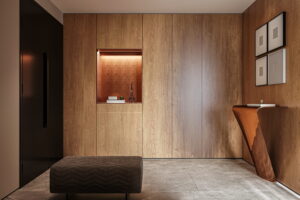
From morning light to material choices, how subtle design shifts can quietly optimize sleep, mood and wellbeing at home.

Once associated with wearable tech, genetic tweaks, and extreme longevity experiments, biohacking now has a sophisticated domestic angle: the home itself can be engineered to support physical, emotional, and cognitive wellbeing. This shift reflects how much time we spend indoors. Studies suggest we may be inside as much as 90 percent of our lives, making the domestic environment a powerful determinant of health.
Small shifts in light, air quality, materials, and even scent can influence sleep, mood, immune function, and overall physiological regulation. But unlike fleeting wellness trends, these interventions have tangible evidence behind them: natural light exposure aligns circadian rhythms and improves sleep quality, while poor indoor air can possess volatile compounds linked to irritation and chronic health effects.
By approaching the home as a curated ecosystem, rather than just a shelter, it’s possible to subtly enhance wellbeing every day. Here’s how designers and scientists think about biohacking the home without overstatement.
Invest in smart tech

Smart tech can make huge transformations in your home, especially when it comes to wellbeing. New-to-market devices like this $75,000 longevity pod can be housed at home for futuristic health benefits, and existing ones like hyperbaric oxygen therapy chambers are still being snapped up by UHNW homeowners. Meanwhile, simpler home accessories are easy-win options, such as smart mattresses that adjust your temperature throughout the night to optimize sleep cycles.
Clean materials
The air inside our homes can be significantly more polluted than outdoor air, largely due to off-gassing from building materials, finishes, and furnishings, particularly volatile organic compounds (VOCs) found in conventional paints, plastics, and synthetic textiles. According to the EPA, levels of some VOCs can be two to five times higher indoors, with activities like painting pushing concentrations even higher. Prolonged exposure to VOCs has been linked to respiratory irritation, neurological effects and other health risks, making indoor air quality a critical wellness concern.
Interior designer Carina Harford notes that high-quality, non-toxic, mineral and plant-based paints (such as those from Edward Bulmer and Earthborn) are now standard in her practice, and her clients increasingly opt for natural upholstery and fibres over synthetic materials. As she says, “I don’t offer other paints anymore at all. There’s a lot more awareness around air quality and how it can be affected by different materials and finishes.”
Beyond material choices, improving ventilation – whether via mechanical systems, open windows, or strategically placed exhausts in kitchens and bathrooms – can help reduce indoor pollutants and support healthier air.
Consider light

The influence of natural light on human biology is profound and well documented. Morning light acts as a powerful environmental cue that helps synchronize the body’s circadian rhythm – the internal 24-hour clock governing sleep, hormone release, metabolism, and mood. One study found that incremental morning sun exposure was significantly associated with improved sleep quality and an earlier sleep midpoint, underscoring how light timing affects the sleep-wake cycle.
In a home context, this doesn’t mean you need to spend hours outdoors. Thoughtful architectural design – large east-facing windows, skylights, translucent fixtures, and minimized obstructions – can help bathe living spaces in natural light at key times. Even simple habits like opening blinds immediately upon waking or enjoying morning coffee by a sunlit window can be effective. For those in darker climates or during winter months, supplemental full-spectrum light panels can mimic morning sun, enhancing alertness and sleep rhythm without stepping outside.
Curating scent
Scent is one of the most under-appreciated facets of home wellbeing. Unlike visual or auditory stimuli, olfactory signals bypass certain neural filters and interact directly with the brain’s limbic system, which governs emotion, memory, and behaviour.
Simon Mayhew, founder of TXTURED, emphasises the subtle power of scent as a passive wellness layer: “A carefully curated fragrance can help lower stress levels, support deeper sleep, and improve focus, without any conscious effort from the homeowner.” Over time, consistent use of a signature scent can create emotional landmarks; simply walking through the door triggers neurological associations with calm, safety, and restoration.
He cautions against overpowering aromas. In his view, genuine luxury in scenting is about an “invisible layer that supports mental clarity, emotional balance, and overall wellbeing,” lending homes a sense of sanctuary rather than merely decoration.
Soundscapes that support the nervous system
While light and air often dominate discussions of healthy homes, sound plays an equally crucial and sometimes overlooked role. Chronic exposure to noise pollution, whether from urban traffic, appliances, or neighbors, can elevate stress hormones, fragment sleep, and impair cognitive function. Conversely, curated soundscapes, from soft white noise to bespoke playlists timed to daily rhythms, can soothe the nervous system and enhance focus.
Architectural interventions like acoustic paneling, strategic textiles, and spatial zoning can minimise intrusive noise, while dedicated listening areas or smart audio systems can cultivate restorative sound environments.
Create micro-routines
Biohacking the home is as much about small behavioural cues as it is about material choices. Consider designing morning routines around movement near bright windows, keeping sleeping areas cool and dim at night to support melatonin release, or incorporating daily plant care. Indoor plants not only bring nature inside but can contribute to perceived air quality and psychological wellbeing.
Taken together, these elements transform a dwelling into an intentional environment that supports sleep, mood regulation, focus, and overall resilience. Not through dramatic gimmicks, but through thoughtful design, science-aligned habits, and an appreciation for the subtle ways our surroundings shape us.
Добавить комментарий