Discover the story behind the ambitious island project, as well the hopes for its future.

Floating just off Dubai‘s Jumeirah coastline, The World Islands have long embodied the emirate’s appetite for architectural spectacle. Conceived as a man-made archipelago shaped like a global map, the project – developed by Nakheel and completed in reclaimed land by 2008 – was once heralded as one of the most ambitious real-estate visions in modern history.
From rumored celebrity purchases to outlandish (and often abandoned) hotel projects, the controversial archipelago’s life has been a storied one, with hopes for completion looking slim after it was abandoned following the 2008 financial crash. For many years, what was once one of the United Arab Emirates’ most ambitious projects was a sandy ghost town.

After more than a decade of uneven progress, luxury hospitality brands, private developers and ultra-high-net-worth buyers are finally returning to the archipelago in meaningful numbers. What was once seen as Dubai’s most famous unfinished dream is increasingly taking shape as a niche luxury destination, defined by boutique resorts, private villas and highly curated island experiences.
In 2022, global hotel group Anantara opened the doors to the 70-room Anantara World Islands Dubai Resort. Since then the momentum has continued to build, with further hospitality and residential projects now underway or nearing completion, signalling one of the most significant revivals in the development’s history.
See also: Buying and Living on Your Own Private Island
What are The World Islands, Dubai?
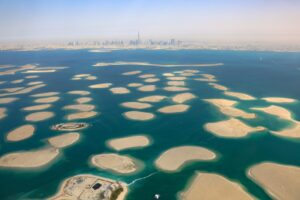
Sitting around 2.5 miles off the coast of Dubai in the Persian Gulf, The World Islands are a collection of smaller islands designed to replicate the world in miniature, with each island named after its corresponding country. First announced in 2003, The World Islands promised to be the next big thing in the luxury travel realm, with members of the global elite, including Richard Branson and the late Karl Lagerfeld, clamoring to have a piece of the action.
As is standard in the glittering city of Dubai, The World Islands are, of course, not a naturally occurring phenomenon; the man-made archipelago was created by Dubai-based development firm Nakheel Projects, a name associated with many high-profile projects across the region, including St. Regis Dubai, The Palm.
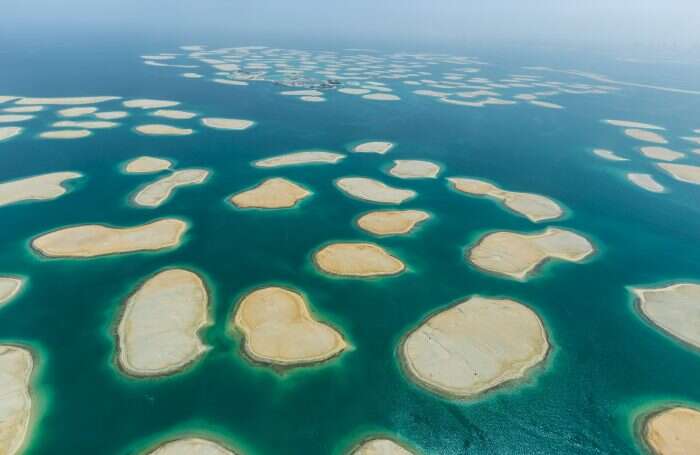
The artificial islands were created by dredging sand from the Gulf and transporting it to the designated spot, with several million tons of rocks used to keep it in place. In total, there are 300 islands in The World Islands, with each ranging from 250,000 to 900,000 sq ft. The entire collection covers some 5.4 miles across.
However, despite the buzz caused when The World Islands were first announced and the numerous individual island sales, the 2008 financial crash saw work on the ambitious development grind to a halt.
At this point, it was estimated that almost $15bn had already been spent, but just one island development was finished with the rest at varying stages of completion. Amongst the chaos of works halting, developers were also forced to deny rumors that The World Islands were sinking back into the ocean.
See also: The Michelin Guide Arrives in Dubai
Where The World Islands stand in 2026
While large swathes of the island archipelago remain undeveloped, the last few years have marked the most substantive stretch of progress in years, led by new openings, major partnerships, and renewed investor interest.
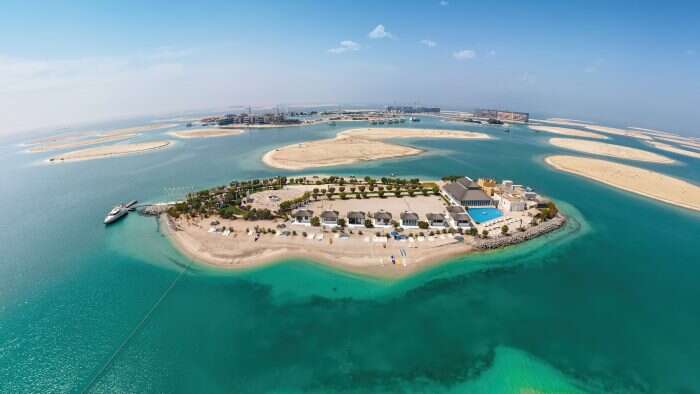
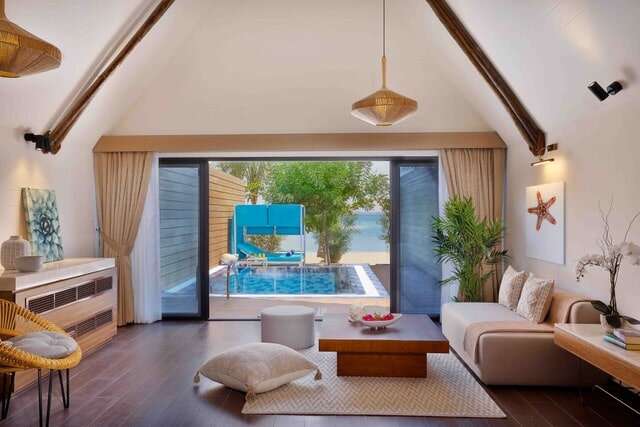
Anantara World Islands Dubai Resort remains the most visible example of The World Islands’ potential. The 70-room resort provides a private-island experience with white-sand beaches, water-based activities and several dining venues, accessible via boat transfer from Dubai’s mainland.
Adding to that hospitality momentum, InterContinental Resort Portofino, the Heart of Europe – developed in partnership between IHG Hotels & Resorts and the Heart of Europe project – is scheduled to open in early 2026. Inspired by Italy’s Ligurian coastline, the resort will feature over 460 rooms and suites, Mediterranean-style architecture and multiple dining concepts. It will also integrate the Heart of Europe Coral Institute, a marine conservation initiative focused on coral rehabilitation and research – a growing priority in sustainable luxury development.
Luxury residential developments are also gaining traction. Amali Island, a private enclave of 24 beachfront villas, has emerged as one of the most exclusive residential launches in the emirate, attracting both regional and international buyers. With panoramic sea views, private beach access, and bespoke design, these homes exemplify the appeal of private island living in a global city.
Beyond Amali, projects clustered under the Heart of Europe theme – including Monaco, Venice and Sweden-inspired islands – are advancing as mixed-use developments combining boutique stays with waterfront homes and curated leisure.
Visiting The World Islands, Dubai
For visitors staying elsewhere in Dubai who just want a glimpse at the fabled World Islands as opposed to an overnight stay, a visit to Lebanon Island – which was the only island to be completed when work on the project initially stopped back in 2008 – can be arranged. Guests can take a day trip to Lebanon Island where they can enjoy its beach club, swimming pool restaurant, and beaches.
The island is also available for exclusive hire for corporate events, weddings or private gatherings. It is also possible to organize boat tours around the deserted islands, with private yachts available.
See also: The 13 Best Restaurants in Dubai
Are The World Islands Dubai for sale?

For the most part, the development and purchase opportunities are a closely guarded secret. An old listing on Private Islands Inc for the entire collection harks back to when The World Islands was just an exciting concept, but at the time of publishing, there is only one individual island listed for sale.
Which island it actually is is not disclosed, but the listing advertises it as being 505,925 sq ft and undeveloped, with an asking price of $16m. While this may feel hefty considering the baggage associated with The World Islands project, if the Anantara resort lives up to expectations, the island could quickly increase in value.
Anyone wanting to own a slice of The World Islands can also look into private purchase opportunities within the Heart of Europe. The project is offering investors the chance to purchase either a second home on one of the resort islands, including luxury villas and mansions, as well as a highly exclusive selection of completely private islands, all of which will have the extensive amenities of the European-inspired hotels on their doorstep.
It’s important to be candid: The World Islands are not complete, and much of the archipelago still awaits infrastructure, permitting, and capital infusion before it reaches the scale once envisioned. Utilities, logistics, and construction timelines remain key hurdles.
Yet that is changing. The combination of Dubai’s luxury market strength, favourable tax policies, and global appetite for private islands and experiential travel has turned The World Islands from an idea on hold into a destination with real momentum.
Rather than becoming a densely populated resort zone, the archipelago in 2026 is evolving into a curated constellation of distinct luxury experiences, each with its own identity and audience. For those seeking true exclusivity – whether as a guest, buyer or investor – The World Islands now represent one of Dubai’s most intriguing and singular offerings.
See also: The Best Hotels in Dubai
Добавить комментарий