Ferrari’s controversial Luce has reignited the debate over whether EV can ever match the emotion, identity, and desirability of their combustion-powered predecessors.
The criticism has centered on three things: design, emotion, and brand heritage. Many enthusiasts feel the Luce‘s minimalist, Jony Ive-influenced aesthetic departs too radically from what a Ferrari is supposed to look and feel like. Critics have also questioned whether an electric model can deliver the sensory drama that has historically defined the marque.
Yet focusing solely on the design risks missing the bigger story. The backlash surrounding the Luce speaks to the challenge facing every luxury performance brand attempting to go electric.
In the days following the Luce’s launch, Lamborghini CEO Stephan Winkelmann defended the company’s decision to postpone its own EV ambitions and focus instead on plug-in hybrids, calling it «the right way to go». As Ferrari pushed ahead with a fully electric future, Lamborghini was effectively arguing that its customers are not yet ready for one.
See also: The Most Stylish Lap in F1 History? Gucci Joins Alpine as Title Partner
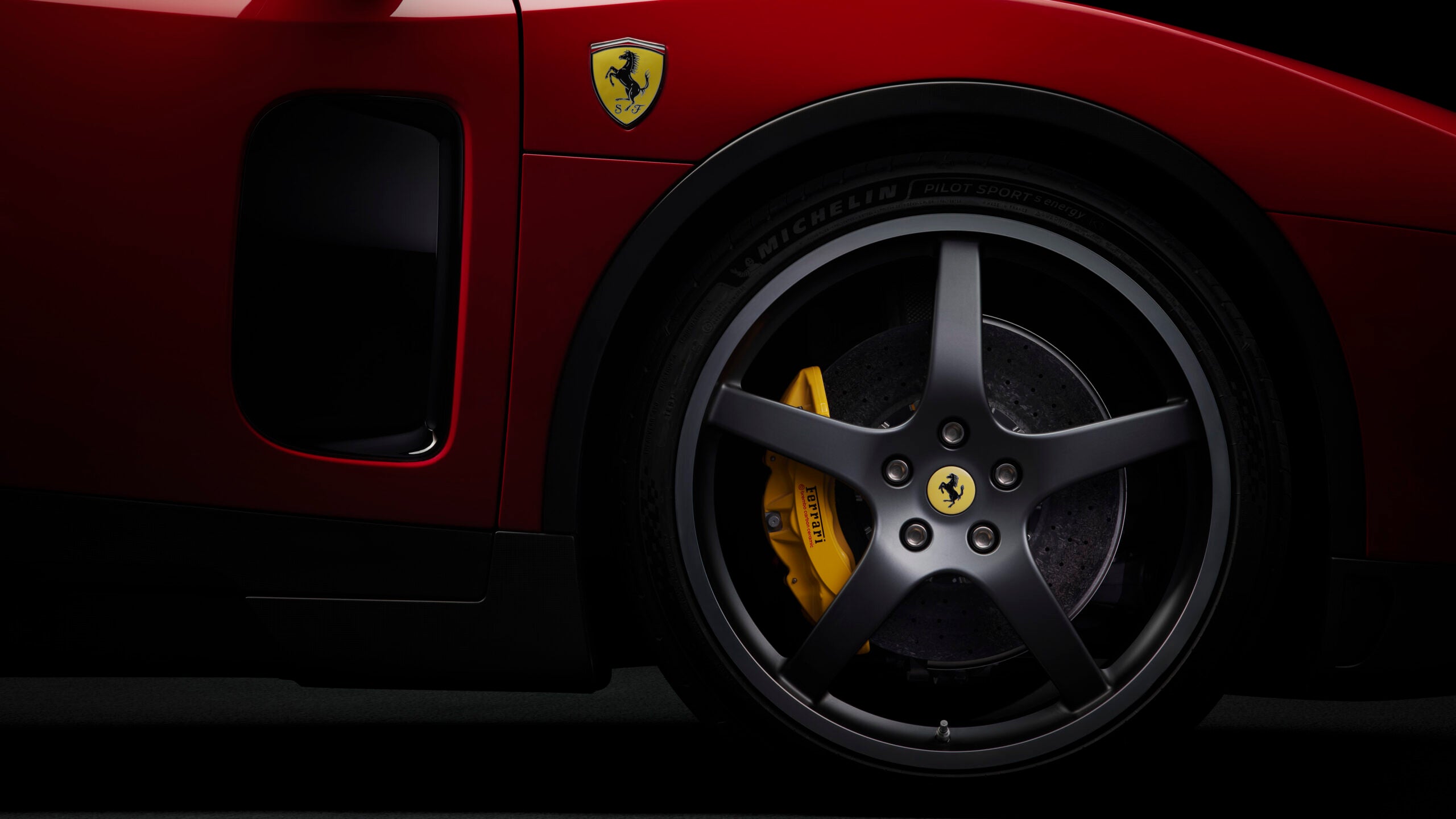
Car journalist Lawrence Ulrich believes much of the criticism has become fixated on the wrong issue. «I think [the Luce has] an interesting and appealing design. It’s just not a Ferrari. Ferrari’s have to be sexy, even if they’re SUVs or sedans. This car is a lot of things, but it’s not sexy. And it certainly doesn’t look Italian.»
As Ulrich points out, enthusiast reactions are often driven as much by nostalgia as innovation. «We have to remember, automotive enthusiasts say they want new things, but most are reactionaries, always preferring the old ways. They don’t want to lose the fabled gasoline engines they grew up with, and the designs that adorned their bedroom walls as teenagers; when you’ve been waiting your life to get a Porsche or Ferrari, you want what you want.»
See also: I Took Bentley’s $396,000 Continental GT For A Spin – Here’s What Stood Out
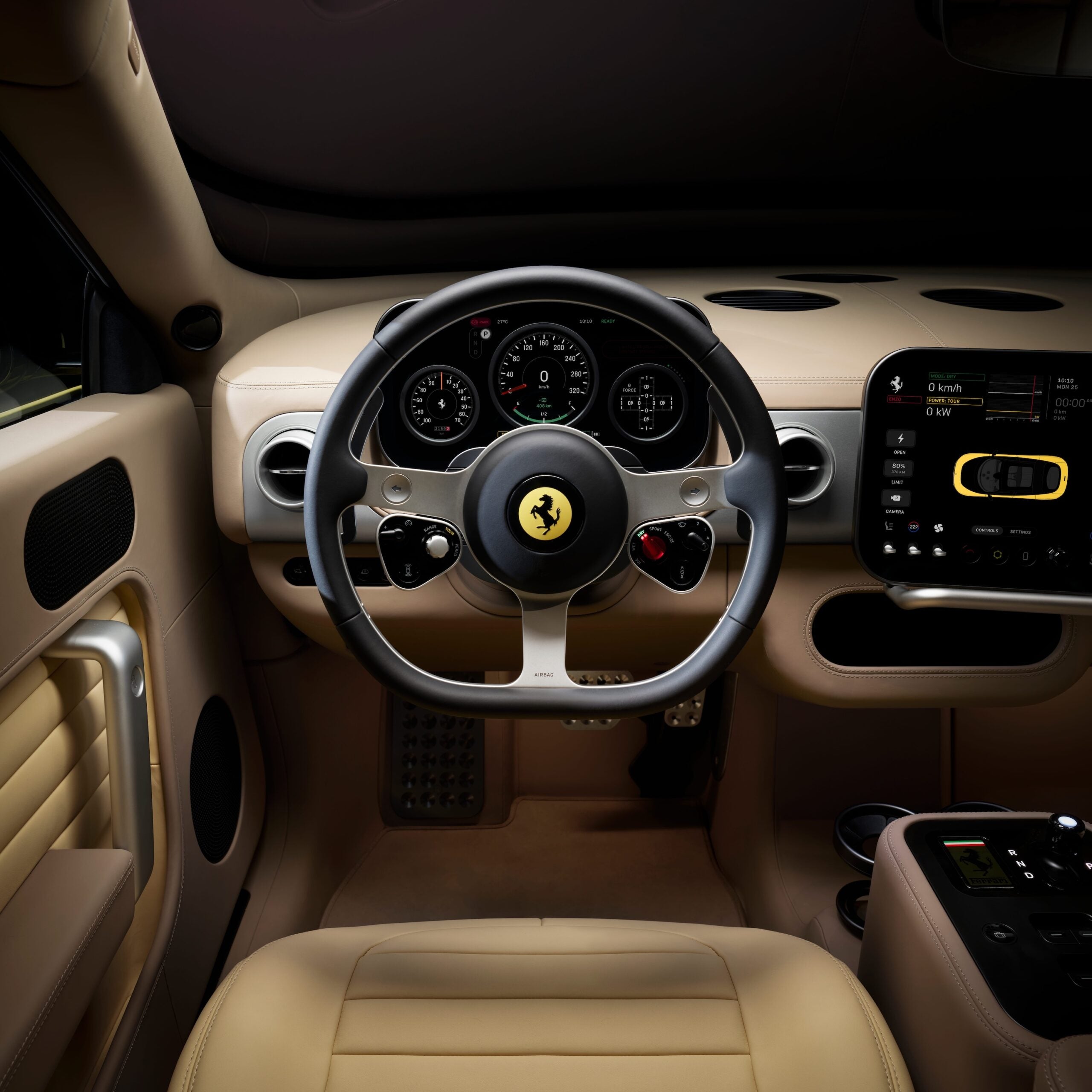
The Luce therefore exposes a broader problem. Luxury performance cars are sold on emotion as much as engineering. Remove the combustion engine and you remove a core part of the experience, leaving manufacturers scrambling to define what comes next.
There’s another complication, argues Ulrich. Despite often being discussed as a supercar, the Luce isn’t one: “it’s a liftback sedan with four doors. Not a sports car, or supercar, which points up the difficulty every automaker is having bringing electric sports cars to market. They still weigh too much, which hampers agile handling, and there’s nowhere good to stuff a bunch of heavy, expensive batteries, so it’s hard to give them decent driving range.»
Those limitations help explain why even brands synonymous with sports cars have struggled to deliver convincing electric replacements.
«We’ve only ever seen one genuine electric sportscar since the original Tesla Roadster: the Rimac Nevera from Croatia. There’s the China-built MG Cyberster, an actual electric roadster, but it’s been a real dud. Porsche is the benchmark here. They claimed an electric Boxster and Cayman would entirely replace the beloved gasoline model, but the project is stalled for the tech reasons I mentioned. If Porsche can’t pull it off, it’s going to be hard for anyone.»
Having said that, Ferrari was still able to prove that it can build a fast electric vehicle – the Luce, although not a ‘supercar’, delivers more than 1,000 horsepower and hypercar-rivalling acceleration – but it’s convincing buyers that an electric Ferrari can still feel like a Ferrari that seems to be the biggest challenge.
See also: Why Porsche 911 Restomods Are Every Collector’s Dream
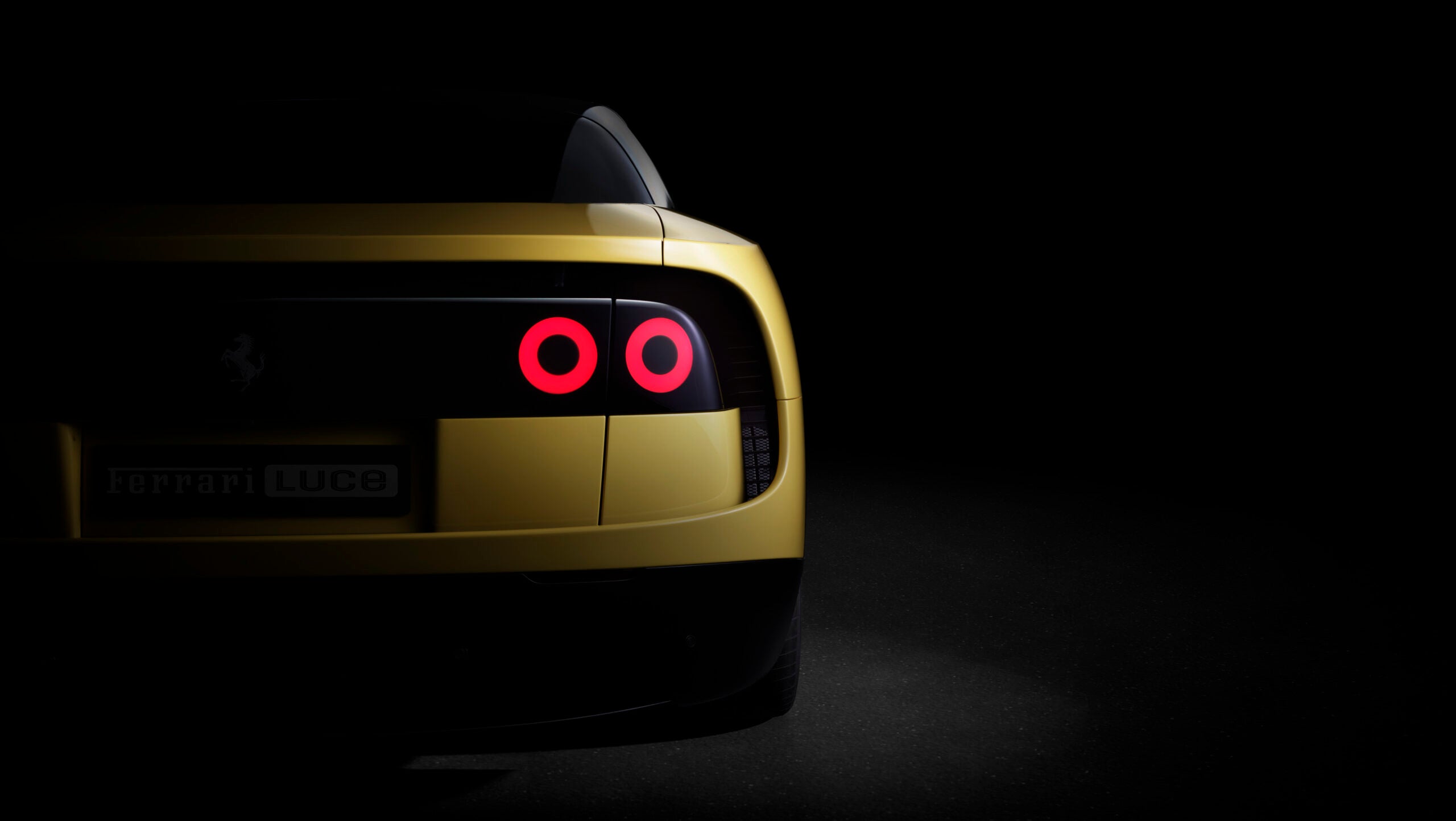
Viewed through that lens, Ferrari may simply be attempting to move faster than its customers – and perhaps the technology itself – are ready for. As Ulrich notes, automotive history is full of designs that were mocked at launch before becoming influential.
«There’s been a lot of piling on and schadenfreude over the Luce design. Plenty of groundbreaking automobiles faced massive criticism and blowback at their debut, and ended up being hits or hugely influential designs.»
Whether the Luce succeeds or fails, its significance lies elsewhere. It has become the first major test of whether affluent enthusiasts are prepared to embrace a fully electric performance car from one of the industry’s most revered brands.
That may ultimately be the real lesson of the Luce. The future of electric supercars (and electric cars in general, for that matter) won’t be determined by horsepower or acceleration figures, but by whether manufacturers can convince buyers that electric performance can be every bit as desirable as the combustion-powered dream they grew up with.
«If the Luce fails to sell, it won’t be due to the design – or not entirely. It will be because Ferrari’s traditional buyers just aren’t yet ready for a fully electric car. Which is why Lamborghini and other brands have backed away from EV plans. But check back in a decade, and the picture may be very different.»
Добавить комментарий