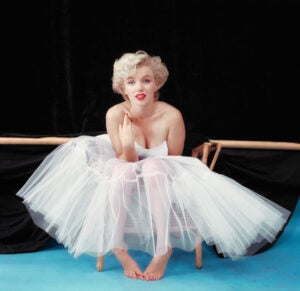
As Marilyn Monroe would have turned 100, a major new exhibition at the National Portrait Gallery looks beyond the blonde bombshell stereotype to reveal a savvy image-maker who understood fame long before the age of influencers.
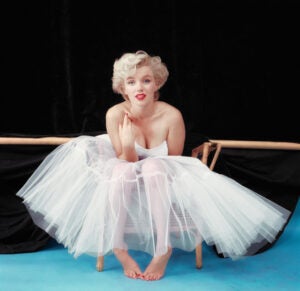
A century after her birth, Marilyn Monroe remains one of the most recognizable faces on the planet – a woman whose image has been endlessly reproduced, often to the point where the person herself seems to disappear beneath the iconography. Now, a major exhibition at London’s National Portrait Gallery, running until September, seeks to reverse that process.
Marilyn Monroe: A Portrait, staged in association with the Marilyn Monroe Estate, celebrates what would have been the Hollywood legend’s 100th birthday by examining her life, career, and enduring cultural legacy through portraits created by some of the most influential photographers and artists of the 20th and 21st centuries (Andy Warhol, Pauline Boty, and Marlene Dumas to name but a few).
The exhibition promises more than a parade of famous images. Instead, according to curator Rosie Broadley, it seeks to understand Monroe as an active collaborator in constructing one of the most powerful celebrity identities ever created.
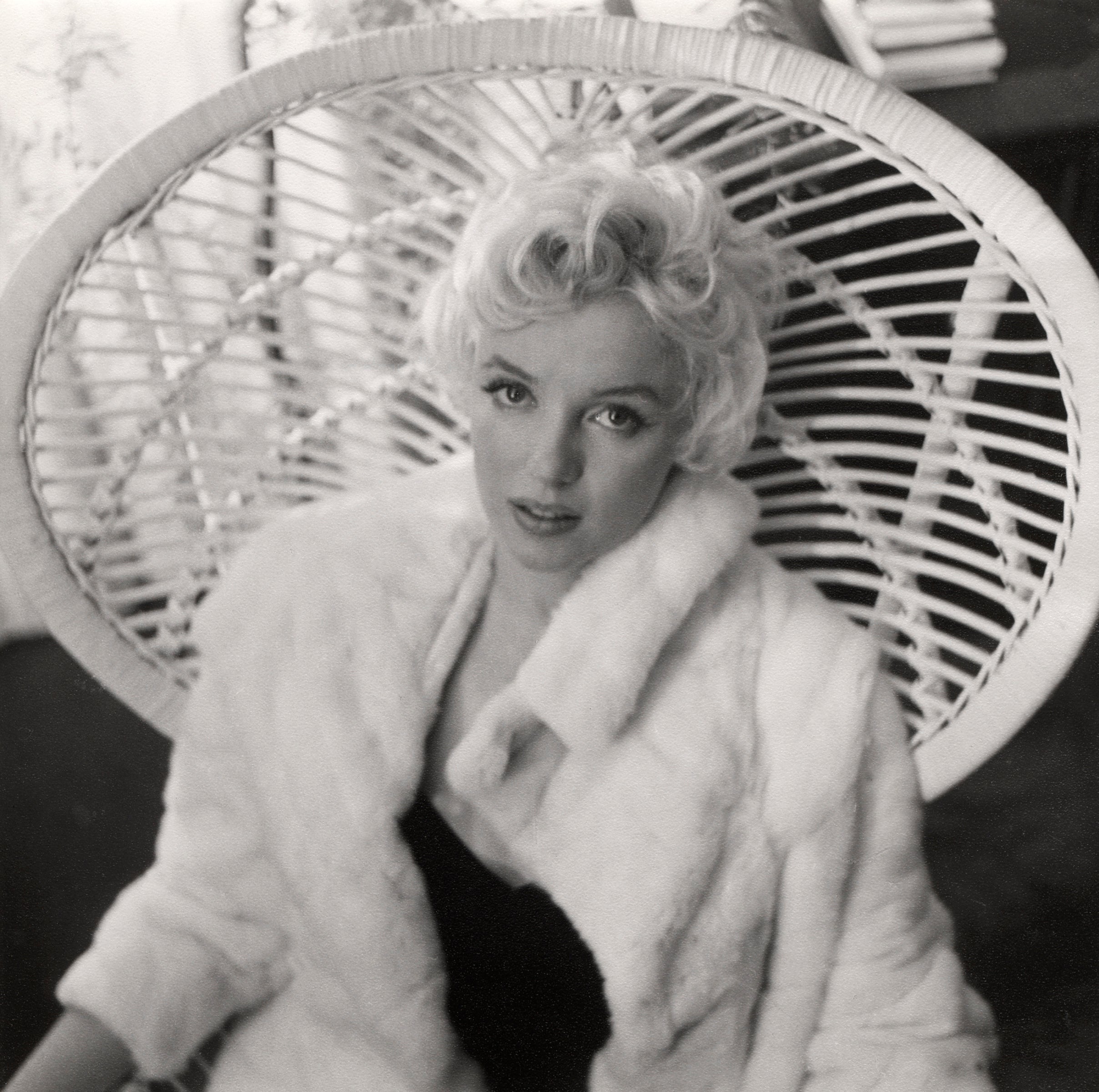
“This exhibition explores Marilyn through portraiture. We really wanted to think about how she is not just a subject for photographs,” Broadley explains. “We’ve become so used to seeing her image everywhere – proliferating on merchandise, for example – but we wanted to get back to those key images and how they were made, who made them, and what Monroe’s role was in making them happen.”
The exhibition reveals a woman far more strategically involved in her own representation than popular culture often allows. “Many photographers talk really interestingly about working with Marilyn,” Broadley notes, “how she understood the camera, how she understood how to pose, how she understood the technology and the techniques behind it, the lighting, all of those things.”
Alongside the photography, the exhibition examines Monroe’s influence on artists, charting how she evolved from movie star into cultural symbol. While many visitors will immediately think of Warhol’s famous silkscreens, Broadley was surprised to discover that artists were depicting Monroe while she was still alive. “Those [pieces of art] attest to the fact that actually in her lifetime, she was a pre-eminent cultural figure,” she says, noting how Monroe’s rise coincided with the emergence of Pop Art and a rapidly expanding media landscape.
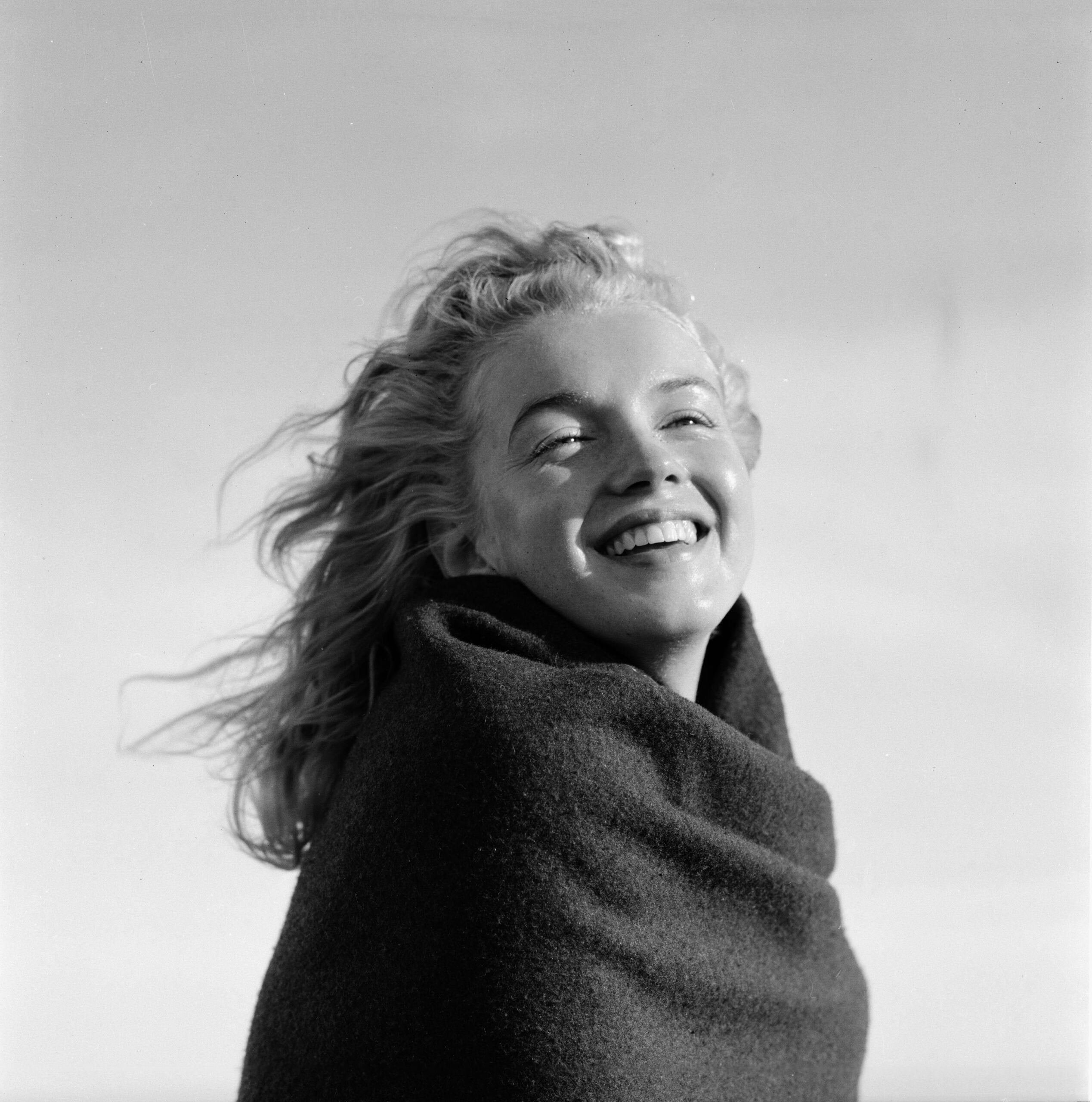
The exhibition’s journey begins with its most intimate object: a tiny photo booth self-portrait taken when Monroe was just 15 years old and still known as Norma Jeane Mortenson. “There’s no photographer there,” Broadley explains. “It’s entirely unmediated. It’s Marilyn on her own.” The image captures a teenager experimenting with glamour, testing a future persona without yet knowing the global phenomenon she would become.
On the opposite wall sits a late Warhol portrait, produced towards the end of the artist’s career and striking contrast to Monroe’s own self-portrait. “It’s almost as far away from a little girl as you could possibly get,” says Broadley. “[Warhol plays with this] idea of the mask of celebrity that Marilyn seemed to embody.”
The wider exhibition follows the transformation of Norma Jeane into Marilyn Monroe, the machinery of fame that helped make it happen, and ultimately, her death.
See also: What to Do in London During the Day
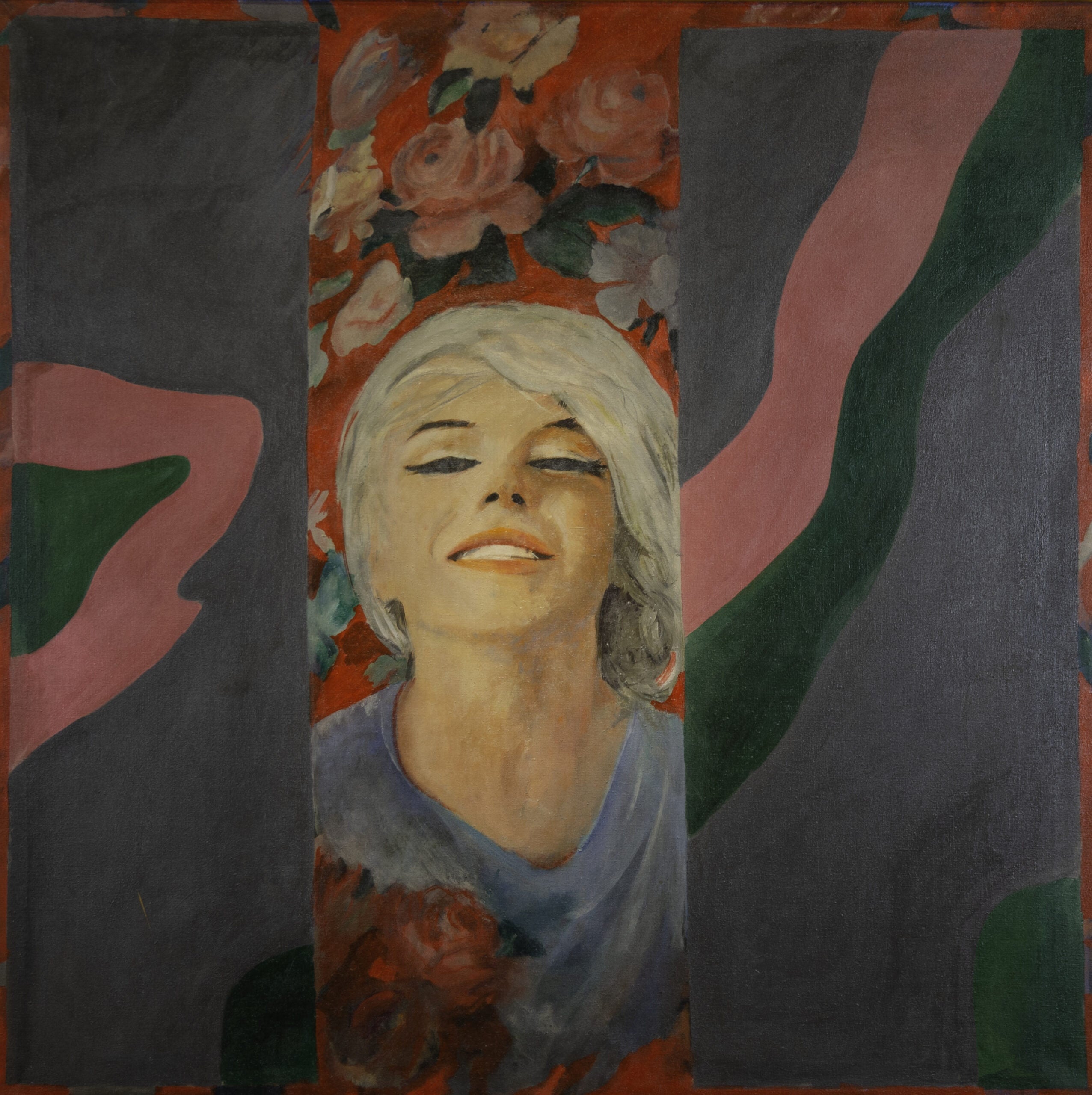
Yet for all the discussion of celebrity and mythmaking, the exhibition repeatedly returns to the human being behind the legend. “We hope that you begin and end with something really joyful,” Broadley says. “Because that was one of Marilyn’s amazing abilities and qualities, was that whatever was happening in her life, she was always able to express this amazing sense of joy, even in spite of the challenges.”
To reinforce that humanity, the exhibition includes a selection of personal belongings, including scripts, shoes, and dresses. Among them is a costume worn in The Prince and the Showgirl, filmed in Britain, as well as a glamorous gown that Monroe adopted for public appearances after it went unused on screen.
“It’s nice to always remember that behind these images is a real person and a woman with a beating heart,” Broadley reflects.
The irony, however, is difficult to ignore. Having spent an entire exhibition encouraging visitors to look beyond the icon, the National Portrait Gallery deposits them straight into a sea of Monroe merchandise in its gift shop. Tote bags, postcards, and collectible books await, reminding us that Marilyn remains one of the most marketable faces in modern history. If the exhibition reveals anything, it is that the woman and the myth remain inseparable. Everyone wants to know the real Marilyn – provided she comes printed on something tangible.
Добавить комментарий