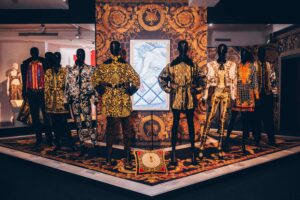
With 450 creations, sketches, photographs, and objects belonging to the fashion house founder on display, we speak with the lead curator on bringing the late designer’s world back to life.
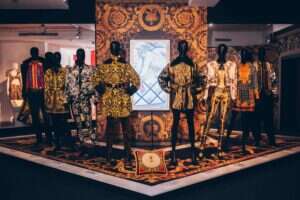
“You will find me in my work,” reads the Gianni Versace quote that greets visitors at the newly opened retrospective at the Musée Maillol in Paris. For curator Karl von der Ahé, the quote acts as both introduction and invitation, encouraging visitors to discover the man behind the Medusa through the creations he left behind.
“Our exhibitions are first and foremost emotional experiences – emotional, authentic, and very close to the individual,” he tells Elite Traveler ahead of the opening of Gianni Versace Retrospective on June 5. “This is about a man, his products, and his personality. It is not about the brand; it’s about the person.”
To tell that story, von der Ahé and fellow curator Saskia Lubnow have assembled 450 original creations, accessories, sketches, photographs, and decorative objects, creating one of the most comprehensive exhibitions dedicated to the late designer.
The retrospective has already traveled across Europe, with previous stops in the Netherlands, Poland, Germany, Sweden, Spain, and, most recently, London. But Paris is not simply a repeat performance: “That would be very boring for us.” For its latest incarnation, the exhibition has been expanded with new acquisitions, reworked scenography, and a renewed focus on Versace’s relationship with the French capital.
See also: What To Expect From Schiaparelli’s First UK Exhibition
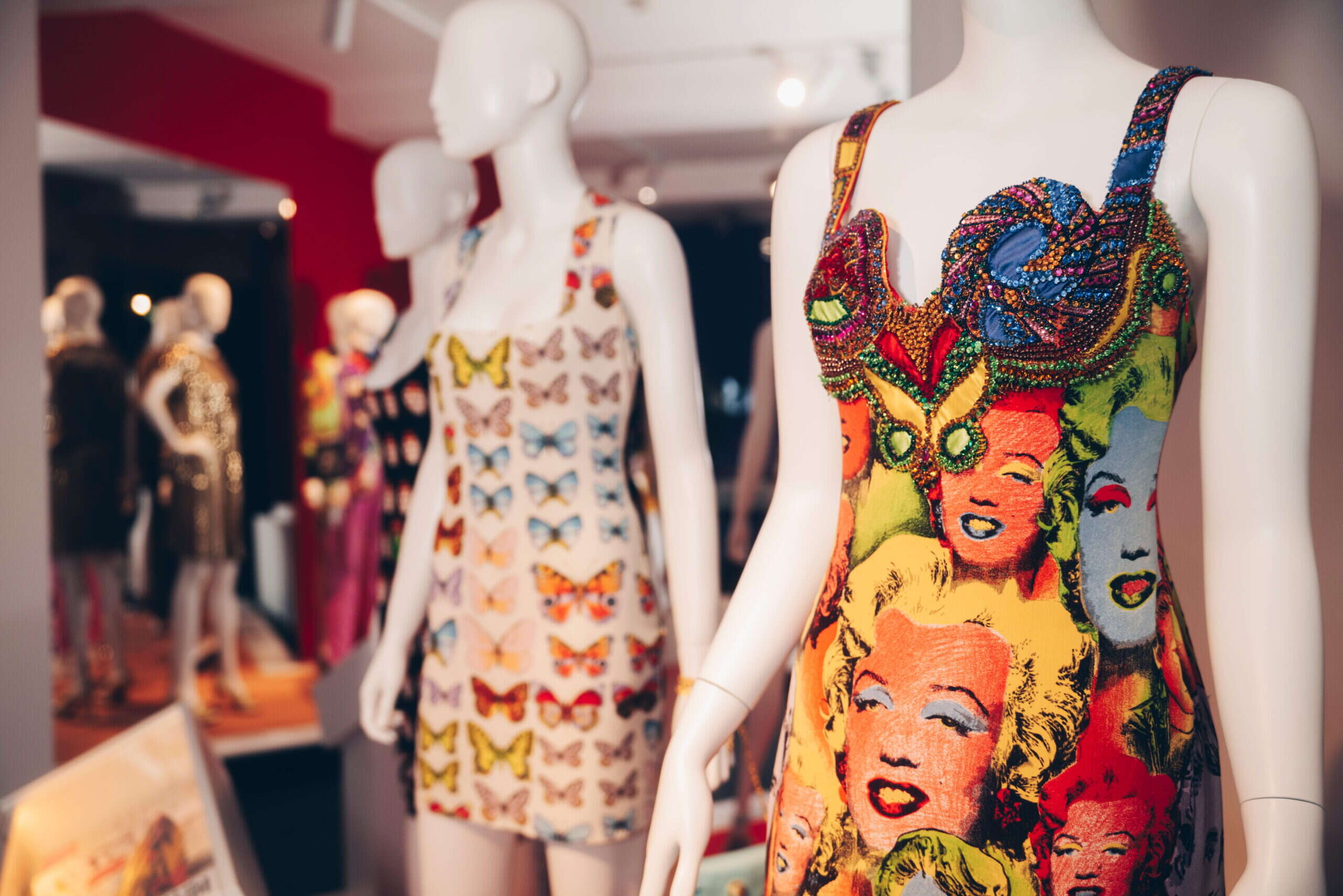
Among the additions are a dress worn by Grace Jones that has not been publicly displayed since the late 1980s and the Marilyn Monroe-motif dress immortalized by Madonna in a Mario Testino photograph taken at Mar-a-Lago.
“It’s a very important piece for understanding how Gianni Versace worked with art history,” says von der Ahé of the latter. “I think it’s one of the most important pieces in the exhibition.”
The additions are particularly fitting for a city that, according to von der Ahé, sits at the heart of the designer’s story. «Paris is the city of fashion, and we talk about [Versace’s] relationship to Paris and to France,» he explains. «The whole exhibition is built around the idea of a catwalk, because, for him, Paris was the place to show.»
The Musée Maillol has been transformed accordingly. Runways cut through the galleries, guiding visitors through a dozen thematic chapters that trace the designer’s inspirations, from the bold modernism of the 1980s to the exuberant black and gold Baroque motifs that would become synonymous with the Versace name, before culminating with references to the designer’s final Paris show.
Bringing that vision to life, however, required far more than clever scenography. Many of the exhibition’s most significant pieces remain in private hands, and convincing collectors to part with them can be a delicate process.
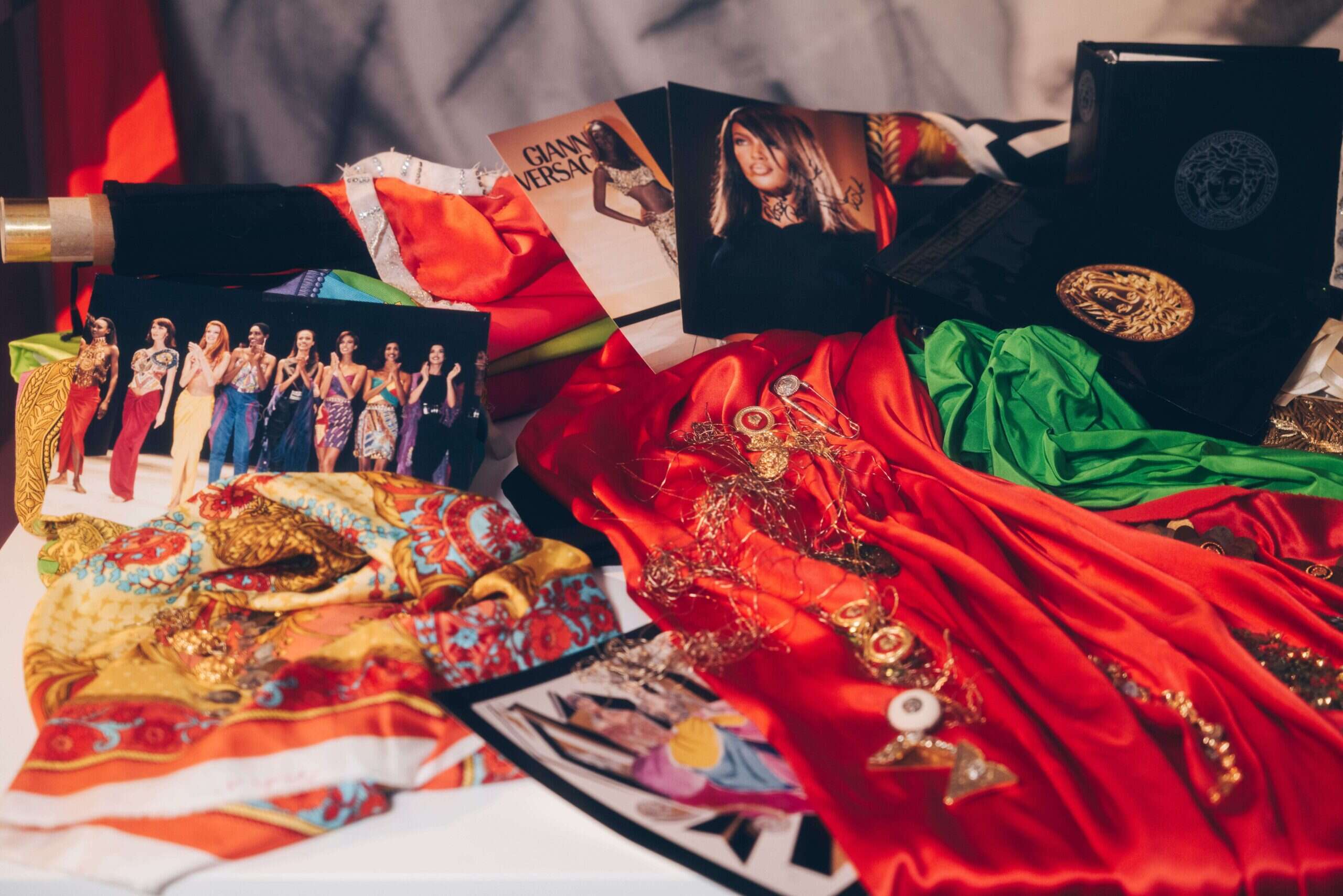
«It was hard to convince the seller that we absolutely needed this Grace Jones dress,» von der Ahé admits. «People have a very emotional relationship with these pieces. It’s not about fashion or money; it’s often about emotions and memories connected to them. But when we show these pieces in an exhibition like this, we bring them back into the light,» he says. «If a piece is hanging in a wardrobe at home, it’s hidden from the public. Here it comes back into public view.»
That collaborative spirit has become one of the defining characteristics of the retrospective. Collectors are invited to openings and given the opportunity to see their pieces in a new context around preserving the designer’s legacy. «It’s a kind of very Italian la famiglia,» says von der Ahé. «Everyone connected through Gianni Versace.»
Preserving that legacy has required drawing a firm line around the period the exhibition examines. Though Donatella Versace would go on to guide the company for nearly three decades following her brother’s murder in 1997 – before standing down last year and passing the role to former Alaïa alumnus Pieter Mulier – this retrospective remains focused exclusively on her brother.
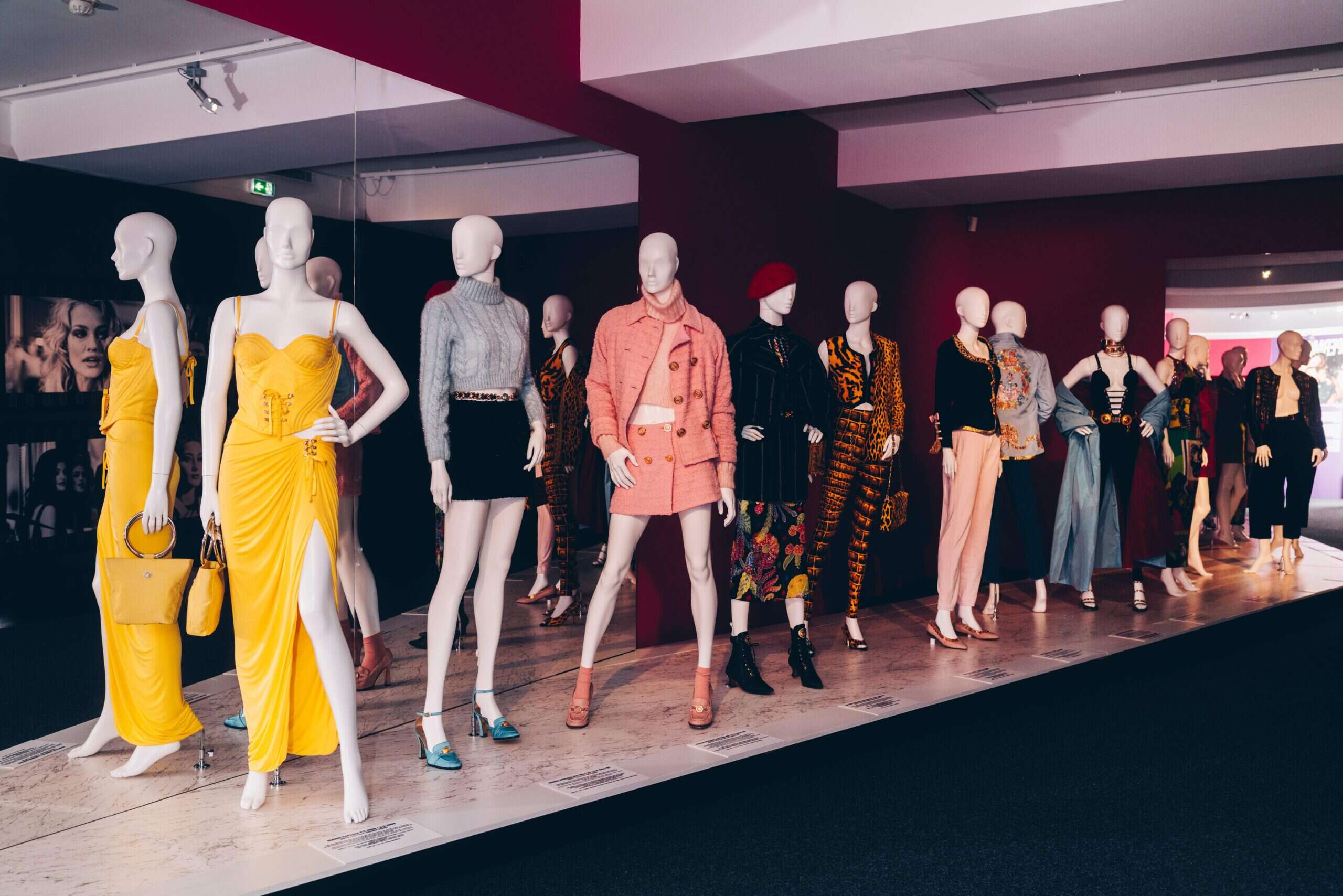
«It is very sensitive,» says von der Ahé. «We are talking about the period up until July 15, 1997. What he created up until 1997 and the collections for 1997-98 are the final point of our story. We don’t work with anything after that.»
It’s for that reason, according to von der Ahé, that the Gianni Versace Retrospective is not officially affiliated with the Versace company or family – although the curator stresses that both remain aware of the project and supportive of its aims. The distinction, he says, allows the exhibition to focus on the man rather than the mythology that has accumulated around the brand in the decades since his death.
«We are showing something from a time when the brand itself was not the most important thing,» says von der Ahé. «Quality, personality, and family were more important.»
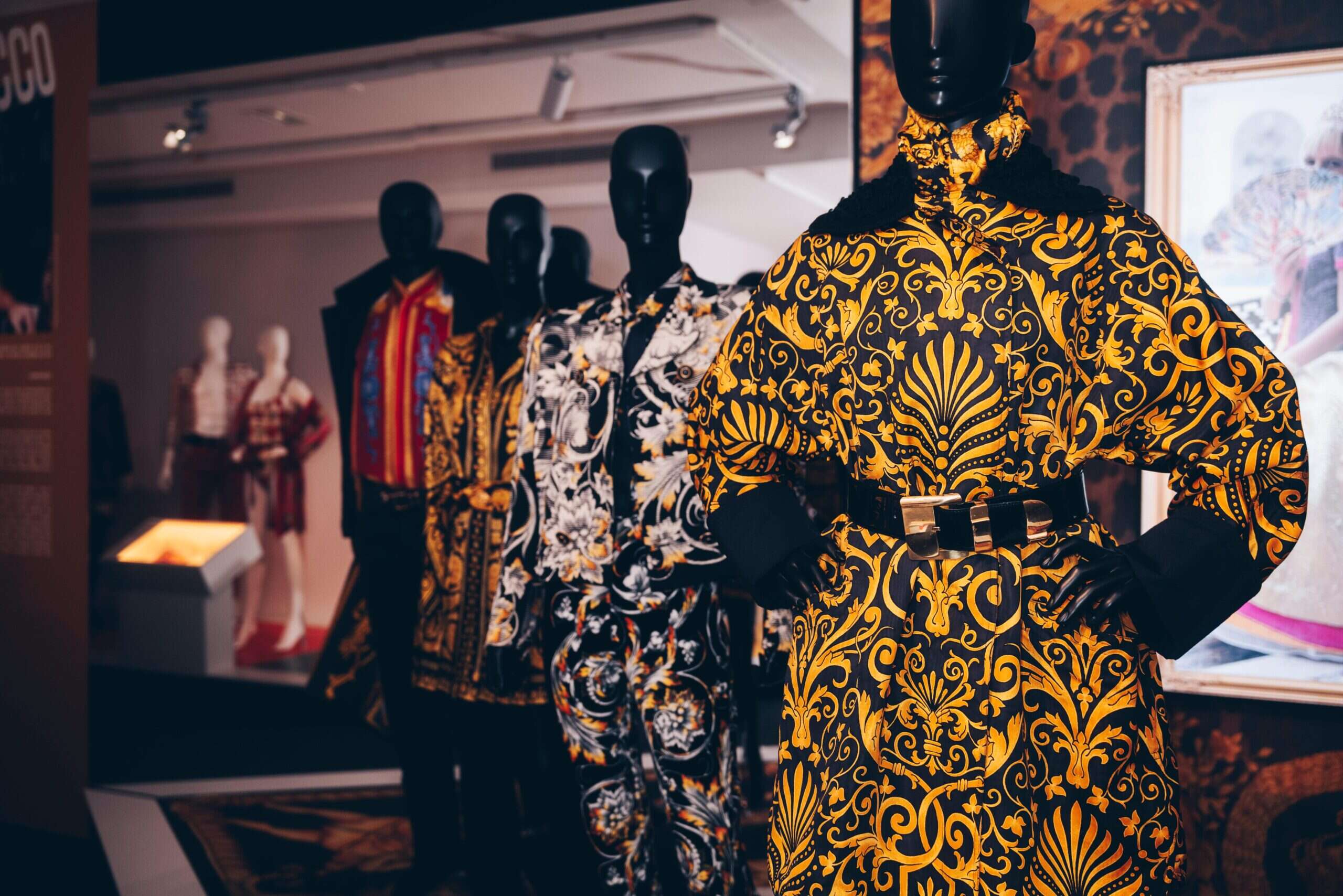
In many ways, that focus feels particularly timely: at a moment when fashion houses are undergoing rapid leadership changes and the industry is increasingly questioning what luxury means in the age of algorithms, influencers, and relentless marketing cycles.
While von der Ahé stops just short of positioning the exhibition as a critique of contemporary fashion, the comparison is difficult to ignore. «The fashion industry is actively searching for a new starting point,» he says. «We hope people, even those from the fashion industry, coming to this exhibition feel [that] this is a certain substance needed to be relevant.
Добавить комментарий