Non-alcoholic spirits are growing – but the ones that stand out aren’t trying to copy alcohol at all.

You’ve probably seen the recent controversy involving Diary of a CEO host, Steven Bartlett, who went viral after claiming that two glasses of wine had effectively «ruined» the following three days of his life.
Bartlett described a “domino effect” that disrupted his sleep, nutrition, wellbeing, and podcasting abilities, attributing it to alcohol’s impact on his dopamine and cortisol levels. The claims sparked many a conversation, with some accusing him of «killing fun» and reigniting broader questions about the limits – and occasional excesses – of today’s optimization culture.
Whatever your view of that mindset, the conversation highlighted a clear trend: public awareness of alcohol’s potential health risks is growing. As more people rethink their drinking habits, interest in alternatives such as non-alcoholic spirits has risen alongside it.
See also: The Secret to the Perfect Pimm’s

For those looking to cut back, non-alcoholic alternatives are plentiful these days. But are they any good? One expert (who would rather not be named) described them as “all just water and herbs.”
Millie Milliken, author of Tequila: A Tasting Course, agrees: «Non-alcoholic spirits that try to mimic their full-proof predecessors are giving themselves too tough a task. When you remove alcohol, it is almost impossible to replicate the texture, flavor and nuance that drinkers are expecting from, say, whisky, rum or gin.”
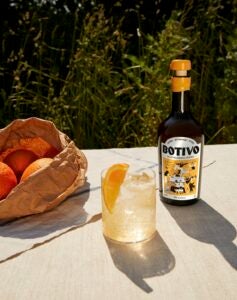
But there is hope. Milliken points to Botivo as one of the UK’s most successful examples because it doesn’t try to imitate alcohol at all (“it’s a herbal and zippy base for the likes of spritzes,” she says). She is also a fan of Sylva, created by the founder of Seedlip, and describes it as a celebration of malted barley and British wood. She suggests drinkers keep an eye on products featuring adaptogens, particularly Three Spirits’ three expressions that can enhance or relax mood, depending on what you’re seeking.
Kara Newman, a food, wine and spirits writer based in New York, shares a similar sentiment: “I’ve tried a lot of non-alcoholic bottlings and most of them are… okay.” But she is a fan of Pathfinder. “It’s made in the style of an amaro, so it’s complex and bittersweet.”

If you’re out at a bar, say, at London’s Connaught Bar, you might be served by Giorgio Bargiani, the director of mixology who has just been named winner of the Altos Bartenders’ Bartender Award 2026 for the inaugural edition of Europe’s 50 Best Bars.
See also: The Best Martinis in the World, According to the Experts
He’s noticed an uptick in guests ordering low- and non-alcoholic cocktails, and credits this to supply and demand — “it’s an undeniable trend that is only going to increase as we all shift towards greater quality of products and experiences.”
He says that he can find tasting notes that replicate those of specific botanicals or base ingredients of distillates and liqueurs. His preferred bottles? “There are several I use, including Sipsmith Freeglider for its freshness and crispy aromas, or the Three Spirit range which is super versatile and enables all sorts of modifier results in a cocktail.”

Aurélie Panhelleux, co-owner of CopperBay at the Lancaster Paris (and the pioneer of ‘liquid gastronomy’ where chef-like methods and ingredients are used in creating cocktails) thinks that non-alcoholic spirits are well established enough, and well evolved enough, that the category deserves its own name.
Her top picks are Citadelle’s 0.0 gin, Adriatico’s alcohol-free amaretto, and Giffard’s alcohol-free grapefruit liqueur. “Each of them has successfully met the challenge of preserving the profile and structure of the alcoholic version, without the alcohol,” she says.
The general consensus seems to be that non-alcoholic spirits don’t quite cut it when they try to mimic their alcoholic counterparts. But when something different is on offer – new flavors, textures, and profiles – they’re proving worthy of a place in your bar cabinet.
Добавить комментарий