Increasingly, developers are investing in something residents and guests can’t see.
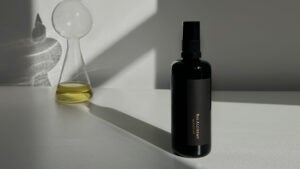
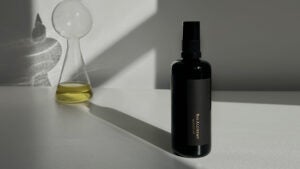
As luxury consumers push back against a growing sense of sameness across hotels, residences, and restaurants, brands are turning to scent to shape how a space feels. Bespoke scent, once the domain of private perfume collections and royal commissions, is now becoming a defining element of luxury design.
«Buyers’ expectations for luxury homes have absolutely changed. The most forward-thinking residential projects today are integrating circadian lighting, advanced air purification, acoustic engineering, biophilic design, and bespoke fragrance programs into a holistic wellness ecosystem,» says Marco Beltrame, investment manager at Bizzi & Partners, the Milan-based international real estate company behind The Greenwich by Rafael Viñoly.
“Luxury developers can no longer design for looks alone. Buyers understand, even if subconsciously, that their environment shapes how they feel, and they expect that every layer of a home, including the ones you can’t see or touch, has been considered with the same rigor as the architecture itself,” he says.
Few people know this better than Michelle Gagnon, founder of Bio Alchemy Olfactive. Gagnon has become the person luxury hospitality brands and residential developers turn to when they want a property to have its own olfactive identity. Her work spans five-star hotels, private residences, and residential developments, including The Greenwich.
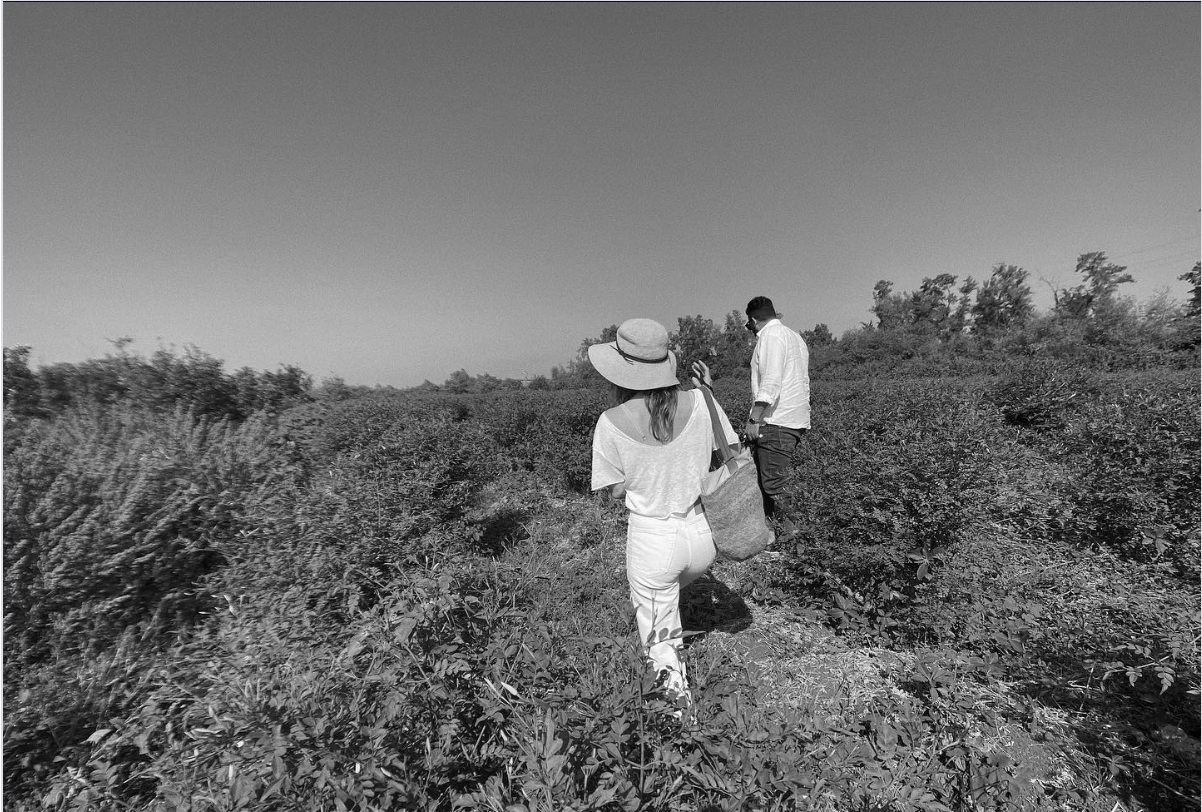
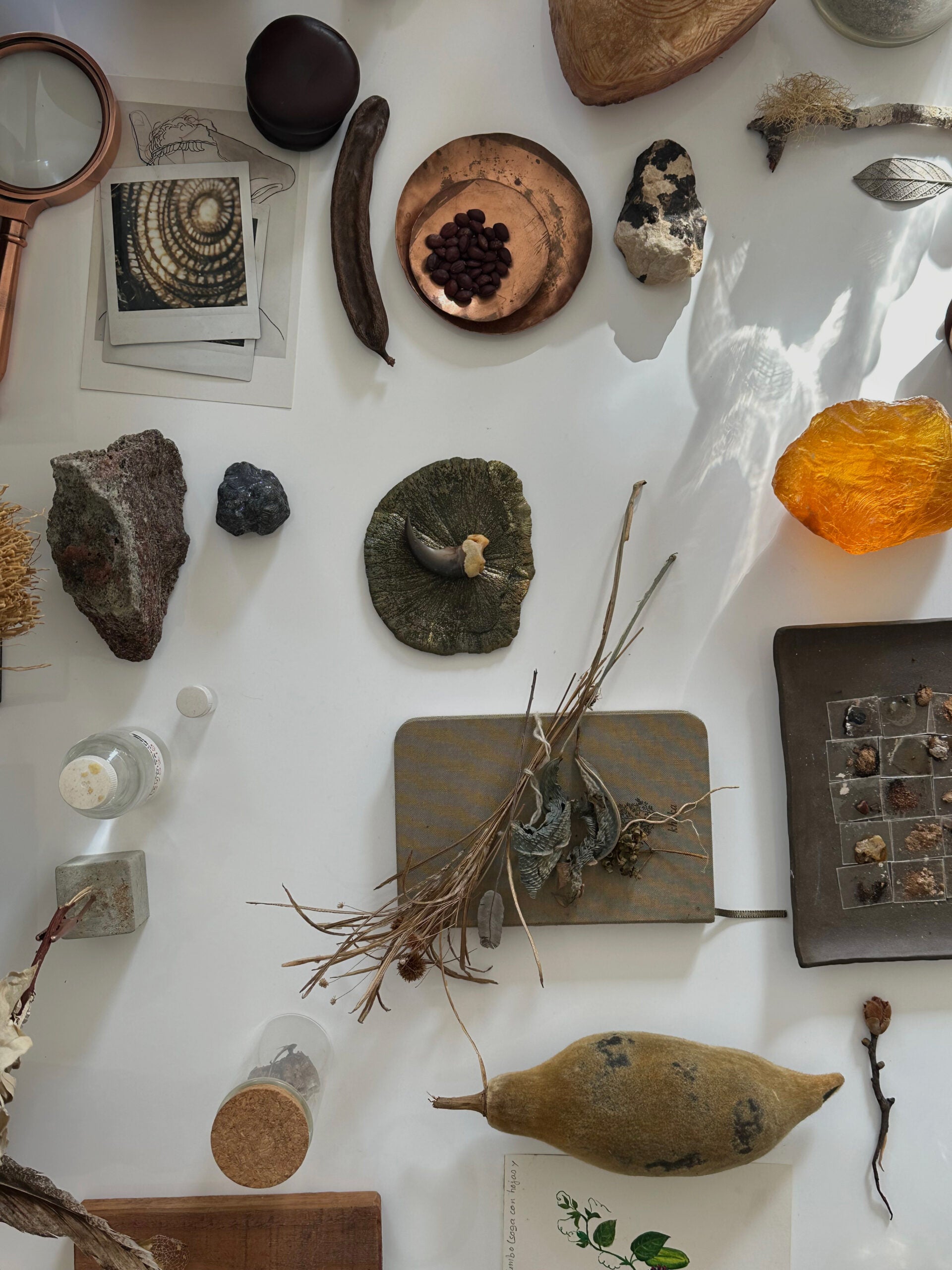
But unlike traditional perfumers, Gagnon’s journey into fragrance didn’t begin in Parisian perfume houses. Originally from Connecticut, she was raised surrounded by nature, an upbringing that continues to shape every aspect of her work today. «I grew up in the woods. I’ve always had a very deep passion and connection to the natural world, and to harvesting – whether that’s berries, plants, or wildflowers.»
That fascination eventually led her into aromatherapy, nasal kinesiology, distillation, alchemy, and aromatic design, spending more than two decades traveling the world to work with farmers, distillers, and local communities in search of exceptional botanicals.
For Gagnon, luxury in scent has little to do with exclusivity or branding. «True luxury in the aromatic space is working with the natural world. These materials are by far the most precious, the most laborious to obtain,” she says.
She believes that the best scents begin long before a fragrance reaches a bottle, with the care required to cultivate and harvest the world’s finest natural ingredients. «Each ingredient is cared for and loved. They’re handpicked at a very specific time of the day in the very specific peak of their season – you don’t choose a flower that’s too open or a flower that’s too closed.
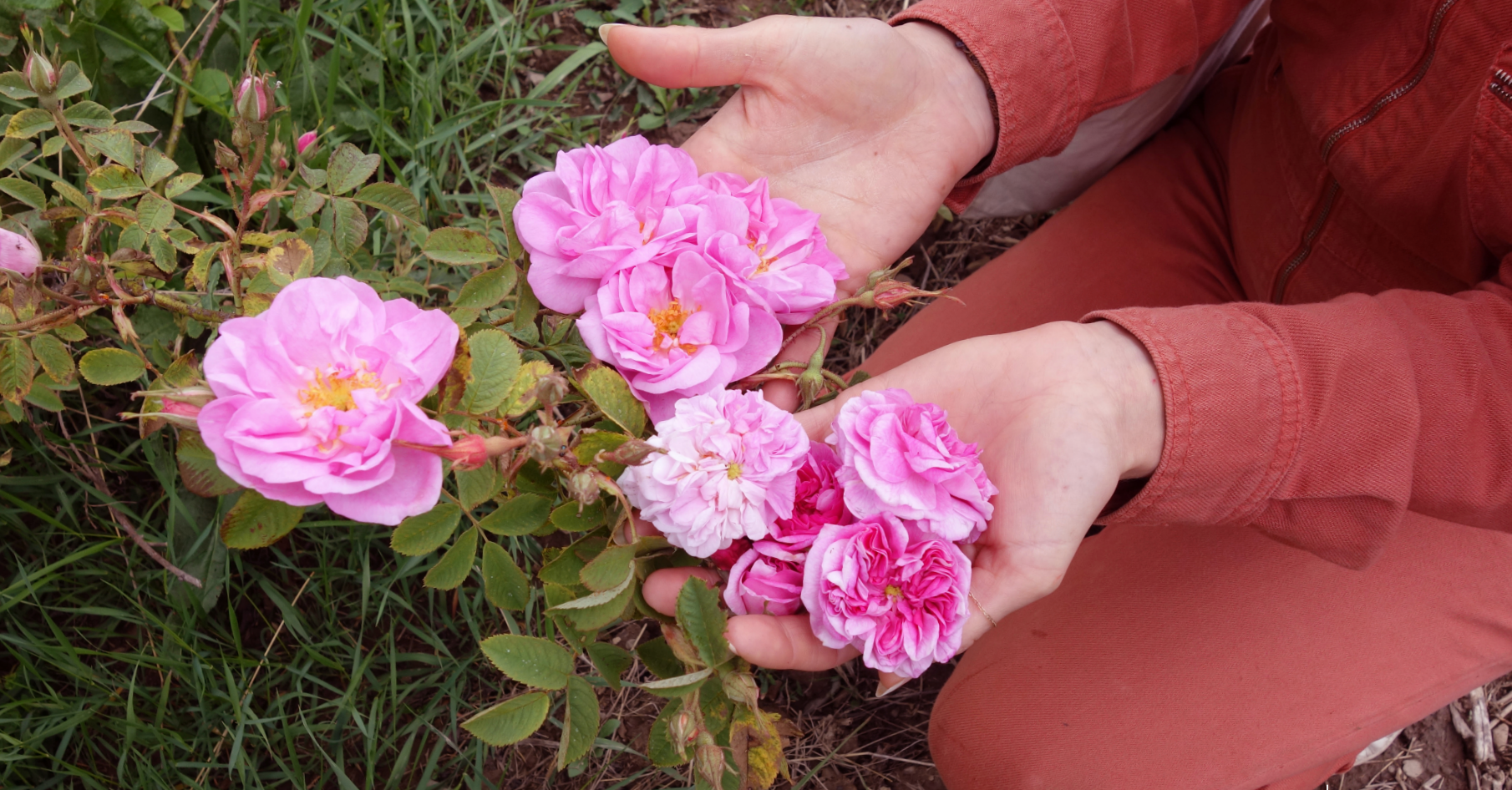
«That magic, that time, that care, that consideration, that love for what’s happening is so exquisite and so difficult to find. And for me, that is luxury.»
Her study of nasal kinesiology, aromachology, and scent therapy – disciplines that explore how fragrance influences the nervous system, cognition, and emotional wellbeing – means that for Gagnon, fragrance is never simply about creating a pleasant smell. Every botanical is selected for how it affects the mind and body. «I’m in pursuit of the highest quality natural aromatics because I wanted them to function. I wanted to use them for their efficacy, not just because they smell pretty,” she adds.
Certain botanical compounds have been shown to promote relaxation, improve sleep quality, and trigger memory, meaning fragrance can shape how people experience a space long after they’ve left it. «This is sort of an intranasal medication. Whatever we smell – it can be a poison, it can be a medicine – we smell with our brains. It’s about understanding human perception, the brain and the effect of these ingredients on the brain.»
«There’s a rhyme and a reason to what the ingredients are. Nothing is random that we’re developing in the lab. And so that’s how we know it’s going to work,” she says.
Rather than treating sight, sound, scent, and touch as separate elements, Gagnon says they should work together to create a unified experience. «I believe they operate as one unit, and not necessarily independent of one another. I think real quality design is not just ‘What are we looking at?’ or ‘How does this fabric feel?’ but it’s how they are all happening in sync with each other.»
It’s an approach that is increasingly resonating with luxury hospitality and residential developers, as the industry looks beyond visual impact to create spaces that leave a lasting impression.»I think that now more than ever, designers, developers, and hospitality spaces are really looking to touch on the five senses.»
«Everybody is looking for experiences that are unique. In a world where everything is now so available and saturated, we seek novelty, and we are looking for magic,» she adds.
«Smell is such a direct link to memory and emotion. It is a profound way to impact the experience somebody has in a place, space, or time. People are looking for a deeper connection to places.»
Science supports that idea. Smell is processed in the limbic system – the part of the brain responsible for memory and emotion – which helps explain why a familiar fragrance can instantly transport us back to a specific place or moment.
«Understanding that intimate connection between scent, emotion, and memory is powerful, and it’s integral to the work that we’re doing. We are not just creating a place that smells good – it’s so much more than that.»
That philosophy shapes every project Gagnon takes on. «I would never ask a client, what would you like this place to smell like? I ask, how do you want people to feel in this space? Why have we chosen these materials? Why this color palette? It’s less about how it smells and more about how it feels.»
From there, the fragrance is designed to complement the architecture. «When we’re working with designers, we think a lot about materiality and how that translates. A dark space with lots of black or dark grey and deeper colors should smell very different to a space with lots of glass, white, and cool marble. And it should not just smell different, but it should feel different.»
That process was central to her work on The Greenwich by Rafael Viñoly, where scent was treated with the same level of consideration as the building’s architecture and interiors.
Rather than creating one fragrance to represent the entire property, Gagnon developed different scent profiles throughout the building, each designed around the purpose and feeling of the space. “I never want to just say one scent for the whole space. For me, that feels flat,” she says.
Beltrame agrees: “Luxury clients are sophisticated. They want environments that bring out the best in themselves, whether the moment calls for relaxation or rejuvenation. A single scent simply couldn’t serve those different states of being.”
For the treatment rooms in The Greenwich, Gagnon focused on grounding and relaxation, working with ancient aromatics traditionally associated with calm and meditation. “We developed a custom scent just for the treatment rooms, which prioritized addressing the nervous system. We worked with different ancient aromatics – temple aromatics of sandalwood and frankincense and resins that are really calming, soothing and grounding.”
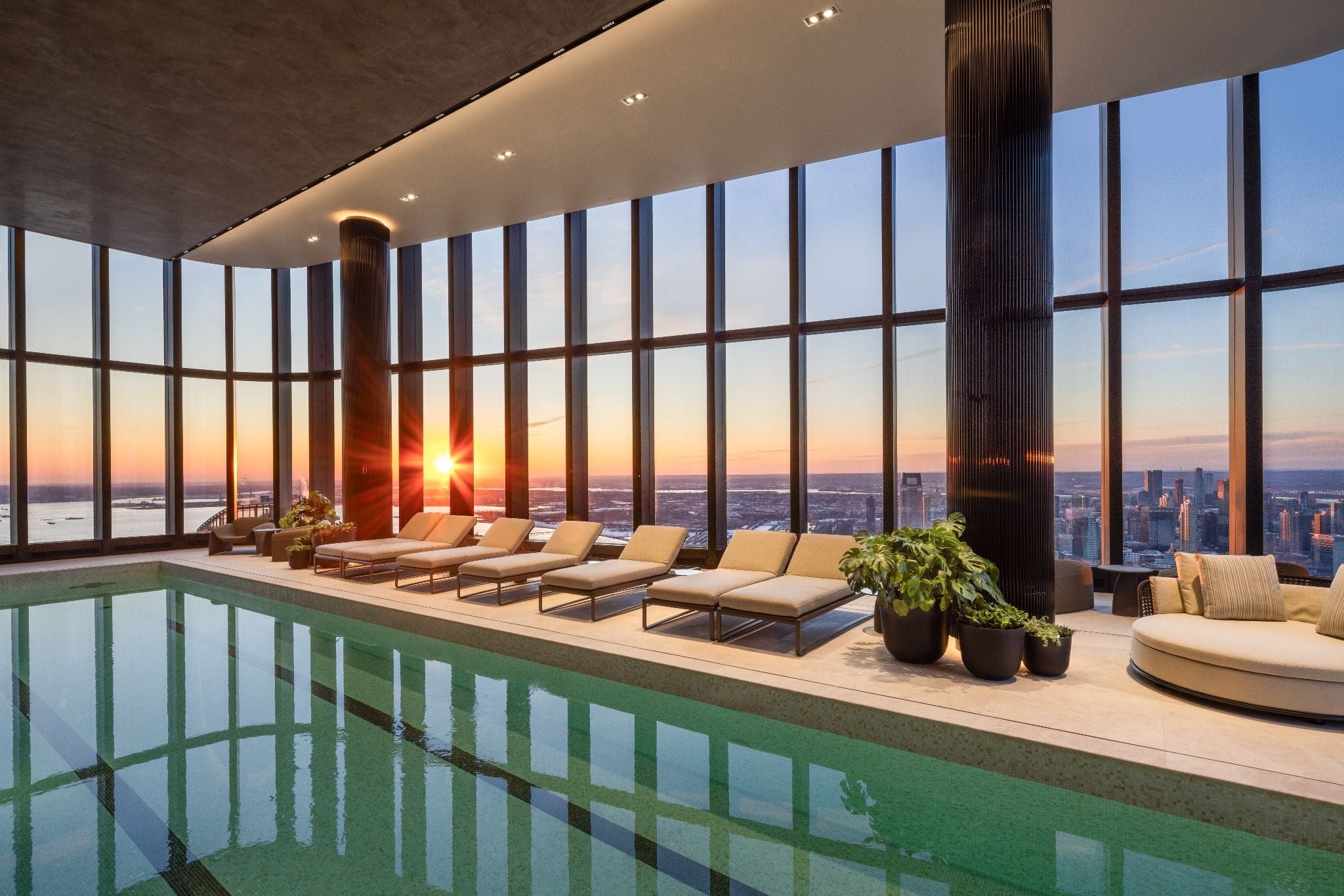
The fitness space required a different approach. Located on the top floor with expansive views, Gagnon wanted the scent to support energy and focus without overwhelming the experience of the space itself. “We looked at aromatics that are slightly energizing, naturally deodorizing, but at the same time not too heavy.”
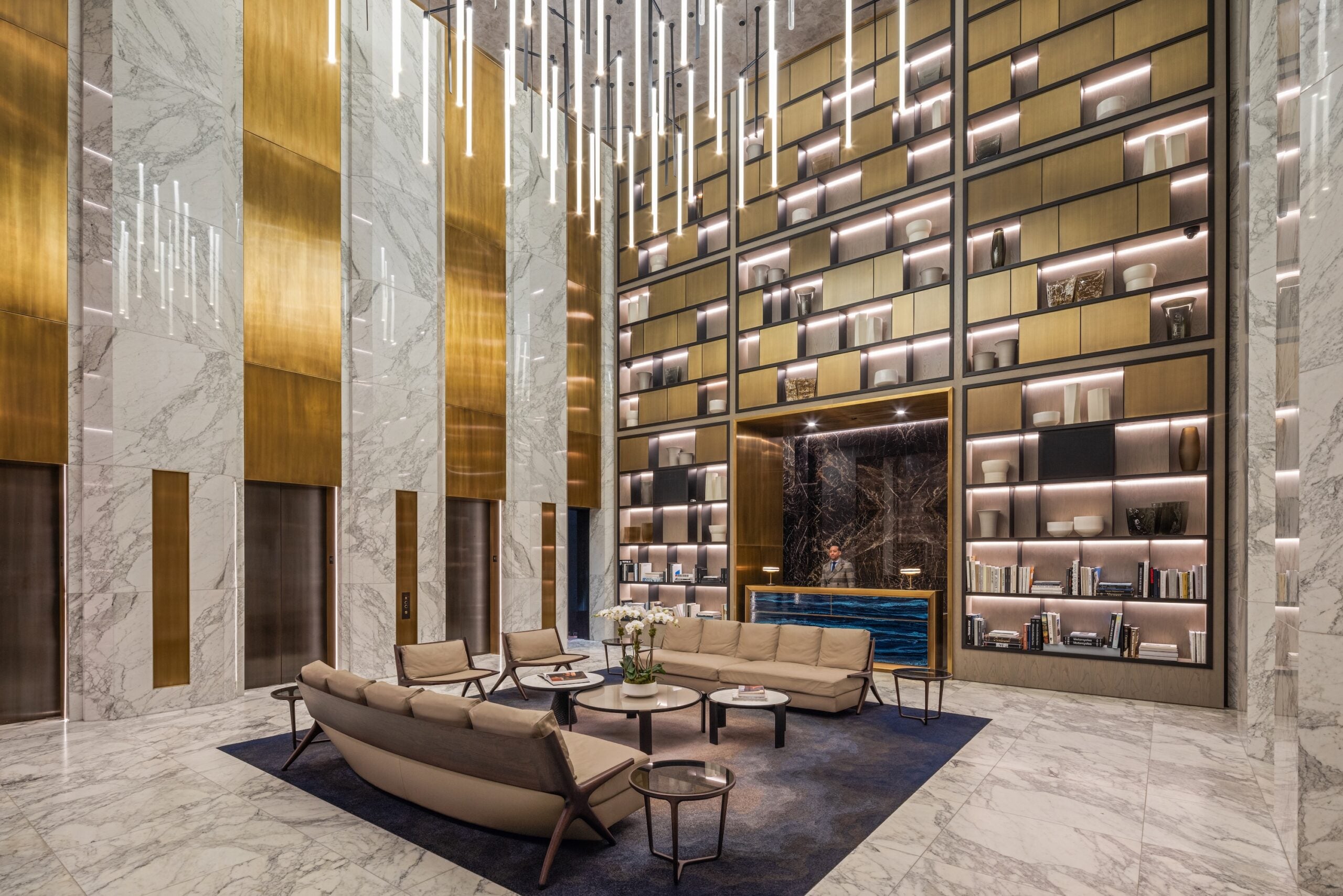
The entrance, meanwhile, was designed to create a sense of arrival: “To be welcoming, to feel warm, inviting, and cozy, but at the same time elevated, like the design of the space.”
For Beltrame, this level of detail was essential to the project’s wider purpose. “Scent functions as an invisible yet impactful layer of architecture, one experienced subconsciously yet continuously throughout daily life,» he says.
Добавить комментарий