Alice Lascelles reveals the unexpected things that drinks producers make.
Many well-known drinks producers have a side-hustle – honey, olive oil, skincare. Some offer their products for sale, while others just give them to lucky guests. However you get your hands on them, they make gorgeous souvenirs. Here are some I have relished in the last few years.
Honey
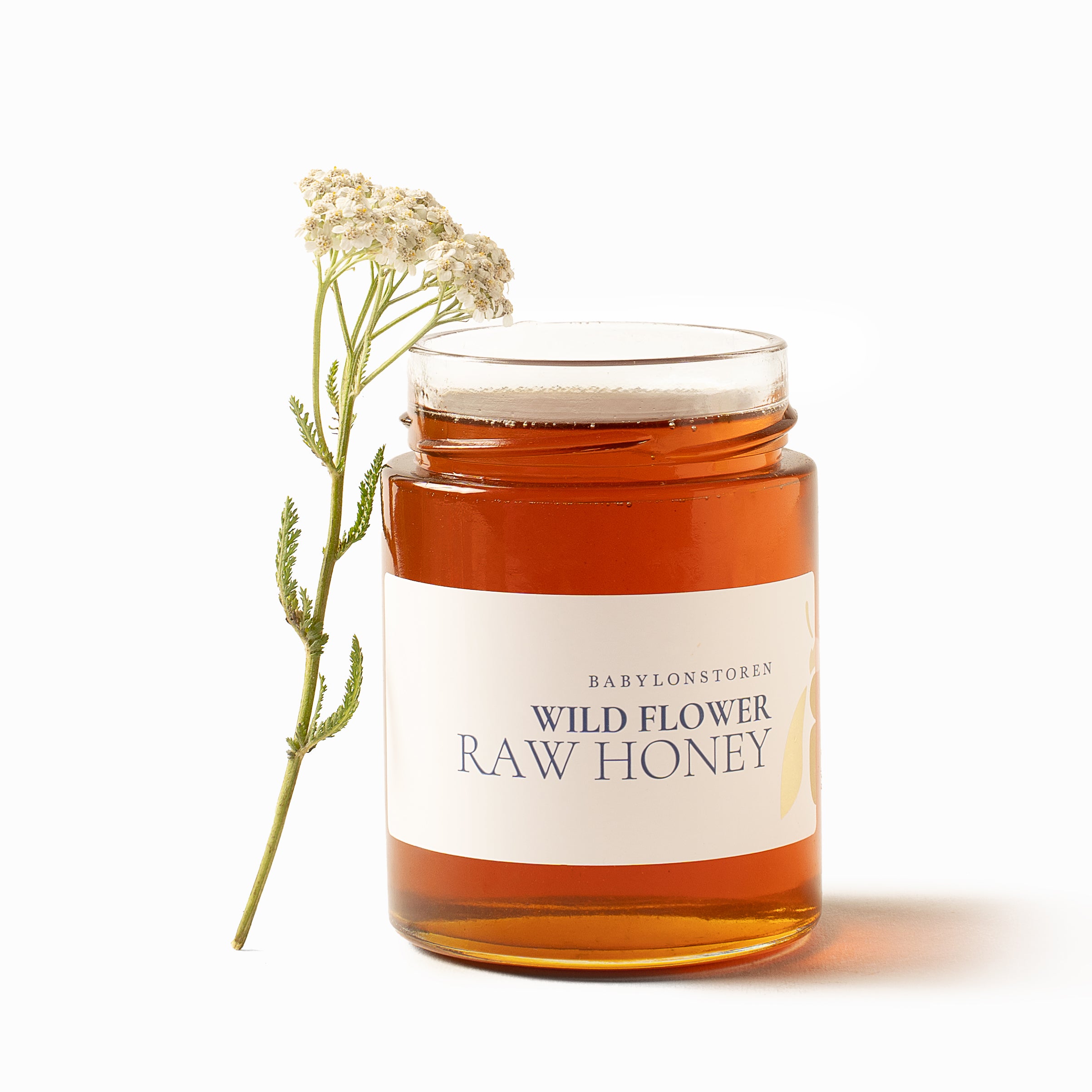
The push for greater biodiversity means many vineyards now have beehives – and I’m always thrilled to have a jar of honey pressed into my hands. Not least because honey reflects terroir in much the same way as wine; it can be delicate and floral, rich and caramelised, or smoky and medicinal depending on the local climate and plants. I’ve breakfasted on honey from Chateau Cheval Blanc’s regenerative farm in St-Émilion; and Champagne Billecart-Salmon’s walled vineyard Clos St Hilaire; and the chestnutty autumn honey from top Brunello producer Il Marroneto in the Val d’Orcia. The magnificent Babylonstoren winery in South Africa sells no less than seven contrasting honey varieties, from hives around its Franschhoek estate, that showcase local flora from macadamia and orange blossom, through to herbal fynbos and eucalyptus.
Olive oil
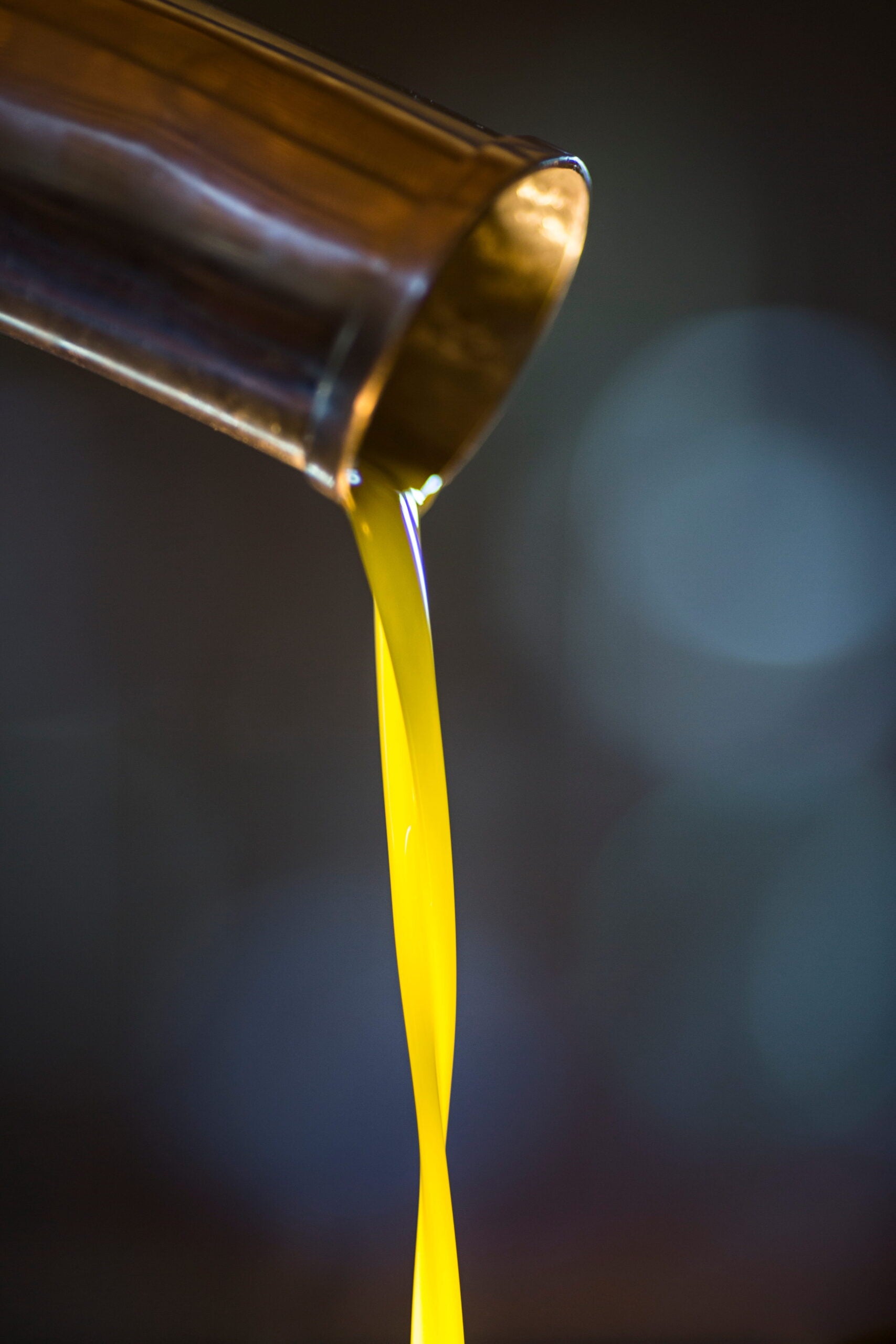
I’ve written before in this publication about my passion for olive oil, especially the peppery, grassy oils from Tuscan wine producers such as Capezzana, Poggiotondo and Fontodi. The oil that got me hooked in the first place was by Castello di Ama – a beautiful family-owned vineyard in the Chianti Classico hills, with grounds (and bookable lodgings) filled with specially-commissioned works by artists including Anish Kapoor, Hiroshi Sugimoto and Louise Bourgeois. This oil was first served to me, one chilly February night, by the flagstone fireside, drizzled on shards of toasted white bread, alongside a glass of Castello di Ama’s chilled Chardonnay – a wonderfully simple aperitivo thatremains one of the best food memories of my life.
Skincare
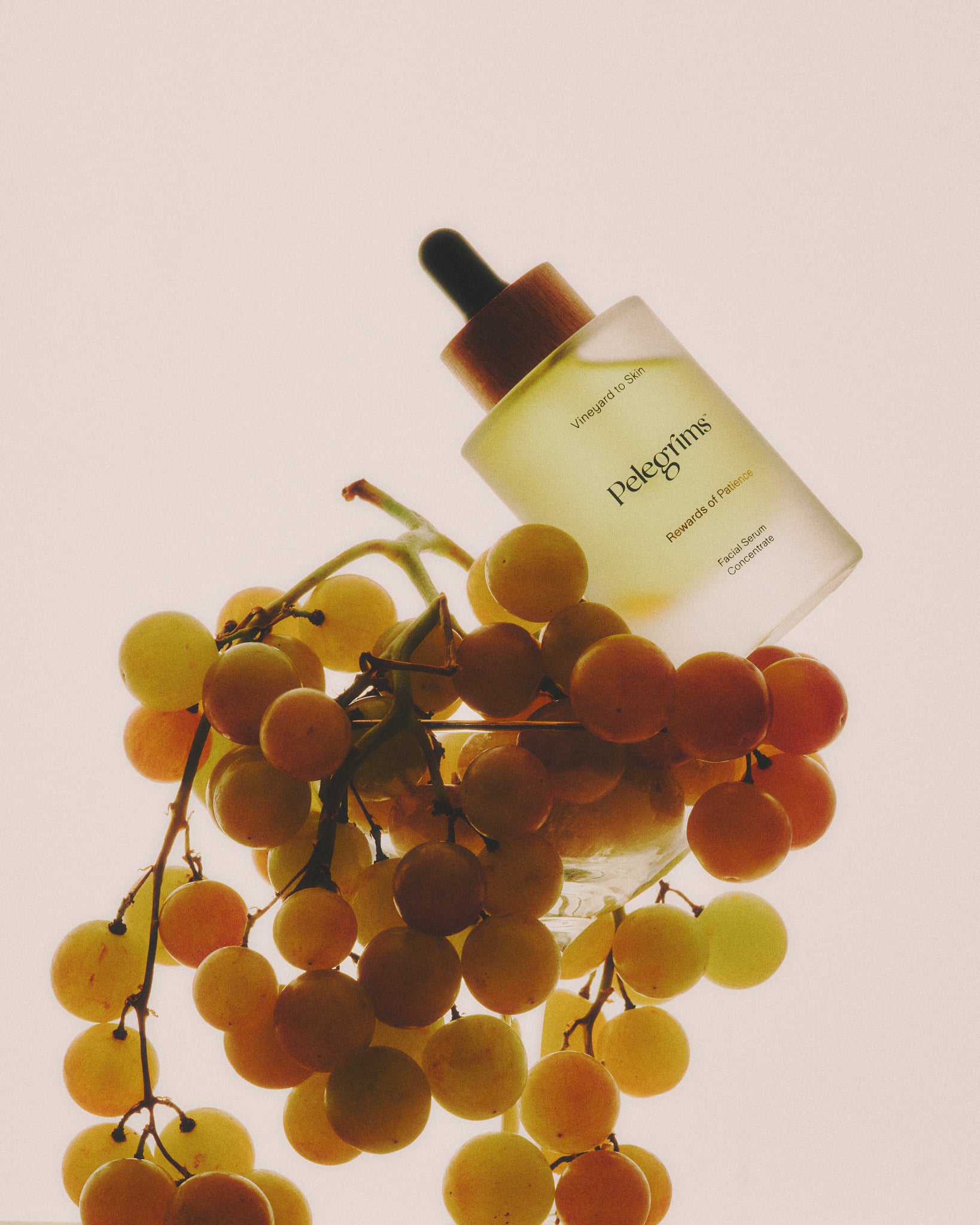
Grape-based skincare has a long history – grape-seed oil was prized in medieval times as a moisturizer; Mary Queen of Scots reputedly bathed in white wine to improve her complexion, while modern-day brands like France’s Caudalie and the Napa-born Vintner’s Daughter have built their reputation on the alleged antioxidant and anti-wrinkle properties of grape polyphenols. English-grown grapes from the Kent winery Westwell are the starting point for Pelegrims, a stylish young skincare range from the former director of skincare label Haeckels and a trained sommelier. Like Westwell, these unisex products are sustainability-minded and locally-made. I particularly like the Pelegrims Hyaluronic Plump Facial Oil, which features pinot noir polyphenol extracts and a gorgeous scent of fig, grass and rose. Their best-selling hand cleanser, made with the Ortega grape and scented with rose, tomato, and labdanum, is also stocked in the washrooms of Michelin-starred restaurants including Evelyn’s Table in London and The Sportsman in Kent.
Herbal tea
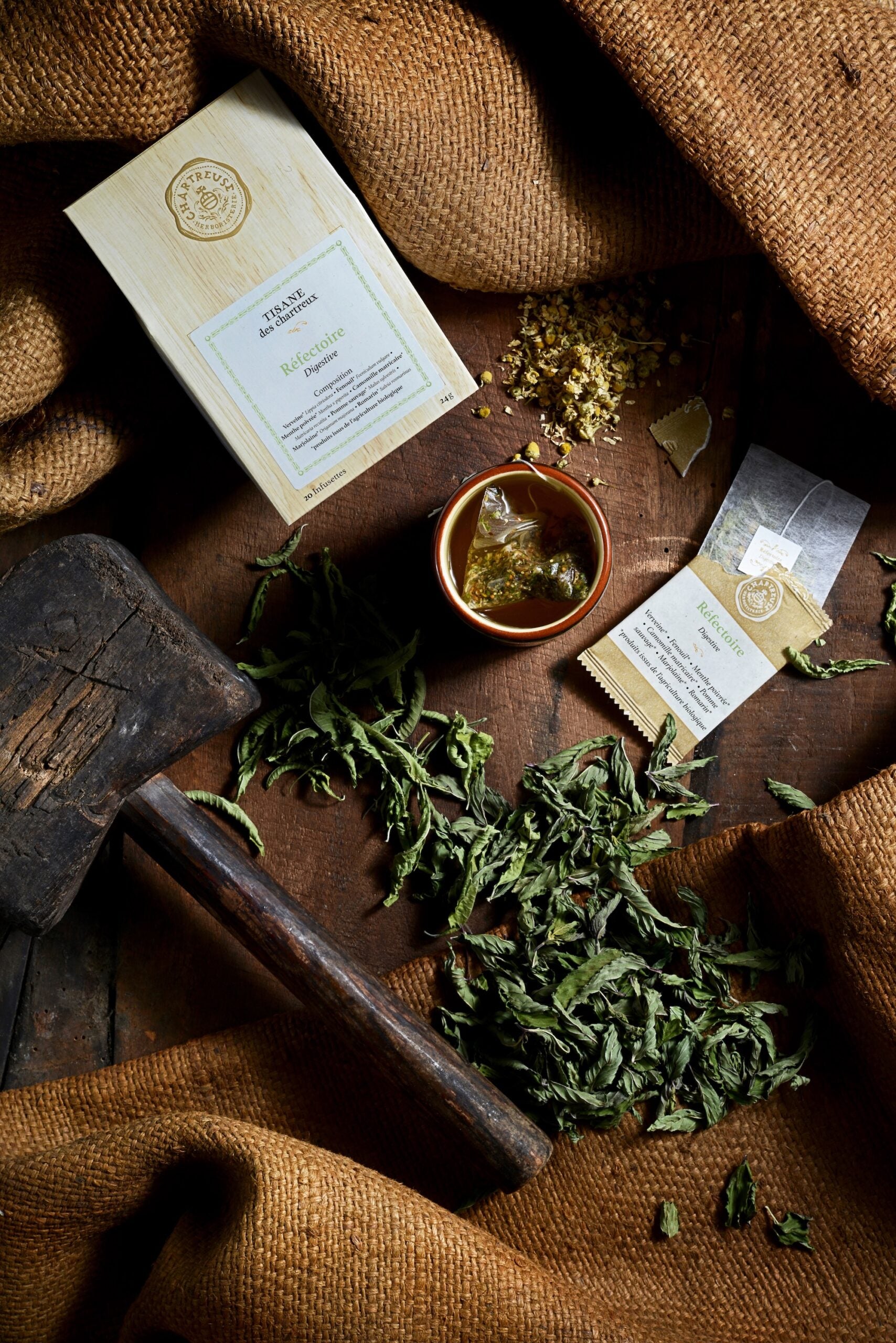
It’s better-known as an after-dinner drink these days, but Chartreuse was originally a health-giving elixir, produced by Carthusian monks in the French Alps from over a hundred different spices, flowers, roots, and herbs. Now, that same, silent, order of monks has used their pharmaceutical savoir faire to create a line of herbal teas. Blends include the calming Angelus du Soir (linden blossom, hawthorn, lemon verbena) and airway-clearing Spaciement (peppermint, marjoram, fennel). Visits to the notoriously secretive Chartreuse distillery itself are by invitation only, but there’s an excellent visitor’s center and archive in nearby Voiron, where you can buy these teas along with a multitude of other Chartreuse-infused delights including candies, ice cream, chocolate, and meringues (as well as some rare and sought-after cuvées) in little stores around the town. There’s also a Chartreuse boutique, with a nice little bar, in Paris, just near the Jardins de Luxembourg.
Chartreuse Herboristerie Tisanes des Chartreux
Whiskey Barrel-Aged Maple Syrup
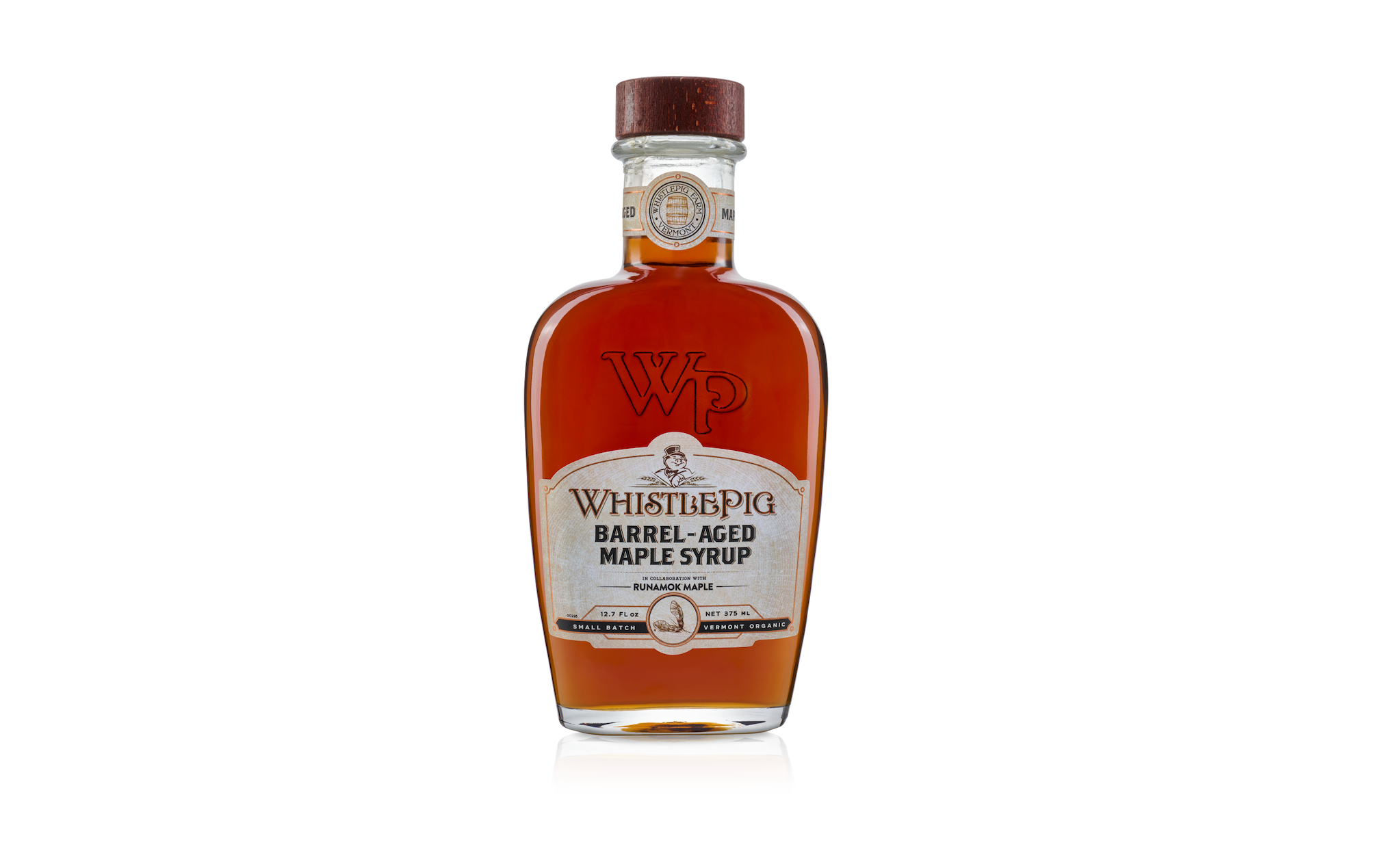
There’s only one thing more delicious than an Old Fashioned sweetened with maple syrup and that’s an Old Fashioned sweetened with maple syrup that’s been aged in a Whistlepig whiskey barrel. This small-batch speciality from Vermont’s much-loved rye whiskey specialists is made with organic maple syrup from Runamok, that’s then rested in Whistlepig’s rye whiskey casks (which are made from Vermont oak) for six to twelve months. The resulting deep-amber syrup is richly-flavored and spicy, but entirely alcohol-free, so if you really cannot wait until cocktail hour you can pour it over your breakfast pancakes. Otherwise stir 5-10ml with a couple of shots of Whistlepig Rye Whiskey, a dash of Angostura Aromatic Bitters with a nice big cube of ice, and garnish with a lemon twist.
Добавить комментарий