Elite Traveler got a first look – here’s what you need to know.
It might sound ridiculous to declare sailing yachtZero as the first vessel to run entirely on renewable energy, for what was Christopher Columbus’ 1492 flagship, Nao Santa Maria, if not a four-masted sailing yacht powered by the wind? And yet, the 226-ft ketch, built by Vitters and due to splash in late May, brings something wholly new to the table; a world-first hydrogeneration system that both propels the yacht and generates electricity.
Hydrogeneration isn’t new to yachting. Baltic’s Canova, delivered in 2019, adopted hybrid diesel-electric systems with built-in hydrogeneration. What is new is that Zero eliminates diesel engines entirely, replacing them with an all-electric power and propulsion system with a DC grid at its core, and photovoltaic-thermal panels that capture the light and heat of solar energy.
While Zero’s sails are her primary form of propulsion (she’s the first sailing yacht to have her rig certified as such by classification society Lloyd’s), when the wind drops, she can cover 400 nautical miles on electric propulsion alone – the equivalent of cruising non-stop from Monaco to Mallorca. It’s largely thanks to her two thruster propellers, placed forward and aft, developed by Danish manufacturer Hundested to maximize power generation when sailing (regenerating up to 250 kilowatts to feed a massive 5.2 MWh battery), and minimize power required to cruise on electric.
That energy-saving mentality also fueled efforts to reduce the hotel load (lighting, cooling, heating) from the typical 90 kilowatts to less than 30 kilowatts. The advanced heat recovery system converts thermal loss into usable energy, such as hot water, while insulated aluminium cooling panels built into the ceilings and walls across the cabins and living spaces replace a traditional HVAC unit. Then there’s the “breathing” main mast that doubles as a chimney.
Innovations like these sit at the heart of the project, and explain why it’s a mission control room, rather than the wheelhouse, that serves as the brains of the operation. It allows the captain and crew to receive real-time information about, for example, the specific stresses and loads the spars endure while sailing. While the data will enhance Zero’s sailing efficiency, it will also help to fulfil the owners’ intention “to encourage mindset and behavioural changes” across the marine industry by promoting open-source data and design sharing via the registered NGO and media platform, Foundation Zero.
The fundamental design challenge for Vripack Yacht Design, which penned the exterior and interior design, was how to make a yacht shaped by physics and data feel classic and elegant, as per the owners’ brief. According to Marnix Hoekstra, Vripack’s co-creative director, the answer lay in “a deliberate rejection of repetition and off-the-shelf detailing seen in traditional sailing yacht design.”
The Brazilian FSC-certified teak superstructure – waxed rather than varnished to enhance the natural aesthetic – is a case in point, as is the bespoke matte-finished hardware positioned in meticulous alignment across the wooden Tesumo decking. Even the passarelle doubles as the owner’s private transom ladder for morning swims, engineered to swivel, rotate flat, and remain slip-proof once wet.
Inside, arresting design details, such as fluted doors and miles of curved European oak, wrap around a narrative personalized to the owners. All four guest cabins are inspired by places of significance, from Italy to French Polynesia, while the owners’ suite, which pivots around the mizzen mast, leads to a private study that can be used for work purposes.
Material waste has been avoided by embracing blemishes and faults; slabs of “leathered” marble with visible cut lines, and repurposed bark on pine skin-fronted side tables. “It’s the deliberate knots, cracks, and grain variations that inject life into the project,” notes Hoekstra, whose strict requirement for every design element to begin or end in a full radius is fully realized in 17 achingly beautiful oval portholes.
Zero sprung from the reality that superyachts are not inherently sustainable, but once delivered, she will be made available to qualifying research teams and select charters to allow guests the opportunity to experience her systems in operation first-hand. For a yacht that leaves no stone unturned, her biggest achievement is, and will continue to be, proof of concept.
Meet the Hong Kong duo playing with the rules of modern menswear.
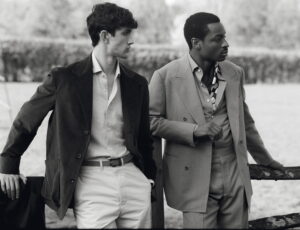
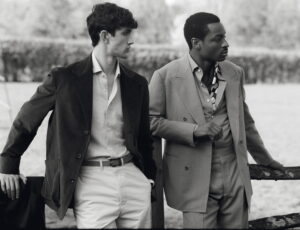
A modern menswear label from Hong Kong with an international following, The Anthology has become one of the most intriguing young tailoring houses to watch.
Independently owned and run, the brand has quietly built a reputation for sophisticated suiting, quirky casual wear, and impressive, handmade craftsmanship. Playful and forward-looking, it takes trad styles and gives them new, contemporary energy.
Here’s what makes The Anthology tick, in four parts.
Who?
The Anthology started life in 2018, the brainchild of Buzz Tang, a Hong Kong-based creative-cum-marketer who’d recently graduated from the London College of Fashion with a degree in footwear design. Sensing an opportunity, he approached Andy Chong, a pattern cutter and tailor with a high-end workshop in mainland China, and proposed that they build a consumer-facing brand around his atelier.
The pair started small with made-to-measure tailoring, but expanded steadily thanks to both word of mouth recommendations and Tang’s creative approach to marketing, storytelling, and design.
As a business, The Anthology began in Hong Kong and Taipei (both cities now have stores), but quickly grew into a ready-to-wear proposition that feels confident, mature, and unusually complete for a relatively young label.
Today their orbit includes collaborations, regular trunk shows in London and New York, and a fiercely loyal community of clients (including a smattering of famous faces, such as Bill Nighy) who speak about the brand in the hushed tones usually reserved for ‘if you know, you know’ hit restaurants.
At its core, The Anthology is about softness – in terms of structure, silhouette, and attitude.
Jackets are unstructured with a natural, subtly extended shoulder line. The cut is informed by Florentine tailoring with straight-edged lapels and curved jacket quarters (front edges). Trousers sit high on the waist and drape cleanly for an elegant look. Nothing feels stiff.
Tang’s taste in unusual and intriguing fabrics comes to the fore, too. Alongside classic materials like chalkstripe flannels or Prince-of-Wales checks, garments are cut in soft brushed cottons, heavy linens, baby camelhair, and all manner of textural, feel-good materials. The Anthology also weaves exclusive fabrics with prestigious mills such as Fox Brothers in Somerset, South West England, and hunts down vintage and dead-stock cloths for special-edition pieces.
Tailoring aside, outerwear is a selling point. The Anthology Polo coat has become a fan favorite, designed in collaboration with Simon Crompton of Permanent Style, but you’ll also find distinctive blousons with a retro feel, barn jackets in technical showerproof cotton, raglan-sleeve wrap coats, and ‘Lazyman’ cashmere overshirts to explore.
The brand’s pant-game is likewise strong. As well as tailored trousers, the website offers drawstring pants and washed jeans with a generous rise and straight-cut legs. There’s great casual knitwear and shirts too, and even the deerskin ‘street slippers’ (which, as the name suggest, are slipper-like loafers designed to wear out and about) are distinctive.
For the uninitiated, begin with the brand’s signature tailored jacket, an easy three-roll-two, single-breasted design with a soft construction and balanced proportions. It’s the kind of thing that flatters nearly everyone – the tailoring equivalent of great lighting.
Ready-to-wear versions include grey herringbone tweed and a jacket cut in subtle black and chocolate brown wool houndstooth. This is unusual, but a real winner – a little less expected than navy or grey, but still classic. Layer over a fine merino rollneck and either washed jeans or charcoal flannels.
If you’re going made-to-measure, look at needlecord (which also makes for a great casual suit), earthy shades of tweed or the brand’s exclusive ‘sueded’ linen (pre-washed for an extra-soft finish), paired with one of The Anthology’s piqué polos, which are designed with proper shirt collars that sit neatly beneath tailored jackets.
For those not normally in tailoring, the Goodman Jacket is a gateway drug. This is a deliberately slouchy blazer-meets-chore coat design, with classic jacket proportions and lapels, but unusual patch pockets and shirt-cuff sleeves that feel a bit ‘workwear’. In heavy camelhair twill, it’s a thing of beauty – luxurious and yet informal.
Special mention should also go to the Civilian Trouser. An unusual tailored pant that borrows the ‘five pocket’ silhouette of a jean, it’s a real go-anywhere, do-anything piece. Again, it’s the fabrics that make these. You’ll find them in heavy cotton moleskin, corduroy or flecked denim. They require minimal effort to wear, but are just that bit sleeker than jeans or classic chinos. Pair with one of The Anthology’s knitted T-shirts and a Lazyman jacket, and you’re all set.
The Anthology stands out partly because it occupies a rare middle ground: small enough to obsess over the details, large enough to deliver consistent quality and creativity. The fact the brand owns its manufacturing – and applies the fastidiousness of a bespoke tailor to every piece it makes – is critical.
More importantly, Tang and Chong design for continuity – not trends or fads. The Anthology’s key pieces evolve gradually; fabrics are chosen to age gracefully and the brand’s signature silhouettes are refined gently over time, rather than replaced outright.
The tone of the brand is intelligent too; serious craft delivered with lightness. At 28 and 37, Tang and Chong bring a youthful, creative flair to classic menswear that is sorely needed. The brand’s identity reflects that – confident, cultured, modern, but self-aware enough not to be too evangelical.
The Anthology is a standard-bearer for the new wave of craft-led, independent menswear labels: global in outlook, obsessive in execution and unpretentious in delivery. It invites you to dress with feeling as much as with rigor.
Experts suggest access isn’t impressive anymore – unless you know how to use it.
Tall, dark, and handsome. Six foot two, ideally. Six foot? Fine – we’ll review on a case-by-case basis. And while we’re at it, a table at Sushi Park wouldn’t hurt.
It’s the first question any matchmaker asks: “What are you looking for in a partner?” For years, the answer followed a predictable script – height, charm, a certain kind of lifestyle. But now, a fainter criterion has slipped into the brief.
When The New York Times recently reported on the so-called ‘restaurant gap’ in modern relationships – that standoff over who books, who pays, who plans – it resonated widely. But at the very top end of the dating pool, however, the dynamics are rather different.
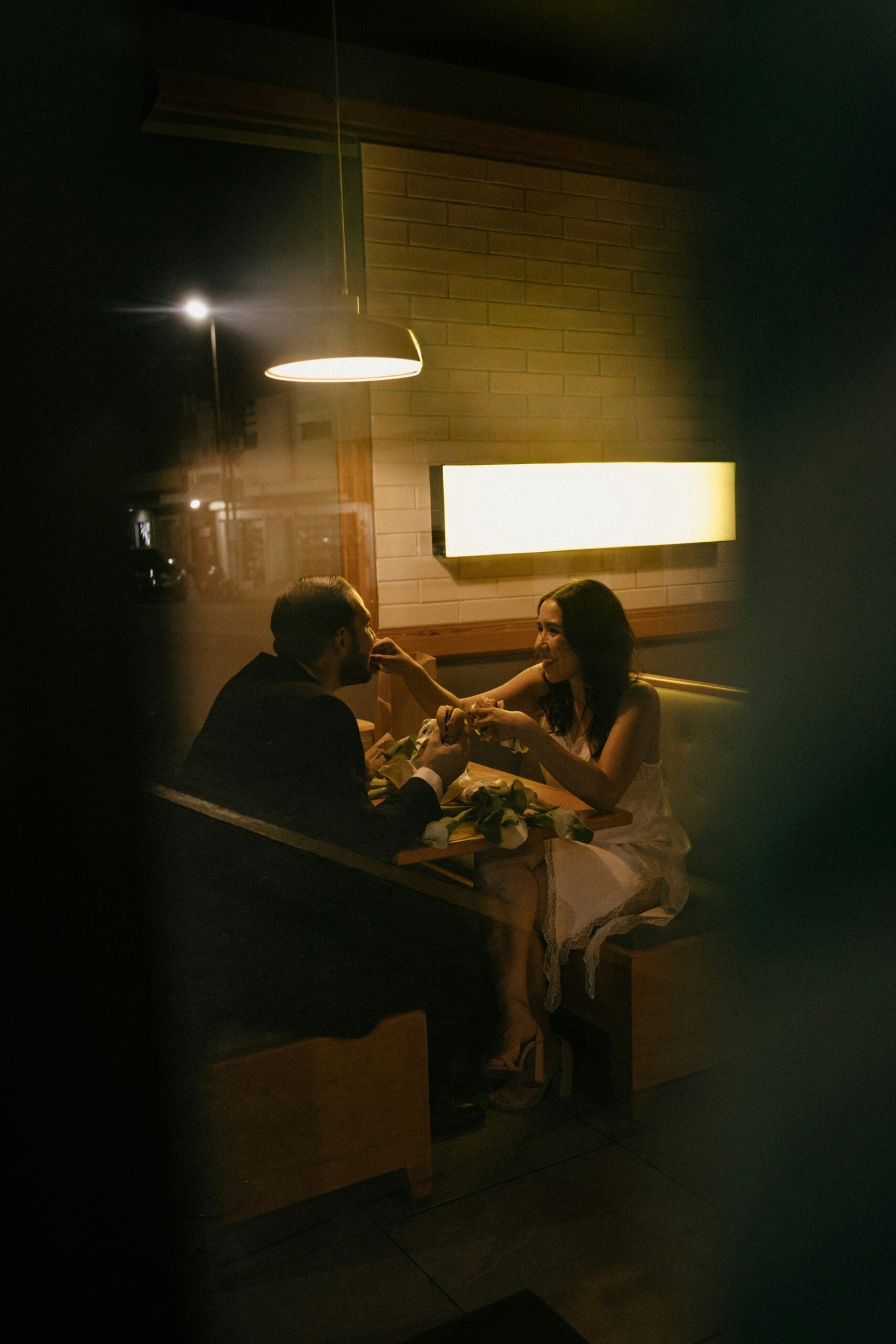
Call it the ‘reservation gap’. It’s not whether you can secure a table, it’s where, how, and – more revealingly – why.
As Mairéad Molloy, global director of Berkeley International, puts it: “People notice when someone is well-connected, moves easily across different environments, and knows how to make things happen without effort or fuss.” Her clients, who tend to invest between £15,000 (approx. $20,243) and £35,000 (approx. $47,235) for her dedicated expertise, tend to be attuned to the difference.
When access to everything is a given, how it’s used becomes its own social signal. “Access functions as a language, but it’s important to be precise about what it communicates,” adds Lorin Krenn, a high-profile matchmaker and relationship psychiatrist.
“A well-chosen dining room or a morning on a yacht does not impress in the way it might at other wealth levels.” In fact, he notes, “inviting someone to a three-Michelin-star restaurant could even be read as an insult, because they could do that any day of the week.”
“One client of mine had invested enormously in the early stages of dating someone. Private dinners, immaculate attention to detail, every element considered,” he recalls. “What he had not considered was the person in front of him, who wanted to connect and kept finding the evening got in the way.”
It’s a familiar mistake, says Michelle Begy of Ignite Dating: “Trying too hard is often the quickest way to diminish the experience.” A regular on the Spears 500 list of Top Recommended matchmakers, she’s helped clients from New York to London find their perfect matches.
Across the board, the matchmakers I speak with express that the very thing intended to impress can create distance, turning a date into something closer to a production than a moment to find a meaningful connection.
None of this is to suggest that setting doesn’t matter. “You don’t get a second chance to make a first impression,” Molloy points out. But the emphasis has shifted. “Choosing the right setting, whether that is a restaurant, hotel, or venue, sets the tone. It’s about creating an environment where the other person feels comfortable and valued.”
Which may explain why, increasingly, the most attractive expressions of access are also the least obvious. “The settings that consistently work are designed around connection – low noise, minimal distractions,” says Krenn. In his experience, private dining rooms, members-only clubs, or places with no phone policies tend to outperform headline restaurants.
“There is no single ‘ideal’ venue,” Barbie Adler, president and founder of Selective Search, tells me. “ A well-matched introduction paired with a comfortable, well-considered environment will consistently outperform even the most exclusive or in-demand reservation.”
“It’s not the exclusivity itself that makes an impression, but the personalization behind it,” notes Bergy. A sought-after table only resonates when there’s a reason for it, whether that’s “a favorite chef, tickets to a show, or a shared interest; it signals attentiveness and thoughtfulness.”
Which is why the ‘reservation gap’ isn’t really about reservations, but intention. And as Krenn suggests, that distinction is only becoming more pronounced among younger daters. “The next generation entering this wealth level has grown up asking harder questions about what a life well lived actually looks like,” he concludes. “The hunger to be known, as a human with imperfections and a real interior life, will only become more acute as the material options expand.”
Tall, dark, and handsome may still open the door. But in today’s dating economy, it’s what you do once you’re seated that will secure the second date.
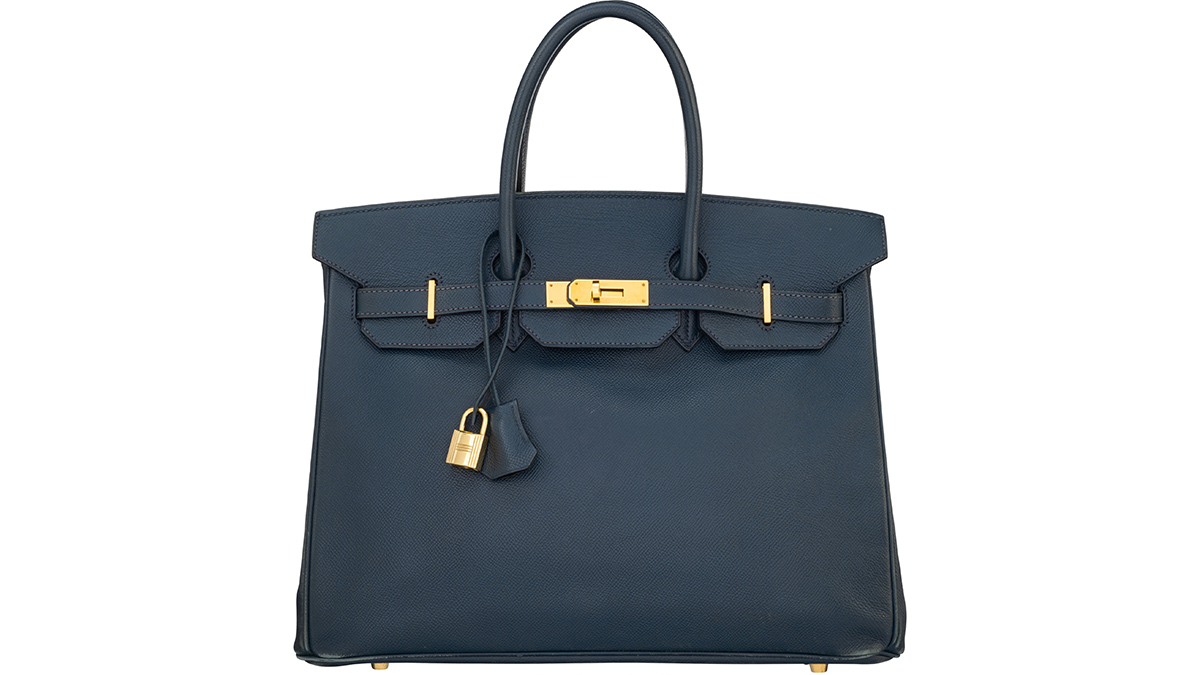
The bag, which belonged to the star’s longtime friend Midori Senga, will go under the gavel at Heritage Auctions on April 23. The bag, which belonged to the star’s longtime friend Midori Senga, will go under the gavel at Heritage Auctions on April 23.
Is provenance replacing age statements? Tom Pattinson investigates.
“Behind those hills is where the SAS train,” says my host, James Chase, pointing into the distance.
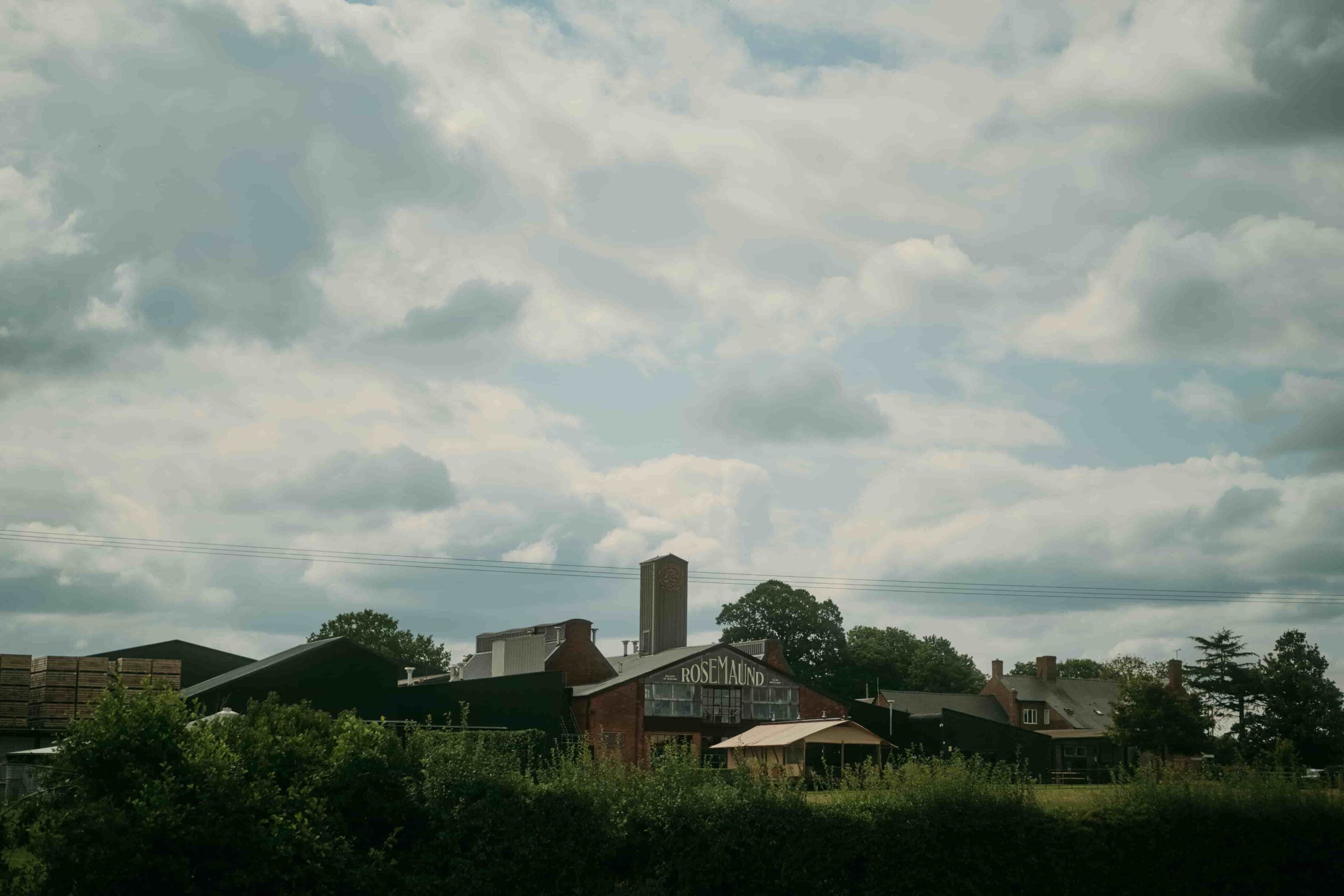
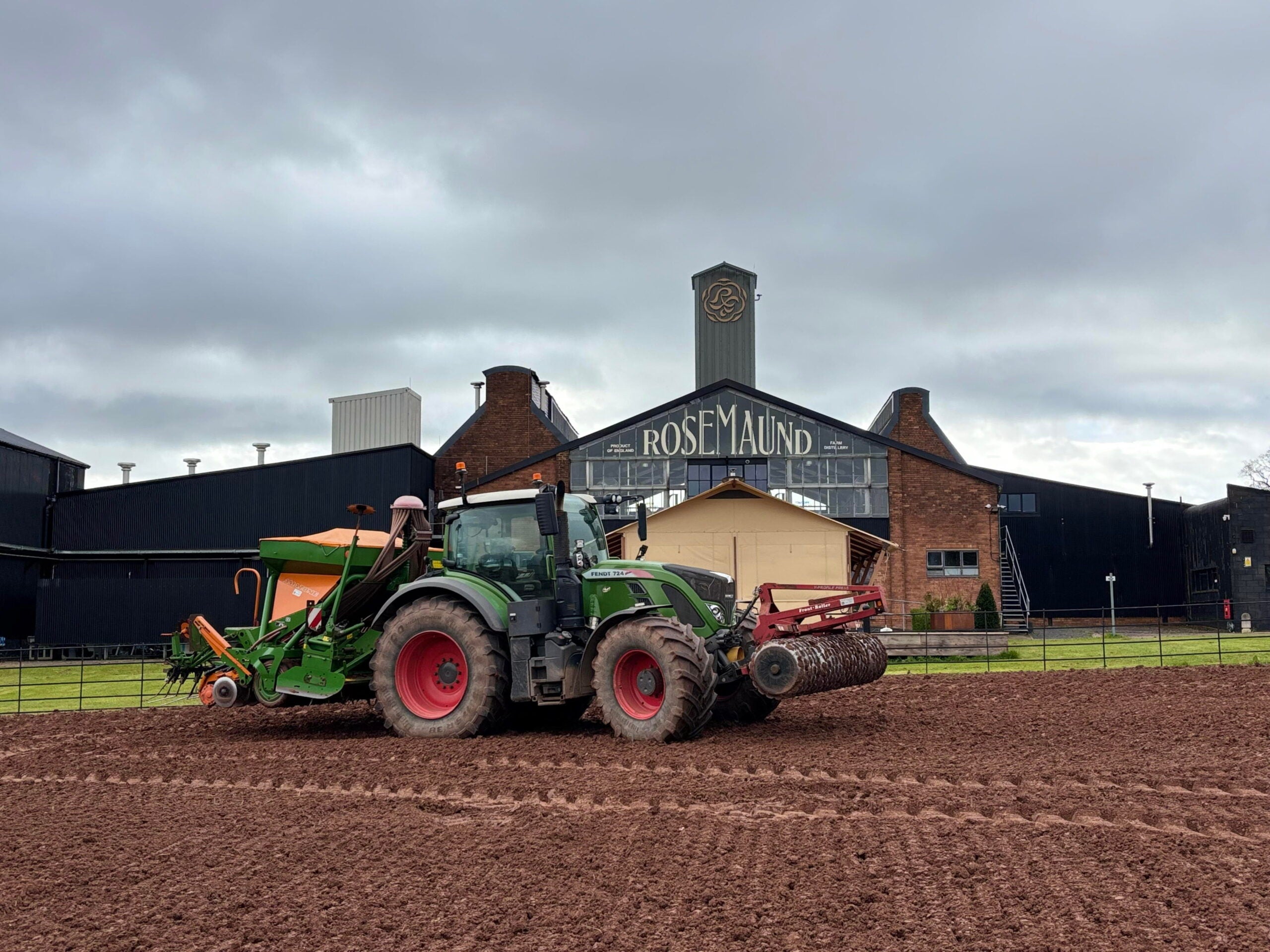
In front of us are freshly sown fields of heritage Marris Otter barley. After a long, wet winter that has replenished the aquifers, this early sunshine bodes well for a strong crop which, come autumn, will be harvested, malted, brewed, distilled, and laid down to become Rosemaund whisky – one of England’s most exclusive single malts.
The Chase family has farmed this land for five generations. After diversifying from potatoes into crisps, then into vodka and gin, James, his brother Henry and Henry’s wife Lorna shocked the whisky world in September 2025 by releasing Rosemaund, a 10-year-old spirit that few even knew existed.
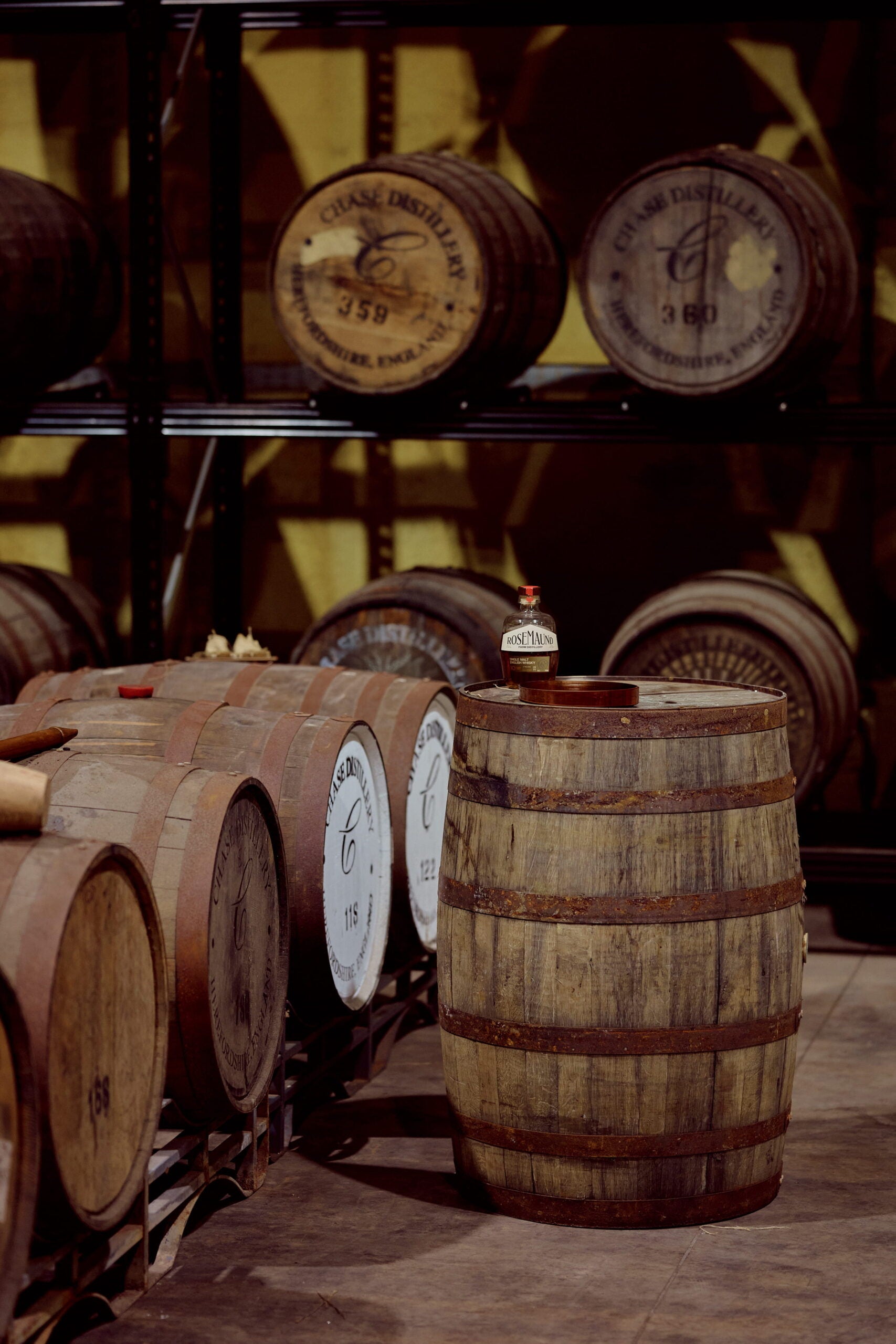
Priced from £125 (approx. $169), bottles were allocated by ballot. All 2,700 sold out, and demand for the second release is only building. Helped by backers including Hollywood director Guy Ritchie, what sits behind Rosemaund is not just scarcity or clever marketing. Like a growing number of non-Scottish whisky brands and newer premium players, the focus is shifting away from how something is made, or even for how long it is aged, but towards where it comes from.
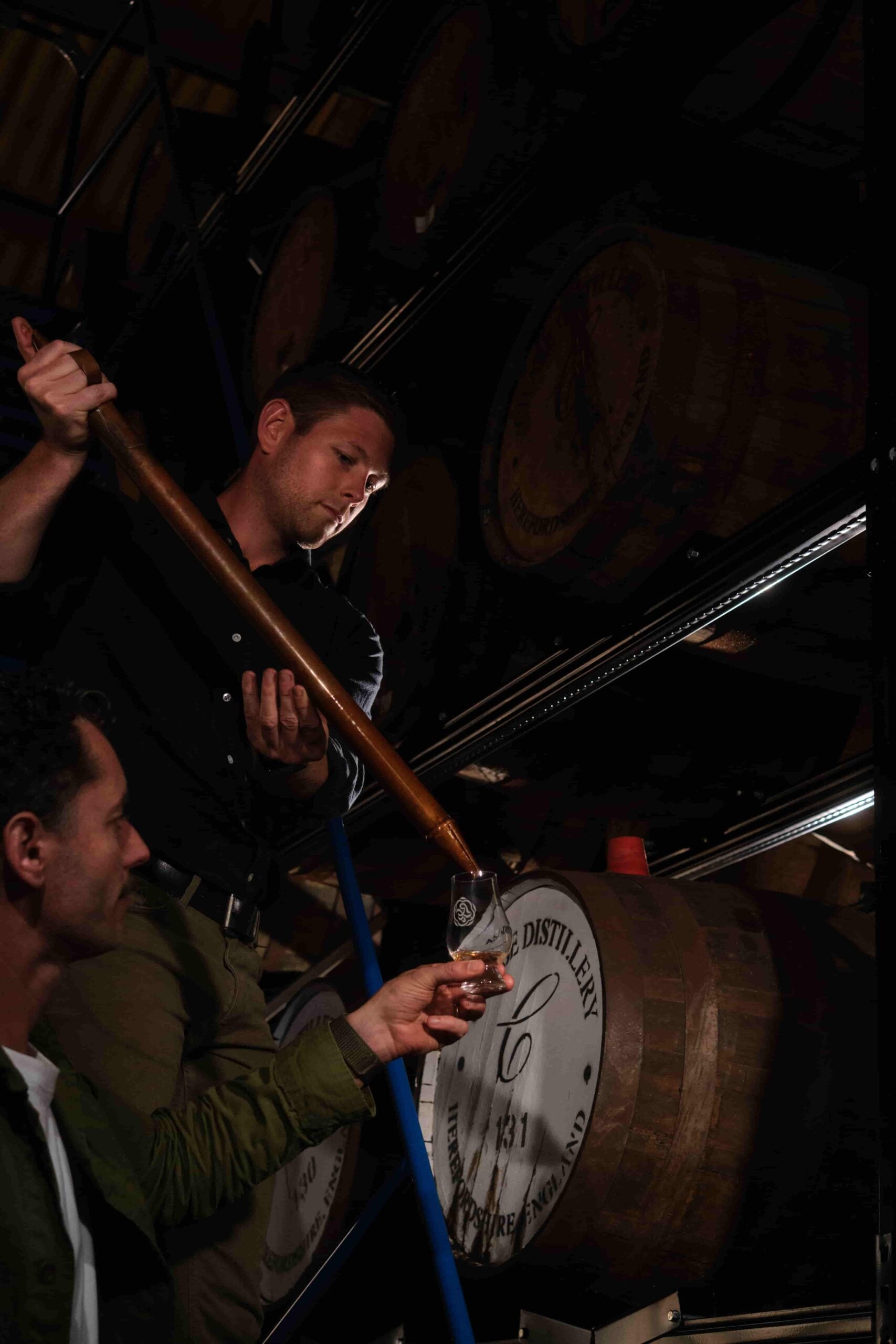
In the glass, I find malted biscuit, green apple, meadow flowers, and a lightly spiced finish, with something that feels distinctly orchard-led in its freshness. Call it provenance, or perhaps terroir.
Terroir describes the interaction of soil, microclimate and topography on a crop. In wine, it has been the dominant language for centuries. In whisky, it remains contested. After all, whisky is not simply fermented grape juice. Grain is malted, mashed, fermented, distilled, cut, matured in oak, and often influenced heavily by whatever spirit once occupied the cask it sits in for years. Can the specifics of where barley is grown really survive that process, or is this simply a useful story for younger brands without decades of aged stock?
Mark Reynier has spent much of his career arguing that it does matter. After working in wine, he moved into whisky, acquiring the closed Bruichladdich distillery on Islay in 2000 and rebuilding it around the idea of local production.
He persuaded farmers to grow barley again on the island for the first time in decades, and at early tastings of new make spirit, he says those farmers could taste differences between crops grown just feet apart.
“They started comparing with their neighbors; ‘how come yours is different to mine?’” he recalls. “The farmers rationalized the differences they were exposed to taste organoleptically something they were responsible for. I remember thinking hallelujah.”
Bruichladdich became a cult success, eventually selling to Rémy Cointreau for £58m (approx. $78.4m) in 2012, but Reynier carried on, founding Waterford Distillery in Ireland with the explicit aim of proving terroir in whisky through scientific analysis.
“It was a study with labs in Scotland, Ireland, America – three years, two sites, three varieties of barley. It was bulletproof,” he says. “We were able to demonstrate that there were 2,000 flavor compounds in barley, 60 percent of them influenced by terroir: light intensity, humidity, minerality. We know how it happens and why it happens. No one else had bothered to find out.”
For Reynier, those compounds persist. “The 2,000 flavor compounds you put in a barrel are exactly the same as the 2,000 you bring out,” he says.
Others are less convinced.
Billy Abbott, drinks educator at The Whisky Exchange and a long-time judge at international competitions, is wary of the binary framing.
“My biggest annoyance in the terroir discussion is the obsession with extremes: grain always makes a difference versus it never does,” he says. “Projects like Waterford are geekily comparative rather than necessarily achieving the goal of whisky making, which is creating a tasty drink.”
I ask him whether he can reliably identify grain character in blind tastings. “In general, no.”
Most whisky, he points out, is designed to eliminate variation rather than highlight it. Consistency is the foundation of the category.
“We are trying to mitigate any potential for impact through our own controls,” says Sandy McIntyre, distillery manager at Tamdhu. Over decades working with barley varieties ranging from Optic to Laureate, he has seen little evidence that origin meaningfully alters the final spirit.
“My experience makes me think that the variety and area of growth has little or no impact on distillery character,” he says. For him, differences in grain are something maltsters smooth out, not something distillers amplify.
That tension – between eliminating variation and celebrating it – runs through the entire category.
I travel up to England’s north east coast to see how Spirit of Yorkshire grows, distils and bottles its whisky on a single estate. Standing in high winds that whip across the coast, Jenni Ashwood explains why practical decisions often trump romantic ones.
“There’s a reason crops are bred to be lower,” she says. “It’s really windy up here and it just all falls over.”
For Ashwood, provenance matters, but not necessarily in the way terroir evangelists might frame it. It is about traceability, control, and knowing exactly how something has been grown, harvested, and made.
Others sit somewhere between these positions. Abbott concedes that when distilleries actively try to amplify grain character, differences can emerge.
“If a distillery leans into the flavor of the grain and adjusts their processes to amplify the differences, then it can make a difference,” he says. “Everything contributes to the final flavor.”
Jan Wisniewski, whisky writer and competition judge, agrees that grain influence can come through, but notes that provenance plays a different role entirely.
“In competitions, tasting is blind, so provenance cannot be part of the discussion,” he says. “But outside that, if the whisky is single-farm, that becomes a talking point and part of what validates the price positioning.”
That last point is where the conversation shifts from science to economics. Because whether or not terroir can be consistently tasted, it can certainly be sold.
Across the category, smaller producers are leaning into grain, heritage varieties, and single-farm narratives. White Peak has revived Chevallier barley, once dominant in British brewing before being replaced by higher-yield varieties. It is harder to grow and less efficient, which is precisely why it disappeared, but it brings back a depth of character that industrial processes had largely smoothed out. In the glass, that shows up as a richer malt profile, with notes of milk chocolate and warm spice that feel deliberately pushed forward.
Chase sees the same pattern. “This huge boom of craft beers produces big, bold flavors and then that goes into whisky,” he says. “The barley is really important. You put crap in, you get crap out.”
Yet even here, the argument extends beyond the field. Chase points to maturation as another expression of place.
“Wood is incredibly porous and wherever the cask is stored has huge impact,” he says. “Ours are next to an orchard. The flavors brought in on the wind here would be different to a warehouse in Birmingham.”
Again, McIntyre dismisses location effects beyond temperature and evaporation, arguing that coastal influence is negligible. And this is seen most clearly in Kentucky. At Buffalo Trace, the focus is less on geography and more on microclimate within warehouses.
“There might be a temperature difference of 10-15 degrees in the same warehouse,” says Liam Sparks of Sazerac UK. “If we want to age something slowly, it goes low and slow. For colour and flavour, we might place it higher up.”
Elsewhere, producers have turned movement itself into part of the story. Japanese bottler Kaiyō sends casks out to sea to mature, while Never Say Die bourbon crosses the Atlantic to partly age between the US and England. Whether these journeys fundamentally change flavor or simply deepen the narrative is still an open question, but they point to an industry increasingly willing to experiment with place as both process and proposition.
Which leaves whisky in an unusual place. For decades, the industry worked to remove the influence of place. Grain was standardized, processes were controlled, and consistency became the ultimate goal. The result was a category defined by reliability and scale.
Now, a new generation is doing the opposite.
Without the weight of centuries behind them, these producers are building value elsewhere. In single farms, in heritage grains, in the idea that this barley came from this field, grown by these people, under these conditions, and nowhere else.
It is not that whisky has suddenly discovered terroir. It is that it has found a use for it.
And perhaps terroir is not even the right word. In whisky, where production processes are designed to reshape flavor so dramatically, provenance may be the more honest term. It captures not just what might influence flavor, but what consumers increasingly care about: where something comes from, who made it, and how traceable that journey is from field to bottle.
That matters, particularly at the luxury end of the market. These are small-batch, highly collectable spirits, often with clear environmental or agricultural credentials, that offer something the biggest Scotch producers cannot easily replicate: specificity.
Because while Scotland is sitting on what is often described as a $22bn whisky lake slowly aging in warehouses, that scale does not imply scarcity. Age does not automatically mean rarity. For collectors and connoisseurs looking for something distinctive, the appeal is shifting towards bottles that feel finite, knowable, and rooted in a particular place.
Large producers still rely on consistency, and for good reason. Their business depends on it. But for smaller and newer premium players, difference is the product. Provenance offers a way to create scarcity, to justify price, and to stand apart in a crowded market. And increasingly, it is one that drinkers are willing to buy into.
Real estate developers are enticing young collectors with elite perks and improved storage. Real estate developers are enticing young collectors with elite perks and improved storage.
Families are investing extraordinary amounts of time, money, and effort in their children’s athletic ambitions—sometimes moving across the country so their kids can compete at the highest levels. Families are investing extraordinary amounts of time, money, and effort in their children’s athletic ambitions—sometimes moving across the country so their kids can compete at the highest levels.