
Experts suggest access isn’t impressive anymore – unless you know how to use it.

Tall, dark, and handsome. Six foot two, ideally. Six foot? Fine – we’ll review on a case-by-case basis. And while we’re at it, a table at Sushi Park wouldn’t hurt.
It’s the first question any matchmaker asks: “What are you looking for in a partner?” For years, the answer followed a predictable script – height, charm, a certain kind of lifestyle. But now, a fainter criterion has slipped into the brief.
When The New York Times recently reported on the so-called ‘restaurant gap’ in modern relationships – that standoff over who books, who pays, who plans – it resonated widely. But at the very top end of the dating pool, however, the dynamics are rather different.
Call it the ‘reservation gap’. It’s not whether you can secure a table, it’s where, how, and – more revealingly – why.
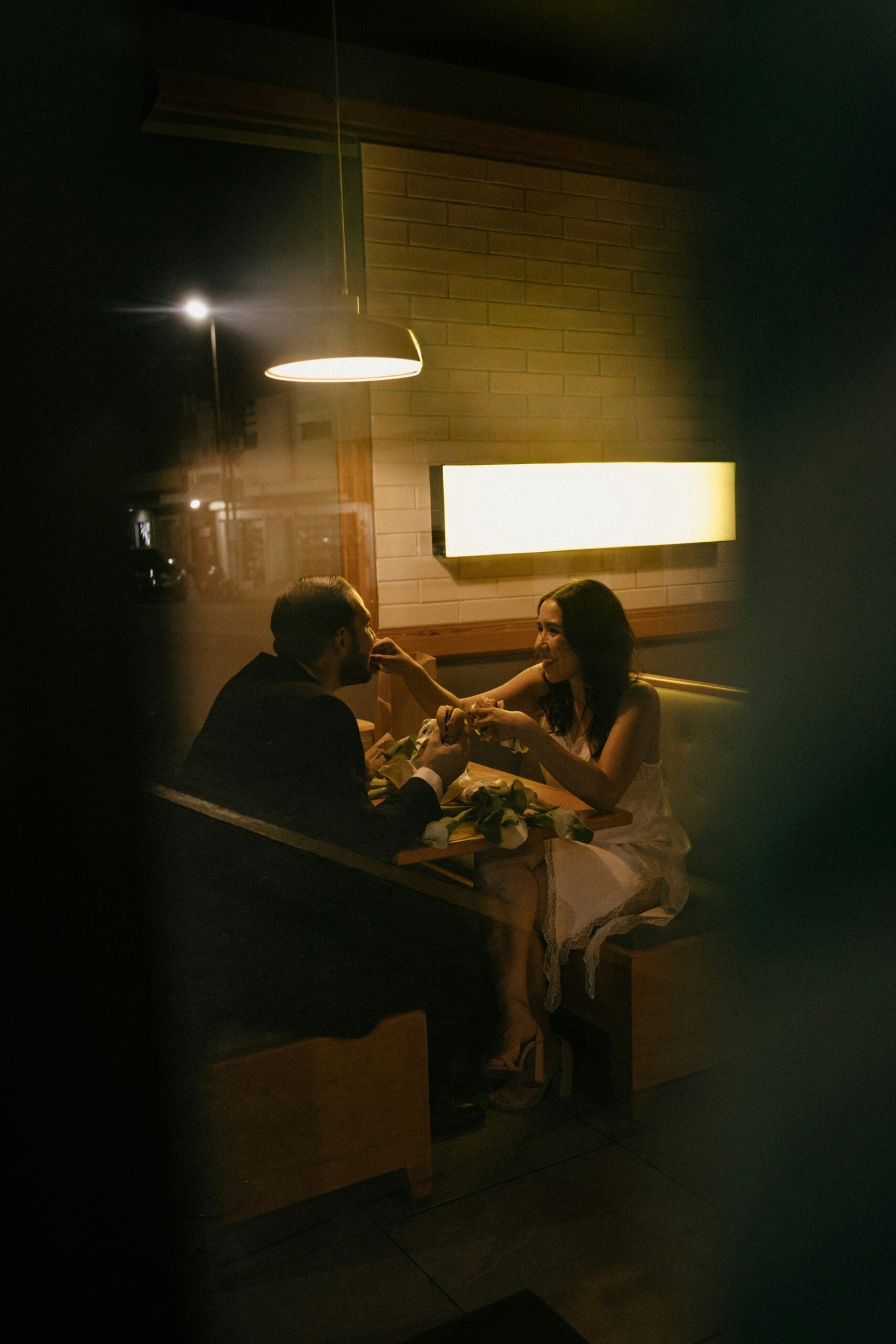
As Mairéad Molloy, global director of Berkeley International, puts it: “People notice when someone is well-connected, moves easily across different environments, and knows how to make things happen without effort or fuss.” Her clients, who tend to invest between £15,000 (approx. $20,243) and £35,000 (approx. $47,235) for her dedicated expertise, tend to be attuned to the difference.
When access to everything is a given, how it’s used becomes its own social signal. “Access functions as a language, but it’s important to be precise about what it communicates,” adds Lorin Krenn, a high-profile matchmaker and relationship psychiatrist.
“A well-chosen dining room or a morning on a yacht does not impress in the way it might at other wealth levels.” In fact, he notes, “inviting someone to a three-Michelin-star restaurant could even be read as an insult, because they could do that any day of the week.”
“One client of mine had invested enormously in the early stages of dating someone. Private dinners, immaculate attention to detail, every element considered,” he recalls. “What he had not considered was the person in front of him, who wanted to connect and kept finding the evening got in the way.”
It’s a familiar mistake, says Michelle Begy of Ignite Dating: “Trying too hard is often the quickest way to diminish the experience.” A regular on the Spears 500 list of Top Recommended matchmakers, she’s helped clients from New York to London find their perfect matches.
Across the board, the matchmakers I speak with express that the very thing intended to impress can create distance, turning a date into something closer to a production than a moment to find a meaningful connection.

None of this is to suggest that setting doesn’t matter. “You don’t get a second chance to make a first impression,” Molloy points out. But the emphasis has shifted. “Choosing the right setting, whether that is a restaurant, hotel, or venue, sets the tone. It’s about creating an environment where the other person feels comfortable and valued.”
Which may explain why, increasingly, the most attractive expressions of access are also the least obvious. “The settings that consistently work are designed around connection – low noise, minimal distractions,” says Krenn. In his experience, private dining rooms, members-only clubs, or places with no phone policies tend to outperform headline restaurants.
See also: The Best Private Dining Rooms in London
“There is no single ‘ideal’ venue,” Barbie Adler, president and founder of Selective Search, tells me. “ A well-matched introduction paired with a comfortable, well-considered environment will consistently outperform even the most exclusive or in-demand reservation.”

“It’s not the exclusivity itself that makes an impression, but the personalization behind it,” notes Bergy. A sought-after table only resonates when there’s a reason for it, whether that’s “a favorite chef, tickets to a show, or a shared interest; it signals attentiveness and thoughtfulness.”
Which is why the ‘reservation gap’ isn’t really about reservations, but intention. And as Krenn suggests, that distinction is only becoming more pronounced among younger daters. “The next generation entering this wealth level has grown up asking harder questions about what a life well lived actually looks like,” he concludes. “The hunger to be known, as a human with imperfections and a real interior life, will only become more acute as the material options expand.”
Tall, dark, and handsome may still open the door. But in today’s dating economy, it’s what you do once you’re seated that will secure the second date.
Добавить комментарий