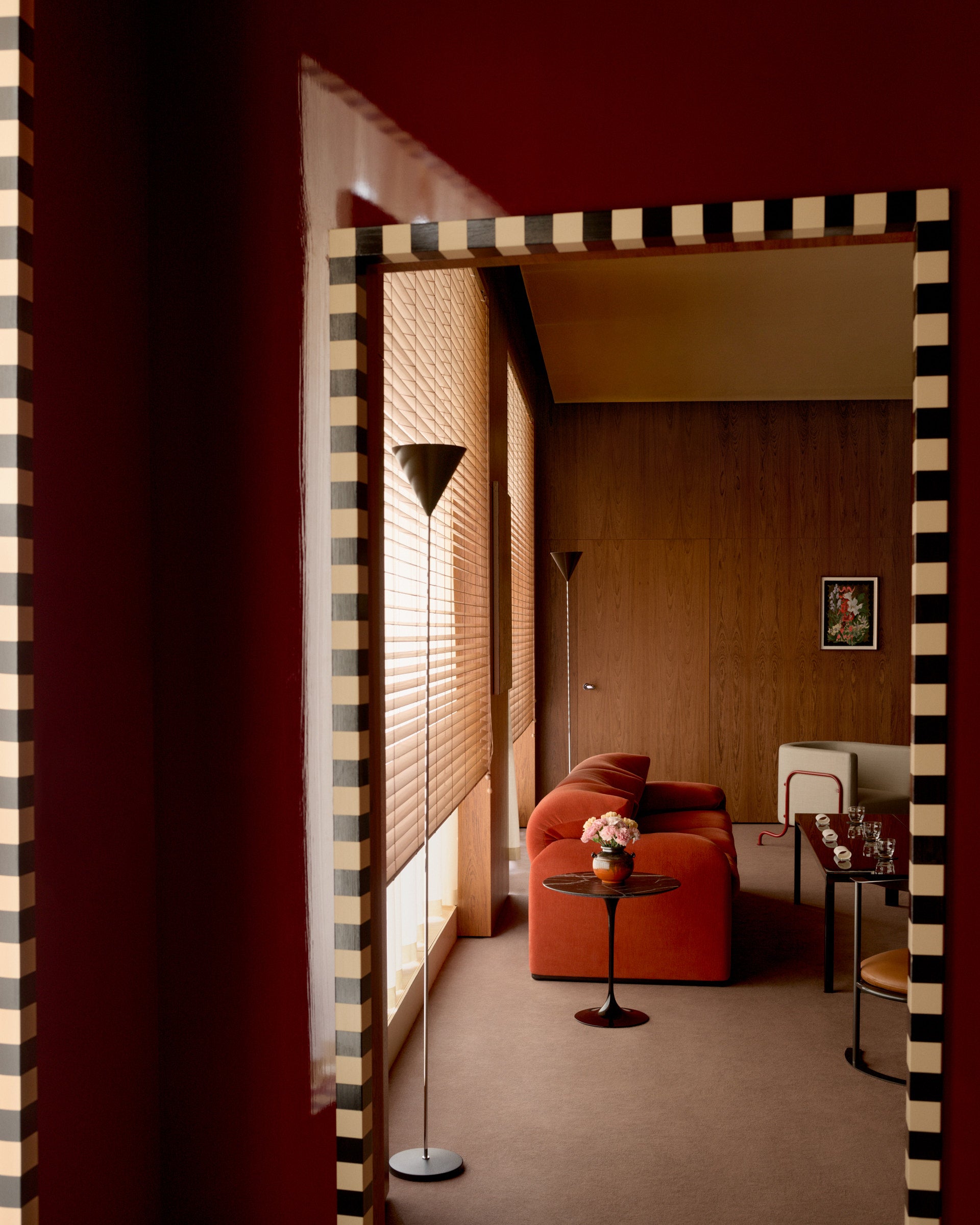
The Reservation: In a city known for its style, Adam Albin might just be the most aesthetic opening.
After 13 years as one of Stockholm’s top restaurants, Adam/Albin shut its doors in late 2025. Chefs Adam Dahlberg and Albin Wessman first launched the project in 2012, and it became one of Sweden’s most successful culinary partnerships, with the duo going on to launch outposts across the city.
But, the closure of their first-born wasn’t to be the end for the duo, and in mid-April of this year, they re-emerged on the scene with the opening of Adam Albin. Although similar in name, the new iteration marked a step up. Their first project was awarded its first Michelin star nine years in; it’s clear that the team are looking to get such accolades much sooner this time around.
Dahlberg and Wessman first met cooking under Mathias Dahlgren at Bon Lloc (which was regarded as a pioneer of vegetable-driven fine dining until its closure in 2004) and continued to work for the Bocuse d’Or-winning chef when he moved to Grand Hôtel. While both chefs by trade, throughout their partnership, their roles have become more defined, and at Adam Albin, Dahlberg leads the creative and gastronomic direction, while Wessman acts as the restaurant CEO.
Although guided by the principles of fine French cookery, the pair look to Nordic sensibility for their dishes. Guests can choose from ‘The Seasonal Menu’ which showcases the entire breadth of the offering, or ‘The Selection Menu,’ which, via a ‘dialogue with guests,’ allows diners to select their own three courses. Head sommelier Frida Winters and wine director Sören Polonius work together to create personalized wine pairings.
While Adam Albin is undisputedly high-end, Dahlberg and Wessman are keen to emphasise that it has none of the rigidity normally associated with fine dining, and want to let their guests dictate pace and tone.
“For us, luxury is not about excess; it is about time, precision and genuine care. We want every guest to feel completely looked after and entirely at ease, as if they have stepped into our home,” says Dahlberg.
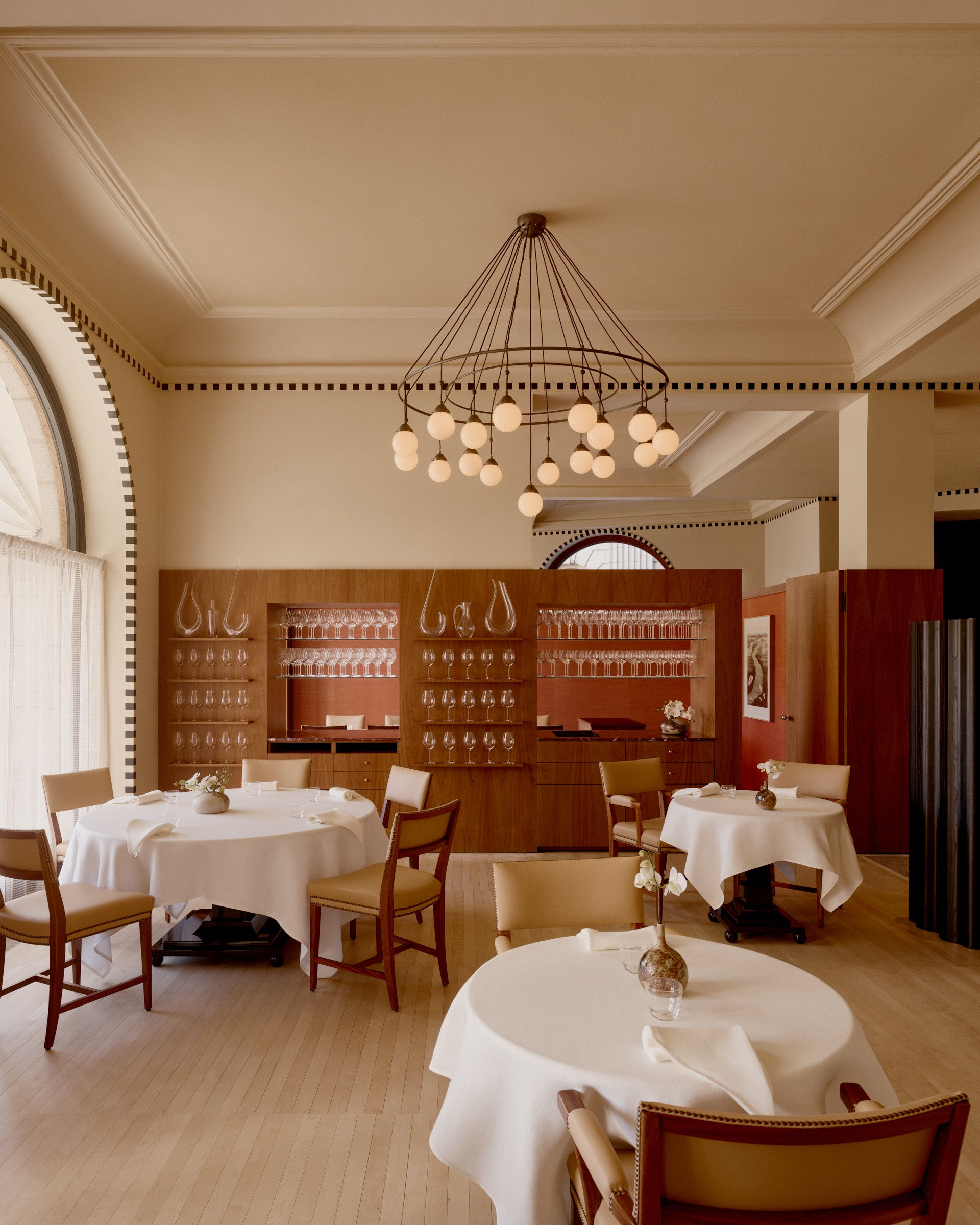
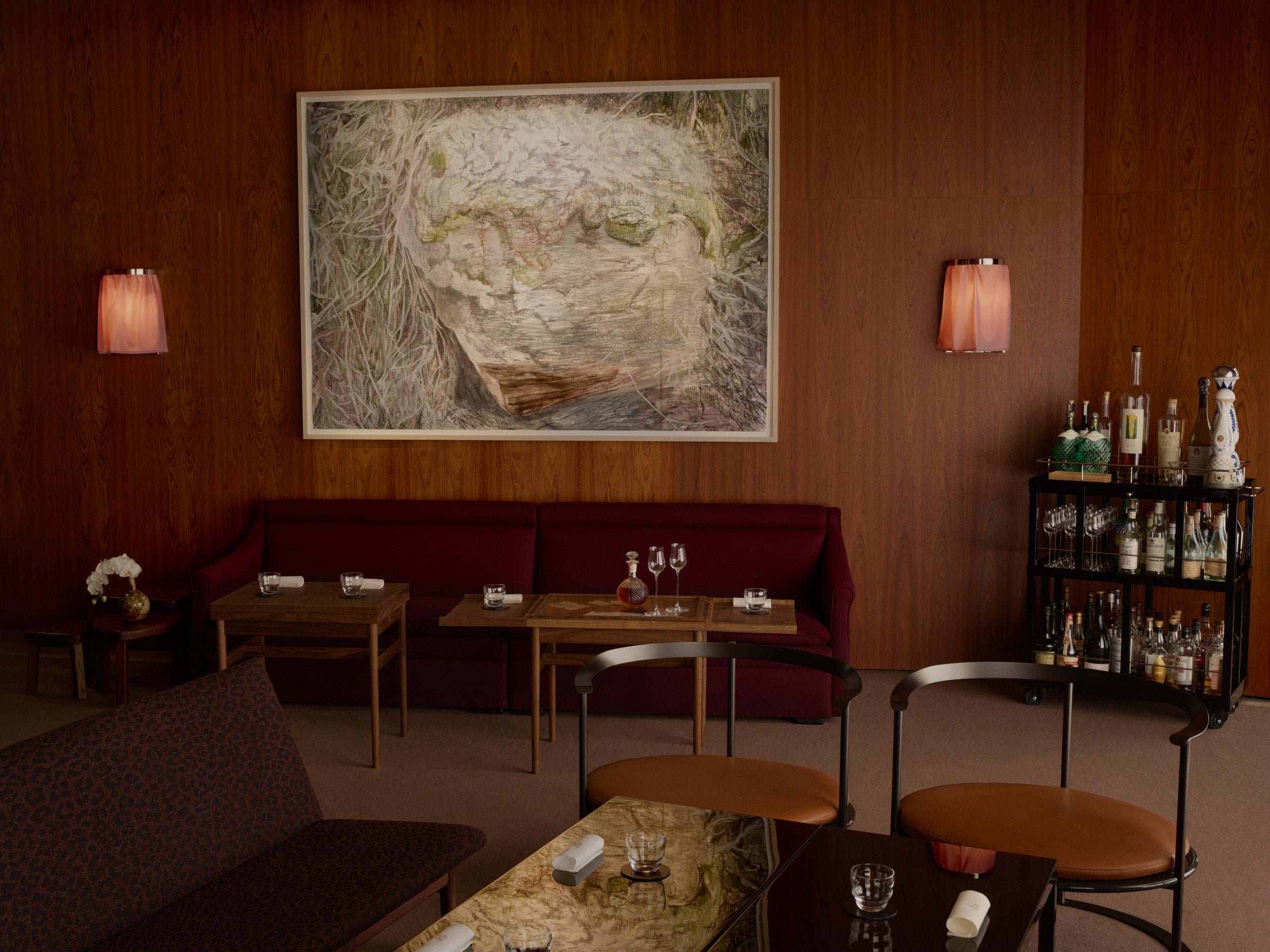
The restaurant occupies a three-level space in a historic building, overlooking Stockholm’s Royal Palace, the Royal Opera, and the Swedish Parliament, and guest move across these floors through the course of their meal. Designed by Swedish studio Halleroed, founded by Christian and Ruxandra Halleröd, the dining room carefully avoids the cool, almost cold, look of the New Nordics and instead injects some restrained color. There’s a flash of sage green, a portion of burnt sienna, and even the odd stripe. We’ve not reached maximalism levels, but there’s undeniable warmth.
Adam Albin is Halleroed’s first restaurant project. “The space is classically proportioned, with large, softly arched windows that flood the room with natural light,” says co-founder Ruxandra Halleröd. “An elegant, luminous dining room felt natural, but we wanted contrast. As the premises evolved, we layered in cozy 1960s touches to offset the classical. The result truly reflects Adam and Albin: fine dining with classic rock, exuberant yet relaxed.”
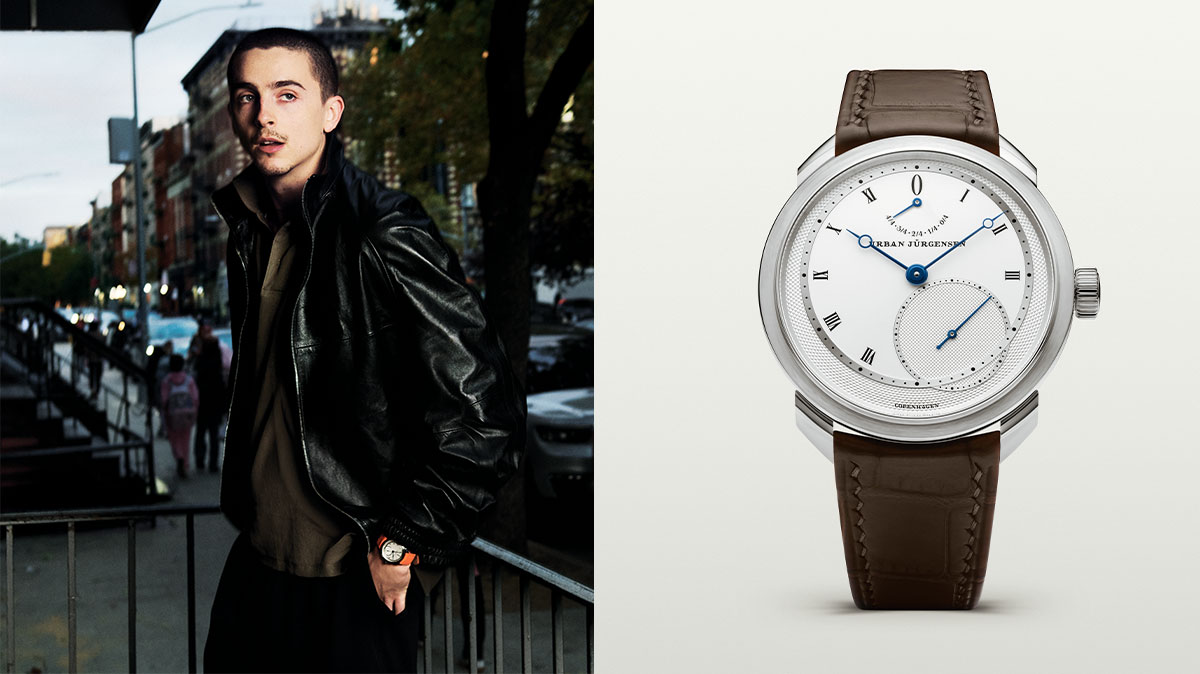
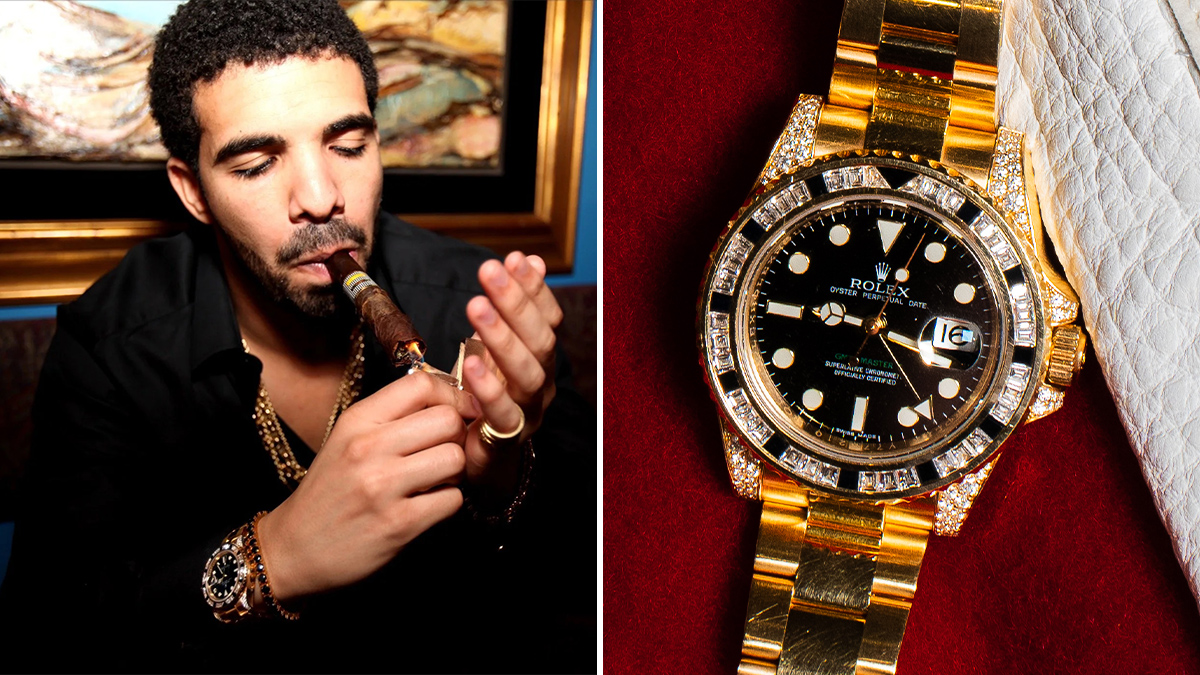
The A-list actor, who has been seen wearing the watches, is now a minority investor in the independent watchmaking company. The A-list actor, who has been seen wearing the watches, is now a minority investor in the independent watchmaking company.
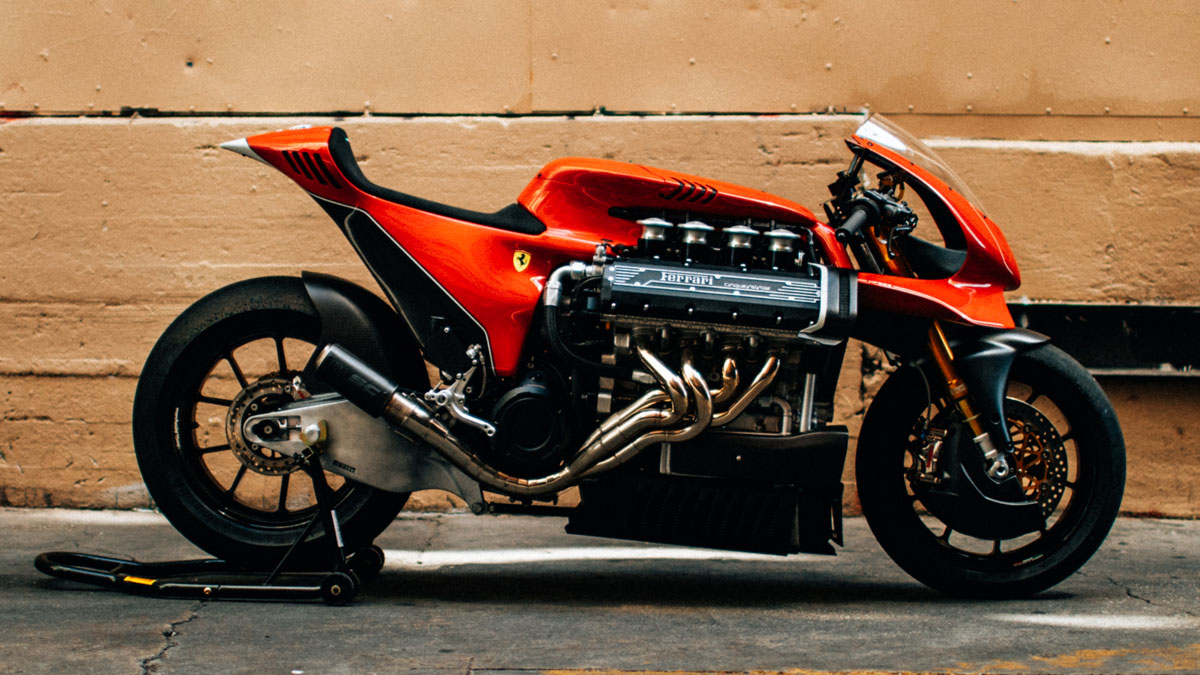
Max Hazan’s most challenging custom build to date is powered by a naturally aspirated V-8 from Maranello that delivers 400 hp at the crank. Max Hazan’s most challenging custom build to date is powered by a naturally aspirated V-8 from Maranello that delivers 400 hp at the crank.
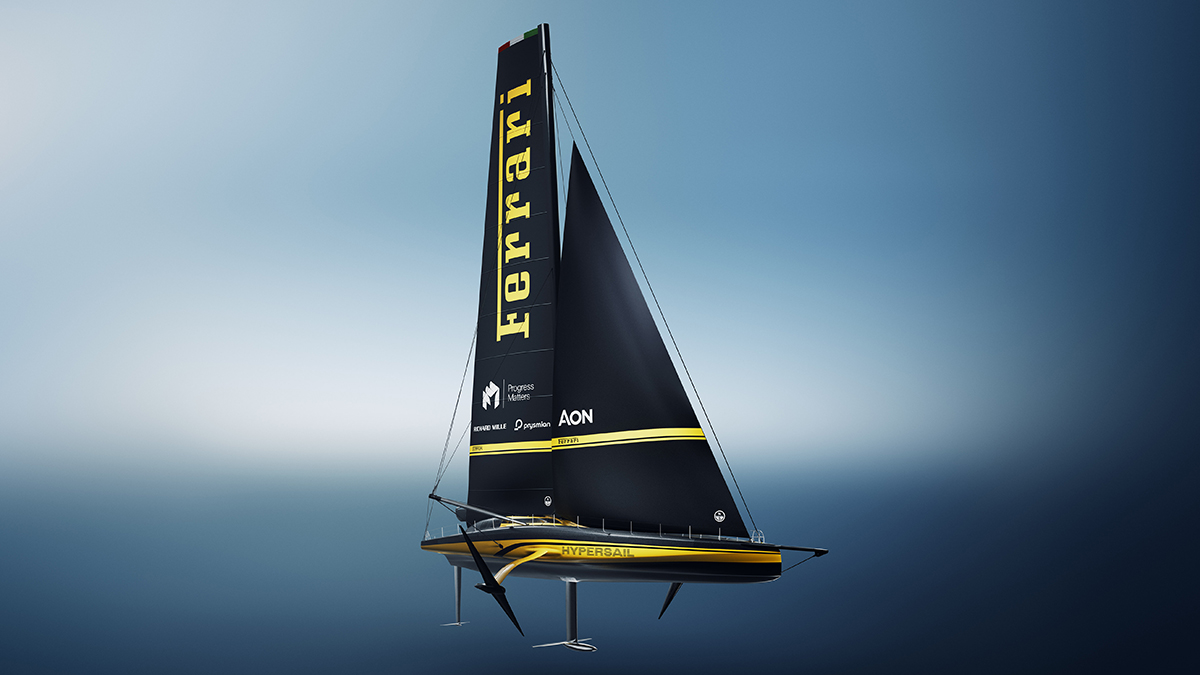
The marque just revealed the livery of the new monohull, which, of course, is inspired by its cars. The marque just revealed the livery of the new monohull, which, of course, is inspired by its cars.
From Napa to New Zealand, seven winemakers are taking a more more considered approach to the land that sustains this centuries old craft.
Winemakers have kept track of harvest dates and yields for centuries, so they were among the first to notice the impact of a changing climate on their sensitive vines.
To be sustainable in the long term, farming vines organically to save the soil is only one step. Many winemakers recognize they have to nurture the whole environment of their estates, including the animals that live there and the people who work on it. To fight climate change, they cut carbon emissions with solar and geothermal energy, track their carbon footprints, and keep experimenting.
The wineries that follow are making a meaningful impact – but they are far from alone.
New Zealand’s wine image is clean and green, and Felton Road winery in Central Otago, one of the country’s top pinot noir producers, epitomizes that ideal. To be sustainable, says owner Nigel Greening, he abandoned the idea of constantly seeking growth, which ends up exploiting the environment and puts profits first.
Everything Felton Road does is evaluated for its impact, starting with organic and biodynamic vineyards. Rather than spray or burn the wild roses taking over hillsides, it brought in African Boer goats to chew them up. No waste treatment plant is needed because Felton Road reuses everything, in compost, in creating brandy, or in some other way. Labels are printed with water-based inks.
But the single greatest carbon input for wineries, Greening explains, is glass and packaging. To minimize its carbon footprint, Felton Road switched to bottles that are 22 percent lighter and packs them in recycled cardboard boxes, which reduces the amount of energy required for shipping and distribution.
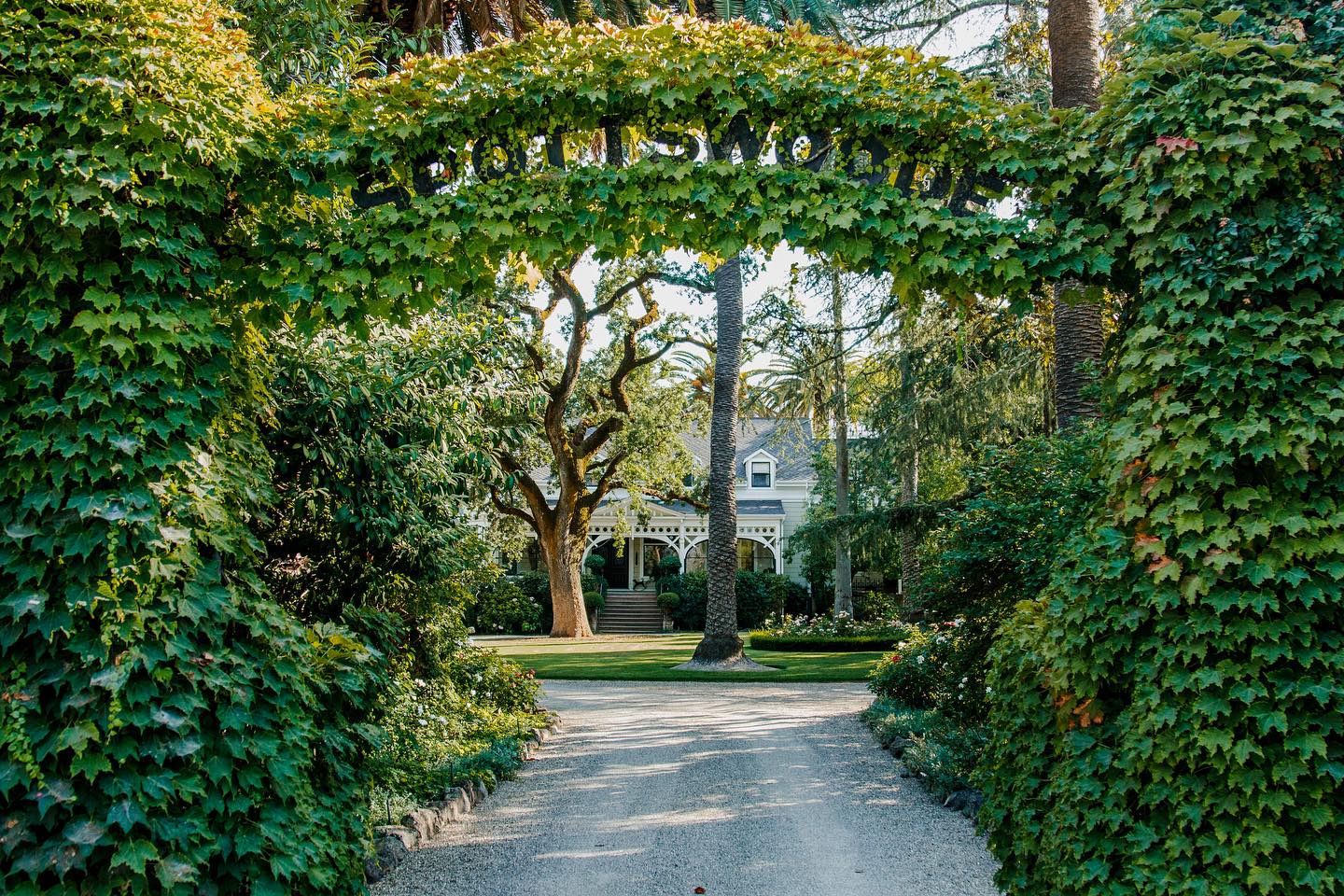
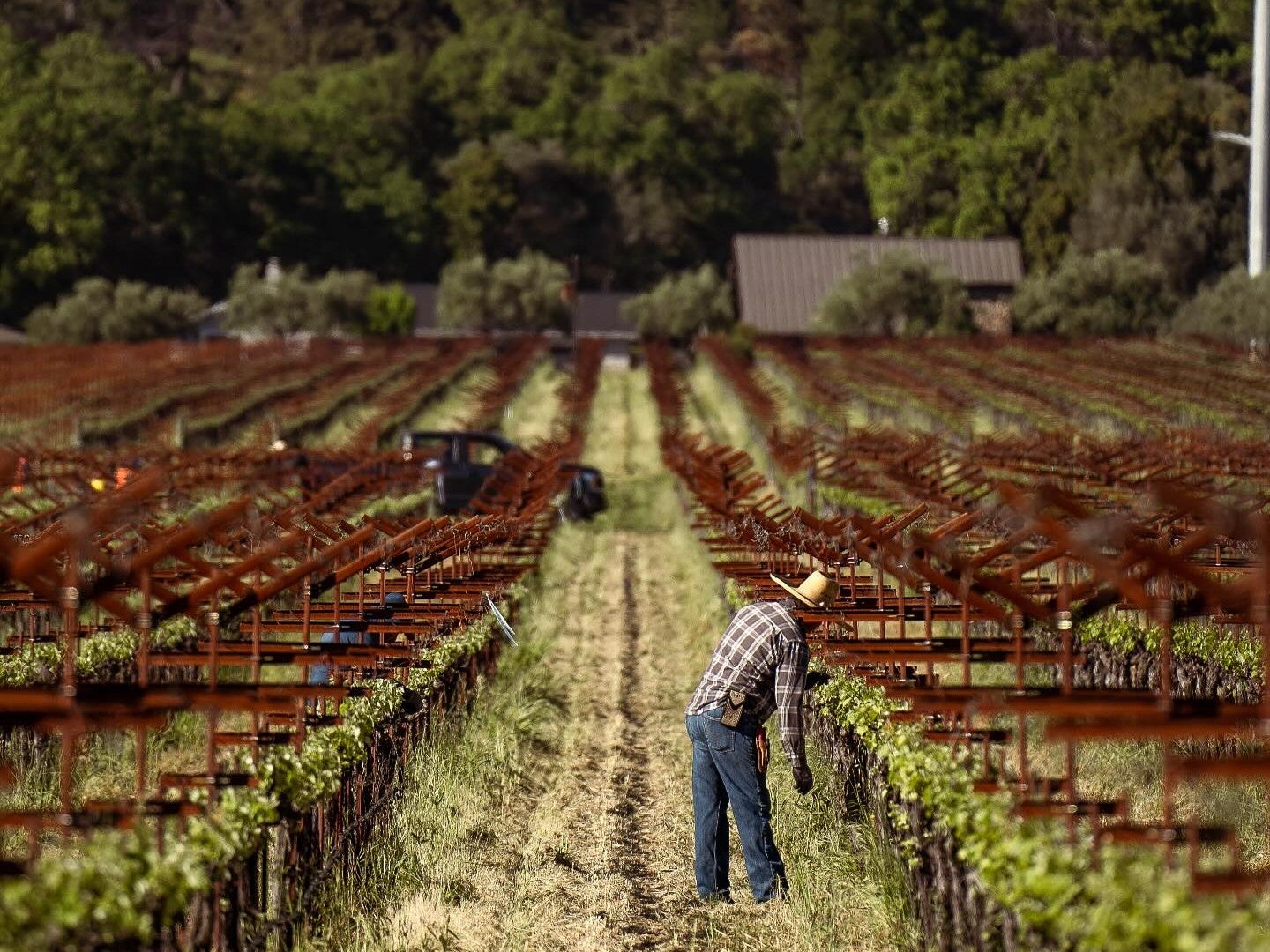
One of the most idyllic wineries in the Napa Valley, Spottswoode’s environmental leadership is part of its history. In 1985, it was one of the first wineries in the valley to farm organically, was certified organic in 1992, and is now certified biodynamic, too. Bird boxes and insectaries dot the vineyards. Beth Novak Milliken, the second generation to run the family winery, nurtures the winery’s land and workers (while still making elegant great wines), but also sees the importance of being part of local and global initiatives like International Wineries for Climate Action.
Spottswoode was one of the first wineries in Napa Valley to farm organically in 1985
Since 2007, Spottswoode has given more than $800,000 to the nonprofit organization 1 percent for the Planet. Milliken also believes obtaining certifications is essential to make sustainability efforts more transparent for consumers. In 2020, it became the first Napa winery to achieve rigorous B Corp certification, which measures both a company’s environmental impact and what it is doing for workers and the community.
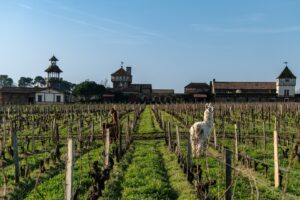
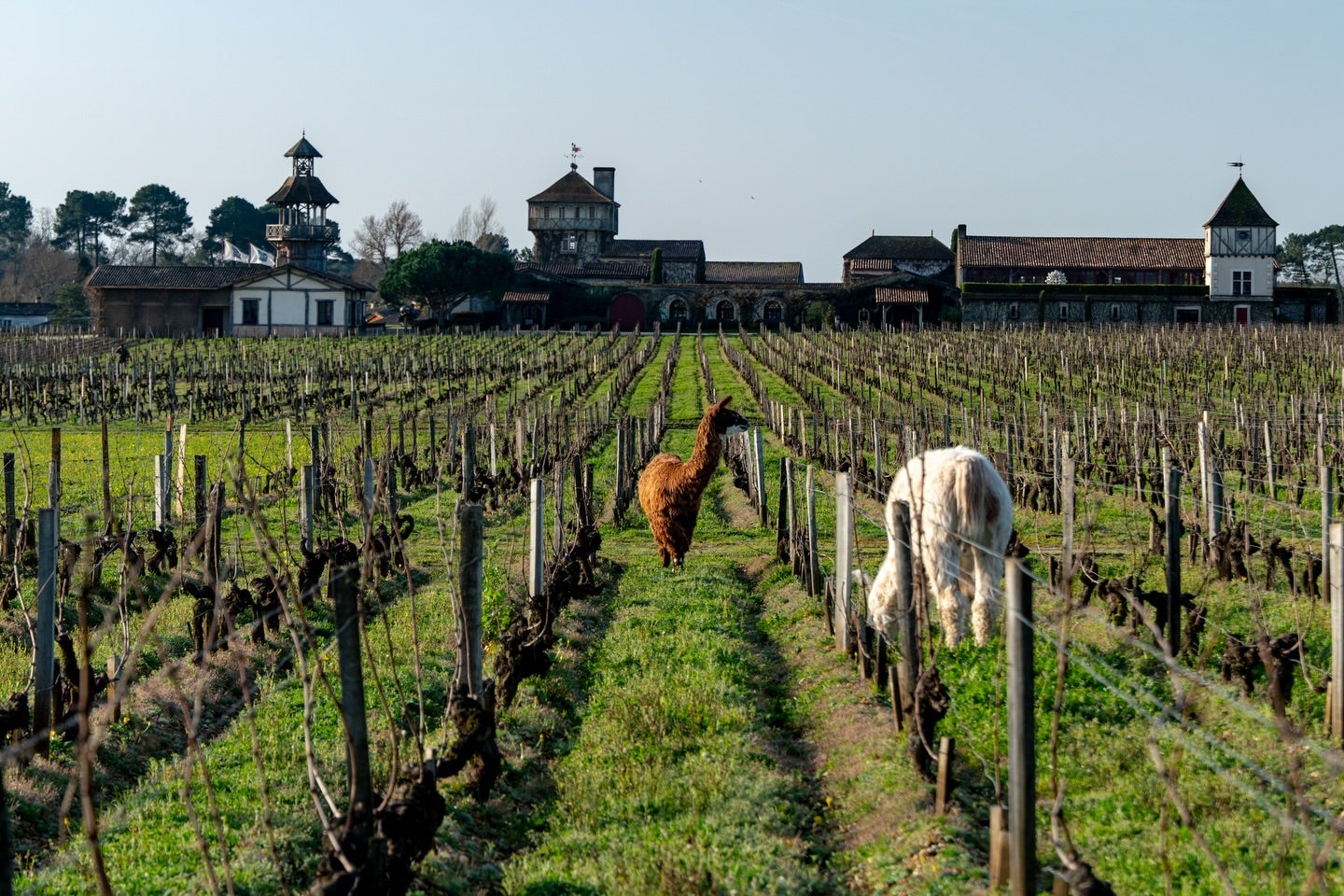
In 1990, ex-Olympic skiers Florence and Daniel Cathiard spotted run-down Château Smith Haut Lafitte in Bordeaux from a helicopter and bought it. Since then, they’ve banished chemicals from the vineyards, relying on natural herbal medicines for the vines (phytotherapy), and fight pests through sexual confusion, a way of disrupting the mating of harmful insects. Horses and alpacas, not tractors, plow between vines to save fragile soil areas.
Horses and alpacas, not tractors, plow between vines at Château Smith Haut Lafitte
And that’s not all — they’ve been leaders in the region in creating an entire ecosystem. An energy self-sufficient underground ‘stealth cellar’ for the estate’s second wines relies on geothermal and solar power. And who says recycling is dull? At the estate’s Sources de Caudalie vinotherapy spa, founded by daughter Mathilde and her husband, discarded grape seeds and vine cuttings turn into lauded beauty products. Most intriguing is the winery’s carbon-capture system, the world’s first to recycle the CO2 released by fermenting grapes into bicarbonate of soda.
Familia Torres, Spain
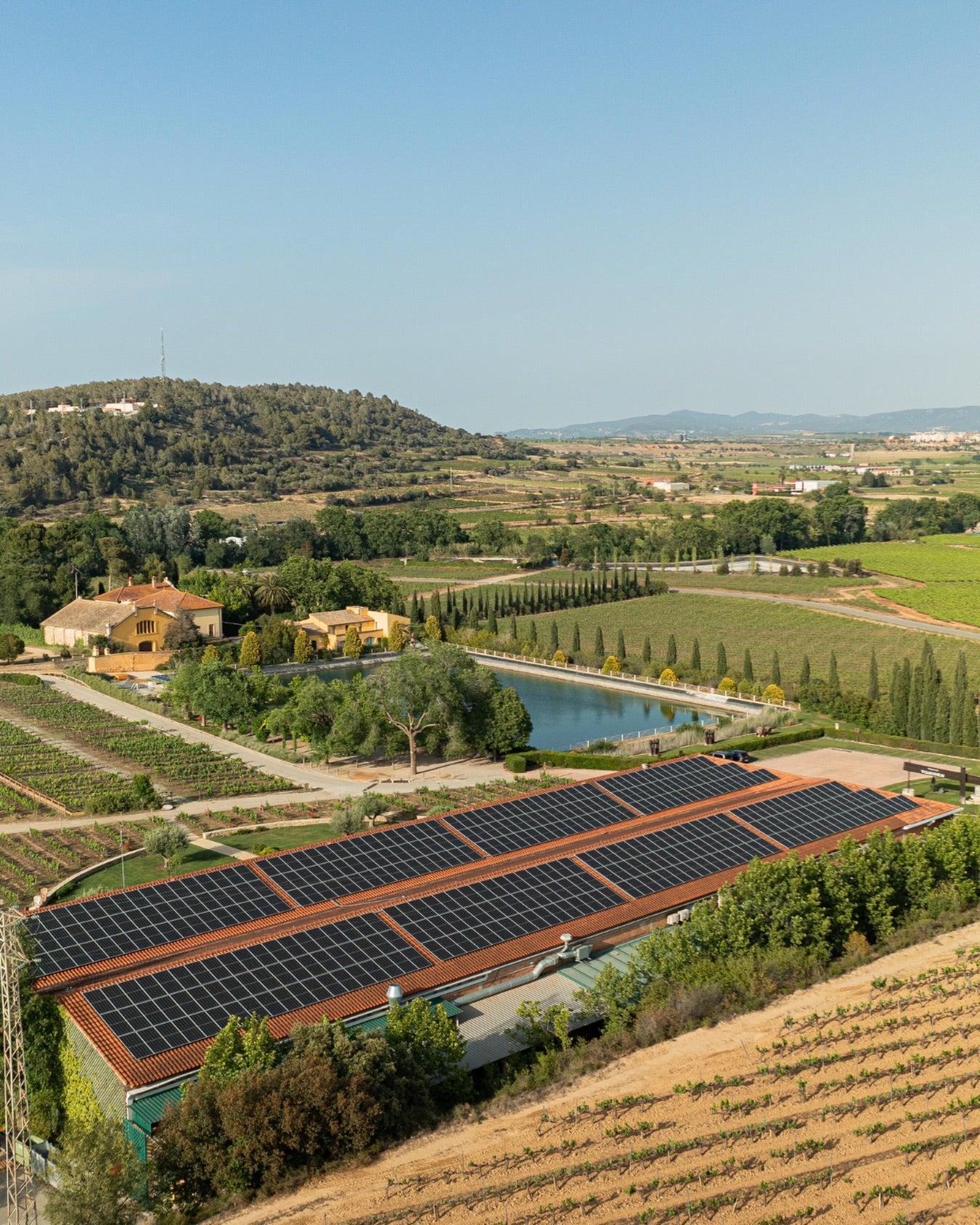
One of the loudest evangelists in the wine world, Miguel Torres Sr is the patriarch of this 150-year-old Spanish wine company, which also has family outposts in Chile and California. Inspired by the 2007 climate change documentary An Inconvenient Truth, Torres is passionate about reducing CO2 emissions that boost warming, tirelessly urges others to join him, and co-founded International Wineries for Climate Action to decarbonize the wine industry. Now, he and son Miguel Torres Maczassek, the company’s general manager, pump 11% of the company’s annual profits into the environment and fighting climate change.
Energy efficiency is their watchword. If you tour Bodegas Torres Wine Center in Pacs del Penedès, you’ll whiz around in a solar-powered sightseeing train. At Waltraud Winery, the white sand-covered roof reflects solar energy and reduces air-conditioning needs. A biomass boiler transforms pruned vine shoots into heat and electricity. One of the family’s current projects is their effort to bring back ancestral grape varieties that can adapt to the drought and warming brought about by climate change. The top one, so far, is 2016 Torres Forcada.
Founded in 1982, Sonoma-based Kendall-Jackson winery made its mark with the popular Vintner’s Reserve Chardonnay. Now this family-owned company encompasses more than 40 premium wineries on five continents. So it was a big deal when Jackson Family Wines launched a formal sustainability program in 2008 with environmental, social, and community goals.
Today, the in-house sustainability champion is second-generation Katie Jackson, who has overseen the company becoming the largest generator of on-site solar energy in the US wine industry. She also began issuing regular progress reports on the winery’s actions, and co-founded International Wineries for Climate Action, helping future winemakers understand the latest innovations. They funded the Jess S. Jackson Sustainable Winery Building at the University of California at Davis, the first self-sustainable, zero-carbon teaching and research facility in the world.
In the foothills of Mont Ventoux in southern France, in a pristine Unesco biosphere reserve, you’ll find the award-winning winery Chêne Bleu. It was an abandoned estate when committed conservationist Xavier Rolet (once CEO of the London Stock Exchange) took it on, then spent 15 years restoring it with his wife Nicole, and his wine-growing sister and brother-in-law. No toxic chemicals are used in the vineyard, and the entire site is farmed organically and biodynamically. They planted a half-hectare bamboo forest behind the winery to filter wastewater naturally, part of their zero-impact plan.
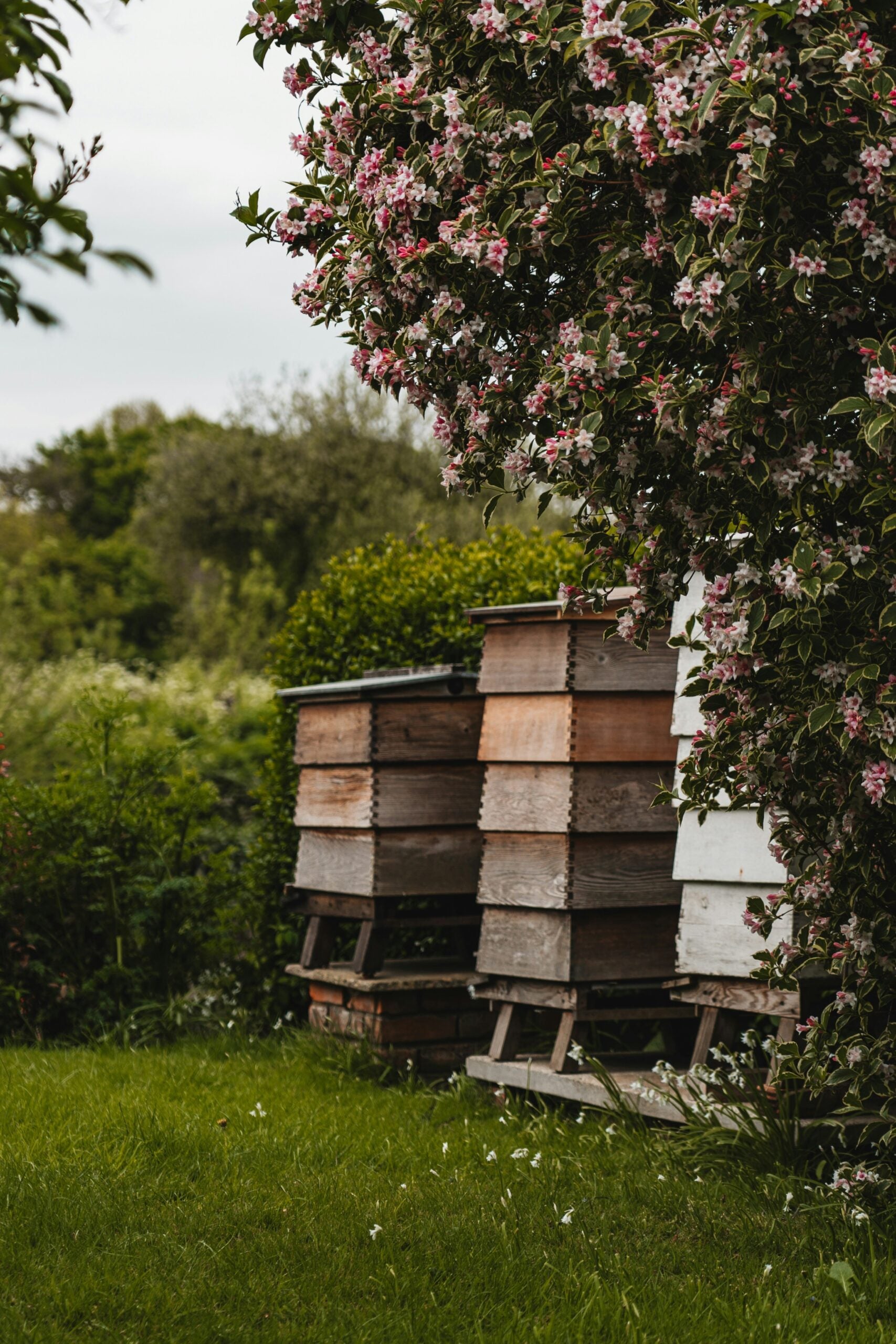
But it’s with Sustaina-BEE-lity, or Beehives for Biodiversity, that they’re extending their environmental credentials beyond their own vineyard. It launched in 2019 with a crowdfunding campaign working with renowned bee and soil experts to answer the questions: Could bees help make vines more resilient, make better wine, enhance nature, improve profits, and decrease long-term risks?
Rolet had been interested in beekeeping since his teen years, setting up hives near a Chêne Bleu Grenache vineyard. When some parts of it started to thrive, with higher yields, the team noticed cover crops between the rows were plusher, too. Winemakers encourage wildflowers and other plants to grow between rows because they help soil retain water and increase microbes that keep it healthy. Bees seem to help expand the biodiversity of this delicate ecosystem. Could they help wineries shift more quickly to organic viticulture, with less cost? As pesticides are contributing to the rapid and worrying decline in bee populations worldwide, the Rolets hope this idea may help save the bees, too — and make a delicious glass to toast with in the meantime.
Tablas Creek, Paso Robles
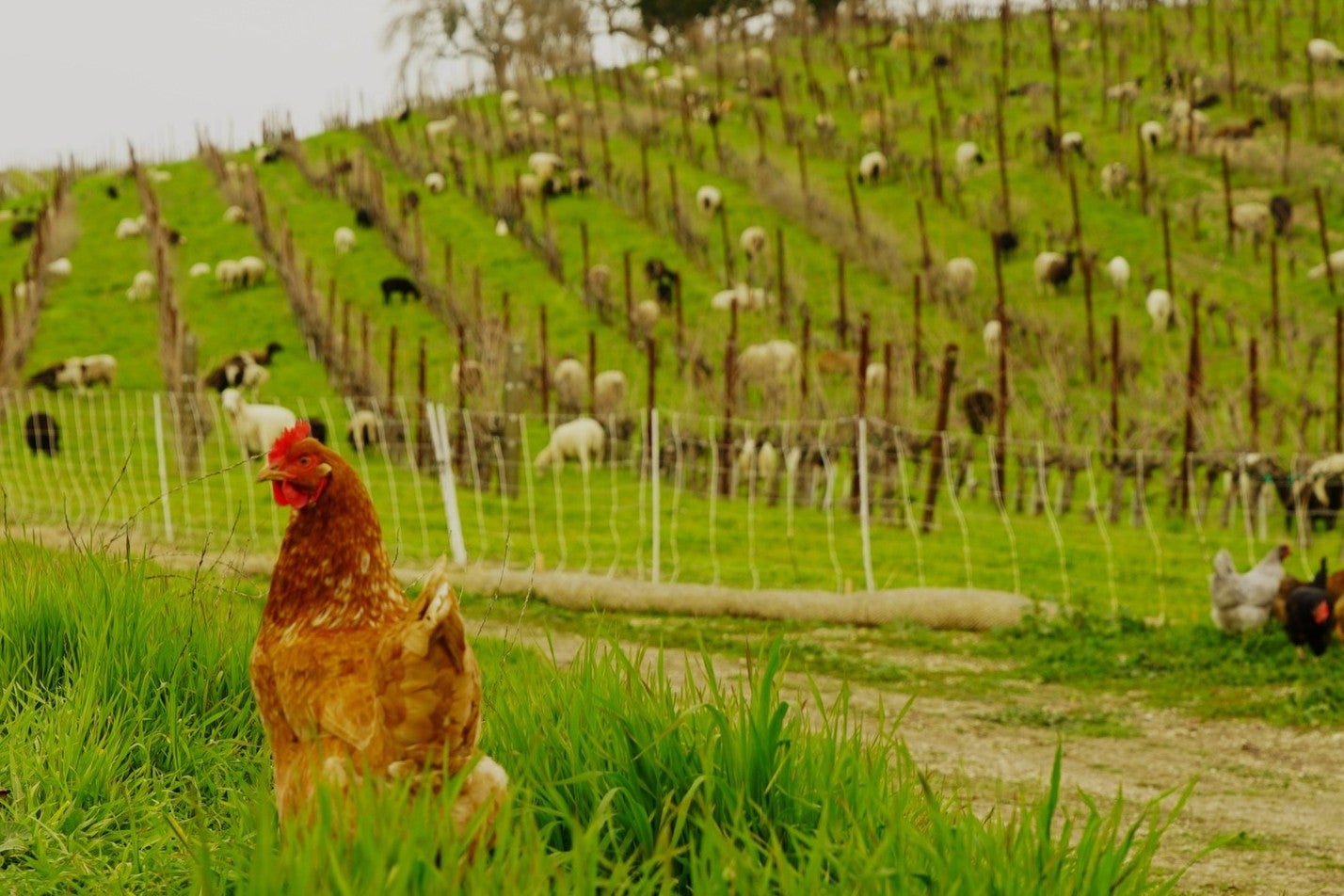
At eco-friendly Tablas Creek winery, in California’s Paso Robles region, owls zap vine-root-eating gophers, chickens gobble up destructive insects, and black-faced sheep chow down on the weeds between rows of vines, pausing from time to time to fertilize the soil. The idea, explains partner and general manager Jason Haas, is to make a wine estate an ecosystem: his vision of regenerative farming.
Tablas Creek had been certified organic and biodynamic for decades, but regenerative farming, says Haas, also includes not tilling the earth between the vine rows, to capture carbon in the soil instead of releasing it into the atmosphere. The two other farming ‘pillars’ are animal welfare and social fairness. This goes beyond just paying workers a decent wage and providing good working conditions, but also through involving the farming crew in decision-making. Tablas Creek became the first Regenerative Organic Certified (ROC) winery in the world in 2020, and paved the way for more wineries to join the application process. ROC, predicts Haas, is going to be the gold standard of certifications for agriculture around the world in the future. “We have to farm like the world depends upon it to repair a damaged planet.” The payoff for wine lovers is more complex reds and whites that you can feel good about drinking.
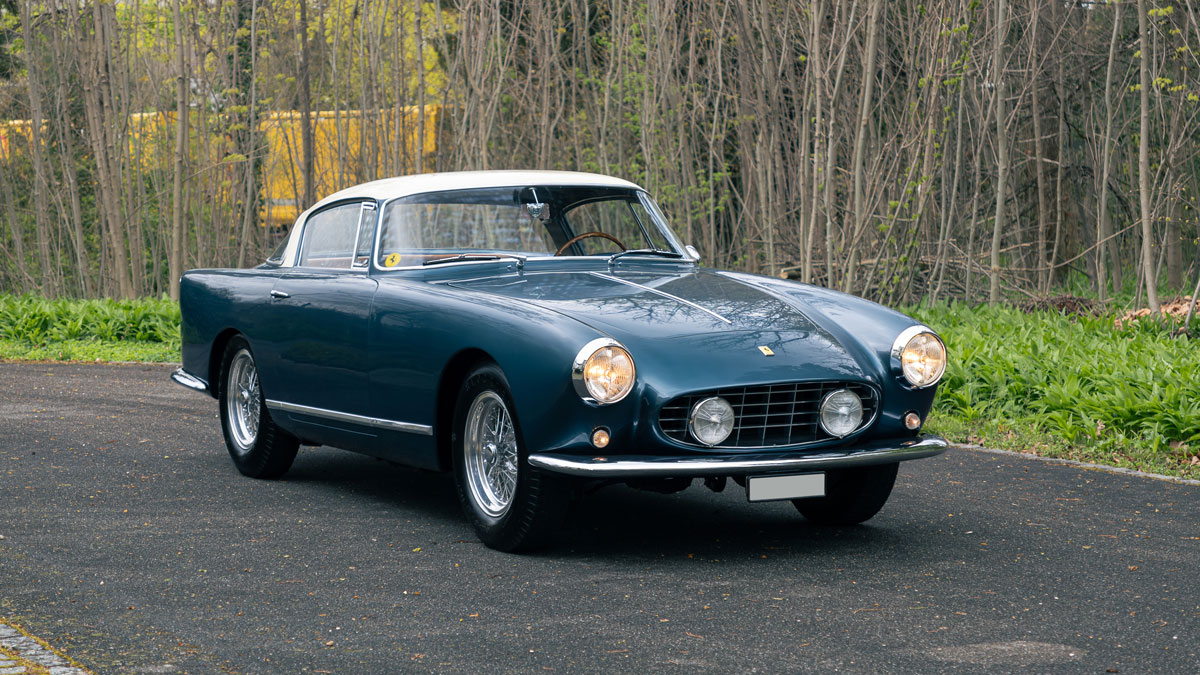
One of only 14 examples bodied in aluminum by Carrozzeria Boano, it will be offered through Broad Arrow Auctions on May 16. One of only 14 examples bodied in aluminum by Carrozzeria Boano, it will be offered through Broad Arrow Auctions on May 16.
Elite Traveler got a first look – here’s what you need to know.
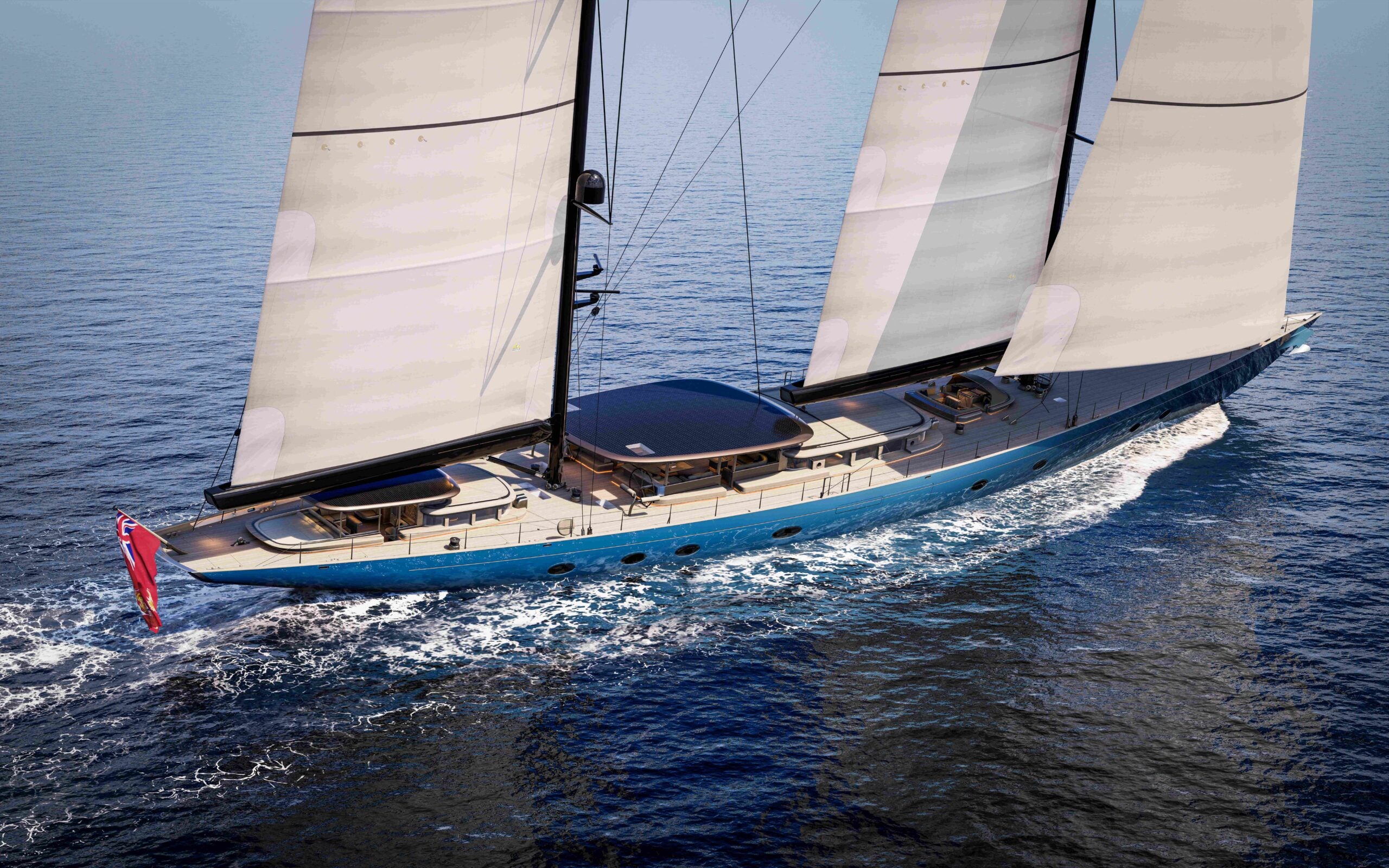
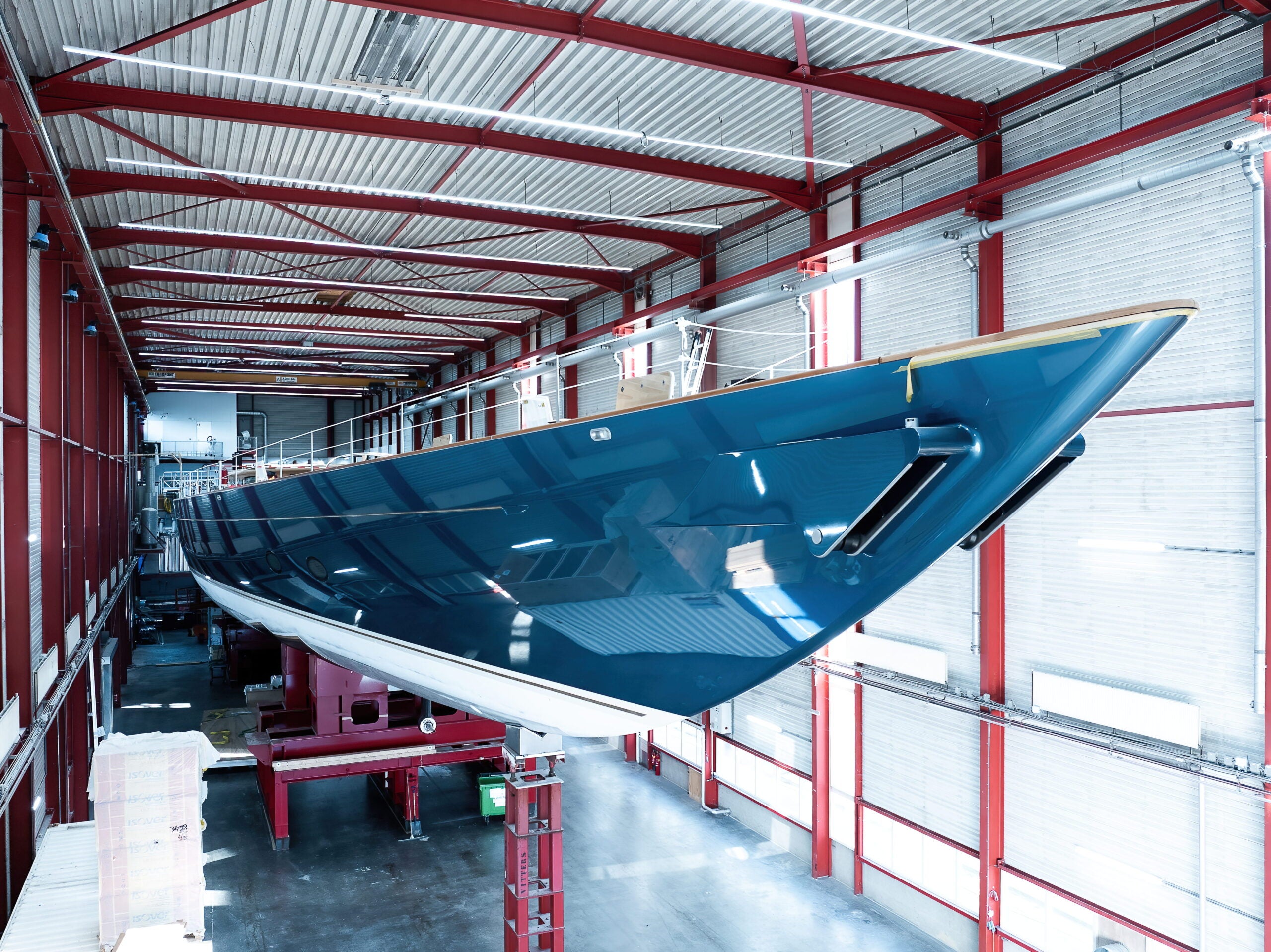
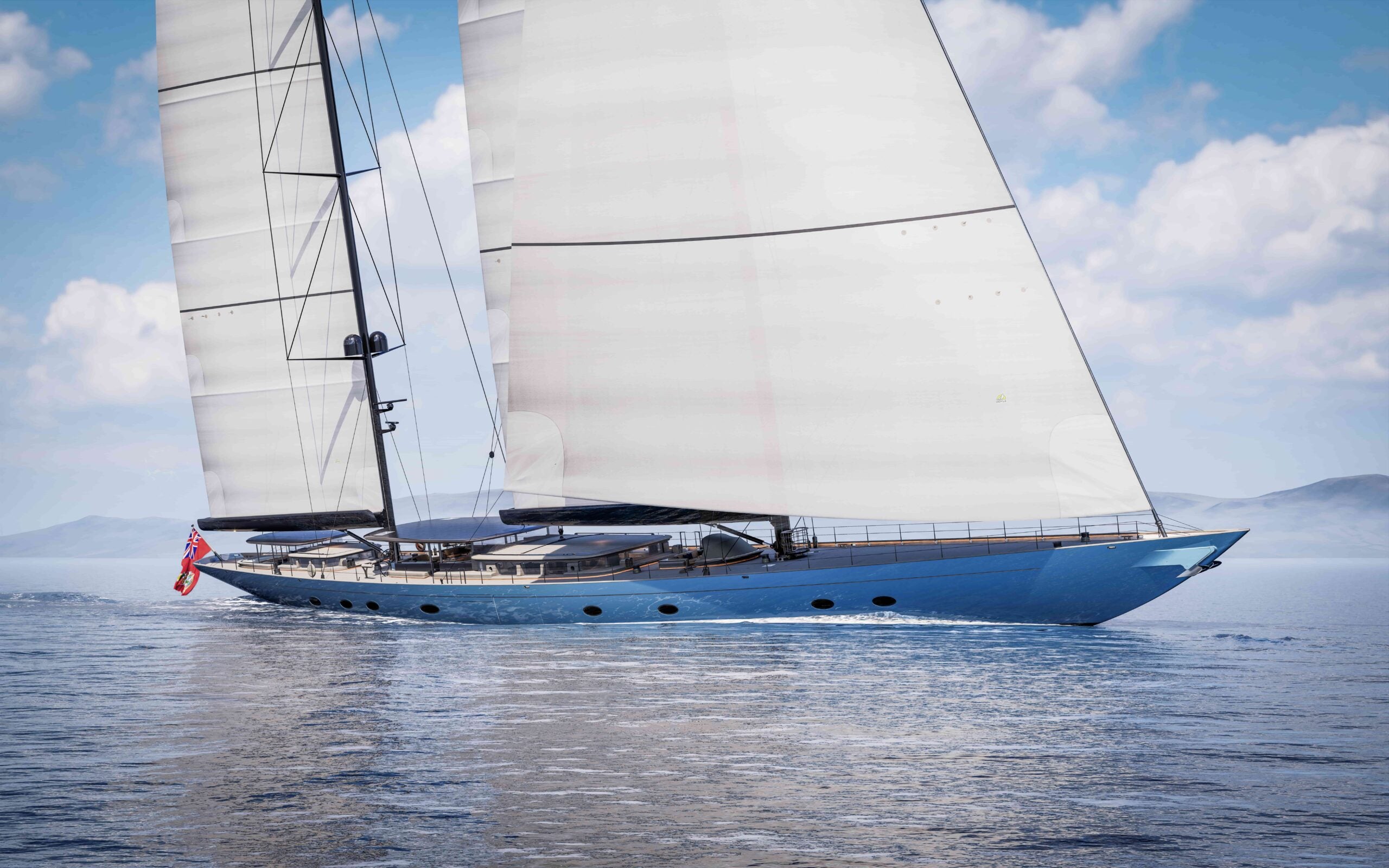
It might sound ridiculous to declare sailing yachtZero as the first vessel to run entirely on renewable energy, for what was Christopher Columbus’ 1492 flagship, Nao Santa Maria, if not a four-masted sailing yacht powered by the wind? And yet, the 226-ft ketch, built by Vitters and due to splash in late May, brings something wholly new to the table; a world-first hydrogeneration system that both propels the yacht and generates electricity.
Hydrogeneration isn’t new to yachting. Baltic’s Canova, delivered in 2019, adopted hybrid diesel-electric systems with built-in hydrogeneration. What is new is that Zero eliminates diesel engines entirely, replacing them with an all-electric power and propulsion system with a DC grid at its core, and photovoltaic-thermal panels that capture the light and heat of solar energy.
While Zero’s sails are her primary form of propulsion (she’s the first sailing yacht to have her rig certified as such by classification society Lloyd’s), when the wind drops, she can cover 400 nautical miles on electric propulsion alone – the equivalent of cruising non-stop from Monaco to Mallorca. It’s largely thanks to her two thruster propellers, placed forward and aft, developed by Danish manufacturer Hundested to maximize power generation when sailing (regenerating up to 250 kilowatts to feed a massive 5.2 MWh battery), and minimize power required to cruise on electric.
That energy-saving mentality also fueled efforts to reduce the hotel load (lighting, cooling, heating) from the typical 90 kilowatts to less than 30 kilowatts. The advanced heat recovery system converts thermal loss into usable energy, such as hot water, while insulated aluminium cooling panels built into the ceilings and walls across the cabins and living spaces replace a traditional HVAC unit. Then there’s the “breathing” main mast that doubles as a chimney.
Innovations like these sit at the heart of the project, and explain why it’s a mission control room, rather than the wheelhouse, that serves as the brains of the operation. It allows the captain and crew to receive real-time information about, for example, the specific stresses and loads the spars endure while sailing. While the data will enhance Zero’s sailing efficiency, it will also help to fulfil the owners’ intention “to encourage mindset and behavioural changes” across the marine industry by promoting open-source data and design sharing via the registered NGO and media platform, Foundation Zero.
The fundamental design challenge for Vripack Yacht Design, which penned the exterior and interior design, was how to make a yacht shaped by physics and data feel classic and elegant, as per the owners’ brief. According to Marnix Hoekstra, Vripack’s co-creative director, the answer lay in “a deliberate rejection of repetition and off-the-shelf detailing seen in traditional sailing yacht design.”
The Brazilian FSC-certified teak superstructure – waxed rather than varnished to enhance the natural aesthetic – is a case in point, as is the bespoke matte-finished hardware positioned in meticulous alignment across the wooden Tesumo decking. Even the passarelle doubles as the owner’s private transom ladder for morning swims, engineered to swivel, rotate flat, and remain slip-proof once wet.
Inside, arresting design details, such as fluted doors and miles of curved European oak, wrap around a narrative personalized to the owners. All four guest cabins are inspired by places of significance, from Italy to French Polynesia, while the owners’ suite, which pivots around the mizzen mast, leads to a private study that can be used for work purposes.
Material waste has been avoided by embracing blemishes and faults; slabs of “leathered” marble with visible cut lines, and repurposed bark on pine skin-fronted side tables. “It’s the deliberate knots, cracks, and grain variations that inject life into the project,” notes Hoekstra, whose strict requirement for every design element to begin or end in a full radius is fully realized in 17 achingly beautiful oval portholes.
Zero sprung from the reality that superyachts are not inherently sustainable, but once delivered, she will be made available to qualifying research teams and select charters to allow guests the opportunity to experience her systems in operation first-hand. For a yacht that leaves no stone unturned, her biggest achievement is, and will continue to be, proof of concept.
Meet the Hong Kong duo playing with the rules of modern menswear.
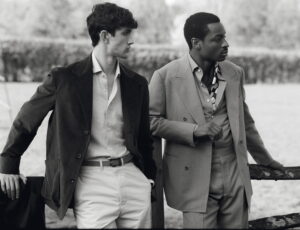
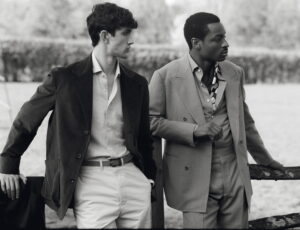
A modern menswear label from Hong Kong with an international following, The Anthology has become one of the most intriguing young tailoring houses to watch.
Independently owned and run, the brand has quietly built a reputation for sophisticated suiting, quirky casual wear, and impressive, handmade craftsmanship. Playful and forward-looking, it takes trad styles and gives them new, contemporary energy.
Here’s what makes The Anthology tick, in four parts.
Who?
The Anthology started life in 2018, the brainchild of Buzz Tang, a Hong Kong-based creative-cum-marketer who’d recently graduated from the London College of Fashion with a degree in footwear design. Sensing an opportunity, he approached Andy Chong, a pattern cutter and tailor with a high-end workshop in mainland China, and proposed that they build a consumer-facing brand around his atelier.
The pair started small with made-to-measure tailoring, but expanded steadily thanks to both word of mouth recommendations and Tang’s creative approach to marketing, storytelling, and design.
As a business, The Anthology began in Hong Kong and Taipei (both cities now have stores), but quickly grew into a ready-to-wear proposition that feels confident, mature, and unusually complete for a relatively young label.
Today their orbit includes collaborations, regular trunk shows in London and New York, and a fiercely loyal community of clients (including a smattering of famous faces, such as Bill Nighy) who speak about the brand in the hushed tones usually reserved for ‘if you know, you know’ hit restaurants.
At its core, The Anthology is about softness – in terms of structure, silhouette, and attitude.
Jackets are unstructured with a natural, subtly extended shoulder line. The cut is informed by Florentine tailoring with straight-edged lapels and curved jacket quarters (front edges). Trousers sit high on the waist and drape cleanly for an elegant look. Nothing feels stiff.
Tang’s taste in unusual and intriguing fabrics comes to the fore, too. Alongside classic materials like chalkstripe flannels or Prince-of-Wales checks, garments are cut in soft brushed cottons, heavy linens, baby camelhair, and all manner of textural, feel-good materials. The Anthology also weaves exclusive fabrics with prestigious mills such as Fox Brothers in Somerset, South West England, and hunts down vintage and dead-stock cloths for special-edition pieces.
Tailoring aside, outerwear is a selling point. The Anthology Polo coat has become a fan favorite, designed in collaboration with Simon Crompton of Permanent Style, but you’ll also find distinctive blousons with a retro feel, barn jackets in technical showerproof cotton, raglan-sleeve wrap coats, and ‘Lazyman’ cashmere overshirts to explore.
The brand’s pant-game is likewise strong. As well as tailored trousers, the website offers drawstring pants and washed jeans with a generous rise and straight-cut legs. There’s great casual knitwear and shirts too, and even the deerskin ‘street slippers’ (which, as the name suggest, are slipper-like loafers designed to wear out and about) are distinctive.
For the uninitiated, begin with the brand’s signature tailored jacket, an easy three-roll-two, single-breasted design with a soft construction and balanced proportions. It’s the kind of thing that flatters nearly everyone – the tailoring equivalent of great lighting.
Ready-to-wear versions include grey herringbone tweed and a jacket cut in subtle black and chocolate brown wool houndstooth. This is unusual, but a real winner – a little less expected than navy or grey, but still classic. Layer over a fine merino rollneck and either washed jeans or charcoal flannels.
If you’re going made-to-measure, look at needlecord (which also makes for a great casual suit), earthy shades of tweed or the brand’s exclusive ‘sueded’ linen (pre-washed for an extra-soft finish), paired with one of The Anthology’s piqué polos, which are designed with proper shirt collars that sit neatly beneath tailored jackets.
For those not normally in tailoring, the Goodman Jacket is a gateway drug. This is a deliberately slouchy blazer-meets-chore coat design, with classic jacket proportions and lapels, but unusual patch pockets and shirt-cuff sleeves that feel a bit ‘workwear’. In heavy camelhair twill, it’s a thing of beauty – luxurious and yet informal.
Special mention should also go to the Civilian Trouser. An unusual tailored pant that borrows the ‘five pocket’ silhouette of a jean, it’s a real go-anywhere, do-anything piece. Again, it’s the fabrics that make these. You’ll find them in heavy cotton moleskin, corduroy or flecked denim. They require minimal effort to wear, but are just that bit sleeker than jeans or classic chinos. Pair with one of The Anthology’s knitted T-shirts and a Lazyman jacket, and you’re all set.
The Anthology stands out partly because it occupies a rare middle ground: small enough to obsess over the details, large enough to deliver consistent quality and creativity. The fact the brand owns its manufacturing – and applies the fastidiousness of a bespoke tailor to every piece it makes – is critical.
More importantly, Tang and Chong design for continuity – not trends or fads. The Anthology’s key pieces evolve gradually; fabrics are chosen to age gracefully and the brand’s signature silhouettes are refined gently over time, rather than replaced outright.
The tone of the brand is intelligent too; serious craft delivered with lightness. At 28 and 37, Tang and Chong bring a youthful, creative flair to classic menswear that is sorely needed. The brand’s identity reflects that – confident, cultured, modern, but self-aware enough not to be too evangelical.
The Anthology is a standard-bearer for the new wave of craft-led, independent menswear labels: global in outlook, obsessive in execution and unpretentious in delivery. It invites you to dress with feeling as much as with rigor.
Experts suggest access isn’t impressive anymore – unless you know how to use it.
Tall, dark, and handsome. Six foot two, ideally. Six foot? Fine – we’ll review on a case-by-case basis. And while we’re at it, a table at Sushi Park wouldn’t hurt.
It’s the first question any matchmaker asks: “What are you looking for in a partner?” For years, the answer followed a predictable script – height, charm, a certain kind of lifestyle. But now, a fainter criterion has slipped into the brief.
When The New York Times recently reported on the so-called ‘restaurant gap’ in modern relationships – that standoff over who books, who pays, who plans – it resonated widely. But at the very top end of the dating pool, however, the dynamics are rather different.
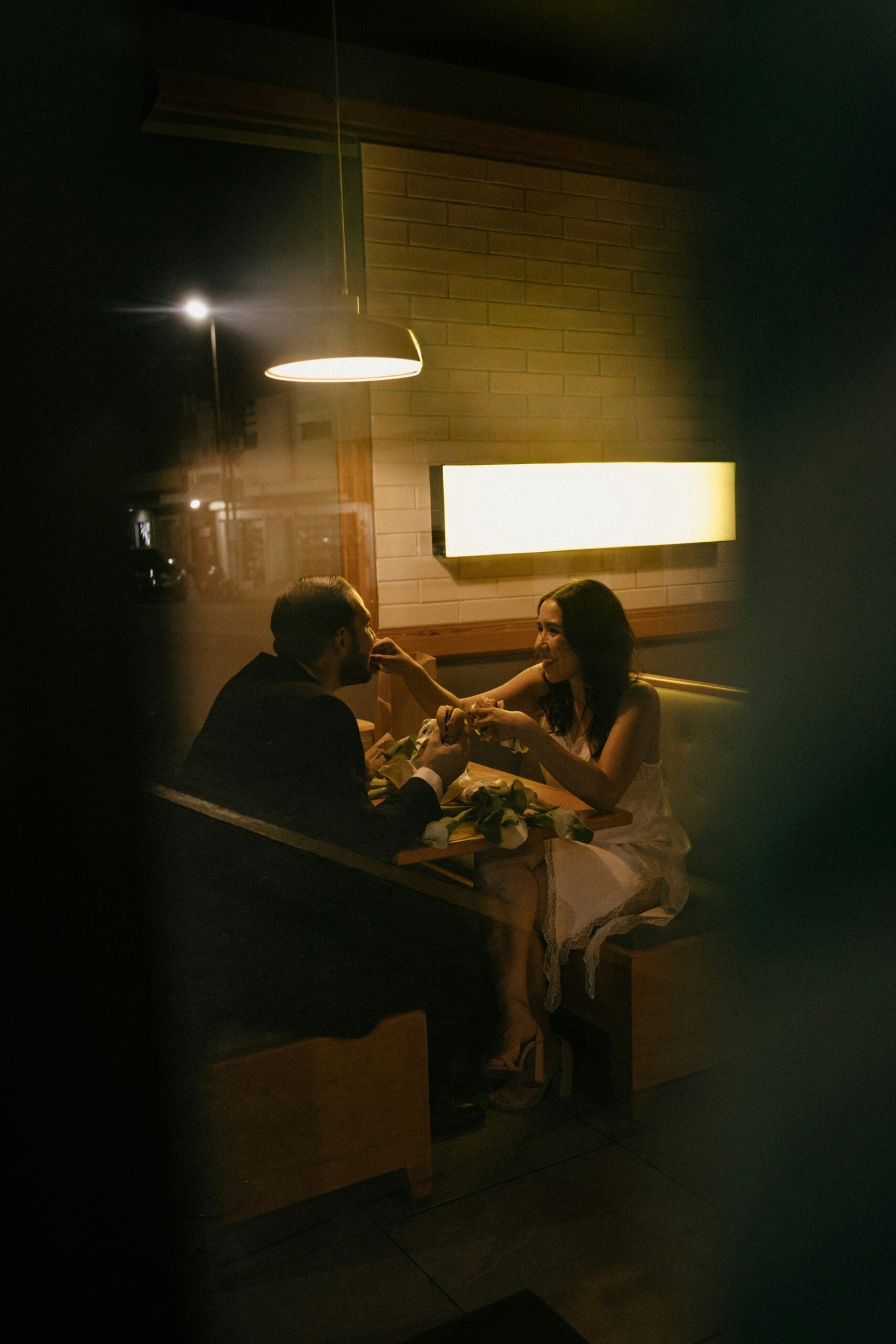
Call it the ‘reservation gap’. It’s not whether you can secure a table, it’s where, how, and – more revealingly – why.
As Mairéad Molloy, global director of Berkeley International, puts it: “People notice when someone is well-connected, moves easily across different environments, and knows how to make things happen without effort or fuss.” Her clients, who tend to invest between £15,000 (approx. $20,243) and £35,000 (approx. $47,235) for her dedicated expertise, tend to be attuned to the difference.
When access to everything is a given, how it’s used becomes its own social signal. “Access functions as a language, but it’s important to be precise about what it communicates,” adds Lorin Krenn, a high-profile matchmaker and relationship psychiatrist.
“A well-chosen dining room or a morning on a yacht does not impress in the way it might at other wealth levels.” In fact, he notes, “inviting someone to a three-Michelin-star restaurant could even be read as an insult, because they could do that any day of the week.”
“One client of mine had invested enormously in the early stages of dating someone. Private dinners, immaculate attention to detail, every element considered,” he recalls. “What he had not considered was the person in front of him, who wanted to connect and kept finding the evening got in the way.”
It’s a familiar mistake, says Michelle Begy of Ignite Dating: “Trying too hard is often the quickest way to diminish the experience.” A regular on the Spears 500 list of Top Recommended matchmakers, she’s helped clients from New York to London find their perfect matches.
Across the board, the matchmakers I speak with express that the very thing intended to impress can create distance, turning a date into something closer to a production than a moment to find a meaningful connection.
None of this is to suggest that setting doesn’t matter. “You don’t get a second chance to make a first impression,” Molloy points out. But the emphasis has shifted. “Choosing the right setting, whether that is a restaurant, hotel, or venue, sets the tone. It’s about creating an environment where the other person feels comfortable and valued.”
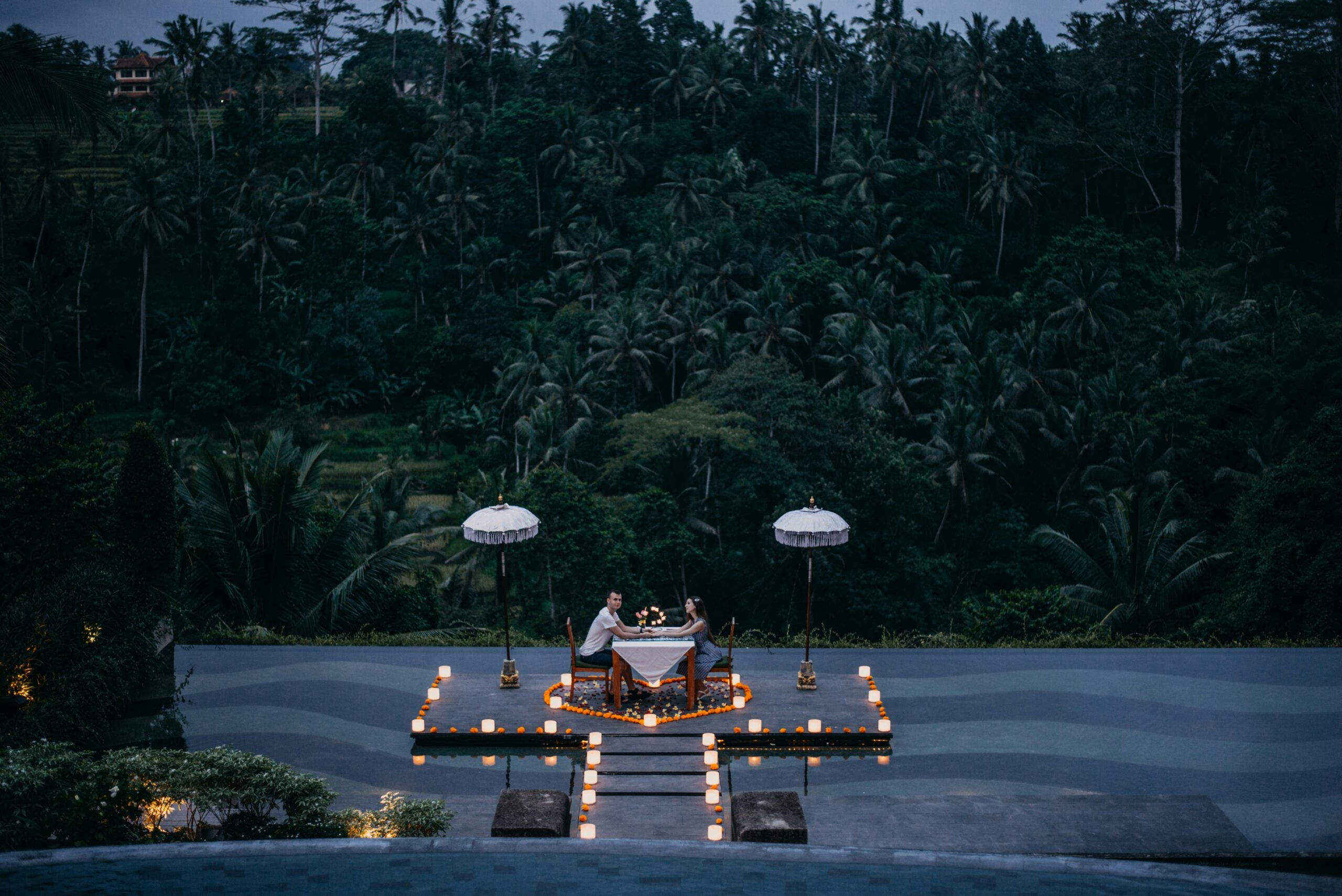
Which may explain why, increasingly, the most attractive expressions of access are also the least obvious. “The settings that consistently work are designed around connection – low noise, minimal distractions,” says Krenn. In his experience, private dining rooms, members-only clubs, or places with no phone policies tend to outperform headline restaurants.
“There is no single ‘ideal’ venue,” Barbie Adler, president and founder of Selective Search, tells me. “ A well-matched introduction paired with a comfortable, well-considered environment will consistently outperform even the most exclusive or in-demand reservation.”
“It’s not the exclusivity itself that makes an impression, but the personalization behind it,” notes Bergy. A sought-after table only resonates when there’s a reason for it, whether that’s “a favorite chef, tickets to a show, or a shared interest; it signals attentiveness and thoughtfulness.”
Which is why the ‘reservation gap’ isn’t really about reservations, but intention. And as Krenn suggests, that distinction is only becoming more pronounced among younger daters. “The next generation entering this wealth level has grown up asking harder questions about what a life well lived actually looks like,” he concludes. “The hunger to be known, as a human with imperfections and a real interior life, will only become more acute as the material options expand.”
Tall, dark, and handsome may still open the door. But in today’s dating economy, it’s what you do once you’re seated that will secure the second date.